A Good Travel Plan Should Leave Breathing Room
By noon, I knew the itinerary was no longer going to happen as written.
I had planned the day carefully. The museum opened at ten, lunch was supposed to happen nearby, and I had saved a neighborhood walk for the afternoon. On paper, everything fit.
My body disagreed.
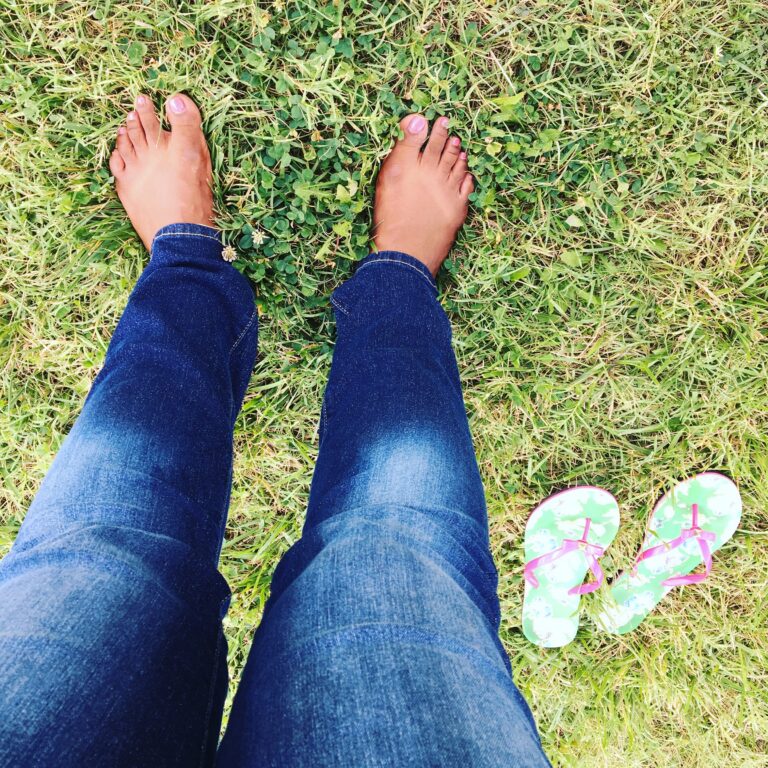
I had slept poorly, walked farther than expected the previous day, and started the morning with tired feet and very little patience. By the time I reached the first stop, even the idea of crossing the city again felt exhausting.
For a few minutes, I tried to argue with myself.
I had made the plan. I had limited time. Surely, I could push through one more attraction and rest later.
Then I found a café, ordered something to eat, and looked at the itinerary again. Nothing on the list was urgent. The museum had already given the day enough shape, while the remaining stops could wait.
So, I changed the plan.
Instead of racing across town, I wandered through the nearby streets, stopped when something interested me, and returned to my room before exhaustion turned the day into resentment.
I saw less than I expected.
I experienced more than I would have if I had forced myself to continue.
That is what I want from a flexible travel plan: enough structure to help me move confidently, but not so much that the schedule begins controlling the journey.
A Good Itinerary Should Support the Day
I like planning because it reduces unnecessary stress.
Knowing where I am staying, how I will arrive, and whether an important attraction requires advance tickets helps me feel prepared. Research also protects my budget by showing me which experiences deserve money and which areas I can explore freely.
However, planning works best when it supports the trip rather than becoming the trip.
An itinerary should help me enter the day with direction. It should not punish me when weather changes, transportation fails, or my energy turns out to be different from what I predicted weeks earlier.
The Plan Cannot Know the Body I Will Have That Morning
When I build an itinerary at home, I imagine a version of myself who feels rested, fed, motivated, and ready to walk for hours.
The traveler who arrives may be jet-lagged.
She may have slept badly, carried luggage across several train platforms, or eaten less than she needed. Heat, illness, hormones, anxiety, and unfamiliar surroundings can also change what feels manageable.
Because the plan cannot predict all of that, I need to leave room for the body that actually wakes up.
Listening does not mean abandoning every goal at the first sign of discomfort. It means treating physical information as part of the decision.
When the Body Votes No
A headache, hunger, tired feet, dizziness, heat, or emotional overwhelm can change the meaning of a travel day.
Ignoring those signals may allow me to complete the itinerary, but completion is not always success.
If I reach every attraction while feeling miserable, I have technically followed the plan without receiving much from the experience.
Resting, eating, adjusting the route, or returning early may protect the following day as well as the current one.
The body is not interfering with the trip.
The body is where the trip happens.
Travel Is Not a Test of Endurance
There can be pressure to prove that I used every hour well.
I may compare my day with another traveler’s list or worry that I will regret missing something. Social media adds another layer by showing destinations as a sequence of impressive meals, landmarks, views, and experiences.
What remains outside the frame is fatigue.
I do not see the long lines, sore feet, transportation confusion, or the afternoon when someone needed to stay in the room.
Travel does not become meaningful because I exhausted myself collecting evidence that I was there.
Seeing Everything Is Not the Same as Knowing a Place
A crowded itinerary can create a strong sense of accomplishment.
I visit several major attractions, take photographs, and move efficiently from one reservation to the next. Still, I may leave with very little sense of how the destination actually feels.
Knowing a place requires pauses.
I need time to notice how people use public space, what the neighborhood sounds like in the morning, and where residents stop for an ordinary meal.
This connects with what slow travel has taught me about choosing presence over pace.
Slowing down does not require an unlimited trip. It requires making room within the time I have.
One Anchor Can Give the Day Enough Shape
I often plan one main activity.
A museum, guided walk, food tour, historical site, or cultural experience gives the day direction without claiming every hour. When useful, I may find and reserve that anchor through GetYourGuide.
Once the main activity is set, the surrounding time can remain open.
I might find lunch nearby, walk through the neighborhood, or return to a place that caught my attention earlier. If the activity requires more energy than expected, I can rest afterward without feeling that the entire day collapsed.
Reservations Need Breathing Room Around Them
Timed tickets create structure, but too many of them can turn a destination into a race.
One delay begins affecting everything that follows. Lunch becomes rushed, transportation feels stressful, and a meaningful experience gets shortened because another reservation is waiting.
Whenever possible, I avoid booking major activities back-to-back.
The space between them gives me time to navigate, eat, use the restroom, recover, and process what I have just seen.
That margin is not wasted time.
It is part of making the itinerary realistic.
Open Time Allows the Destination to Participate
The best part of a day is not always something I could have planned.
A market may appear on a street I chose only because it looked interesting. A conversation may last longer than expected, or a small exhibition may deserve more time than the famous attraction I researched in advance.
If every hour is committed, the unexpected becomes an inconvenience.
With open time, surprise becomes possible.
A flexible plan allows the destination to offer something I did not already know to request.
Changing the Plan Is Not the Same as Failing
Once I write an itinerary, I can begin treating it like a promise.
Skipping an activity then feels like a loss, even when the change makes practical sense.
I am learning to see the plan as a proposal rather than a contract.
It reflects what seemed appealing before the trip began. New information may change the decision.
Perhaps the weather is worse than expected, the neighborhood requires more time, or I simply no longer care about visiting the attraction as much as I thought I would.
Revision is part of thoughtful travel.
Solo Travel Makes Flexibility Easier
Traveling alone gives me unusual control over the day.
I can change lunch, remain longer at a museum, or return early without negotiating with another person. That freedom has helped me understand my own pace more clearly.
It also connects with my reflections on building solo travel confidence by finding my own rhythm.
Confidence does not mean following the original plan at all costs.
Sometimes, it means trusting myself enough to change direction.
Group Travel Requires a Different Kind of Flexibility
When other people are involved, the plan needs room for several bodies and preferences.
One person may want to begin early, while another needs more rest. Someone may enjoy museums, and someone else may feel overwhelmed after an hour indoors.
A rigid schedule can turn those differences into conflict.
Choosing priorities together helps. So does allowing people to separate for part of the day rather than forcing everyone to participate in every activity.
Travel companionship should not require identical energy.
Food Needs a Place in the Plan
Hunger changes my patience quickly.
Directions become harder to follow, delays feel more serious, and I am less open to whatever the day is trying to offer.
For that reason, I think about meals before the schedule becomes crowded.
I may save a few nearby options, carry a snack, or leave enough time to choose without desperation. Not every meal requires a reservation, but every body needs nourishment.
Planning for food protects the experience.
Weather Should Change the Itinerary
Weather is not a background detail.
Heat, rain, wind, snow, and humidity affect distance, comfort, transportation, and safety. A route that looks easy on a map may feel completely different under direct summer sun.
Instead of forcing the same schedule through every condition, I adjust.
Outdoor walking can happen earlier. Museums, cafés, libraries, and indoor markets can fill the hottest or wettest part of the day.
Responding to weather is not weakness.
It is practical intelligence.
Location Can Create More Freedom Than a Longer List
Where I stay influences how flexible the trip can be.
A central location may allow me to return for a break, change clothes, or leave unnecessary items behind. Staying farther away can save money, but long transportation times may make adjustments more difficult.
No single choice works for every budget.
Still, I consider how accommodation will affect the daily rhythm, not only the nightly price.
Convenience can create breathing room.
Practical Preparation Makes Spontaneity Safer
Flexibility works best when the essential details are secure.
Before traveling, I confirm entry rules, understand basic transportation, and keep important addresses accessible. For some destinations, iVisa can help travelers review visa and entry requirements.
I may also use travel medical coverage through SafetyWing for support if a covered illness or injury disrupts the trip.
Preparation reduces avoidable uncertainty.
Once the essentials are handled, I can loosen my grip on the smaller details.
Safety Still Sets the Boundaries
A flexible plan does not mean wandering without awareness.
As a woman traveling alone, I consider transportation, lighting, distance, phone battery, and how I will return to my accommodation. An inviting detour may feel different during daylight than it does after dark.
I can remain open while still using judgment.
If a situation feels wrong, I leave. If changing the plan creates unnecessary risk, I choose another option.
Freedom needs boundaries in order to remain useful.
Backup Plans Should Be Simple
I do not need a second detailed itinerary in case the first one fails.
A few flexible alternatives are enough.
I may save an indoor option for rain, identify a nearby neighborhood for a low-energy afternoon, or know which activity can move to another day.
Simple backups reduce the panic that can follow a cancellation.
They also prevent me from spending valuable time rebuilding the entire day from scratch.
Rest Days Do Not Need to Be Empty
A rest day can still contain travel.
I may walk to a nearby café, do laundry, browse a market, write, or sit in a public square without trying to turn the outing into an achievement.
Rest changes the intensity of the day rather than removing me from the destination entirely.
Those quieter hours often reveal details I miss while moving between major attractions.
Recovery and discovery can happen together.
The Plan Should Reflect My Real Priorities
An itinerary becomes crowded when everything receives equal importance.
Before the trip, I try to identify what genuinely matters.
Perhaps one museum is essential, while three others are optional. Maybe I care more about a particular neighborhood than reaching every famous landmark.
Priorities make flexibility easier because I know what to protect and what I can release.
Without them, every missed activity feels like the same size of loss.
Some Experiences Need More Time Than Expected
Occasionally, a place deserves the rest of the day.
I may enter a museum expecting to stay for an hour and remain for three. A market may lead to lunch, conversation, and an entire afternoon in the surrounding neighborhood.
Leaving only because the written schedule says so can weaken the experience I am already having.
A flexible itinerary gives depth permission to replace quantity.
Other Experiences Need Less Time
The opposite also happens.
An attraction may not interest me as much as expected. A crowded site can feel unpleasant, or the experience may be too commercial for what I wanted.
I do not need to remain simply because I paid or because the guidebook suggested a longer visit.
Leaving early creates room for something else.
Time already spent does not need to control the rest of the day.
Unplanned Does Not Always Mean Better
Spontaneity has its own mythology.
Travel stories often celebrate abandoning the plan and discovering something magical. Sometimes that happens. Other times, the unplanned choice produces a closed restaurant, a long walk, or a disappointing afternoon.
I do not need every detour to justify itself through a perfect story.
The value of flexibility lies in having options, not in assuming the unplanned option will always be superior.
Structure Can Protect the Budget
Too little planning can become expensive.
Last-minute transportation, sold-out accommodations, and meals chosen in desperation can quickly increase costs. Flexible travel still benefits from knowing the financial boundaries.
I may reserve the essentials while leaving daily details open.
That balance protects money without making the experience feel overproduced.
The Best Plan Leaves Space for Recovery
Travel creates sensory and emotional fatigue as well as physical tiredness.
New languages, transportation systems, streets, sounds, and decisions require attention. Even enjoyable days can become overwhelming.
Quiet time helps the mind process the experience.
Without recovery, every small problem begins feeling larger. A slower evening or late morning can restore the curiosity that exhaustion had started replacing with irritation.
Freedom Inside the Plan
After changing my itinerary that afternoon, I spent more time in one neighborhood than I had expected.
I ate well, found a quiet street, and stopped briefly in a shop that had not appeared in any of my research. Later, I returned to my room with enough energy to enjoy the evening rather than collapsing from a day I had forced myself to complete.
The original schedule had not been bad.
It simply stopped fitting the person living it.
That is why a flexible travel plan works better for me than an itinerary built around constant achievement.
I still want structure. Reservations, research, safety planning, and practical preparation reduce stress and protect the budget.
However, I also want the freedom to respond when the weather shifts, the body needs rest, or a neighborhood becomes more interesting than the attraction waiting across town.
Travel is not a performance of how efficiently I can consume a destination.
I want to feel where I am.
One meaningful anchor is often enough to shape the day. The remaining space allows for meals, rest, mistakes, conversations, and discoveries that could not have entered a schedule built too tightly.
The freedom inside the plan is what matters most.
I want enough structure to feel safe and enough openness to remain surprised.
Explore more stories about flexible itineraries, solo travel, practical planning, and moving through destinations at a more human pace through DG Speaks Travel. You can also discover how meals and food experiences influence the rhythm of a journey through DG Speaks Food, or read more about women, self-trust, public life, and intentional living through DG Speaks Culture.