Why I Am Choosing More Travel With Texture
I have seen places so beautiful that I almost did not know how to enter them.
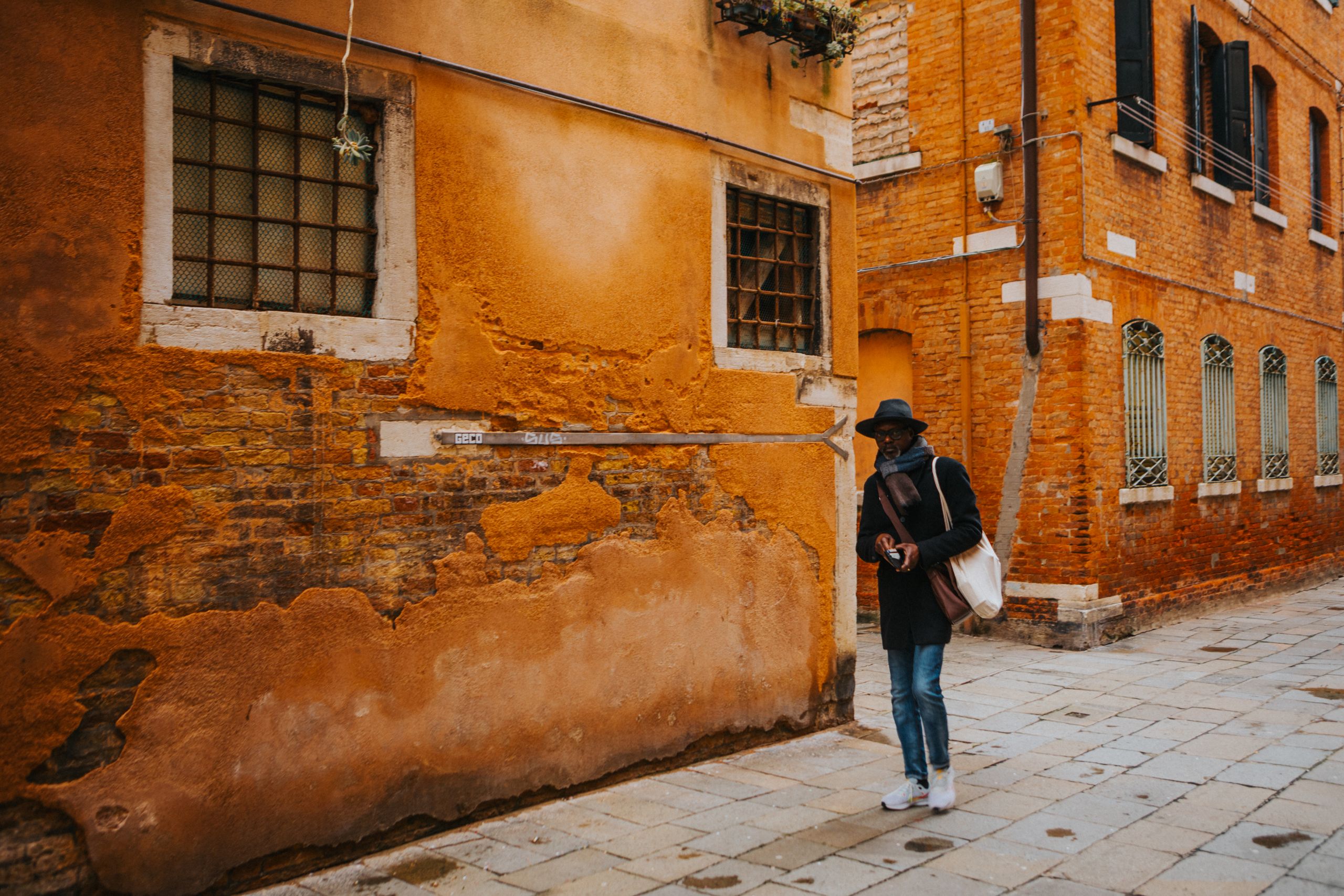
The light was right. The buildings held centuries in their walls. Every corner seemed to offer the kind of image people travel across oceans to capture.
Yet beauty alone has never been enough for me.
I do not want to move through the world collecting polished scenes while remaining untouched by the places themselves. I want textured travel, the kind that includes beauty but refuses to stop there.
I want flavor, questions, weather, fatigue, conversation, rest, surprise, and a little dust on my shoes. I want to know what a place feels like after the photograph has been taken and the crowd has moved on.
The journeys that stay with me are rarely the ones that unfolded perfectly. They are the ones I had to inhabit.
Beauty Can Invite Me In, but It Cannot Tell Me the Whole Story
There is nothing shallow about wanting to see beautiful things.
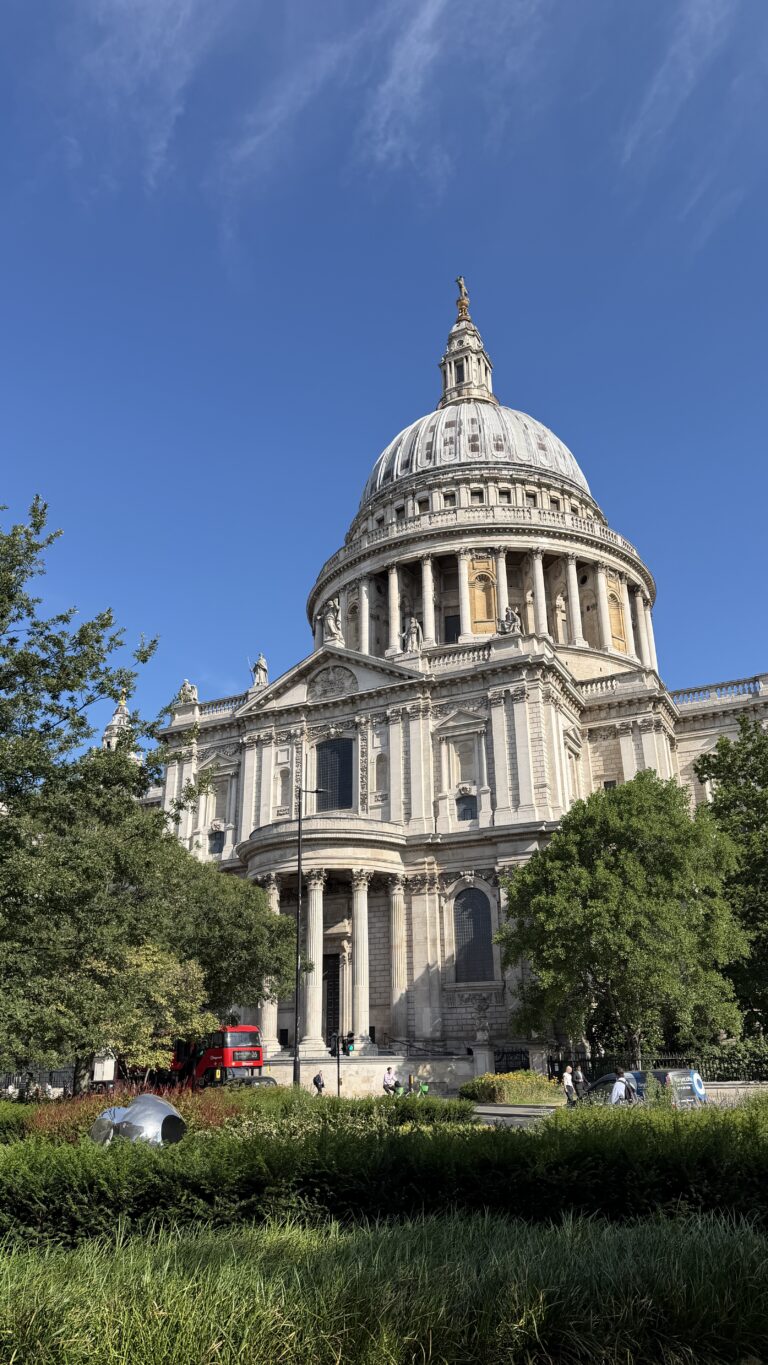
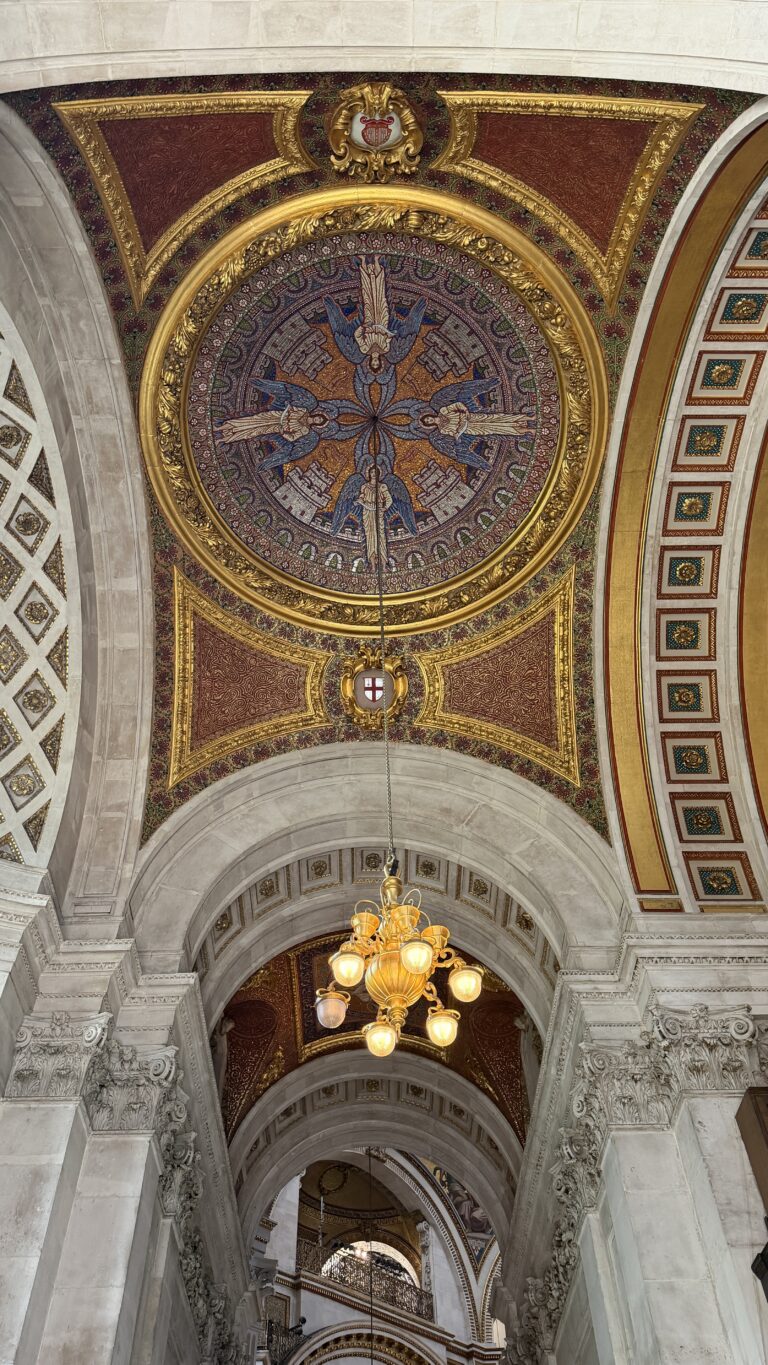
Beauty can interrupt exhaustion. It can remind me that human beings have always created, decorated, planted, cooked, built, and imagined beyond mere survival. A cathedral ceiling, a tiled wall, a mountain path, or a plate arranged with care can make me pause long enough to feel fully present.
The problem begins when beauty becomes the only thing I am willing to see.
A perfect square may sit inside a city struggling with housing costs. A historic neighborhood may feel charming to visitors while longtime residents are being priced out. A meal may arrive beautifully plated because people behind the scenes worked long hours for wages the dining room never discusses.
None of this means I cannot enjoy the square, neighborhood, or meal.
It means enjoyment should not require blindness.
Textured travel allows pleasure and awareness to occupy the same journey. I can appreciate what is beautiful while asking what supports it, who maintains it, and who has access to it.
I Want the Place, Not Just Its Performance
Tourism often presents destinations as if they exist in a permanent state of readiness.
The streets are clean. The food is waiting. The museum doors are open, and the people serving visitors appear endlessly available. Every inconvenience has been removed from the frame.
Real places do not operate that way.
Markets close. Workers get tired. Weather disrupts transportation. Construction blocks the view, and a restaurant may run out of the dish I crossed town to try.
These interruptions can feel disappointing because travelers are encouraged to think of destinations as products. We paid, planned, and arrived, so the experience is supposed to perform.
I have learned that some of the richest moments begin when the performance cracks.
A changed schedule may send me into a neighborhood I had not planned to visit. A closed attraction may create time for a long lunch. Rain may force me to sit somewhere long enough to notice the people around me instead of rushing toward the next landmark.
Not every inconvenience becomes meaningful. Sometimes a delay is simply frustrating.
Still, texture often enters when the destination stops obeying the script I brought with me.
The Body Remembers What the Camera Cannot
Travel memory lives in the body.
I remember a hill differently when I climbed it. I understand a city’s scale differently after walking across it. Heat, cold, hunger, and fatigue shape my relationship with place in ways that a photograph cannot reproduce.
This does not mean I believe discomfort must be pursued.
I do not need to be miserable to prove that I traveled well. Hardship is not a credential, and pain does not automatically produce insight.
There is a difference between embodied travel and unnecessary suffering.
Embodied travel asks me to notice the conditions around me and the condition of my own body. It reminds me that distance is not an abstract number, that weather changes capacity, and that rest belongs inside the journey.
My shoes, appetite, sleep, and energy become part of the map.
That awareness is one reason slow travel has taught me to choose presence over pace. Moving more slowly does not guarantee depth, but it gives depth a better chance to emerge.
Food Gives a Place Weight
Food is one of the ways a destination becomes more than visual.
A photograph can preserve the color of a dish, but it cannot reproduce the first taste, the temperature of the room, the sound of the kitchen, or the hunger I brought to the table.
Those details create texture.
Food also gives me access to history that may not appear in monuments. Ingredients carry migration, trade, colonization, adaptation, scarcity, celebration, and survival. A recipe may reveal which crops grew nearby, which communities arrived later, and how people made a meal from what was available.
I do not want to reduce that history to a list of flavors.
When I eat while traveling, I want to know more than whether I liked the dish. I want to understand what it means locally, who prepares it, when people eat it, and whether the version served to visitors resembles the version eaten at home.
A meaningful food experience should deepen my relationship with the place rather than turn culture into a tasting menu detached from context.
Friction Can Reveal What Convenience Hides
Convenience makes travel easier, but it can also make the systems behind travel disappear.
A private transfer removes the need to understand local transit. A resort can provide food, entertainment, and comfort without requiring the traveler to enter the surrounding community. A tightly managed tour can move people through a destination while protecting them from almost every moment of uncertainty.
There are times when that level of ease is exactly what someone needs.
Rest matters. Accessibility matters. Safety matters. Comfort can make travel possible for people whose bodies, schedules, or responsibilities do not allow constant improvisation.
Still, I want to be aware of what convenience removes.
A public bus may teach me how far residents travel for work. A grocery store can reveal what food costs outside the tourist district. Waiting for a train may show me who relies on the route every day.
Friction is not automatically noble, but it can make infrastructure visible.
It reminds me that the journey is taking place inside systems built for more than visitors.
Respectful Curiosity Requires Restraint
Textured travel depends on curiosity, but curiosity alone is not always respectful.
Travelers can ask too much, photograph too freely, and treat ordinary people as sources of cultural education. We may believe our interest is flattering while ignoring the fact that someone else is working, eating, grieving, praying, or simply trying to move through the day.
This is why respectful cultural travel writing requires more than observation.
I have to consider what I have the right to interpret.
A short interaction does not make me an expert on a community. One generous person does not prove that an entire country is welcoming. One difficult encounter does not define the character of a place.
Texture comes from specificity.
I can write about what I saw, heard, felt, and understood without turning one moment into a universal conclusion. I can leave uncertainty in the story.
Sometimes the most honest sentence is that I still do not fully understand what happened.
Guides Can Open Doors, but They Should Not Flatten the Place
A knowledgeable guide can transform a day.
Someone who understands local history, food, architecture, or politics can help me see what I would otherwise walk past. A good guide does not merely point toward attractions. They explain relationships.
They may show how a neighborhood changed, why a particular ingredient matters, or how a building moved through several uses before becoming part of the tourism economy.
Experiences available through GetYourGuide can help travelers find walking tours, food experiences, and cultural activities that add this kind of context.
I look for experiences that center local knowledge rather than treating culture as entertainment.
The goal is not to leave believing I now understand everything. The goal is to leave with better questions.
The Place Where I Sleep Shapes the Place I Meet
Accommodation is often discussed as though it exists outside the travel experience.
It does not.
The neighborhood where I sleep affects what I see early in the morning and after dark. The people sharing the space influence whether the stay feels social, quiet, tense, welcoming, or anonymous.
A hostel can create conversation across age, language, and nationality. It can also be noisy, uncomfortable, or poorly managed.
A hotel may offer privacy and restoration, but it can also isolate me from the surrounding community.
When I compare stays through Hostelworld, I look beyond the lowest price. Location, recent reviews, cleanliness, secure storage, accessibility, and the social atmosphere all shape the journey.
The room is not only where I recover from travel.
It becomes part of what travel feels like.
Safety Does Not Make the Journey Less Adventurous
Women are often told to choose between fear and freedom.
Either we travel boldly and reject concern, or we protect ourselves so completely that the journey becomes small.
I do not accept that choice.
Awareness is part of textured travel because risk changes how a place can be experienced. Transportation after dark, the location of accommodation, access to medical care, communication, and the ability to leave a situation all matter.
Travel medical coverage through SafetyWing may support eligible medical needs and covered disruptions. I still review exclusions, limits, and destination requirements before purchasing or relying on any policy.
Preparation does not remove spontaneity.
It creates a structure strong enough to hold it.
I Want Enough Time for a Place to Become Ordinary
The first day in a destination is full of spectacle.
Everything feels unfamiliar. Even ordinary details appear important because I do not yet know which ones repeat.
After several days, the place begins to settle.
I recognize the route back to my room. I know which corner becomes crowded in the afternoon and where people stop for coffee before work. A market stall, bus stop, laundromat, or neighborhood restaurant becomes part of my temporary routine.
This is where travel begins gaining texture for me.
The destination stops being a sequence of highlights and becomes a place where daily life occurs.
I do not become local because I stayed longer. Familiarity is not belonging.
Still, repetition helps me see beyond first impressions.
Not Every Meaningful Moment Needs to Become Content
As a writer and creator, I understand the desire to document.
Travel produces stories, images, and ideas. Sharing them allows the journey to reach people who were not there.
However, constant documentation can create distance from experience.
I begin looking at the meal as a photograph before tasting it. I judge the street by whether it fits the frame. A conversation becomes potential content before it has finished becoming a human interaction.
I want to protect parts of the journey from that transformation.
Some moments need to remain private long enough for me to understand them. Others may never need an audience.
A memory can be valuable even when it produces nothing public.
Texture Does Not Need a Perfect Conclusion
Travel stories often end with a lesson.
The missed train taught patience. The difficult walk revealed strength. The unfamiliar city restored faith in humanity.
Sometimes that is true.
At other times, the meaning remains unsettled.
A journey may leave me with conflicting feelings. I can love a place and remain troubled by its tourism economy. I can appreciate a tradition while recognizing that I only encountered a carefully presented version of it.
I can feel transformed in one way and unchanged in another.
Textured travel does not require every contradiction to be resolved before I come home.
Some trips continue unfolding long after the suitcase is unpacked.
I Want a Trip I Can Still Feel Later
I want to remember more than how a place looked.
I want to remember the steepness of the street, the smell of bread in the morning, and the sound of a market closing. I want to remember the meal that arrived when I was exhausted, the unexpected kindness that remained specific to one person, and the afternoon when I finally stopped trying to see everything.
I want to remember what challenged my assumptions.
Most of all, I want the journey to remain connected to the actual place, not only the version I arranged for myself.
Textured travel does not mean seeking difficulty or rejecting beauty.
It means allowing beauty to have context.
It means understanding that comfort is supported by labor, culture is carried by people, and a destination continues living after I leave.
I want flavor and friction, movement and rest, pleasure and questions.
I want travel that enters the body, complicates the mind, and gives memory something substantial to hold.
Pretty travel can make me stop and look.
Textured travel makes me keep thinking.
For more reflections on slow travel, cultural curiosity, ethical storytelling, and journeys that continue shaping us after we return home, explore DG Speaks Travel.