The Trip I Take Before I Leave
One night, long after I should have gone to bed, I opened a map and began tracing a route through a place I had never seen. I zoomed in on train stations, studied the curve of a coastline, and searched for the distance between two cities whose names still felt unfamiliar in my mouth.
Nothing had been booked. No suitcase waited beside the door. Still, the journey had already begun.
By the time I finally closed my laptop, I could picture myself walking those streets. I imagined what I might eat, how the air would feel, and which direction I would turn after stepping outside the station. A possibility had entered the room, and suddenly my ordinary evening felt larger.
That is the quiet magic of travel anticipation. Every trip begins before I leave. It may start with a thought, a map, a saved link, a fare alert, or the first moment I allow myself to imagine being somewhere else.
The Night a Map Made My World Bigger
I love maps because they turn distance into possibility.
A place can feel impossibly far away until I begin studying the roads, rail lines, neighborhoods, and borders that connect it to somewhere I already understand. Then, the unknown becomes a series of choices.
I could fly into one city and take a train to another. Perhaps a bus follows the coast. A walking path may connect villages that would otherwise remain names on a screen.
Once I begin looking closely, the world stops feeling like a collection of distant points. Instead, it becomes a web of possible routes.
That first search often has no practical purpose. I may not have the money, dates, or full plan yet. Nevertheless, curiosity opens the door.
I begin asking questions. How long would it take? What language do people speak there? Could I walk between these towns? Is the area safe for a woman traveling alone?
Each answer brings the imagined journey slightly closer.
Before the Suitcase, There Is a Story
I usually begin building a trip in my mind long before I touch my luggage.
First, I imagine the version of myself who will take the journey. Will I move slowly or follow a demanding route? Do I want solitude, community, adventure, rest, or some combination of all four?
Those questions matter because travel is never only about geography.
A destination can represent freedom, reinvention, healing, curiosity, or a challenge I need to prove I can meet. Sometimes, I want to learn about another culture. On other occasions, I need distance from the familiar so I can hear my own thoughts clearly.
That emotional preparation shapes the itinerary.
A woman seeking restoration may plan a very different trip from one preparing to walk hundreds of miles. Even when the destination remains the same, the purpose changes what she notices.
I have learned to ask myself what I truly want from a journey before filling every day with activities.
The First Saved Link Feels Like a Small Promise
Every trip has a trail of digital breadcrumbs.
I save an article about a neighborhood café. Then, I bookmark a hostel, screenshot a train schedule, and send myself a video of a hidden garden I want to visit.
One saved link becomes ten.
Soon, I have created a loose archive of possibility. Some ideas will make the final itinerary, while others will remain useful only during the dreaming stage.
I enjoy this part because nothing has hardened into obligation yet. The trip remains flexible, and every discovery feels like a door opening.
However, I also know how quickly inspiration can turn into overload. Too many recommendations create pressure to see everything.
Therefore, I try to remember that saving a place does not create a contract. I can appreciate an idea without forcing it into the schedule.
Packing Begins Long Before I Fold a Shirt
Physical packing may happen a few days before departure, but mental packing begins much earlier.
I start considering who I need to become on the road.
Will I need more courage, patience, flexibility, or stamina? Should I prepare for long periods alone? How will I respond when plans change and no familiar person stands nearby to solve the problem?
These questions connect with my reflections on finding my own rhythm through solo travel confidence. Confidence rarely arrives fully formed before a trip. Often, it develops because I keep making decisions, solving problems, and moving forward.
I also prepare emotionally for difference.
Another culture may approach time, service, communication, personal space, food, or hospitality in ways that challenge my expectations. I want to remain observant without assuming my habits represent the universal standard.
That mindset supports the kind of respectful curiosity I value in cultural travel writing. Preparation should help me enter a place with humility rather than entitlement.
Hope Starts Looking Real When the Email Arrives
The confirmation email always changes something.
Before that moment, the trip can still feel like fantasy. I may research routes and compare prices, but nothing has officially committed me to leaving.
Then, I click the final button.
A confirmation number appears. Dates settle into place. Suddenly, the future contains an airport, train station, hostel, or road with my name attached to it.
Hope now has paperwork.
I often reread the details immediately, even though I checked them several times before paying. Are the dates correct? Did I choose the right airport? Does the reservation include a bag?
Once I know everything looks right, excitement moves through me.
The destination has not changed. I have.
A Fare Alert Can Rearrange an Entire Dream
Travel planning often requires creativity, especially when money remains limited.
A high fare can delay a trip or force me to reconsider the route. Conversely, one affordable flight may make a destination possible months sooner than expected.
That is why I pay attention to fare alerts, flexible dates, nearby airports, and alternate transportation.
I may compare flights through my Expedia travel shop before deciding how to build the journey. Sometimes, flying directly makes sense. In other cases, a train or bus from another city creates a better route.
Price matters, but the cheapest option does not always offer the greatest value.
An overnight arrival may require an extra hotel stay. A distant airport could create an expensive transfer. Likewise, strict baggage rules may add costs that were not visible in the original fare.
Travel anticipation includes excitement, but good planning also requires honest arithmetic.
The Budget Brings the Dream Down to Earth
I can dream freely, but eventually the numbers enter the conversation.
Transportation, lodging, meals, insurance, documents, activities, and emergency funds all compete for space in the budget. Even small costs accumulate quickly.
At first, the total can feel discouraging.
Still, budgeting does not have to destroy the dream. It gives the dream structure.
I begin separating what I need from what would simply be nice to have. A safe bed matters more than an Instagram-famous hotel. Reliable transportation outranks a crowded schedule of paid attractions.
Meanwhile, local food, walking tours, markets, and public spaces may offer rich experiences without requiring a luxury budget.
Planning within my means helps me enjoy the trip without returning home afraid to check my bank account.
Freedom feels different when it does not depend on financial denial.
The Hostel Search Is About More Than a Bed
Choosing where to sleep shapes the entire experience.
A hostel can provide affordability, community, and valuable local information. However, not every property offers the same atmosphere.
I look closely at location, recent reviews, security, cleanliness, and whether the environment matches the kind of trip I want.
A lively social hostel may feel exciting during one journey and exhausting during another. At times, I want conversation and shared meals. Elsewhere, a quiet room matters more.
When I search for budget-friendly stays, I often browse Hostelworld. The reviews can help me understand whether a property truly suits solo women, mature travelers, or people who need rest after long walking days.
Women-only dorms can also provide an added sense of comfort. During a trip to Amsterdam, I stayed in a women-only hostel that gave me an affordable place to stay while offering a different atmosphere from a mixed dorm.
The right accommodation does more than hold my luggage. It affects how safely and comfortably I move through the destination.
The Itinerary Starts as a Love Letter to Possibility
Early itineraries are often wildly ambitious.
I imagine waking before sunrise, visiting three museums, crossing the city for lunch, taking a walking tour, and ending the evening at a cultural performance. Somehow, I also expect myself to rest, write, take photographs, and remain emotionally present.
The imagined version of me has endless energy.
The real traveler needs water, food, bathroom breaks, and time to sit down.
Over time, I have learned to build less into each day. One or two meaningful priorities often create a richer experience than racing through a list.
Slow travel gives the day room to surprise me.
A café conversation may last longer than expected. I might find a market that deserves an hour or simply need to stop because my body has had enough.
An itinerary should support the journey, not punish me for being human.
Some Experiences Are Worth Planning Ahead
Spontaneity has its place, but certain activities require advance reservations.
Popular museums, day trips, performances, food tours, and cultural attractions may sell out. When something matters deeply to me, I would rather secure it early than spend the trip hoping for a cancellation.
I browse GetYourGuide for local tours and destination experiences. The platform can help me compare options, read traveler feedback, and understand what a tour includes before I commit.
In Portugal, for example, travelers can explore a Cálem Cellar tour with a Fado show and wine tasting in Porto. A guided experience can connect the wine, music, and local history in ways that a quick tasting alone may not.
Those headed toward Lisbon can also browse a Sintra experience when they want to explore its palaces, landscapes, and surrounding region.
Booking ahead gives the trip shape. Still, I try not to reserve every hour.
Documents Have a Way of Humbling the Dreamer
Nothing brings romantic travel fantasies back to reality faster than immigration requirements.
Passports, visas, entry rules, proof of onward travel, and insurance documents may determine whether the journey can happen at all.
I check requirements early because rules vary by nationality, destination, and length of stay. They can also change.
That research may feel tedious, but ignoring it creates far greater stress.
For destinations that require visa support or document guidance, travelers can review services through iVisa. I still verify official government requirements because third-party tools should support, not replace, authoritative information.
Once the paperwork is complete, relief arrives.
The trip feels closer because one of its most important barriers has moved out of the way.
Insurance Is the Part of Hope That Plans for Trouble
Travel anticipation often focuses on what could go beautifully.
I picture sunsets, meals, festivals, long walks, and new friendships. Yet, thoughtful planning also acknowledges what could go wrong.
Flights get canceled. Bags disappear. Illness arrives, and injuries happen far from familiar healthcare systems.
Insurance cannot prevent those situations. However, it may reduce their financial impact and help travelers access support.
For extended or international travel, I may review coverage through SafetyWing Nomad Insurance.
Reading coverage details matters. Policies contain exclusions, limits, and specific procedures that travelers need to understand before relying on them.
Preparation does not mean expecting disaster. Instead, it allows hope and realism to travel together.
My Bag Becomes a Debate About Who I Think I Will Be
Packing reveals every fantasy I have about the trip.
I imagine elegant dinners, unexpected weather, long walking days, glamorous photographs, and situations that require several versions of myself. Soon, the bed disappears beneath clothing.
Then, reality enters.
I have to carry everything.
That truth forces me to decide what the trip actually requires. Comfortable shoes become more important than multiple outfit changes. A versatile scarf may earn its place, while something beautiful but impractical stays home.
Light packing gives me freedom on stairs, trains, buses, and long walks. Still, packing too little can create unnecessary inconvenience.
The goal is not deprivation. I want a small collection of items that helps me feel comfortable, prepared, and like myself.
Travel anticipation turns a pile of clothes into a vision of the days ahead.
The Body Starts Preparing for the Road
Some trips require more physical readiness than others.
A city break may involve hours of walking. A pilgrimage asks even more from the feet, legs, back, and mind.
When I know a demanding journey waits ahead, I begin training before departure. I increase my walking, test my shoes, and pay attention to how my body responds to hills or heavy bags.
Preparation builds confidence because the trip no longer feels entirely theoretical.
Each training walk introduces me to the future challenge. I learn where my shoes rub, how much water I need, and which muscles complain first.
Most importantly, I remember that fitness does not need to mean perfection. The goal involves giving my body a fair chance to meet what I am asking of it.
The journey starts in those practice miles.
Excitement and Fear Usually Pack Together
Anticipation is not pure joy.
Fear often appears beside excitement, especially before solo or unfamiliar travel. I wonder whether I will feel lonely, miss a connection, lose something important, or arrive somewhere that does not feel safe.
Those concerns do not always mean I should cancel the trip.
Sometimes, fear simply recognizes that I am leaving what I know.
I respond by gathering information, creating backup plans, sharing my itinerary with trusted people, and learning how I will stay connected.
After practical preparation, some uncertainty remains. Travel requires me to accept that I cannot control every outcome.
Courage grows in that space.
I do not need to feel fearless before leaving. I need enough trust in myself to believe I can respond when the unexpected happens.
The People I Tell Become Part of the Journey
A trip changes once I begin talking about it.
Friends ask questions, offer recommendations, and occasionally introduce me to someone who lives at the destination. Their excitement can make the journey feel more real.
At times, however, other people project their fears onto my plans.
They may focus on danger, cost, or everything that could go wrong. Concern can come from love, yet it may also reduce my confidence if I absorb every warning without context.
I try to listen carefully while remembering that I must make the final decision.
Useful advice improves preparation. Fear without evidence simply creates noise.
The people who support me best do not dismiss risk. Instead, they help me think clearly while respecting my ability to choose.
The Last Week Moves at a Different Speed
As departure approaches, time begins behaving strangely.
The trip once felt distant. Suddenly, I have only a few days to finish work, wash clothes, confirm reservations, and decide whether I truly need everything spread across the bed.
Excitement rises, but so does pressure.
I check the weather repeatedly, even though the forecast keeps changing. My passport receives more attention than it has in months. Every ordinary task feels connected to leaving.
The refrigerator needs clearing. Devices require charging, and someone must know what to do if plans change.
During that final week, I often wonder whether I have forgotten something important.
Usually, I have.
Still, most forgotten items can be replaced. The essentials are documents, money, medication, communication, and a safe first destination.
Everything else becomes part of the improvisation.
The Night Before Belongs to Two Worlds
The night before departure always feels suspended between places.
I am still at home, yet part of me has already left. My bag waits near the door, and tomorrow’s clothes sit separately from everything else.
Sleep rarely comes easily.
I rehearse the morning. What time should I wake up? How will I reach the airport? Did I set enough alarms?
Then, imagination takes over.
I picture the arrival, the first meal, and the moment I step outside into unfamiliar air. The journey feels close enough to touch but not yet real enough to understand.
That liminal space carries its own emotion.
I feel grateful for home while longing for the road. Familiar comfort and future possibility sit beside one another for a final evening.
The Departure Board Makes Everything Real
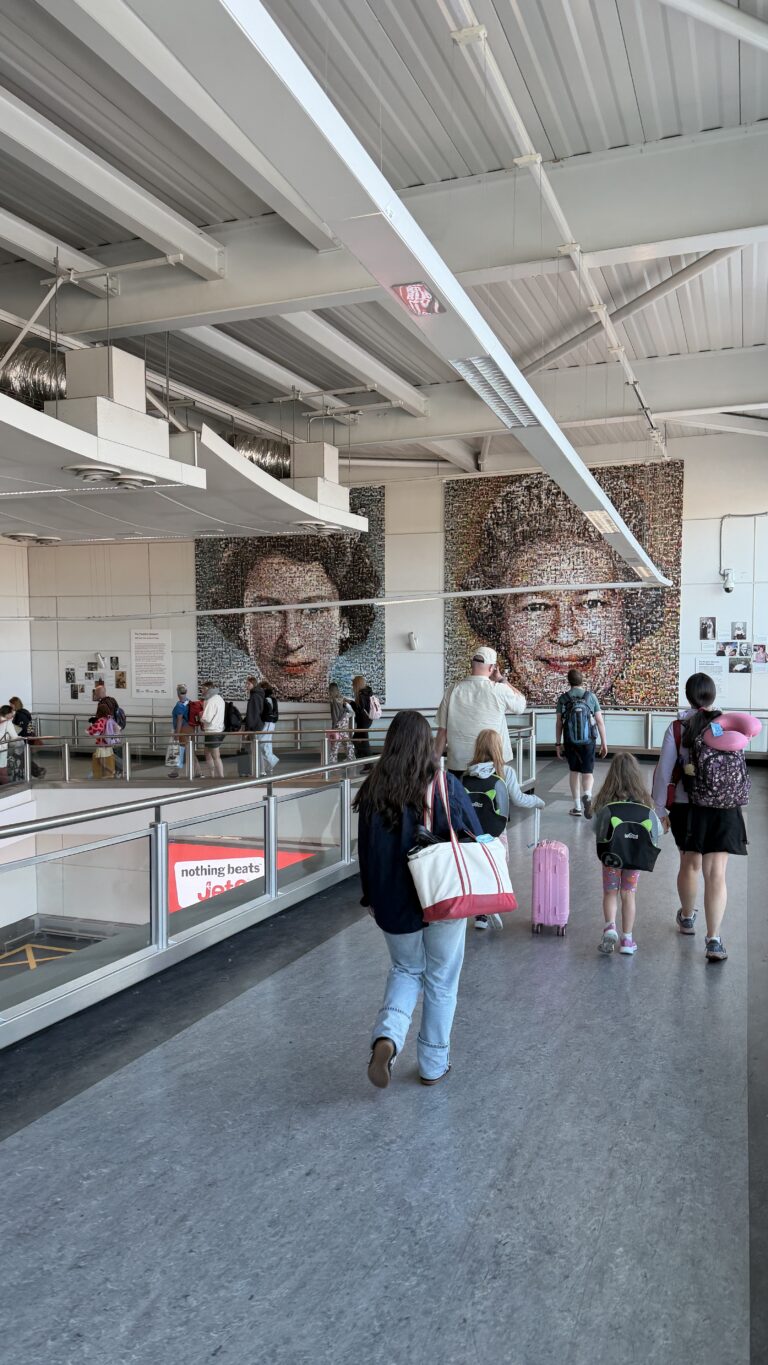
Airports and train stations hold a special kind of energy.
People move toward reunions, holidays, business trips, emergencies, and new lives. Every name on the departure board represents a different story.
When my destination appears, the months of planning collapse into one moment.
The map, saved links, fare alerts, reservations, and nervous questions have brought me here.
I still have not reached the destination. Nevertheless, I have crossed an emotional threshold.
I am no longer merely planning to go.
I am going.
The Journey Begins Before the Wheels Move
Travel is often measured by departure and return dates. Those boundaries make sense for tickets, insurance, and calendars.
Emotionally, however, the journey begins much earlier.
It starts when a place captures my attention. A question turns into research, and research slowly develops into intention.
Travel anticipation gives me something to move toward.
Even before I leave, I learn. The planning process teaches me about geography, culture, history, money, logistics, and myself.
I discover what excites me, which risks I will accept, and what kind of traveler I hope to become.
Dreaming is not separate from the trip. It is the first stage of it.
Possibility Deserves to Be Savored Too
Once a journey ends, I often remember the anticipation with surprising tenderness.
I recall the first time I found the route, the night I booked the ticket, and the conversations that helped the plan take shape.
Those moments mattered because possibility still felt wide open.
The actual trip may become more complicated than the dream. Weather changes, costs rise, and certain experiences disappoint me. Yet, anticipation offered a form of joy before any of that happened.
I do not consider that joy false simply because reality later looked different.
Hope deserves its own place in the story.
It carried me from imagination to action.
Every Journey Starts With Letting Myself Believe It Could Happen
Some trips begin with money already saved and dates that fit neatly into a calendar. Others start under far less certain conditions.
I may not know exactly how I will afford the journey, where I will stay, or which route makes the most sense.
Still, planning allows me to test the possibility.
I research, compare, adjust, and look for creative alternatives. Slowly, an idea begins to hold weight.
Not every imagined trip becomes real. Some plans must wait, while others no longer fit by the time the opportunity arrives.
Even so, I value the dreaming.
It reminds me that my current surroundings do not represent the entire world available to me.
A map can open. A road can appear. Then, one brave click can turn hope into a confirmation number.
That is why travel anticipation counts.
The journey begins the moment possibility becomes real enough for me to plan—and real enough for me to believe that I might actually go.
Explore more personal travel stories, planning resources, and destination inspiration through DG Speaks Travel. You can also discover how food helps me understand a place in DG Speaks Food and read more reflections on identity, people, and belonging through DG Speaks Culture.