The Women Who Make Travel Feel Possible
A few days before one of my solo trips, my phone began filling with messages from women.
One friend sent a screenshot of the airport layout. Another warned me about a train connection that looked simple online but required a long walk between platforms. Someone else reminded me to download my boarding pass, pack snacks, and keep a second credit card away from my wallet.
Then came the message that made me laugh: “Please drink water before you start acting like coffee is hydration.”
That group chat felt like a small travel command center. Nobody boarded the flight with me, yet pieces of their knowledge traveled in my bag.
This is what I mean when I talk about women travel support. It is not always dramatic or sentimental. Often, it appears as a saved address, a safety warning, a packing tip, a joke, or a message that says, “Text me when you get there.”
Before I Leave, the Women Start Building a Net
Travel may look individual from the outside.
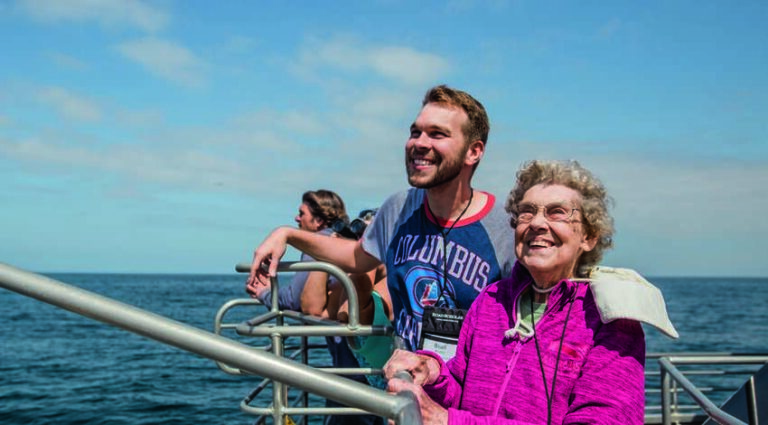
One woman buys the ticket, carries the suitcase, and walks through the airport alone. However, an invisible network often surrounds her before she reaches the gate.
Friends send neighborhood recommendations. Other travelers share honest reviews about hostels, transportation, and places that felt uncomfortable after dark. Women who live at the destination may explain which airport exit makes the most sense or where to find a reliable taxi.
Each detail strengthens the net.
No single message can guarantee a perfect journey. Together, though, they reduce uncertainty. They help me leave with more knowledge than I could have gathered alone.
That support matters because women often approach travel with two realities in mind. We want adventure, freedom, and discovery. At the same time, we understand that safety may require additional planning.
The women around me rarely tell me not to go. Instead, they help me go more prepared.
The Group Chat Becomes an Unpaid Logistics Department
Every women’s travel group chat seems to contain several unofficial specialists.
One person knows airports. Another understands baggage rules. Somebody has already visited the city and remembers exactly which transit ticket to buy.
There is usually a woman who checks the weather more thoroughly than anyone else. She will tell me that the afternoon looks warm but the temperature drops sharply after sunset.
Another friend keeps track of practical details I may overlook while dreaming about the destination.
“Do you have your adapter?”
“Did you check whether the station has stairs?”
“Make sure that hostel has lockers.”
“Send the address in the local language too.”
These messages may sound ordinary, but they prevent real problems.
A destination can become overwhelming when I arrive tired, hungry, and unfamiliar with the local system. One screenshot from a friend may save me from wandering through a station with a heavy bag.
Practical care is still care.
We Pass Advice Like Something Worth Protecting
Women share travel knowledge because many of us learned certain lessons the hard way.
Someone warns me about a poorly lit street because she once walked it alone. Another woman recommends a women-only dorm because a mixed room made her uncomfortable.
She is not trying to frighten me. Instead, she wants her experience to protect someone else.
That exchange connects with my reflections on how community resilience begins before a crisis. Strong communities do not wait until something goes wrong to share resources.
They prepare one another in advance.
Women travel support works the same way. We pass along names, routes, phone numbers, warnings, and workarounds. Knowledge moves from one traveler to another until it becomes part of a larger map.
The advice may begin with one woman’s experience, but it rarely ends there.
Somebody Else’s Mistake Becomes My Shortcut
Travel mistakes can become useful information once someone shares them honestly.
A friend tells me that the budget flight arrives at an airport far outside the city. Another traveler explains that the cheaper train ticket does not include the final connection.
Someone admits that she packed too much and spent the entire trip regretting it.
These stories help me make better decisions.
Travel content often highlights success. We see the beautiful hotel, scenic train ride, and effortless arrival. However, the most useful advice may begin with, “Here is what I wish I had known.”
I appreciate women who tell the unpolished version.
They explain when the hostel felt too loud, the neighborhood seemed isolated, or the walking tour required more stamina than the description suggested.
Honesty does not ruin the dream. It gives the dream stronger legs.
The Screenshot Has Become a Modern Form of Care
I have an entire collection of travel screenshots.
They show train schedules, addresses, directions, restaurant names, reservation details, and messages from women who wanted to make sure I found my way.
Some of those images make sense only to me.
A red circle marks the correct station exit. An arrow points toward a hidden elevator. A note says, “This café has a clean bathroom and outlets.”
These small details rarely appear in polished destination guides.
Yet, they can determine whether a day feels manageable.
The screenshot is practical because it remains available when internet service disappears. Emotionally, though, it also reminds me that someone thought ahead on my behalf.
She imagined me arriving in an unfamiliar place and tried to make the moment easier.
Solo Travel Does Not Mean Unsupported Travel
People often treat solo travel as the ultimate expression of independence.
I understand why. A woman chooses the destination, makes the decisions, and learns that she can navigate unfamiliar situations without waiting for a companion.
That confidence feels powerful.
Still, independence does not require isolation.
I may walk through a city alone while several people know where I am staying. A friend can follow my journey through messages, and another woman may check in after a long travel day.
This kind of support strengthens rather than weakens my independence.
I write more about that balance in my reflection on solo travel confidence and finding my own rhythm. Confidence does not mean refusing help. It means knowing how to use support without surrendering my ability to choose.
I can be self-directed and connected at the same time.
“Text Me When You Get There” Carries More Weight Abroad
At home, a check-in message may feel routine.
During travel, those words carry more emotional weight.
“Text me when you get there” means someone knows I am moving between places. They have noticed the time difference, remembered the route, and expect to hear from me.
That expectation creates reassurance.
When a journey runs smoothly, the message may be simple: “Made it.” If something goes wrong, I already have a person waiting on the other side of the phone.
This connection matters especially during late arrivals.
Airports and stations feel different after dark. Streets may empty, public transportation can slow down, and unfamiliar neighborhoods become harder to read.
Knowing that someone is awake—or will see my message when she wakes—makes the arrival feel less solitary.
Care Moves Easily Across Time Zones
Travel places relationships on unfamiliar clocks.
I may wake when my friends are finishing their day. A message sent from one country arrives during the night in another.
Still, care finds a way to move.
I open my phone in the morning and see that someone checked the weather at my destination. Another woman sent a restaurant recommendation while I slept.
During difficult moments, the time difference can become unexpectedly useful.
Someone at home may already be awake when I face an early departure. A friend in another country might respond when everyone in my usual time zone has gone to bed.
The world begins to feel smaller.
I may be far from home, but I am not outside the reach of community.
Shared Location Is Not the Same as Surrendering Freedom
Technology gives women new ways to stay connected while traveling.
I can share my live location during a late ride, send a vehicle description, or provide the address where I plan to sleep.
These actions do not need to feel controlling.
The difference lies in choice and trust.
I decide who receives my location and for how long. The person following it understands that her role involves support rather than surveillance.
Used thoughtfully, location sharing can create a layer of safety without reducing the freedom that drew me to solo travel.
I also keep important information available outside my phone.
Battery failure, theft, or poor service can make digital tools useless. Therefore, I save addresses offline, carry emergency contacts, and keep copies of essential documents somewhere secure.
Women travel support works best when technology strengthens preparation rather than replacing it.
The Women I Meet on the Road Join the Network
Not every woman who supports my journey knew me before it began.
Some enter the story for a few minutes.
A woman at a station notices that I am confused and explains the platform system. A hostel guest tells me which route feels safer after dark.
Another traveler shares her charger, watches my bag, or walks with me to the next street.
These brief connections remind me that sisterhood does not always require a long history.
Sometimes, one woman recognizes another woman’s situation and responds.
We may never exchange names or speak again. Still, her kindness becomes part of the journey.
I carry the memory forward and look for opportunities to offer the same care to someone else.
Hostel Bathrooms May Produce the Most Honest Advice
Women exchange remarkable amounts of information in shared travel spaces.
A conversation begins while someone brushes her teeth. Soon, another woman is explaining where she found affordable laundry, which tour felt worth the cost, or why she changed accommodations.
These conversations often contain more honesty than official reviews.
Women talk about noise, harassment, sleep, privacy, cleanliness, and whether a place truly feels welcoming to solo travelers.
That information helps me understand what the marketing language leaves out.
When searching for affordable stays, I use Hostelworld to compare properties and read recent traveler feedback. Reviews from other women can be especially useful when I want to understand security, location, and the overall atmosphere.
The property description sells the bed. Women often explain the experience.
We Notice Details That Generic Travel Advice Misses
General travel guidance may explain transportation, major attractions, and local customs.
Women often need additional information.
Does the street remain busy after dinner? Can I reach the hostel without dragging my suitcase up a dark hill? Does the tour end near public transportation?
Are women comfortable sitting alone in local cafés? Which neighborhoods feel lively rather than isolated? Will the accommodation store luggage securely?
These questions do not suggest that women travel in constant fear.
They reflect thoughtful preparation.
Good advice considers the actual experience of moving through the destination, not only the attractions available after arrival.
Women help one another see the spaces between the itinerary items.
A Warning Should Inform Me, Not Shrink My World
Safety advice can support travel. It can also become so overwhelming that it erases the possibility of joy.
Women often receive warnings long before we announce a trip.
People list every crime, danger, and worst-case scenario. Sometimes, the fear comes from people who have never visited the destination themselves.
I try to separate useful information from anxiety passed along as fact.
A specific warning helps me prepare. “Avoid this poorly lit street after the metro closes” gives me something practical to consider.
“Women should not go there alone” requires more examination.
I look at current information, compare several sources, and ask women with firsthand experience. Then, I make my own decision.
Support should expand my ability to move safely. It should not automatically reduce my life to the size of someone else’s fear.
We Teach Each Other How to Be Brave Without Being Reckless
Courage and caution belong in the same suitcase.
I do not prove strength by ignoring every risk. Nor do I protect myself by avoiding every unfamiliar experience.
Women travel support helps me find the middle ground.
A friend may encourage me to take the trip while reminding me to research the arrival. Another woman tells me that the hike feels challenging but manageable with enough water and an early start.
This guidance respects both the dream and the body carrying it.
I appreciate women who do not confuse bravery with performance.
They know that changing a plan can be wise. Leaving an uncomfortable situation does not mean I failed.
Real courage includes the willingness to listen to myself.
Recommendations Carry Trust With Them
When a woman recommends a guide, hotel, restaurant, or experience, she lends some of her credibility to the suggestion.
That trust matters.
I still complete my own research because experiences vary. However, a thoughtful recommendation can help me narrow endless choices.
For tours and local activities, I browse GetYourGuide and compare recent reviews, meeting points, cancellation terms, and activity details.
Afterward, I may ask other women whether the experience felt rushed, culturally respectful, or comfortable for solo travelers.
The platform provides information. Community adds interpretation.
Together, they help me choose experiences that fit my interests, energy, and travel style.
Insurance Is One More Way I Care for My Future Self
Women often support one another by asking the questions excitement makes easy to forget.
“What happens if you get sick?”
“Does your regular insurance cover you abroad?”
“Who will you call if the flight gets canceled?”
Those questions may not feel romantic, but they belong in responsible travel planning.
For international or extended journeys, I may review coverage through SafetyWing. I read the policy details carefully because coverage, exclusions, and claims procedures vary.
Insurance cannot remove every travel risk.
Still, researching it acknowledges that my future self may need help. Preparation becomes another form of care.
Not Every Woman Offers Support in the Same Way
Some women send long messages filled with advice.
Others simply react to a photograph and remind me they are watching the journey unfold. One friend may call often, while another quietly transfers emergency money or shares a useful contact.
Support has different personalities.
I have learned not to measure care through one specific behavior.
A woman managing her own responsibilities may not track every step of my trip. Still, she may answer immediately when something goes wrong.
Another friend expresses love through research. Before I ask, she has already checked transportation options.
Understanding these differences helps me appreciate what each relationship offers.
Community becomes stronger when care does not need to look identical.
Women Also Need Permission to Say They Cannot Help
Support should not become another demand placed on women.
Friends have their own jobs, families, health needs, and emotional limits. They cannot always remain available across every time zone.
I try to ask rather than assume.
“Can I send you my itinerary?”
“Would you be comfortable being my check-in person tonight?”
“Do you have the capacity to help me think through this?”
These questions allow women to participate willingly.
Healthy support includes boundaries.
No one person needs to become my emergency service, travel agent, therapist, and constant companion simply because she loves me.
A wider network distributes care more fairly.
The Journey Continues in the Messages I Send Back
When another woman prepares for a trip, I begin searching my memory.
Which station exit saved me time? Did the hostel feel comfortable? Where did I find the best affordable meal?
I send links, screenshots, and notes.
Sometimes, I hear my friends’ voices inside my own advice.
“Pack lighter.”
“Do not skip breakfast before that hike.”
“Book the first night before you arrive.”
The network continues because travelers return with something to share.
Knowledge grows through movement.
One woman’s journey becomes part of another woman’s preparation.
Seeing Another Woman Go Can Change What Feels Possible
Practical support matters, but representation also carries power.
Watching another woman travel alone can shift something inside me. Her journey does not prove that every destination will feel safe or easy.
However, it expands my imagination.
I see someone navigating airports, walking unfamiliar streets, and solving problems on the road. Suddenly, the experience feels less abstract.
This matters especially for women who rarely see people like themselves represented in travel media.
Age, race, body type, income, disability, and family responsibilities shape which travel stories receive attention.
When diverse women share honest journeys, they create more room for others to picture themselves moving through the world.
Possibility can become a form of support.
The Best Advice Still Leaves Me in Charge
I value the women who guide me without taking over.
They share what they know, explain their concerns, and trust me to decide.
This kind of support respects my adulthood.
It does not treat solo travel as rebellion that needs permission. Nor does it assume I must follow every recommendation to prove I listened.
I may choose a different neighborhood, accept another level of risk, or structure the journey according to my own priorities.
Advice becomes most useful when it strengthens judgment rather than replacing it.
Ultimately, I need to recognize my own voice inside the plan.
The Messages Waiting When I Land
After a long flight, I turn off airplane mode and watch the phone come alive.
Messages begin arriving.
“Did you make it?”
“How was the flight?”
“Send pictures when you settle in.”
That small flood of attention reminds me that departure did not sever connection.
I left one place, but I remained held by people who care about what happens next.
Then, I send the words everyone has been waiting for: “I’m here.”
The journey belongs to me. Still, the arrival feels shared.
A Sisterhood Made of Useful Things
Women travel support does not always announce itself with grand gestures.
It appears in practical magic.
A friend sends the exact train schedule. Another woman explains which hostel room felt safest. Someone reminds me to eat, hydrate, rest, or stop pretending I can carry an overloaded bag without consequences.
Care travels through screenshots, shared locations, voice notes, and check-in messages.
Resources such as Hostelworld, GetYourGuide, and SafetyWing may help me arrange the practical parts of a trip.
Women often support the traveler herself.
They help me remember that solo does not mean alone. My independence can coexist with community, and asking for help does not weaken the adventure.
Every journey I take carries something from the women who helped make it possible.
Their advice travels in my phone. Their concern follows me across borders. Their laughter keeps fear from becoming too powerful.
Then, when another woman begins dreaming about a trip, I open my messages and send the knowledge forward.
Explore more stories about solo journeys, practical planning, and women moving confidently through the world in DG Speaks Travel. You can also read more reflections on relationships and belonging through DG Speaks Culture and discover how shared meals create community in DG Speaks Food.