Amplifying Diverse Voices: The Importance of Inclusive Leadership
Inclusive leadership begins with one honest question: who has a seat at the table, and whose wisdom keeps getting left outside the room?
I have spent much of my career working in communities where the smartest solutions did not always come from the person with the biggest title. Often, they came from the woman farmer, the youth organizer, the teacher, the frontline worker, or the community member who understood the problem because they lived with it every day.
That kind of wisdom deserves more than a polite nod. It deserves influence.
Inclusive leadership is not about checking a box or decorating a brochure with different faces. It is about making better decisions because more people can speak, contribute, question, and shape the outcome.
Inclusive Leadership Starts With Listening
Most people picture leadership as confidence, vision, and quick decision-making. I see something else first. I look for someone who knows when to stop talking and start listening.
An inclusive leader asks better questions before offering solutions. They understand that expertise comes from many places. A degree has value, yet lived experience has value too.
For that reason, listening becomes more than good manners. It becomes strategy. It helps leaders notice what they missed, repair trust, and build solutions people can actually use.
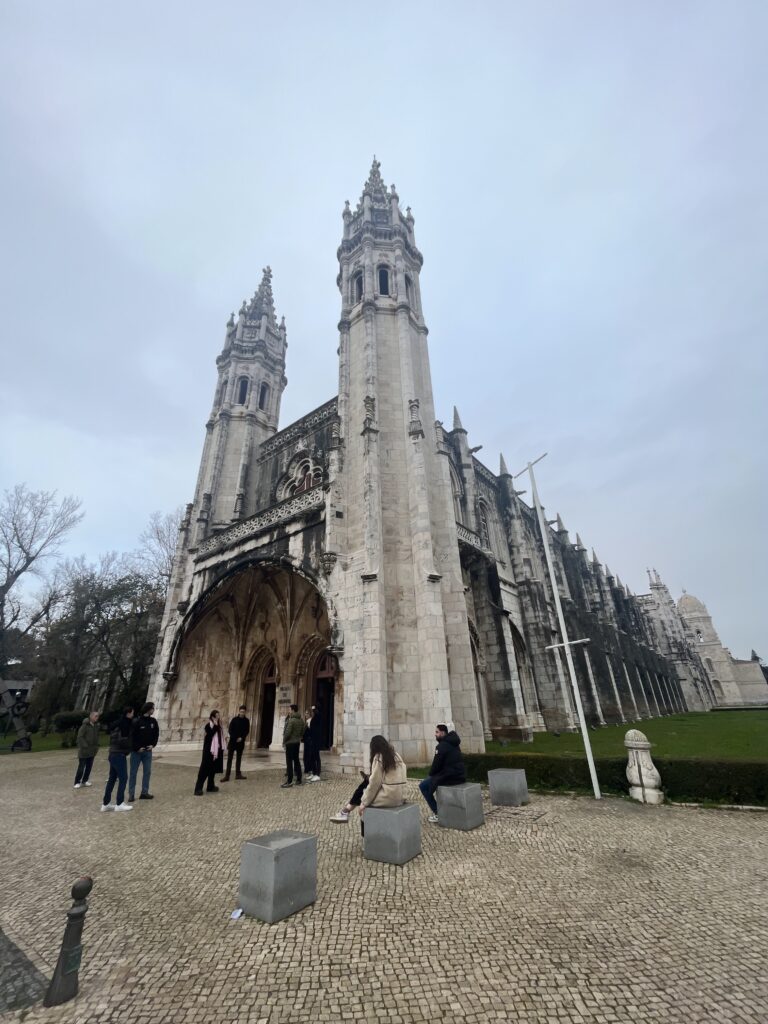
That idea also connects with how I move through the world. In The Kind of Travel That Makes Me Listen, I share why curiosity matters everywhere, not only when we travel.
Different Voices Create Better Solutions
Complex problems rarely have simple answers. Food security, public health, education, climate resilience, and economic opportunity all require more than one point of view.
Put people with different life experiences around one table and the conversation changes. Fresh questions emerge. Blind spots become easier to spot. As a result, solutions grow stronger because more perspectives helped shape them.
Diversity is not limited to race or gender. It also includes age, geography, disability, class, culture, profession, family structure, and lived experience. Every perspective adds another piece to the larger picture.
Without those voices, leaders may move quickly, but they may also move in the wrong direction.
Representation Is Only the Beginning
Putting diverse people in the room matters. Still, presence alone does not equal power.
Too many organizations invite people in, then expect them to stay quiet, soften their truth, or agree with decisions already made. That is not inclusion. That is decoration.
Real inclusion allows people to disagree with respect. It welcomes ideas that stretch the room. It also gives people enough safety to tell the truth before a mistake becomes a crisis.
When leaders only want agreement, they do not get loyalty. They get silence. Eventually, silence becomes expensive.
Communities Thrive When More People Shape Decisions
Over the years, I have watched powerful ideas come from women entrepreneurs, smallholder farmers, young people, caregivers, and local organizers. Many of them did not hold formal titles, yet they understood their communities with remarkable clarity.
Leadership does not only happen in boardrooms. It happens in kitchens, classrooms, farms, markets, neighborhood meetings, and anywhere people decide to solve problems together.
This belief also shapes Food Justice Is a Culture Conversation. Communities become stronger when the people closest to an issue help design the solution.
Inside organizations, the same truth applies. Once people feel heard, they contribute more freely. Better ideas surface. Trust grows because people understand their voices carry weight.
Inclusive Leadership Requires Courage
Let’s be honest. Inclusive leadership is not always comfortable.
Sometimes it means hearing that a policy hurt the very people it was supposed to help. Other times, it means admitting that the old way worked well for some people while leaving others behind.
A courageous leader does not run from that truth. Instead, they make room for it. They ask what needs to change, then they act with integrity.
That kind of leadership matters in business, government, education, nonprofits, and community life. It matters anywhere decisions affect people.
The Future Needs Leaders Who Share Power
The world does not need more leaders who perform inclusion while protecting the same old power structures. We need leaders who understand that sharing power makes the work stronger.
Inclusive leadership creates room for wisdom that institutions often ignore. It helps teams build trust, solve real problems, and serve communities with more care.
So before making the next decision, every leader can ask one simple question: who is missing from this conversation?
Sometimes the smartest person in the room is not the one speaking the loudest. Sometimes it is the person no one thought to invite.
Inclusive leadership begins by making sure that never happens.
Related reading: Women in Food Are Already Holding the World Together, Building a Life That Leaves Room for Wonder, and The Kind of Travel That Makes Me Listen.