Why I Want My Birthday Meals to Mean Something
I have reached an age when I no longer believe every birthday needs to become an event.
A crowded room, elaborate decorations, and a long guest list may create wonderful memories. However, none of those things automatically make a person feel celebrated. Sometimes, the evening becomes another production to organize, another room to manage, or another performance of happiness for everyone watching.
What I want from a birthday feels both simpler and more meaningful.
I want a meal that recognizes the life I have lived and the woman who arrived at this new year. The food does not need to be expensive, rare, or dramatic. Still, it should feel chosen.
A birthday meal can become a pause between the years. It gives me somewhere to sit with what has changed, what remains unfinished, and what I still want to taste, experience, and become.
A Birthday Deserves More Than Going Through the Motions
Birthdays often arrive with familiar expectations. There should be cake, photographs, gifts, messages, and some public evidence that the day mattered.
I enjoy many of those traditions. Yet celebration loses its meaning when I follow a script that has little connection to what I actually want.
Perhaps I do not want a large party. Maybe I would rather sit at one beautiful table, order a favorite dish, and share the evening with people who know how to be present.
On another birthday, solitude may feel more generous than company. Breakfast alone, a long lunch, or dinner in a new city can still honor the occasion.
The day belongs to the person living it.
A Table for the Life I Have Lived
Every birthday marks more than the passing of time.
The year behind me may have included work, travel, risks, disappointments, laughter, illness, recovery, love, uncertainty, and decisions that changed how I see myself. Some victories remain visible. Other forms of progress happened quietly.
A meal gives those experiences a place to settle.
While eating, I can acknowledge what the year required without reducing it to a list of accomplishments. Survival counts. So does choosing differently, setting a boundary, beginning again, or finally admitting that something no longer fits.
The table does not need a speech. Its meaning can live in the decision to pause and recognize that another year of life deserves attention.
Celebration Without Performance
Women often learn how to create occasions for other people.
We remember preferences, plan menus, coordinate guests, purchase decorations, and make sure everyone feels included. Even on our own birthdays, we may find ourselves managing the mood and handling practical details.
That kind of labor can drain the pleasure from the day.
My reflections on women, rest, and why softness is not surrender apply here. A birthday should not require a woman to exhaust herself proving that she knows how to celebrate.
Joy does not become more legitimate because it required weeks of planning.
The Guest of Honor Should Not Disappear Into the Work
A home gathering may feel intimate and personal, but someone still has to shop, cook, serve, clean, and respond when the plan changes.
If the birthday woman performs all of that labor, she may spend the meal checking everyone else’s comfort instead of experiencing her own celebration.
Shared responsibility changes the atmosphere. Guests can bring dishes, refill glasses, handle cleanup, or pay attention when the host has not sat down.
Alternatively, a restaurant may provide the freedom to arrive, order, eat, and leave without facing a kitchen full of work afterward.
The right choice depends on what feels restorative rather than what looks most impressive.
Food Marks the Moment Through Memory
Birthday food often carries history.
A particular cake may recall childhood parties. Seafood might bring back a coastal trip, while steak, champagne, tapas, or a favorite breakfast can connect the present celebration with another meaningful period.
This is one reason food memories continue following us home. Taste provides a direct route to people, places, and earlier versions of ourselves.
At the same time, I do not need to repeat the same meal every year. Tradition can create continuity, while a new dish can reflect curiosity and change.
A birthday table may remember the past and still leave room for a different appetite.
My Appetite Has Changed With Me
What I once considered celebratory may no longer appeal to me.
Perhaps I now prefer a long lunch to a late dinner. A quiet restaurant may feel more inviting than a loud room, while an expertly prepared simple dish can satisfy me more than a crowded buffet.
Age can sharpen preference.
I know more about how certain foods make me feel, which environments allow me to relax, and what kind of company helps a meal become memorable. That knowledge does not make me difficult.
It means I have paid attention.
Pleasure Does Not Need a Defense
Women often receive complicated messages about appetite.
We are encouraged to enjoy ourselves while also remaining disciplined, restrained, and physically acceptable. Even on birthdays, food may arrive with apologies, negotiations, or promises to compensate later.
I do not want every pleasurable meal to become a moral debate.
A birthday dinner can include richness, sweetness, butter, bread, cake, or whatever feels meaningful without turning the plate into evidence of good or bad behavior.
One meal does not define a life. More importantly, pleasure belongs within a life rather than outside it as a reward for perfect discipline.
Simple Can Still Feel Special
Meaning does not depend on price.
A home-cooked breakfast can honor the day as fully as dinner at an expensive restaurant. Soup with excellent bread, a seafood plate, rice and beans prepared with care, or a favorite dessert may carry more emotional weight than a fashionable tasting menu.
The difference often comes from attention.
Use the plate that feels good. Sit down instead of eating while completing another task. Add flowers, music, or a drink you genuinely enjoy.
A simple meal becomes celebratory when it interrupts the ordinary rhythm and says this moment deserves to be noticed.
A Home Meal Can Reflect Exactly What I Want
Cooking at home offers freedom over the menu, pace, music, and guest list.
I can prepare one favorite dish rather than several foods designed to satisfy everyone. When meat fits the meal, ButcherBox may help with planning ingredients in advance.
Still, a birthday dinner should not become a test of culinary endurance.
Store-bought dessert, prepared side dishes, or help from another cook can protect the pleasure of the occasion. The meal remains personal even when every component was not made from scratch.
Care includes recognizing how much work I want to do.
Restaurants Offer Their Own Kind of Freedom
A favorite restaurant can provide a setting where everyone arrives as a guest.
No one needs to clear the dining room, wash cookware, or find enough matching chairs. The experience may also introduce a dish, atmosphere, or level of service that feels different from daily life.
However, the right restaurant matters more than choosing the most expensive one.
I want food I am excited to eat, a noise level that allows conversation, and service that treats the table with warmth rather than rushing us through a schedule.
The room should support the celebration rather than become the reason for it.
Travel Can Turn a Birthday Into a Living Memory
Celebrating in another place adds a new layer to the occasion.
A birthday may include a market visit, cooking class, food tour, boat ride, museum, or neighborhood walk. Experiences found through GetYourGuide can help shape the day when I want local context or an activity beyond the meal.
Travel also changes the birthday story.
Later, I may remember the street outside the restaurant, the language moving around the table, or the dessert I had never tasted before. Place becomes part of the memory.
Even then, I do not need to fill every hour. One meaningful experience and one memorable meal may give the day enough shape.
The People at the Table Matter
Food can be excellent while the company makes the meal exhausting.
Birthdays sometimes bring together people out of obligation, history, or fear that excluding anyone will create conflict. Yet the guest list changes the emotional meaning of the table.
I want company that allows me to relax.
The people present do not need to agree with me about everything. They should, however, respect the person I have become rather than insisting that I remain inside an earlier version of myself.
A birthday table should not require self-protection all evening.
Solitude Can Be a Celebration Too
Not every birthday needs witnesses.
A meal alone can offer clarity, especially after a demanding year. I can choose the restaurant, take my time, read, write, or simply observe the room without managing anyone else’s expectations.
Solo celebration does not automatically signal loneliness.
It may reflect self-trust and the confidence to enjoy my own company. Of course, solitude feels different when it is forced rather than chosen.
What matters is whether the meal gives me the kind of connection—or quiet—I need.
Cake Is Not the Only Way to Mark the Day
Birthday cake carries nostalgia, ritual, and the visual pleasure of candles. I still understand why people love it.
Yet the final course can take many forms.
A favorite pie, fresh fruit, ice cream, pastries, cheese, chocolate, or a beautiful cup of coffee may feel more personal. Someone who does not enjoy dessert may prefer another glass of wine or an extra savory course.
Tradition should create pleasure rather than obligation.
The point is to choose something that makes the ending feel intentional.
Food Tells Part of the Story of Who We Are
Birthdays highlight why food remains central to DG Speaks.
As I explored in why DG Speaks focuses so much on food, meals connect personal life with culture, memory, labor, travel, access, and identity.
A birthday plate may appear private, yet it reflects larger influences.
Family traditions shape the menu. Geography determines which foods feel celebratory, while income, time, health, and access affect what the table can hold.
Every meal exists inside a story larger than itself.
A Birthday Meal Should Honor the Present Woman
Nostalgia can shape a birthday, but I do not want the celebration to focus only on who I used to be.
The present woman has preferences, boundaries, and desires that deserve recognition. She may want a different table, a smaller gathering, or food that no one in the family traditionally served.
Honoring her may require releasing old expectations.
I can appreciate the meals that marked earlier years without repeating them forever. Celebration should evolve because I have evolved.
Another Year, Another Appetite
A meaningful birthday meal offers more than food.
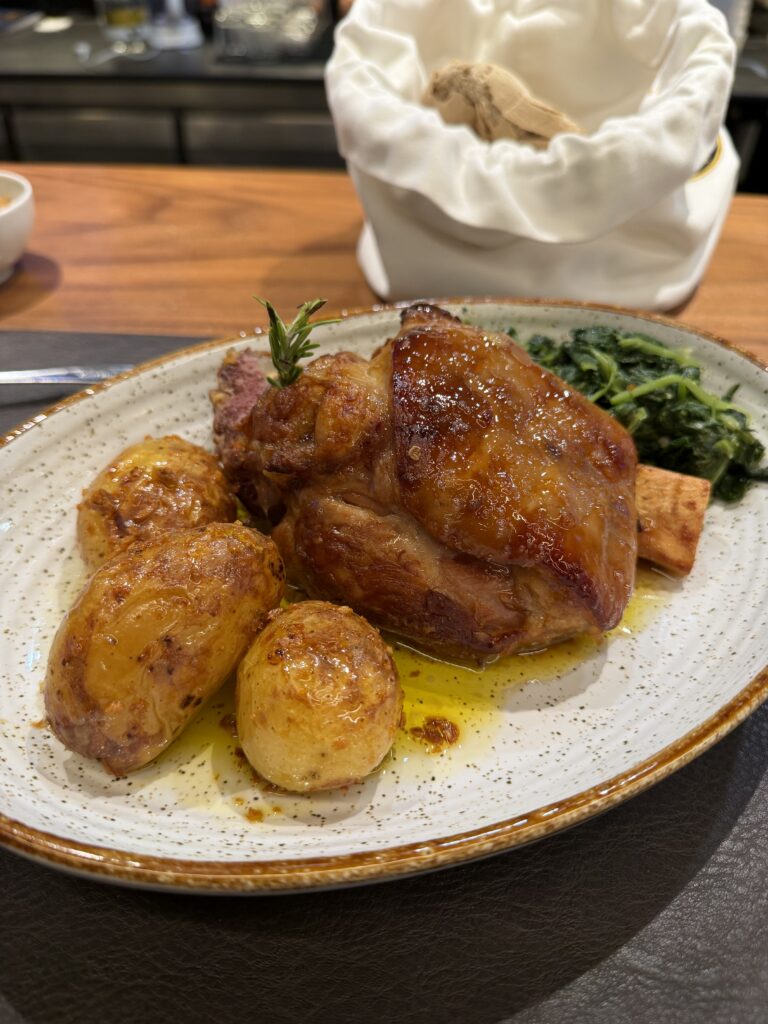
It creates a pause where I can recognize the year I survived, enjoyed, questioned, and learned from. Whether the table holds steak, seafood, tapas, breakfast, cake, or a simple home-cooked dish, the menu should reflect the life being honored.
I no longer want celebration that depends on performance.
The room does not need to be full, and the photographs do not need to prove that I was loved. What matters is whether I feel present, considered, and free to enjoy the day without disappearing into the labor behind it.
Each birthday brings another appetite—not only for food, but for life.
I want new places, deeper conversations, meaningful work, pleasure without apology, and enough rest to recognize what is good while I am living it.
The table cannot provide all of that. Still, it can become a place where I name what I want next.
Another year has arrived.
I intend to keep feeding the woman I am becoming.
Explore more reflections on the meals that shape identity, memory, and celebration through DG Speaks Food. For a deeper look at women’s lives, joy, and the cultural expectations surrounding how we care for ourselves, visit DG Speaks Culture.