Why Cold Fruit Feels Like Summer Mercy
Cold fruit in summer can feel like mercy.
A bowl of watermelon pulled from the refrigerator. Grapes washed and chilled until their skins snap. Peaches cut over the sink because the juice refuses to stay on the plate.
None of it needs much explanation.
When the air feels heavy and the kitchen is too warm, cold fruit offers sweetness, water, color, and relief without asking anyone to stand over a stove.
That simplicity is part of its generosity.
The Refrigerator Changes the Fruit
Fruit at room temperature can be fragrant, soft, and deeply flavored. Cold changes the experience.
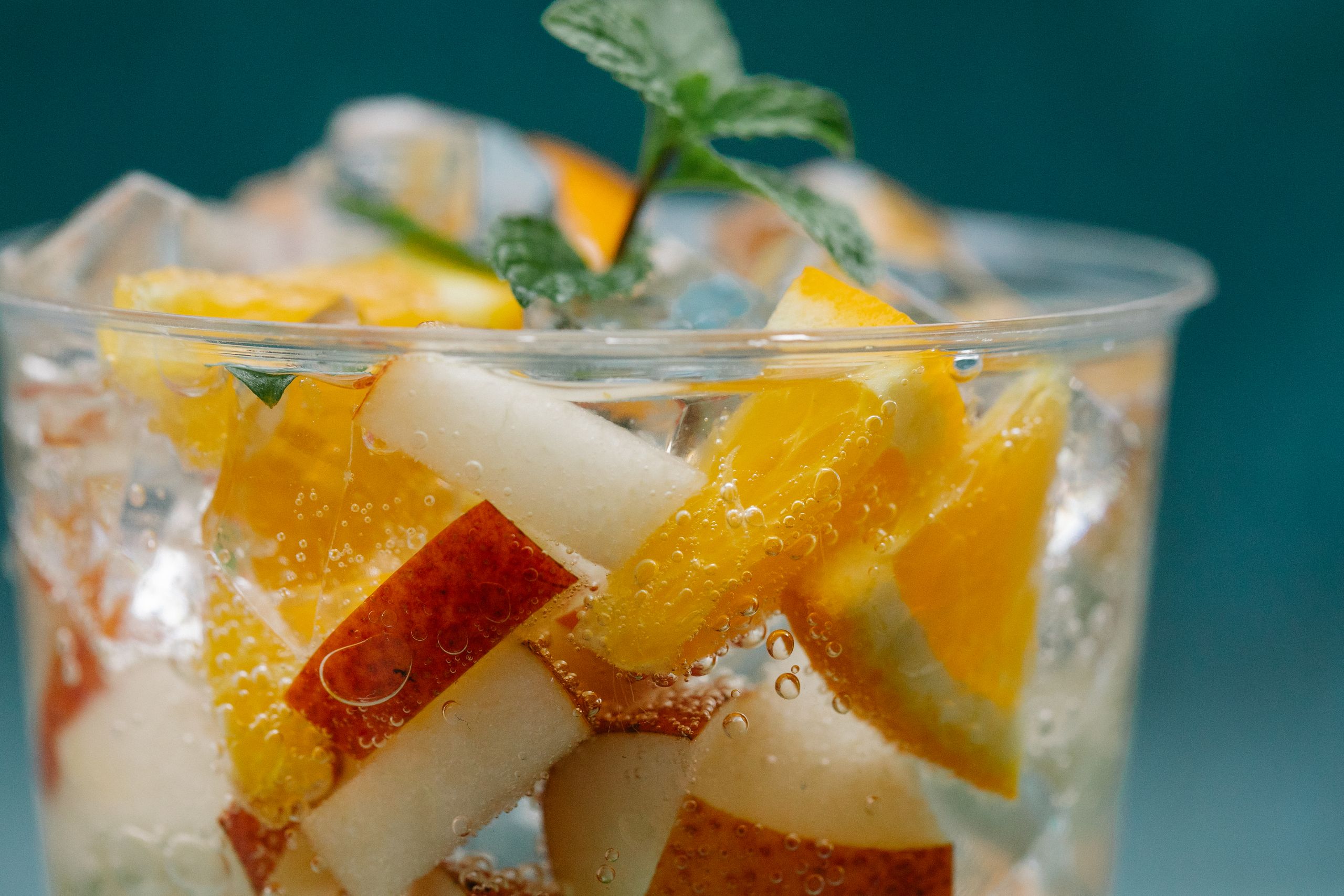
The texture firms. The juice feels sharper, and the first bite cools the mouth before the sweetness fully arrives.
On a hot day, temperature becomes part of taste.
A slice of melon eaten cold does not only taste like fruit. It tastes like the moment when the body realizes relief is possible.
That feeling is small, but summer teaches me not to dismiss small relief.
A Bowl of Fruit Can Be an Act of Care
Someone often prepares the fruit before anyone reaches for it.
They wash the berries, cut the pineapple, peel the mango, remove the seeds, and find a container large enough to hold everything. Later, another person opens the refrigerator and discovers that something cold is already waiting.
The bowl may look effortless because the work happened earlier.
This is how care often appears in families. It arrives quietly, through food made easier to eat.
A whole watermelon can sit untouched for days. Once someone cuts it into pieces, people begin reaching for it.
Preparation creates access.
Fruit Memory Is Often Messy
Some of my strongest fruit memories are not elegant.
They involve sticky hands, wet plates, juice running down wrists, and someone warning children not to sit on the furniture until they wash their fingers.
Fruit was eaten over sinks, outside, or near a trash can because seeds, peels, and pits had to go somewhere.
That mess is part of what makes the memory feel alive.
This connects with the way food memories follow us home. Taste alone does not carry the story.
The story includes hands, weather, voices, surfaces, and the person who decided the fruit was finally ripe enough to cut.
Ripeness Requires Attention
Fruit asks for a kind of knowledge that does not always fit neatly into a recipe.
Color helps, but it is not always enough. A cook may press gently near the stem, smell the skin, listen to the sound of a melon, or remember how long the fruit has been sitting on the counter.
That knowledge often passes between generations without being written down.
Someone says, “Not yet,” and places the fruit back. A day later, the same person picks it up and knows.
Ripeness is both science and familiarity.
Summer Fruit Has Geography
Summer does not taste the same everywhere.
In one place, the season may be defined by peaches, berries, cherries, or watermelon. Somewhere else, mango, papaya, guava, pineapple, oranges, or passion fruit may shape the table.
Climate, soil, migration, trade, and cultural memory determine which fruits feel ordinary and which feel luxurious.
A fruit can also carry distance.
Something associated with childhood may now be imported, expensive, or difficult to find. A flavor remembered as everyday becomes a rare purchase in another country.
That shift changes the emotional meaning of the food.
The Market Shows What the Season Can Really Offer
Markets make seasonality visible.
They show when berries are abundant, when peaches become fragrant, and when the price of one fruit suddenly drops because the harvest has arrived.
The display also reveals what weather has done.
Heat, rain, drought, storms, and transportation problems affect size, quality, price, and availability. A weak harvest may appear through smaller piles and higher costs.
This is why farmers markets carry food stories worth slowing down for. The fruit does not arrive without context.
Its sweetness has a season, but it also has a supply chain.
Cold Fruit Depends on More Than the Harvest
Chilled fruit feels natural once it is inside the refrigerator.
Still, refrigeration requires electricity, equipment, and reliable storage. Not every household has the same access to those things.
A person may live in housing where the refrigerator is small, unreliable, shared, or already crowded. Someone else may buy only what can be eaten that day because there is nowhere to store more.
Cold fruit can therefore represent both seasonal abundance and household infrastructure.
The relief depends on systems that remain invisible until they fail.
Sweetness Is Not Equally Affordable
Fruit is often discussed as though everyone can simply choose more of it.
Price complicates that advice.
Fresh fruit can be expensive, especially when it is out of season, imported, pre-cut, or sold in neighborhoods with limited grocery options.
Time matters too.
Whole fruit may cost less, but it requires washing, cutting, peeling, storage, and cleanup. Pre-cut fruit offers convenience, especially for people with limited mobility, chronic pain, long work hours, or no proper kitchen.
Convenience carries a price because labor has already been added.
Fruit Labor Begins Long Before the Kitchen
Summer fruit often appears cheerful.
Its colors suggest abundance, pleasure, and ease. Behind the display are workers planting, pruning, harvesting, sorting, packing, transporting, and stocking food in intense heat.
Fruit bruises easily and ripens quickly, which creates pressure throughout the supply chain.
Workers must move fast because delay can turn value into waste.
Enjoying fruit does not require turning every bite into guilt. However, I do not want sweetness to erase the labor that carried it to me.
Women Often Turn Fruit Into Something Ready
In many households, women are the ones who make fruit accessible.
They notice what is ripening, remember who likes which fruit, and cut it before it spoils. They pack it for children, place it on the table, and use the soft pieces in smoothies, desserts, sauces, or breakfast.
This management is easy to overlook because the result looks simple.
A bowl of fruit appears.
Yet someone monitored the food, made a decision, and completed the work before waste took over.
Care can look like remembering that the peaches need to be used today.
Cold Fruit Can Replace the Need to Perform
Summer food is often presented as a production.
There are grills, elaborate drinks, outdoor tables, coordinated dishes, and gatherings that require hours of preparation.
Cold fruit resists that performance.
It can be served in the container where it was stored. It does not need garnish, a special platter, or a recipe title.
That lack of ceremony can feel freeing.
Not every seasonal pleasure needs to become an event.
The Best Fruit Sometimes Needs Nothing Else
There is a temptation to improve everything.
Fruit becomes a tart, salad, sauce, drink, or carefully arranged board. Those preparations can be delicious, but they are not always necessary.
A ripe peach already contains its own argument.
Watermelon does not need to become sophisticated to justify its place on the table.
Sometimes honoring the ingredient means stopping before I turn it into a project.
Travel Teaches Me New Versions of Summer
Markets in other places reveal fruits I know in unfamiliar forms.
A vendor may slice mango differently, season fruit with salt or spice, blend it into a drink, or pair it with an ingredient I would not have considered.
Food tours available through GetYourGuide may help travelers understand local markets and seasonal foods, especially when the guide explains the people, history, and agricultural context behind what is being tasted.
The value comes from more than sampling.
I want to understand why the fruit matters there, who grows it, and how it enters everyday life.
Fruit Can Carry Migration and Longing
A familiar fruit can become emotionally powerful when someone lives far from home.
The taste may bring back a courtyard, roadside stand, family kitchen, or tree that once seemed ordinary. Finding the fruit elsewhere can create joy, but the flavor may still feel different.
The variety changes. The ripeness is wrong, or the fruit has traveled too far.
Memory compares the present bite with an ideal version preserved in another place and time.
Food can close distance for a moment without pretending the distance has disappeared.
Cold Fruit Makes Heat More Livable
Summer is often romanticized through vacations, beaches, and long evenings.
Heat can also be exhausting and dangerous.
It changes sleep, appetite, movement, work, and the ability to concentrate. People without reliable cooling experience the season differently from those who can retreat indoors.
Cold fruit cannot solve heat inequality.
It can offer hydration, energy, and a brief physical kindness within a demanding day.
I want to honor that relief without asking it to carry more meaning than it can.
There Is Wisdom in Eating What Is Ready
Seasonal eating is often described through discipline.
People are told to shop correctly, plan carefully, and build menus around what is local.
I think there is another lesson inside it.
Eating seasonally can mean responding to what is ready rather than forcing every desire to be available all year.
It asks me to notice abundance while it is present.
Peaches will not remain perfect indefinitely. Berries soften. Watermelon loses its crispness, and mango moves quickly from firm to fragrant to overripe.
The season offers a window rather than a permanent supply.
Waste Is the Other Side of Abundance
Fruit can disappear quickly at a gathering and still spoil untouched in a refrigerator.
Buying too much is easy when the display looks beautiful or the price seems unusually low.
Then the week changes.
Plans shift, people eat less than expected, and the fruit becomes softer each day.
Using what I buy may mean freezing it, blending it, cooking it, sharing it, or accepting that the appearance has changed while the food remains usable.
Seasonal abundance deserves attention after it comes home.
A Small Relief Is Still Worth Honoring
I do not need every food memory to become profound.
Sometimes the meaning is simply that the day was hot and someone handed me something cold.
The fruit was sweet. My body needed water, and the first bite made the heat feel less aggressive.
That is enough.
Care does not always arrive as a major gesture. It may be a bowl taken from the refrigerator, a napkin placed nearby, or the last piece saved for someone who has not come home yet.
Cold Fruit Is One of Summer’s Kindest Foods
Cold fruit carries season, memory, labor, and relief.
It can remind me of family tables, childhood summers, distant climates, and the person who always knew when the melon was ready.
It can also reveal who has access to fresh food, refrigeration, time, and the labor required to prepare it.
I want to hold all of that without making the pleasure disappear.
Summer can be demanding. The heat can make the body feel slow, impatient, and tired.
Then someone opens the refrigerator.
Inside is a bowl of fruit, already cut, already cold, and ready to be shared.
For a moment, the season becomes easier to bear.
That small mercy deserves to be noticed.
For more stories about seasonal food, markets, memory, and the everyday dishes that connect us to place and time, explore DG Speaks Food.