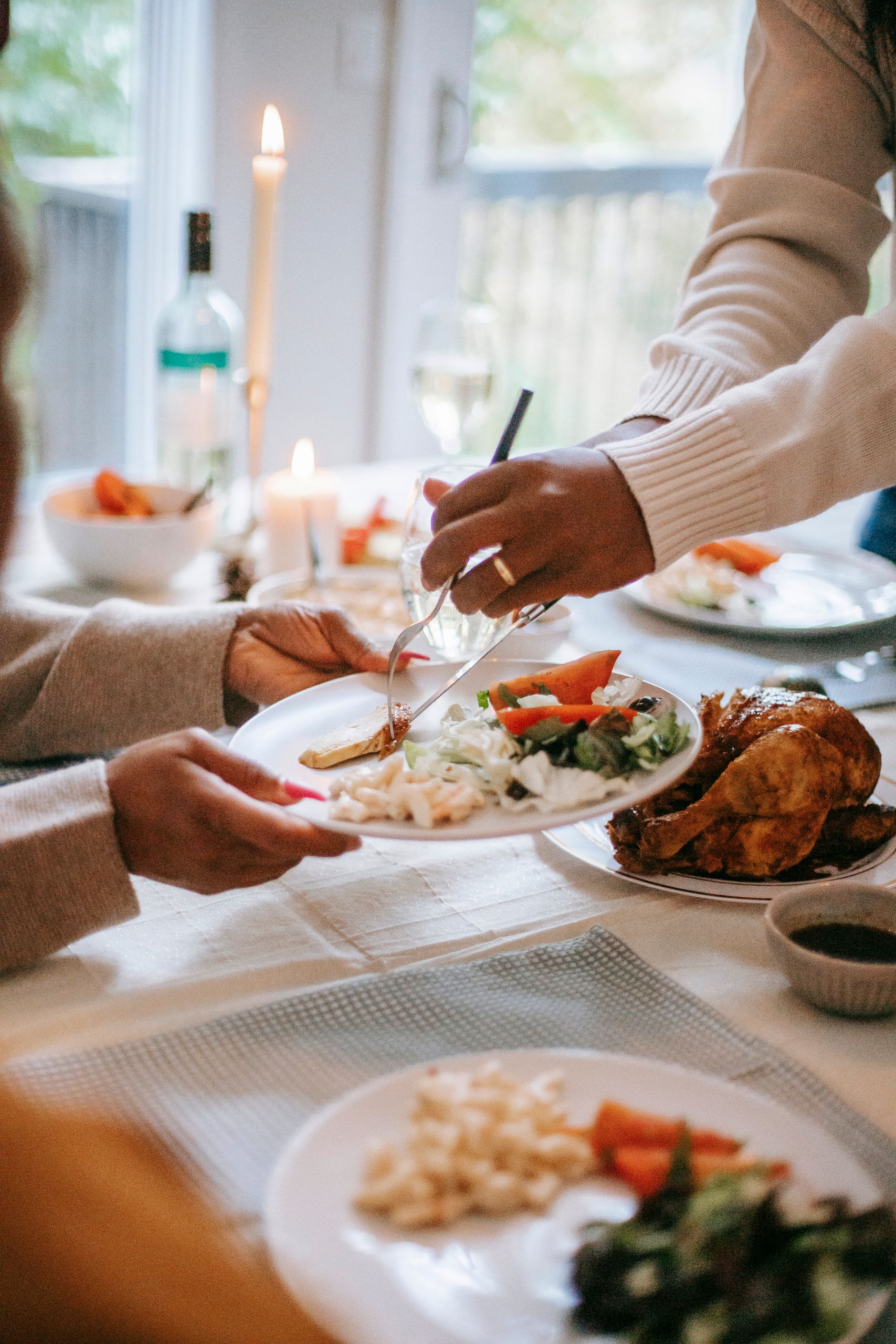
What a Second Serving Says About the Table
I notice the moment someone decides to go back for more.
The first plate may have been polite. The second is usually more honest.
A person has tasted the food, settled into the room, and decided that appetite can be visible here. That small return to the serving dish tells me the meal did more than fill a plate.
Second servings can express pleasure, trust, comfort, and the feeling that nobody needs to pretend they are less hungry than they are.
The First Plate Can Be Formal
People often approach the first serving carefully.
Guests may take modest portions because they do not know how much food is available. Someone may worry about appearing greedy, while another person wants to make sure everyone else eats first.
The first plate is shaped by manners, uncertainty, and observation.
By the time the serving spoon comes around again, the room usually feels different. People understand the meal, the host, and the amount of food remaining.
A second helping can therefore feel more relaxed than the first.
Appetite Needs Permission
Many people have learned to hide hunger.
Women, in particular, often receive conflicting messages about appetite. We are expected to enjoy food while remaining restrained, grateful, and physically acceptable.
A table that welcomes appetite creates relief.
No one comments on the size of the portion. Nobody turns the meal into a discussion about weight, discipline, or what someone should compensate for later.
Food becomes nourishment and pleasure rather than evidence.
The Serving Dish Creates Reassurance
There is comfort in seeing food remain after everyone has received a first plate.
The full pot or serving bowl communicates possibility. Another spoonful is available, and asking for it will not deprive someone else.
That reassurance matters because scarcity changes the emotional experience of eating. When people are unsure whether there is enough, they may calculate every portion rather than taste the meal.
Generosity begins with enough food, but it also includes making that enough visible.
The Cook Often Knows Before Anyone Asks
An experienced cook may recognize the signs.
The plate empties quickly. Someone slows down near the final bite, or glances toward the pot before deciding whether to speak.
A host might simply ask, “Would you like more?”
That question can remove embarrassment. It turns appetite into something expected rather than something a guest must defend.
Hospitality often lives in these small acts of attention.
Second Servings Can Become Food Memory
Some dishes are remembered because people always wanted another helping.
A particular stew, cake, plate of greens, or pot of beans becomes linked to abundance and comfort. The memory includes not only taste, but also the relief of knowing more was available.
This is why food memories continue following us home. We remember who encouraged us to eat, who saved the best piece, and who made enough for people to return.
The second serving becomes part of the story.
Enough Food Requires Planning
Generosity does not happen by accident.
The cook estimates portions, considers appetites, and decides which dishes can stretch. Time, money, storage, equipment, and ingredients all shape the final amount.
Making enough for seconds requires skill.
That skill should not be confused with endless capacity. A cook may be generous and still have limits.
The meal becomes more sustainable when other people help with shopping, preparation, serving, and cleanup.
A Full Pot Can Still Hide Unequal Labor
Abundance at the table may depend on one person’s exhaustion.
Someone shopped, chopped, stirred, watched the stove, and timed every dish. Afterward, that same person may pack leftovers and wash the cookware while everyone else continues talking.
A second serving feels less generous if the person who prepared it never gets to sit down.
Gratitude should move beyond compliments. Guests can clear plates, store food, refill drinks, and handle the final cleanup.
Care becomes more complete when the labor is shared.
Generosity Does Not Need Luxury
Food that invites return does not have to be expensive.
Beans, rice, pasta, greens, soup, chicken, bread, curry, stew, or cake can all create the feeling of abundance.
The value often comes from seasoning, care, and the amount available rather than the price of the ingredients.
A simple dish can become unforgettable when it is served warmly and without judgment.
Stretching Food Is Both Skill and Pressure
Cooks have long known how to extend meals.
Broth, grains, vegetables, beans, and smaller amounts of meat can create satisfying food for many people. These methods reflect knowledge and resourcefulness.
Still, I do not want to romanticize the pressure to make too little feed too many.
A household should not have to depend on one person performing miracles because food costs, wages, or access leave no margin.
Community care matters, but structural scarcity should not be treated as a beautiful tradition.
Second Helpings Require Fairness
Going back for more feels good only when everyone has eaten.
A thoughtful table notices who has not yet been served. Children, elders, quiet guests, and the cook should not be overlooked while the most confident people take additional portions.
Fairness does not require rigid policing.
It requires attention. People look around, ask questions, and make sure the meal has reached everyone before the final piece disappears.
The Cook Deserves a Second Serving Too
The person who prepared the food often eats last.
By then, a favorite part may be gone, the meal may have cooled, or everyone else may be leaving the table.
A generous gathering should protect a portion for the cook.
That small choice recognizes that nourishment belongs to the person who created the meal as much as it belongs to the guests.
Some People Need Encouragement to Take More
Not everyone feels comfortable asking.
A person may have grown up in a household where food was limited, or where taking too much brought criticism. Another guest may worry about being judged.
A direct invitation can help.
“There is plenty” carries meaning when it is true. It tells the person that appetite will not create conflict.
Second Servings Can Express Cultural Hospitality
Across many cultures, offering more food communicates care.
Hosts refill plates, add another spoonful, or send guests home with containers. Refusing may even require several attempts because the offer is part of the social language of welcome.
Travel can reveal how these practices differ.
Food tours and cooking experiences found through GetYourGuide may offer context for local traditions. A thoughtful guide can explain how serving order, shared dishes, and repeated offers function within a community.
However, one meal cannot explain an entire culture. Curiosity should remain humble.
At Home, Ingredients Set the Foundation
A hearty meal begins with ingredients that match the dish and the number of people expected.
When meat fits the menu, ButcherBox may provide one source for planning meals at home.
Still, the table does not need to center meat. Vegetables, grains, beans, bread, and sauces can create just as much satisfaction.
The dish succeeds when people want to return because the whole meal works together.
Leftovers Extend the Invitation
Second servings do not always happen at the table.
A bowl packed for tomorrow can become another form of return. Someone reheats the meal and receives comfort again.
Leftovers may also travel to a neighbor, relative, or guest who could not attend.
This connects with the ways community resilience begins before a crisis. Food-sharing relationships become stronger through ordinary practice.
When difficulty arrives, people already know how to feed one another.
Food Safety Still Matters
Generosity includes storing food safely.
Hot dishes should not remain at room temperature for hours while everyone talks. Leftovers need proper containers, timely cooling, and safe reheating.
This practical care protects the meal beyond the first serving.
Hospitality should leave people nourished, not ill.
Second Servings Are Not Always About Hunger
Sometimes people return because the dish is delicious.
At other times, the second serving allows them to remain connected to the gathering. The meal slows departure, extends conversation, and gives the person another reason to stay at the table.
Food becomes part of the social rhythm.
The extra spoonful carries time as well as flavor.
The Table Should Make Room for No
Welcoming appetite also means respecting fullness.
A guest should be able to decline another serving without offending the cook or explaining her body. Generosity becomes pressure when refusal is treated as rejection.
A good host offers, then listens.
The table should make room for more and enough.
A Dish Worth Returning To
The meals people remember are not always the most elaborate.
They may remember a bowl of pasta, warm bread, seasoned rice, or cake cut into generous slices. What mattered was the feeling that the food had been prepared with room for appetite.
A dish worth returning to creates trust.
It tells guests they do not need to ration pleasure or perform restraint.
What a Second Serving Says
Second servings say more than “the food tasted good.”
They can say the room feels safe, the cook made enough, and appetite is welcome. They may also say that someone wants to stay a little longer.
I love food that invites return because it creates a language of care I understand.
The plate comes back around. The serving spoon enters the dish again, and the room settles more deeply into itself.
True generosity does not force anyone to eat. It simply makes more available and removes the shame from asking.
That is what I want from a table: enough food, shared labor, attention to everyone present, and space for a person to say, without embarrassment, “Yes, I would like another serving.”
For more stories about comfort food, hospitality, food memory, and the cultural meaning of everyday meals, explore DG Speaks Food.