The Farmers Market Bag That Tells on Me
I once arrived at a farmers market carrying a short, sensible list. I needed greens, herbs, and perhaps something easy to cook for dinner. The plan felt practical enough to keep me focused.
Then I saw the berries.
They sat in small containers near the edge of a table, darker and softer than anything I had seen at the grocery store that week. A loaf of bread caught my attention next. Fresh flowers appeared a few stalls later, followed by a bunch of herbs whose scent reached me before I stopped walking.
By the time I left, the greens were still in my bag. They simply had more company than I intended.
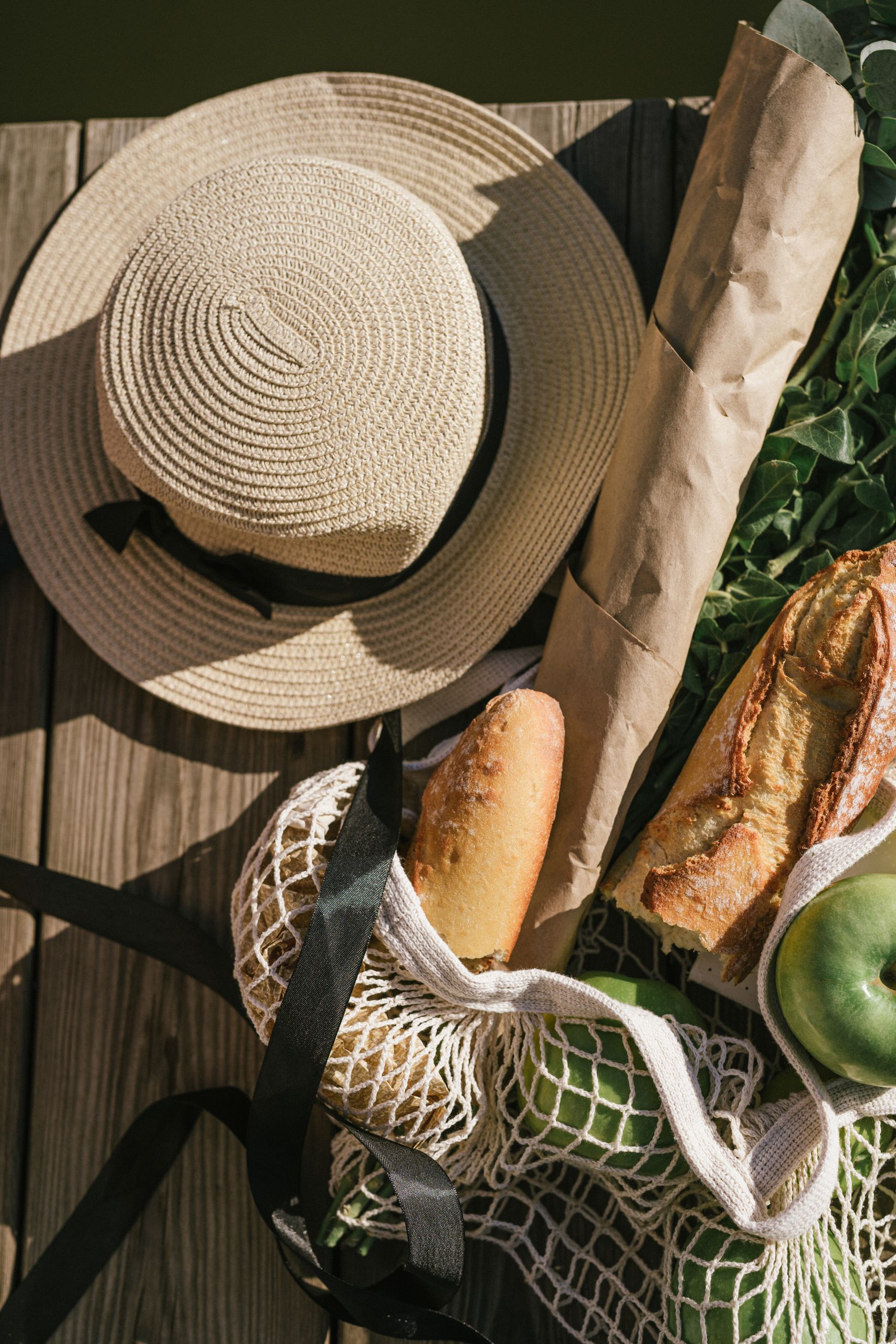
My farmers market bag always tells on me. I may arrive with a list, but the bag reveals what actually moved me.
What I Thought I Came For
A shopping list gives the visit structure. It reminds me what the kitchen needs and helps protect the budget from every beautiful display that asks for attention.
Markets rarely cooperate completely with that level of certainty.
Something I expected to buy may look tired or cost more than I planned. Meanwhile, an ingredient I never considered appears at its best, grown nearby and available for only a short time.
That tension between intention and discovery creates much of the pleasure. I still need enough discipline to avoid buying food I will not use, but I also want enough openness to let the season revise the plan.
Some of my best meals begin with a small departure from what I thought I needed.
The Fruit That Changed the Plan
Seasonal fruit has a particular ability to interrupt certainty.
A peach can smell like summer before I bring it close. Berries appear delicate enough to require immediate attention, while apples carry the first suggestion that the weather will soon change.
When fruit reaches the market at the right moment, the decision feels less like shopping and more like recognizing an opportunity.
I begin imagining breakfast, dessert, or the possibility of eating it exactly as it is. The meal plan shifts because the ingredient offers something that may not remain available for long.
This is part of what I value in farmers market stories worth slowing down for. The produce creates the first invitation, but conversation often gives the ingredient context.
A farmer may explain which variety ripened first, how the rain affected the crop, or why the flavor differs from what shoppers usually find in stores. That information changes what I notice when I finally taste it.
A Bag Full of Season and Mood
What I carry home says something about the day.
Fresh herbs suggest optimism. I imagine having enough energy to chop, season, and prepare something slowly. Bread may signal that I want comfort, while flowers reveal a desire to make the room feel different even though they will never become part of dinner.
Sometimes the bag reflects hunger. On another morning, curiosity makes most of the decisions.
Weather influences the choices too. Cool air draws me toward squash, greens, roots, and ingredients that can simmer. Heat encourages fruit, crisp vegetables, and food that requires less time near the stove.
The market bag becomes a record of season and mood. It shows what looked fresh, what felt comforting, and what kind of life I imagined living when I chose it.
Markets Make Seasonality Visible
Grocery stores can make abundance appear constant. Many ingredients remain available throughout the year, even when they traveled long distances or grew under conditions far removed from the current season.
A farmers market often presents sharper limits.
One week brings more berries than I know what to do with. A few visits later, they disappear. Greens become sweeter after cooler weather, and one crop arrives late because the season did not unfold as expected.
Those changes reconnect food to time.
Seasonality stops feeling like a culinary trend and becomes a practical reality shaped by soil, rain, heat, labor, pests, and risk. The market cannot offer what the land did not produce.
That limitation makes abundance feel more specific. I appreciate the ingredient because I understand that availability carries a beginning and an end.
The Conversation May Be the Best Thing I Bring Home
Farmers markets create opportunities for questions that would feel impossible in a larger retail setting.
I can ask how someone prepares a vegetable, whether an herb tolerates freezing, or why two varieties of the same fruit taste so different. The answer often includes more than cooking advice.
A vendor may describe a family recipe, a difficult harvest, or the reason she chose to grow something shoppers rarely recognize. Those exchanges add human knowledge to the purchase.
Not every vendor has time for a long conversation, especially during a busy morning. Respect means noticing the pace of the stall and understanding that selling food remains work.
Still, even a brief explanation can change what happens in my kitchen later.
I remember the person alongside the ingredient.
Food Memory Starts While I Am Still Shopping
Some food memories begin before the first bite.
The scent of herbs, the color of fruit, or a conversation across a market table can become attached to the meal before I cook it. By the time the food reaches my plate, it already carries the morning with it.
This connects with how food memories continue following us home. Flavor matters, but memory often gathers around the entire experience.
I may remember the heat of the day, the musician nearby, the farmer who insisted I taste something, or the moment I abandoned my list because the peaches smelled too good to ignore.
The ingredient becomes easier to remember because it arrived with a story.
Buying Local Does Not Automatically Make a Purchase Ethical
Farmers markets often carry positive language about community, sustainability, and supporting local businesses. Those values matter, but the label “local” cannot answer every question.
Small farms still face labor concerns, financial pressure, land inequity, and barriers to capital. Some vendors grow everything they sell, while others may resell products from another source.
Price also shapes access.
Fresh local food can cost more because small producers lack the scale, subsidies, or distribution systems available to larger operations. At the same time, shoppers with limited budgets cannot always choose the option that best aligns with their values.
I do not want to turn market shopping into a moral performance.
Supporting local producers when possible can strengthen regional food systems. Honest engagement also requires attention to affordability, worker conditions, public investment, and who can participate in the market as a seller or customer.
The Market Should Feel Welcoming to More Than One Kind of Shopper
Some markets feel designed for leisure. People browse slowly, buy prepared food, listen to music, and treat the visit as part of the weekend.
That atmosphere can be joyful, but it may also create an unspoken image of who belongs.
Families using food assistance, older adults, workers shopping between shifts, and people who speak different languages should not feel that the market exists mainly as entertainment for wealthier visitors.
Programs that accept and expand nutrition benefits can make fresh food more accessible. Clear prices, practical portions, seating, shade, and public transportation matter too.
A thriving market serves as both a cultural gathering place and a functioning source of food.
The community becomes stronger when more people can buy, sell, gather, and feel comfortable there.
Travel Markets Require Curiosity Without Performance
Markets often become one of my first stops while traveling.
They reveal what grows nearby, which foods appear in daily cooking, and how residents move through an ordinary part of the city. A market can offer more practical cultural insight than an attraction designed entirely for visitors.
Food experiences through GetYourGuide can add useful context when local guides explain ingredients, regional agriculture, migration, and market customs.
Respect still matters when the space attracts tourists.
Vendors are working, not performing for my camera. I try to ask before photographing people closely, avoid blocking customers, and buy something when I spend meaningful time at a stall.
The goal is not to collect colorful images of local life. I want to understand how the market functions for the people who rely on it.
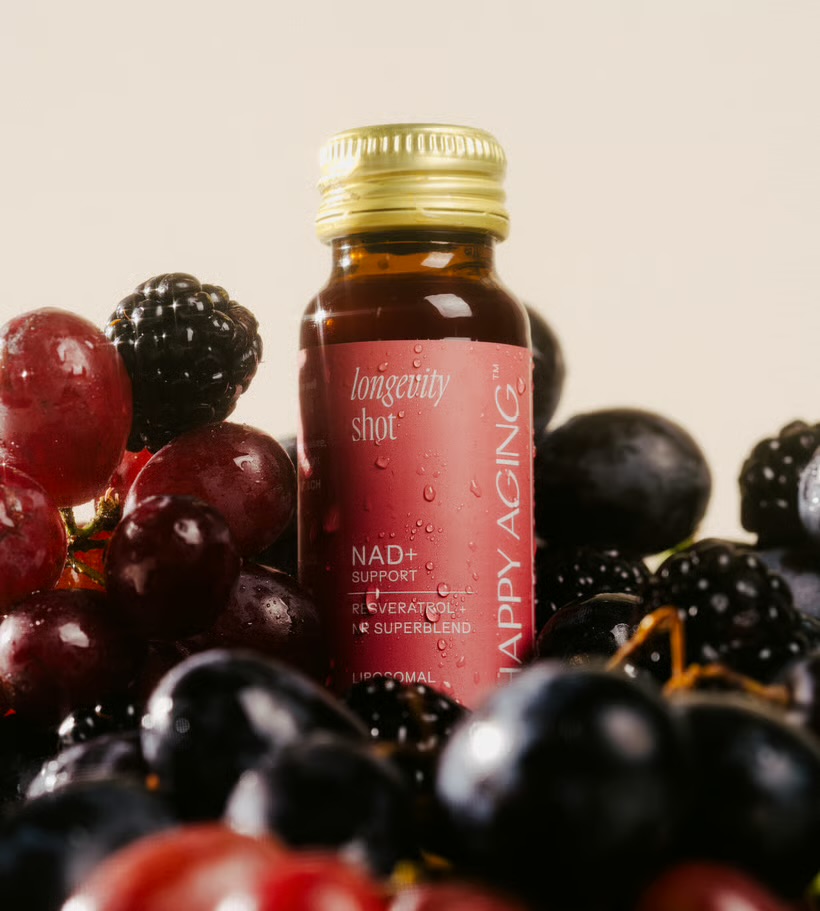
A DG Speaks Recommendation
I want more years to wander through markets, cook with the seasons, and stay connected to the food that nourishes me
I partnered with Happy Aging to share products that support energy, vitality, and an active life rooted in nourishment, curiosity, and everyday pleasure.
Cooking Begins With What Needs Attention First
Once I return home, the romance of the market meets the reality of the refrigerator.
Some ingredients can wait. Others need immediate care.
Delicate greens should be washed or stored properly. Berries may need to be eaten quickly, while herbs benefit from a little preparation before they disappear beneath everything else.
I try to build the first meal around whatever feels most fragile.
That approach reduces waste and encourages creativity. Instead of forcing every item into the plan I made before shopping, I let freshness establish the order.
The dinner may begin with vegetables from the market and a protein already waiting at home. When meat fits the meal, selections from ButcherBox can help me keep options available without another shopping trip.
The service supports convenience. The farmers market brings the season into the kitchen.
Spontaneity Still Needs a Plan
A beautiful ingredient can inspire me at the stall and become a source of guilt three days later.
Good intentions do not prevent food waste.
Before buying something unexpected, I try to imagine one realistic use. Can I eat it raw, add it to breakfast, freeze it, roast it, or build tomorrow’s dinner around it?
The question does not remove spontaneity. It gives the ingredient a better chance of becoming food instead of compost.
I also need to know my actual schedule. A week filled with meetings or travel cannot support the same market bag as a quiet stretch at home.
Buying for the life I expect to live works better than shopping for an ideal version of myself who cooks every night.
The Antidote Is Flexible Intention
Too much planning can make market shopping feel rigid. Too little can leave the kitchen crowded with ingredients that never become a meal.
Flexible intention offers a middle ground.
I arrive knowing what I need, what I can spend, and how much food the week can realistically hold. Then I leave enough room for one or two ingredients to change the plan.
That structure protects both pleasure and practicality.
The list keeps me grounded. Curiosity keeps the visit alive.
Neither needs to defeat the other.
Cooking From What Followed Me Home
When I unpack the bag, the purchases rarely look as random as they seemed while I was walking from stall to stall.
The bread belongs with the herbs. Greens suggest a simple dinner, while fruit waits for breakfast or disappears one piece at a time before I cook anything at all.
Flowers change the table even though they never reach the plate.
My farmers market bag becomes a small edible diary. It records what the season offered, what the vendors taught me, and what I believed I might want to cook once I returned home.
Sometimes the bag reveals appetite. On another day, it exposes nostalgia, optimism, or the desire to make ordinary life feel more beautiful.
Cooking from what followed me home feels more alive than forcing every ingredient into an old plan.
The market gives me limits, surprises, and a reason to pay attention. My kitchen gives those discoveries somewhere to land.
I may arrive with a list, but I leave with a story about what caught my eye, changed my mind, and asked to come home with me.
The bag always tells the truth.
Continue exploring stories about seasonal food, local markets, food culture, and the people who shape what reaches our kitchens through DG Speaks Food.