Food Culture Teaches Us Who We Are
Food culture is never just about what lands on the plate. It tells us who had land, who lost land, who migrated, who adapted, and who kept a family alive with whatever was available.
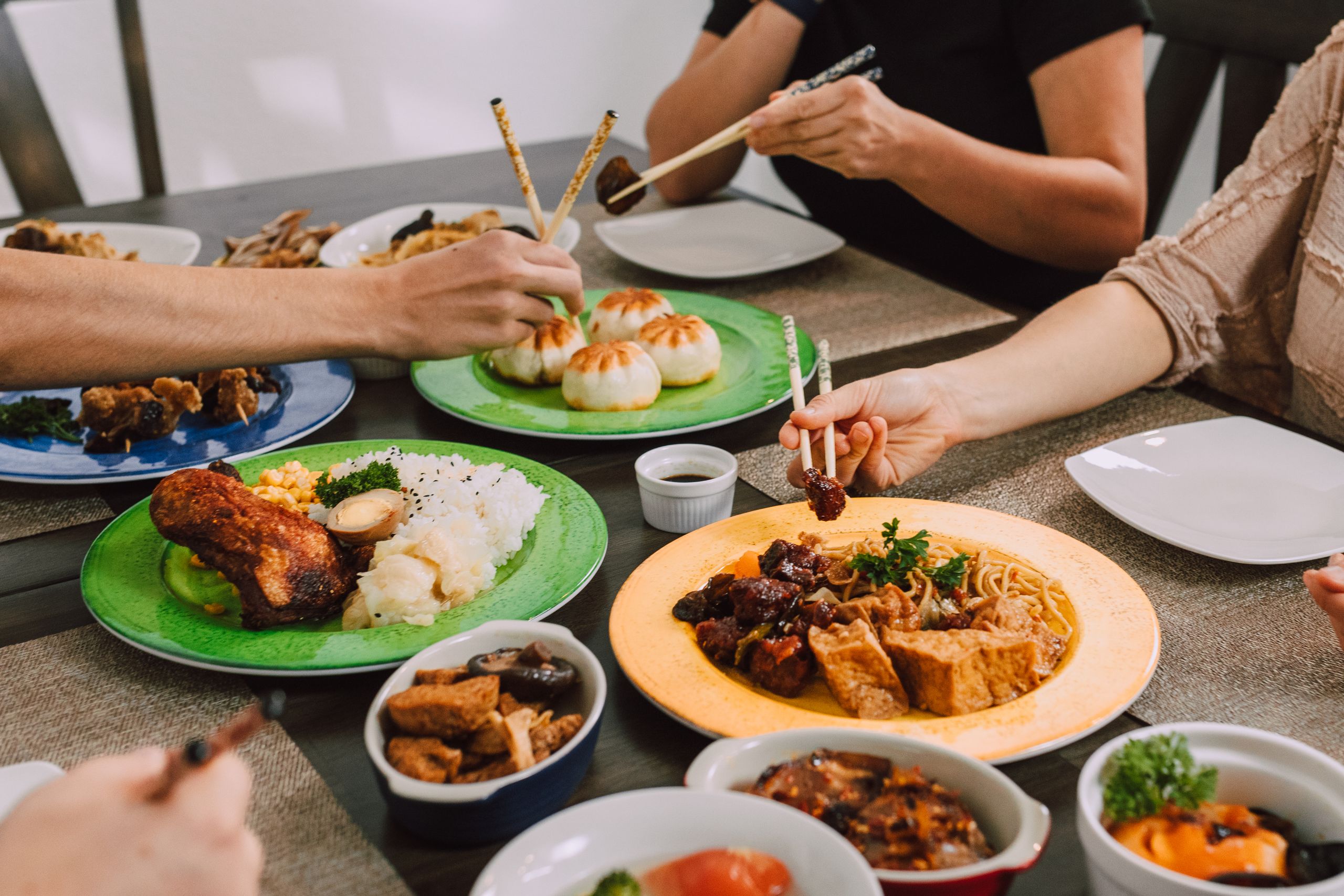
I think about that every time I sit at a table where the food carries more history than the conversation. Somebody may call it a simple meal. However, I know better. Beans, rice, greens, fish, plantains, cornbread, soup, and stewed meat all come with stories. They reveal where people have been, what they endured, and what they carried with them.
That is one of the reasons I write so much about food on DG Speaks. I am rarely interested in a dish for its flavor alone. Instead, I want to understand the people behind it. Every recipe is part history book, part migration map, and part family archive.
Food Culture Begins at Home
Growing up between Black Southern traditions and my Afro-Latina heritage taught me to listen to food differently. I learned that seasoning is memory. Every cook has a reason for doing things a certain way. Some people cook from recipes. Others cook from muscle memory, grief, joy, and the determination to stretch a meal just a little further.
That is why I care about food culture so deeply. It helps us understand people before we judge them. It also reminds us to honor the women who nourished families and entire communities long before anyone recognized their knowledge as expertise.
When I write about food on DG Speaks, I am not chasing trends. I am chasing meaning. I want to know who grew the food, who prepared it, who profited from it, and whose contribution disappeared from the story. Those questions matter just as much as the recipe itself.
A Plate Can Hold an Entire Migration Story
Many of our favorite meals were born from movement. Sometimes that movement came through exploration or opportunity. Other times it came through enslavement, colonization, poverty, displacement, or survival. Even so, people transformed hardship into beauty. They created extraordinary flavors from limited ingredients and built community around gardens, kitchens, markets, and roadside stands.
That reality matters because food culture often teaches history more honestly than a textbook. The story of the African diaspora lives in kitchens. The history of Latin America lives in kitchens. The American South tells its story through kitchens as well. If we pay attention, food becomes another language for understanding the world.
I have seen this firsthand while working in countries across Africa, Latin America, and the Caribbean. Although the ingredients change from place to place, the themes remain remarkably familiar. Food preserves identity. It strengthens community. It carries culture across generations, even when everything else has been lost.
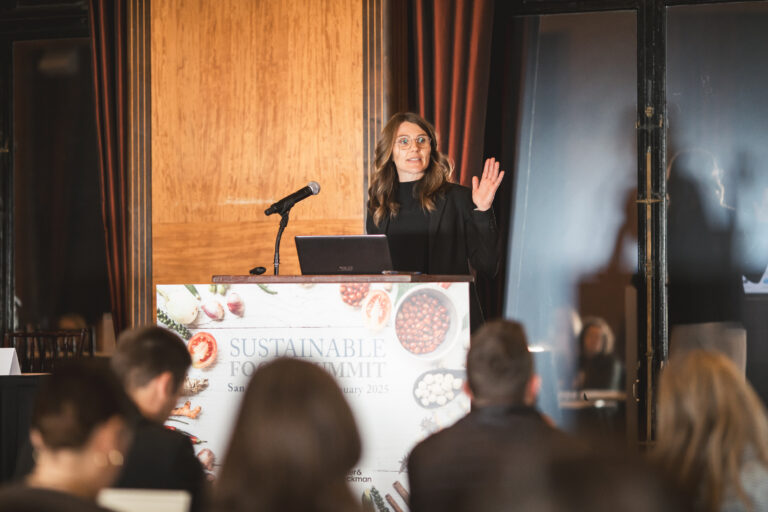
For a broader perspective on food heritage and sustainable food systems, I often turn to the Food and Agriculture Organization of the United Nations (FAO). Their work reinforces what I’ve witnessed throughout my career: food connects culture, agriculture, economics, health, and public policy in ways that cannot be separated.

The Politics Behind the Plate
Food culture also offers a thoughtful way to enter difficult conversations. Through food, we can discuss land ownership, labor, hunger, race, gender, migration, climate, and power without losing sight of the people at the center of those issues. Still, we should never romanticize the plate while ignoring the systems behind it.
I often find myself asking questions that go beyond the menu. Who gets called a chef? Who is simply called a cook? Who receives recognition? Who remains invisible? Which traditions become fashionable only after the communities that created them have been overlooked for generations?
Those questions sit at the heart of my work as both a storyteller and an international development professional. They also shape how I think about travel, culture, sustainability, and human dignity. Every destination teaches me something new, yet I almost always find myself back at the table, learning through the people willing to share a meal.
Why Food Stories Matter
Food culture gives us a way to remember. More importantly, it gives us a way to honor the farmers, market vendors, grandmothers, fishermen, home cooks, and everyday people who kept traditions alive long before anyone arrived with a television crew or a social media camera.
That is the kind of food writing I hope to contribute. Not simply reviews or recipes, but stories that recognize food as history, identity, resilience, and love served one plate at a time.
Continue exploring: Read more in my Food, Culture, and Travel sections, where I explore the connections between food, identity, sustainability, and the people who shape our world.