What a Food Market Reveals About a Place
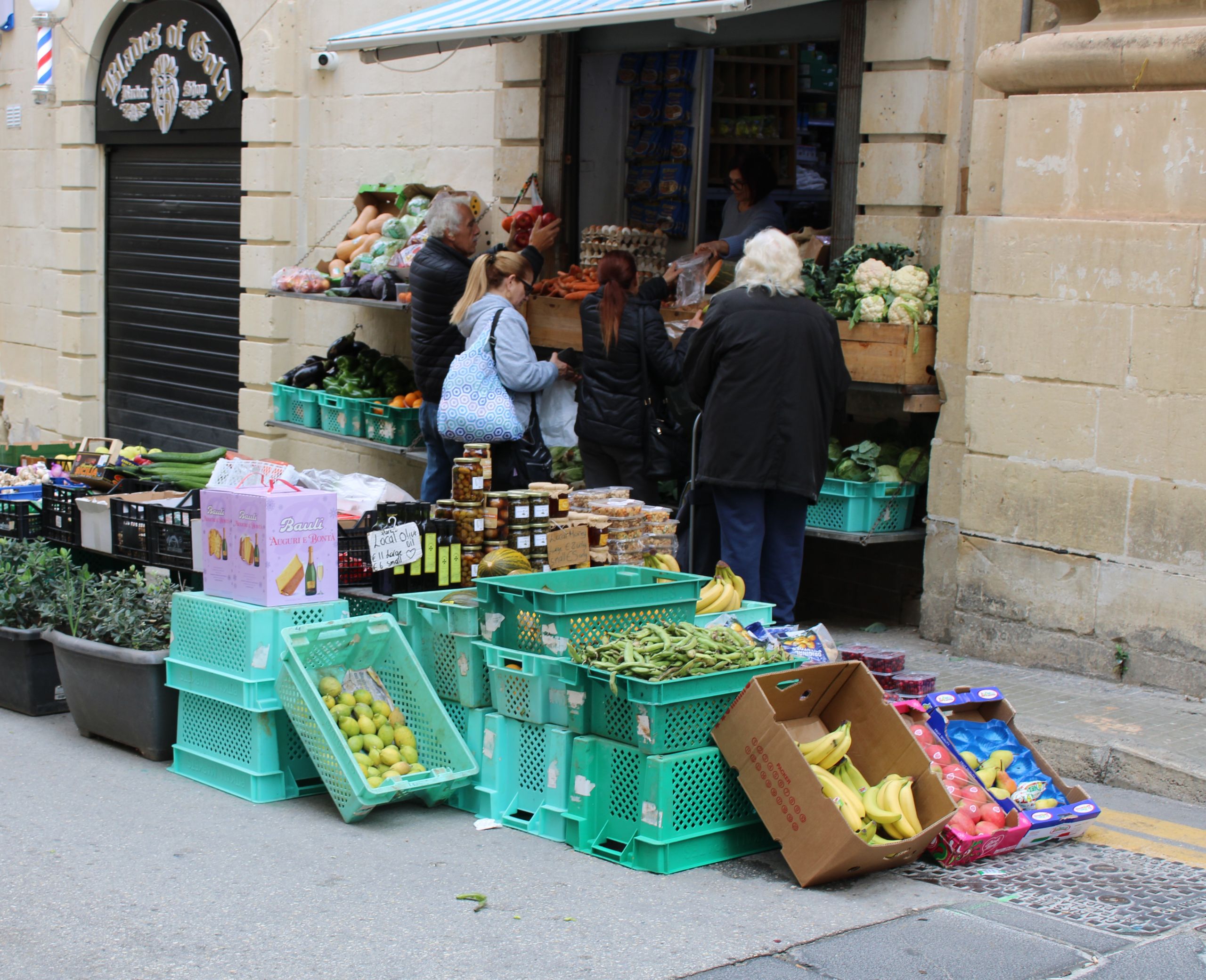
One morning, I entered a market before I had decided what I wanted to buy. The first thing that reached me was color. Greens spilled from crates, fruit formed uneven towers, flowers leaned into the walkway, and jars caught the light from beneath striped awnings.
Then the other details began arriving. A vendor rearranged produce bruised during transport. Someone called out a price, a customer asked what had come in that morning, and the smell of bread mixed with fish, herbs, damp pavement, and coffee from a nearby stall.
I had entered looking for food, but the market offered a much larger story. It showed me what the season had produced, what shoppers could afford, whose labor made abundance visible, and how much risk sat behind every carefully arranged table.
A food market is a map of possibility. Before anyone explains the place, color begins the conversation. Greens, fruit, bread, fish, flowers, roots, spices, and jars reveal something about geography, weather, culture, appetite, and the people responsible for bringing food within reach.
A Food Market Begins With Color
Color creates the first impression because it allows the eye to understand abundance before the mind begins sorting details. Red fruit, deep greens, pale roots, yellow flowers, dark spices, and polished jars make the market feel alive.
That beauty is not accidental. Vendors understand presentation because a carefully arranged table invites people to slow down, look more closely, and imagine what the ingredients might become at home.
Still, the display offers more than decoration. Color reflects season, variety, ripeness, and growing conditions. A table heavy with one crop may suggest that it flourished, while the absence of another can reveal something about weather, harvest timing, or cost.
The market starts speaking before anyone says a word, but the vendor often knows how to interpret what I see.
The Vendor Knows What the Weather Did
A shopper may notice that tomatoes look smaller or greens cost more. The vendor usually knows the reason.
She may explain that rain arrived too late, heat damaged part of the crop, or a cold snap delayed the harvest. Fuel prices, labor shortages, pests, transportation, and changing demand can all influence what appears on the table and how much it costs.
That knowledge turns the market into a living record of the season. Weather stops being an abstract forecast and becomes visible through quantity, quality, timing, and price.
Farmers and vendors carry information that grocery aisles often separate from the final product. Their presence makes the path between land and plate easier to see.
A Food Market Makes the Food System Human
Large food systems can feel distant. Products arrive labeled, packaged, priced, and ready for purchase without showing the many hands involved.
At a market, relationships become more visible. The person selling may have grown the food, purchased it from nearby producers, baked it overnight, preserved it in a home kitchen, or transported it from another region before dawn.
This connects with my reflections on the stories worth noticing at farmers markets. A market allows food to carry a face, a voice, and a history instead of appearing as an anonymous object on a shelf.
Human scale does not mean simple economics. Vendors still operate within systems shaped by land access, transportation, regulation, credit, climate, and consumer demand.
The market makes those systems easier to recognize because I can speak with someone directly affected by them.
Women Hold Essential Knowledge Across the Market
Women appear throughout food markets as farmers, cooks, processors, sellers, buyers, organizers, and household decision-makers. Their work often extends far beyond the hours when the market is open.
Someone plans production, keeps records, prepares food, arranges transportation, watches children, serves customers, and returns home to begin another form of labor. The finished stall can hide how many responsibilities one woman carried before the first sale.
My writing about women leading change throughout food systems includes the knowledge visible in these spaces. Women understand what customers buy, which foods families rely upon, how prices affect household choices, and where waste can be reduced.
That expertise deserves more than praise for resilience. It requires fair pay, access to land and financing, safe working conditions, infrastructure, and meaningful authority within the systems their labor sustains.
Season Becomes Visible at a Food Market
Modern grocery stores can make the year feel almost seasonless. Many foods remain available across months, transported from distant regions and displayed with little indication of when they naturally grow nearby.
A market often tells time more clearly. One fruit appears for several weeks and then disappears. Greens become more abundant as temperatures change, while root vegetables, herbs, or flowers announce another stage of the growing year.
That rhythm affects cooking. I begin imagining meals around what looks abundant, affordable, and especially good rather than starting with a rigid recipe and searching for every ingredient it requires.
Seasonal awareness does not mean everyone can or should buy only local produce. Price, transportation, availability, storage, work schedules, and dietary needs shape what is realistic.
The market simply reminds me that food has a time and place before supply chains make it appear permanent.
Access Sits Beside Abundance
A beautiful market can create the impression that fresh food is plentiful and easily available. That appearance does not tell the whole story.
Some shoppers cannot afford the prices. Others live too far away, work during market hours, lack transportation, or need the predictability of a store that accepts specific forms of assistance and remains open throughout the week.
Access involves more than the physical presence of food. People need enough money, time, mobility, storage, and cooking capacity to turn ingredients into meals.
I pay attention to that tension because abundance and exclusion can occupy the same aisle. A market may showcase extraordinary produce while remaining out of reach for many residents living nearby.
Farmers deserve prices that reflect the real cost of production. Communities also deserve reliable access to nourishing food. A fair food system must hold both truths rather than asking one group to absorb the entire burden.
Fair Prices Carry More Than the Cost of the Ingredient
Shoppers often compare market prices with supermarket prices without seeing everything behind the difference.
A small producer may pay more per unit for seed, feed, packaging, equipment, transportation, and labor. Weather-related losses cannot always be spread across a large operation, and unsold food may become a direct financial loss.
At the same time, a price can be fair to the farmer and still unaffordable for the customer. The problem does not disappear simply because the cost is justified.
That tension points toward wages, public benefits, agricultural policy, market infrastructure, and the distribution of risk throughout the food system. Consumers and farmers should not have to compete over who deserves economic survival.
Fairness requires systems that make good food viable to produce and possible to purchase.
A Food Market Is Also a Place of Entrepreneurship
Every stall reflects decisions about product, presentation, timing, pricing, and customer relationships. Vendors learn what sells quickly, what shoppers ask for, and which items require more explanation before people understand their value.
Small food businesses often begin with skill and determination long before they gain access to strong infrastructure. A producer may operate from a shared kitchen, transport everything in a personal vehicle, or rely on family labor to keep costs manageable.
The market provides visibility, but it can also involve fees, permits, weather exposure, uncertain attendance, and limited opportunities to scale. One successful morning does not guarantee financial stability.
I admire the creativity visible in these businesses without romanticizing the precarity behind them. Entrepreneurship becomes more sustainable when vendors have access to affordable credit, storage, kitchens, transportation, technical support, and markets that value their labor.
Food Markets Carry Culture Through Everyday Ingredients
A market reveals cultural life through what people consider essential.
Spices, herbs, breads, preserved foods, seafood, prepared dishes, and familiar varieties of produce show how communities maintain taste across generations and migrations. Ingredients that appear unusual to one shopper may form the foundation of another household’s daily cooking.
That diversity turns the market into more than a place of transaction. It becomes an informal archive of movement, adaptation, memory, and belonging.
Food traditions survive because people continue buying, cooking, teaching, substituting, and sharing. The market gives those practices a public presence.
Respectful curiosity begins with understanding that cultural foods are not displays created for visitors. They belong to people feeding themselves in ways that carry home into the present.
A Guided Market Experience Can Add Context
Walking through a market independently allows me to follow my senses, but observation has limits. I may recognize color and activity without understanding the history, language, ingredients, or economic relationships shaping the space.
Food experiences available through GetYourGuide can add useful context when local guides explain how the market developed, which foods matter seasonally, and how residents actually shop and eat.
The strongest guides do not treat vendors as background characters in a visitor experience. They build respectful relationships, encourage appropriate purchasing, and help travelers understand when photography, sampling, or bargaining may be unwelcome.
Context turns looking into learning. It also reminds me that one market visit cannot make me an expert on the city’s entire food culture.
Bringing the Market Home Changes the Experience
The market continues teaching me after I leave.
Ingredients require decisions. I have to wash, store, prepare, and combine them before the visual abundance becomes a meal.
That process reveals whether I bought according to genuine appetite or simply became seduced by color. A beautiful ingredient still becomes waste when I lack the time, knowledge, or energy to use it.
Planning a few flexible meals helps. When meat fits the household menu, selections from ButcherBox may support home cooking by keeping proteins available alongside market produce, depending on budget, freezer space, and eating habits.
No delivery service replaces the relationships visible at a local market. Practical resources can simply help transform what I buy into meals rather than forgotten ingredients.

A DG Speaks Recommendation
I want more years to walk through markets, cook with curiosity, and stay connected to the people who feed our communities
I partnered with Happy Aging to share products that support energy, vitality, and a life grounded in nourishment, movement, and meaningful connection.
A Food Market Depends on Trust
Markets function through repeated relationships.
Customers return to vendors who provide quality, honesty, and consistency. Sellers remember who prefers a particular variety, who needs a smaller quantity, and who may be willing to try something unfamiliar with a little guidance.
Trust also carries responsibility. Vendors need safe infrastructure, fair rules, clean water, waste management, and transparent oversight. Customers need confidence that food has been handled properly and that pricing remains clear.
The informal warmth of a market should not require anyone to accept unsafe conditions. Strong systems can protect public health without destroying the character and accessibility that make markets valuable.
Relationship and regulation work best when both respect the knowledge of the people already operating inside the space.
What the Food Market Makes Visible
By the time I left the market that morning, my bag held less than the abundance around me had initially encouraged me to buy. I chose what I could realistically carry, store, and cook.
The deeper value remained in what I had noticed.
A food market makes season visible through color and scarcity. It gives labor a face, turns weather into something I can see on a table, and reveals how culture survives through ordinary purchasing decisions.
The same market also exposes contradiction. Fresh food may sit within reach but remain unaffordable. Farmers may charge less than they need while shoppers still struggle to pay the price.
Beauty does not erase those tensions. It gives me a reason to look closely enough to recognize them.
Markets show what grocery aisles often hide: season, labor, risk, geography, entrepreneurship, and relationship. They remind me that food reaches the plate through systems shaped by human decisions rather than appearing through convenience alone.
I want to enjoy the color without stopping at the display.
Behind every table sits knowledge about weather, soil, customer behavior, preservation, transportation, and survival. Someone has calculated how much to bring, what price the market might bear, and whether the day’s sales will justify the labor already invested.
The market is a map of possibility, but possibility is distributed unevenly.
Looking closely helps me appreciate the abundance while asking what would make fresh, culturally meaningful food more accessible to everyone and food production more sustainable for the people doing the work.
That is what the market makes visible when I allow the conversation to continue beyond color.
Continue exploring stories about food markets, local producers, food access, and the systems connecting land, labor, and everyday meals through DG Speaks Food.