Why Food Tastes Better Near Water
I remember sitting beside the water with a plate in front of me and realizing that I had slowed down without meaning to.
The breeze kept lifting the edge of my napkin. Sunlight moved across the water, and boats passed in the distance. Somewhere nearby, glasses clinked and people laughed, but the sound of the waves softened everything around me.
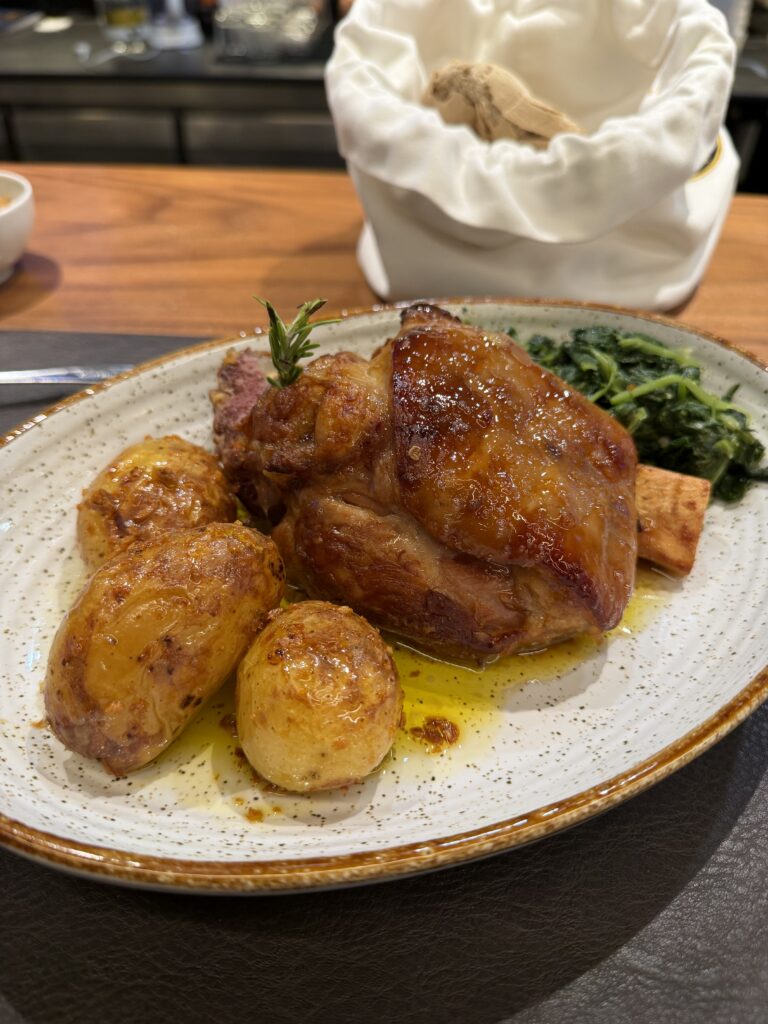
I had ordered a simple meal. Nothing about the plate looked especially dramatic. Still, every bite seemed brighter because the horizon had joined the table.
That afternoon confirmed something I have felt for years: food near water often tastes better to me. Maybe the breeze sharpens my appetite. Perhaps reflected light changes the mood. More likely, the setting reminds me to stop rushing long enough to notice what I am eating.
The Afternoon the Horizon Pulled Up a Chair
Most meals happen inside enclosed spaces.
Walls create privacy and comfort, while windows offer only a framed glimpse of the outside world. Beside the water, however, the view feels larger than the room.
My attention moves differently.
I notice the changing light, the rhythm of boats, and the way wind carries conversations from nearby tables. A gull may interrupt the mood with unnecessary confidence. Someone usually reaches quickly to protect a piece of bread.
Even those small disruptions make the meal feel alive.
The water refuses to become background decoration. It shifts constantly, changing color with the sky and reflecting every movement around it.
As a result, the meal becomes part of a larger scene.
Salt Air Has a Way of Waking Up Hunger
Water changes appetite.
After walking along a coast, crossing a harbor, or spending the day near a beach, I often feel hungry in a deeper way. The air, movement, and sun seem to wake up every sense at once.
Food arrives when my body feels fully present.
I smell grilled fish before seeing it. Citrus seems brighter, while herbs taste greener. A cold drink feels especially refreshing after time in the sun.
Perhaps science can explain part of that response. Still, emotion plays a role too.
Water makes me feel open. My thoughts stretch toward the horizon, and everyday pressure loosens its grip. That mental space allows pleasure to enter more easily.
I am not merely eating. I am receiving the place through the meal.
The Fish Tells Me How Close the Kitchen Is to the Sea
Seafood tastes different when the water that supplied it remains visible.
I become more aware of freshness, season, and local cooking traditions. A whole grilled fish may arrive with little more than salt, lemon, and herbs because the ingredient does not need much disguise.
That simplicity can feel luxurious.
At the same time, proximity does not automatically guarantee quality. A waterfront restaurant can serve frozen seafood shipped from far away, while an inland kitchen may build close relationships with responsible suppliers.
I have learned to ask questions.
What came in today? Which species are local? How do people in this region traditionally prepare them? Those details help me move beyond the assumption that every plate beside the sea reflects the sea outside.
Curiosity turns the menu into a map.
A Lemon Wedge Can Hold an Entire Coastline
Some meals do not need complexity to become unforgettable.
Fresh fish, warm bread, a simple salad, and a wedge of lemon may create everything I want beside the water. Each element feels connected to the setting.
The acidity cuts through richness. Salt echoes the air, while herbs bring the surrounding landscape onto the plate.
That harmony matters more than extravagance.
I have eaten elaborate waterfront meals that disappeared from memory quickly. Meanwhile, a modest plate in a small coastal town can remain with me for years.
The difference often involves timing, place, and attention.
When the ingredient, setting, and moment align, simplicity becomes enough.
Water Has Always Been More Than a View
Coastlines, rivers, and harbors shape how communities live.
Water determines what people catch, grow, trade, and preserve. It influences architecture, transportation, labor, and migration.
Therefore, local food culture often reflects generations of adaptation.
Fishing communities develop recipes around what the water provides. Port cities absorb ingredients and techniques carried by sailors, merchants, enslaved people, migrants, and travelers.
Some dishes become so familiar that their complicated origins disappear beneath the label of tradition.
I want to remember that food culture rarely develops in isolation.
Water connects places. It also carries stories between them.
The Port May Be Seasoning the Plate
Port cities fascinate me because their cuisines often reveal movement.
Spices arrive from one region. Cooking techniques come from another. A dish transforms as communities adapt it to local ingredients and memory.
The result may feel deeply rooted in one place while carrying traces of several others.
That history can appear in stews, rice dishes, breads, sauces, and preserved seafood. Each recipe reflects the journeys of people as much as the movement of ingredients.
When I eat in a port city, I try to look beyond the beautiful harbor.
Who arrived here? Who was forced to leave? Which cultures met through trade, colonization, conflict, or survival?
The plate may contain answers that official monuments leave out.
The View Can Distract Me From the Story
Waterfront restaurants know the power of scenery.
They build terraces toward the sunset, arrange tables beside the shore, and charge accordingly. Sometimes, the view deserves every bit of attention.
Still, beauty can become a distraction.
I may focus so heavily on the blue water and glowing sky that I forget to ask what exists beyond the edge of the dining area.
Who works in the kitchen? Where do employees live? Can local residents still access the shoreline, or has tourism pushed them away?
A beautiful restaurant may sit inside a community facing high rents, declining fishing access, or environmental damage.
Enjoyment and awareness can coexist.
I do not need to reject beauty. However, I want to understand what supports it.
The People Serving the Sunset Matter Too
Hospitality workers make waterfront dining feel effortless.
Servers move through wind and heat while carrying trays across uneven terraces. Cooks work behind the view, often inside kitchens that feel much hotter than the dining room.
Cleaners, fishers, farmers, delivery drivers, dishwashers, and maintenance workers also shape the experience.
The sunset does not serve itself.
Remembering that labor changes how I behave as a guest. I try to remain patient when wind disrupts service or a crowded kitchen slows the meal.
More importantly, I want to recognize workers rather than treating them as part of the scenery.
A gracious dining experience should involve mutual humanity.
A Plate Beside the Water Can Still Carry Inequality
Food near water often appears in luxury advertising.
Images show chilled wine, white linen, yachts, and plates arranged against an endless blue background. That version of waterfront dining exists.
However, water also supports working communities.
Fishers leave early and face physical risk. Vendors sell meals from simple stalls. Families cook with inexpensive species that wealthier diners may ignore.
Tourism can transform these foods into fashionable experiences while pricing local people out of the areas that created them.
That tension deserves attention.
A dish may begin as practical food for workers and later appear on a luxury menu stripped of its history. Understanding that journey helps me appreciate the food without romanticizing the system around it.
The Sea Gives, but It Does Not Give Without Limits
Seafood carries environmental questions that become harder to ignore when I sit beside the water.
Overfishing, pollution, warming temperatures, habitat loss, and changing currents affect what communities can catch. Species that once felt abundant may become difficult to find.
Climate change also reshapes traditional food systems.
Fish move toward different waters. Storms grow more destructive, while coastal erosion threatens homes and businesses.
The menu can reveal those changes.
A restaurant may stop serving a familiar species or rely more heavily on imports. Fishers may travel farther, spend more on fuel, or face shorter seasons.
Sustainability is not an abstract idea when livelihoods depend on a changing sea.
Responsible Eating Requires More Than Choosing “Local”
Local seafood may support regional livelihoods and reduce transportation. Still, local does not always mean sustainable.
A nearby species can be overfished. Harvest methods may damage ecosystems, while poorly managed aquaculture creates other environmental problems.
Responsible choices require context.
I may ask which fish are abundant, whether the restaurant follows seasonal guidance, or how suppliers catch and raise the seafood.
Answers will not always come easily.
Even so, asking signals that these questions matter.
Perfect consumption does not exist. My goal involves greater awareness rather than moral purity at the table.
The Best Seafood Often Knows When to Stay Simple
A skilled cook understands when freshness should lead.
Instead of burying fish beneath heavy sauces, they may grill, roast, steam, or fry it with restraint. The preparation supports texture and flavor without erasing them.
That kind of cooking looks easy because the technique remains quiet.
Yet, simplicity demands precision.
Fish can move from tender to dry quickly. Shellfish requires careful timing, and seasoning must complement rather than overwhelm.
When the cook gets it right, the plate tastes effortless.
I admire food that carries confidence without excessive decoration.
Fried Fish Beside the Water Has Its Own Kind of Joy
Not every waterfront meal needs delicate plating.
Sometimes, I want fried fish served hot enough to make waiting difficult. The coating should crack beneath the fork, while the inside remains moist.
Add something bright and acidic, a simple side, and a seat where I can feel the breeze.
That meal can deliver as much pleasure as a formal seafood dinner.
Perhaps more.
Casual food allows the setting to remain relaxed. I can eat with my hands, protect the plate from determined birds, and laugh when the wind rearranges everything on the table.
Joy does not require polished silverware.
Markets Near the Water Wake Up Before Tourists Do
Fish markets reveal a different side of coastal food culture.
They may open before sunrise, when boats return and restaurants begin buying for the day. The air smells sharp, floors remain wet, and everyone seems to move with purpose.
Markets show seafood before it becomes a finished plate.
I see the variety of species, sizes, colors, and textures that menus simplify into familiar categories. Vendors may explain what arrived, which fish cooks best in a stew, or how local families prepare a less famous catch.
These spaces also reveal labor.
People clean, sort, weigh, negotiate, and transport food long before diners begin thinking about lunch.
The market reminds me that freshness has a human process behind it.
A Food Tour Can Explain What the Menu Leaves Out
Travelers often encounter coastal food without understanding its deeper context.
A guide can connect dishes with fishing traditions, migration, environmental changes, and neighborhood history. That explanation turns tasting into learning.
I value food experiences that offer more than a rapid series of samples.
There should be room for questions.
Who first prepared this dish? Why does the region use this spice? Has tourism changed what restaurants serve?
Travelers can browse waterfront tours, market visits, and culinary experiences through GetYourGuide.
The strongest experiences help visitors see the relationship between the plate and the place rather than treating local food as entertainment alone.
Respectful Curiosity Changes the Flavor of Travel
I want to approach food culture with curiosity rather than entitlement.
That means recognizing that every dish does not exist for me to judge against my personal preferences. Sometimes, I need to understand its role before deciding what I think.
A preparation may reflect preservation, scarcity, ritual, or local ecology.
Without context, I could dismiss something that carries deep cultural meaning.
I explore this responsibility further in my reflection on cultural travel writing rooted in respectful curiosity.
Travel writing should not reduce a community’s food to whether I found it delicious.
The story extends beyond my palate.
The Water Follows the Meal Into Memory
I often remember waterfront meals through sound.
Waves moved beneath a dock. Rigging tapped against boat masts. Someone played music nearby, or gulls shouted with absolutely no concern for atmosphere.
Those sounds become attached to flavor.
Years later, a similar dish may bring the entire place back. I remember the light, breeze, conversation, and feeling of the chair beneath me.
This is how food memories continue to follow us home. Taste creates the doorway, but place fills the room.
I may try to recreate the meal elsewhere. Still, something remains missing.
The absent ingredient is often the water.
A River Table Feels Different From an Ocean Table
Not all waters create the same atmosphere.
Ocean dining feels expansive. The horizon seems endless, and salt hangs in the air.
A river offers movement of another kind.
It carries boats, reflections, and the visible flow from one place toward another. Riverfront meals often feel connected to the life of a city.
Lakes create yet another mood.
Their calm can make a meal feel private, even when other people sit nearby. Mountains or trees may reflect in the surface, enclosing the scene instead of opening it outward.
Each setting influences how I experience the food.
Water is not one ingredient. It has many personalities.
Island Food Carries the Beauty and Burden of Distance
Island cuisines reveal how geography shapes survival.
Local seafood may appear abundant, while imported foods cost more because everything must cross water to arrive. Communities develop preservation methods, use what grows well, and create dishes from the resources available.
Tourism complicates that system.
Visitors expect variety, including ingredients that do not come from the island. Hotels and restaurants may import heavily to satisfy those demands.
Meanwhile, residents face rising food costs and limited land.
Eating on an island encourages me to ask what truly belongs to the place and what arrived to meet tourist expectations.
The answer can change how I read the menu.
The Best Table May Be the One Closest to Everyday Life
Waterfront dining does not need to happen in an expensive restaurant.
A bench near a harbor can hold a beautiful lunch. A market stall, picnic, or simple café may offer a closer view of local life than a polished resort terrace.
I often enjoy places where residents eat.
The menu may feel less staged, while the pace reflects the community rather than tourist demand. Workers stop for lunch, families gather, and regular customers greet the staff by name.
That atmosphere gives the meal texture.
I become part of the daily rhythm for a little while instead of watching it from behind a luxury window.
The Sunset Is Beautiful, but I Came to Taste Something
A stunning view can make mediocre food seem better for a few minutes.
Eventually, the plate still has to speak.
I have learned not to assume that the restaurant closest to the water offers the best meal. Prime location can sometimes replace culinary effort.
The menu may be designed for visitors who will not return.
I read reviews, look for regional dishes, and notice whether locals fill any of the tables. A short walk away from the main waterfront can lead to better food at a more reasonable price.
Of course, there are times when I willingly pay for the view.
I simply want honesty about what I am buying.
The Wind Always Has Opinions About My Napkin
Outdoor dining beside water requires flexibility.
The breeze that makes the experience beautiful can also send napkins flying, cool food quickly, and place hair directly into my mouth at the wrong moment.
Weather changes without asking about the reservation.
Sunlight becomes intense. A cool evening turns cold, or rain sends everyone running beneath limited shelter.
These inconveniences belong to the setting.
I could choose a controlled indoor room. Instead, I accept a little unpredictability in exchange for feeling connected to the landscape.
Perfection would make the meal less alive.
Seafood at Home Needs a Different Kind of Imagination
I cannot bring the coastline into my kitchen completely.
Still, I can use a waterfront meal as inspiration.
Citrus, herbs, crisp vegetables, rice, bread, and thoughtfully prepared proteins can recreate part of the mood. I might open a window, play music from the region, and let the dinner unfold slowly.
When building meals at home, I may order proteins through ButcherBox. A grilled or roasted main dish can pair well with the bright sides and simple flavors that remind me of meals near the water.
The recreation will never feel identical.
That is all right.
I am not trying to copy the place perfectly. I am allowing memory to influence the table.
The Setting Changes More Than the Photograph
Social media makes waterfront dining look like a visual experience.
The plate sits against the view. A glass catches the sunset, while every image promises beauty and escape.
Yet, the setting changes more than the photograph.
It affects sound, smell, temperature, appetite, attention, and time. Water encourages me to look beyond the table between bites.
I eat more slowly because the scene gives me somewhere to rest my eyes.
Conversation also changes. Pauses feel natural when both people can watch the horizon.
The environment becomes part of the hospitality.
I Want the Beauty and the Truth Beside It
I will always love eating near water.
Give me a harbor café, a riverside table, a picnic near a lake, or a meal overlooking the ocean. Let the breeze interrupt, and allow the light to change before dessert arrives.
Still, I want more than scenery.
I want to understand who caught the fish, cooked the food, and carried it to my table. The history of the port matters, along with the people who live nearby.
I want to recognize what the water has provided and what human activity has taken from it.
Beauty becomes richer when it includes truth.
Place Is the Ingredient I Cannot Pack
Food near water often tastes better because the setting enters every bite.
Salt air sharpens my senses. Light changes the mood, while moving water reminds me that the world extends far beyond the table.
The dish carries flavor, culture, labor, and memory. Meanwhile, the horizon gives the meal room to breathe.
Later, I may try to recreate what I ate.
I can find similar ingredients, follow the same technique, and set the table beautifully. Still, the meal will become something new because place does not travel easily.
That is why certain dishes remain tied to one coast, river, harbor, or island in my memory.
The water was never only the view.
It was part of the meal.
Explore more stories about the flavors, people, and traditions that shape a destination through DG Speaks Food. You can also discover meaningful journeys through DG Speaks Travel and read more reflections on history, identity, and belonging in DG Speaks Culture.