Why I Respect the Food That Lasts All Week
I have deep respect for food that lasts all week.
The big pot of soup. The tray of roasted vegetables. The rice cooling on the counter. The containers lined up in the refrigerator, each one holding a small answer to a future question.
What will I eat tomorrow?
What will I have time to make after a long day?
How will I keep from spending money I did not plan to spend simply because I am tired and hungry at the same time?
Weekly meal prep is not glamorous, but it is powerful. It turns one period of focused labor into several days of relief.
A prepared meal does not appear by magic. Someone chose the ingredients, considered the budget, washed, chopped, cooked, portioned, labeled, and made room in the refrigerator.
By the time the food is reheated on Tuesday, most of that work has become invisible.
The meal remains.
The Pot Is Already Thinking About Tomorrow
A large pot of food represents a kind of faith.
It assumes tomorrow will come, people will be hungry, and something should be ready when they are.
The cook stands in the present while preparing for a future appetite.
That act carries practical value, but it also carries emotional weight. A pot of stew, beans, soup, curry, or sauce says someone looked beyond the immediate meal.
They considered the day ahead.
Perhaps there will be no time to cook tomorrow. Someone may come home exhausted, or the household budget may need to stretch until the end of the week.
The pot plans for all of it.
Sunday Cooking Can Change the Emotional Temperature of Monday
Monday feels different when food is already waiting.
I do not need to begin the week by solving dinner while answering messages, managing errands, and trying to remember everything else I meant to do.
The decision has already been made.
I open the refrigerator and see something that requires heating rather than invention.
That difference may appear small, but decision fatigue is real. By evening, even simple choices can feel heavier than they should.
Prepared food removes one question from the day.
Sometimes, that is enough to make the entire evening feel more manageable.
The Work Begins Before the Stove Turns On
Meal prep starts long before cooking.
Someone checks what is already in the pantry, decides what can be used, creates a list, compares prices, and chooses which meals will fit the week.
Those decisions require knowledge.
How much food will people actually eat? Which ingredients spoil quickly? What can be frozen, reheated, or transformed into another meal?
Planning badly can create waste.
Planning well allows several ingredients to support multiple dishes without making the week feel repetitive.
The labor is mental before it becomes physical.
The Grocery List Is a Financial Document
A grocery list may look ordinary.
It is often an economic strategy.
People plan meals according to what they can afford, what is on sale, and how far each ingredient can stretch. A bag of rice, beans, eggs, chicken, vegetables, or pasta may need to support several meals.
The list reflects tradeoffs.
Do I buy the more convenient option or save money by preparing it myself? Can I afford fresh berries this week, or would frozen fruit make more sense?
Food budgeting requires constant calculation.
Meal prep can reduce impulse spending, but it cannot erase the reality that many households are already making difficult choices before entering the store.
Food Access Shapes What Preparation Is Possible
Advice about meal prep often assumes people have easy access to a supermarket, reliable transportation, safe storage, time, equipment, and enough money to buy several days of food at once.
Those conditions are not universal.
Some people shop at small stores with limited options. Others travel long distances for groceries or depend on public transportation, making large shopping trips physically difficult.
Housing may lack adequate refrigeration or cooking space.
A person can understand meal planning perfectly and still face barriers that organization alone cannot solve.
Food access is not simply about personal discipline.
It is shaped by infrastructure, wages, transportation, housing, and whether nutritious food is available where people live.
The Refrigerator Is Part of the Food System
Cold storage seems ordinary until it is unavailable or unreliable.
Meal prep depends on the ability to keep food safe after cooking. A working refrigerator allows ingredients and prepared meals to last longer.
Without one, buying in bulk or cooking for several days becomes risky.
Energy costs matter too.
A household may own a refrigerator but struggle with utility bills. Equipment can also be too small for the number of people depending on it.
The appliance is not separate from food access.
It is part of the system that determines which forms of planning are possible.
The Container Is Holding More Than Lunch
A meal-prep container holds food, but it also holds time.
The hour spent cooking on Sunday reappears on Wednesday as a meal that takes five minutes to heat.
It holds money too.
A portion packed at home may prevent an expensive lunch purchased out of urgency.
The container can support health goals, reduce waste, and make portioning easier.
Most importantly, it creates a buffer between hunger and exhaustion.
That buffer can protect me from decisions I make only because I waited too long to eat.
Practical Food Can Be an Act of Self-Respect
Meal prep is sometimes presented as discipline.
I prefer to think of it as support.
I am not preparing food because I expect my future self to be perfectly organized. I am preparing because I know she may be tired.
She may have a demanding day, come home later than planned, or feel too overwhelmed to cook from the beginning.
Leaving her something ready is a form of respect.
It says I do not need to earn nourishment through ideal behavior.
Food will be available even when the day does not go well.
A Meal Does Not Become Less Loving Because It Was Planned
We often romanticize spontaneous cooking.
Someone feels inspired, enters the kitchen, and creates a beautiful meal from fresh ingredients. That can be joyful.
It is not the only form of care.
A meal prepared three days earlier can still be thoughtful. Love does not disappear because the food was portioned, refrigerated, or labeled.
Sometimes, planning is the loving part.
The cook anticipated hunger before it became urgent.
They created ease for a future moment when ease would matter.
Leftovers Deserve Better Public Relations
Leftovers are often treated as inferior food.
They are what remains after the “real” meal.
I see them differently.
Leftovers are evidence that one cooking session can continue serving people. They reduce waste, save time, and allow flavors to deepen.
Soup, stew, curry, beans, and braised dishes often taste better after resting.
The ingredients settle into one another. Seasoning becomes more integrated, and the meal feels less like separate parts.
Tuesday’s bowl may be better than Sunday’s first serving.
The Soup Gets Better While I Am Doing Something Else
Some foods continue developing after the stove turns off.
They rest in the refrigerator while I sleep, work, travel, or move through the next day.
When I return, the flavors have changed.
This is one of my favorite qualities of soup.
It does not require constant attention to become more complete. Time performs part of the work.
There is something comforting in that.
Not every improvement must come from pushing harder.
Rice Is Quietly Holding the Week Together
Cooked rice can become the foundation of several meals.
It may sit beside roasted vegetables one day, support a bowl the next, and become fried rice later in the week.
Its value lies partly in flexibility.
Rice absorbs sauces, stretches portions, and connects ingredients that might otherwise feel unrelated.
Many staple foods perform this kind of invisible labor.
Bread, potatoes, beans, pasta, grains, and tortillas help households transform small amounts of protein or vegetables into complete meals.
They deserve respect for the practical role they play.
One Tray Can Become Several Different Meals
A tray of roasted vegetables does not need to remain the same dish all week.
It can become a side, filling, salad topping, omelet ingredient, soup addition, or part of a grain bowl.
This is where meal prep becomes more flexible than repetitive.
I do not always need five identical containers.
Sometimes, I prepare components and combine them differently according to appetite.
That approach gives me structure without making every meal feel predetermined.
Preparation Can Create Choice Instead of Removing It
People sometimes resist meal prep because they do not know what they will want several days later.
I understand that.
Appetite changes.
A meal that sounds satisfying on Sunday may feel too heavy on Thursday.
Preparing adaptable ingredients can solve part of that problem. Cooked protein, grains, vegetables, sauces, and fresh toppings create several possibilities.
The planning supports choice rather than eliminating it.
I still decide what to eat.
I simply make that decision from ingredients that are already ready.
Not Every Meal Needs to Look Like a Matching Set
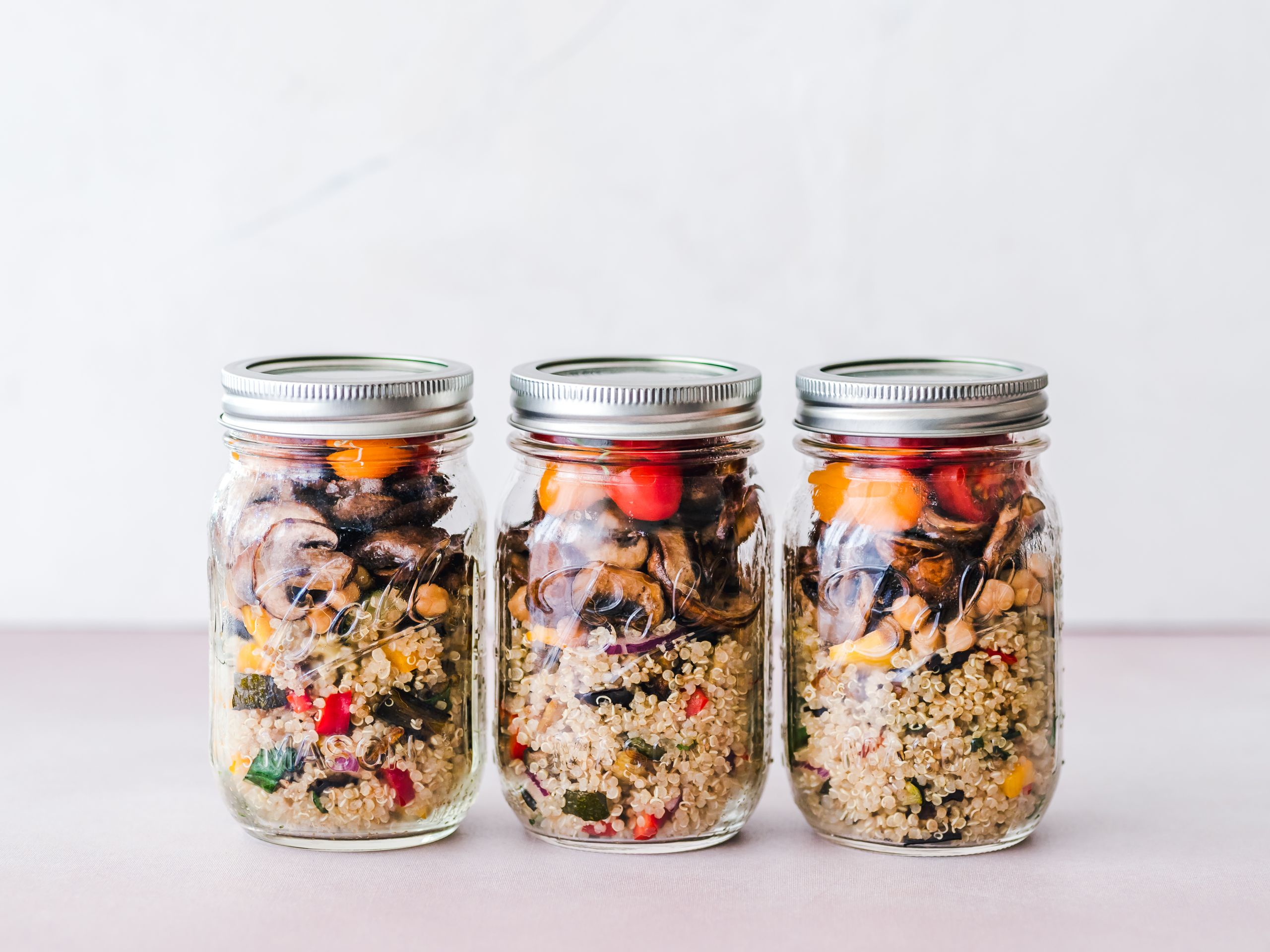
Social media often presents meal prep as a row of identical containers.
Each one contains perfectly arranged portions, matching colors, and a level of visual order that may be difficult to sustain.
Real meal prep does not need to look that way.
It can be one pot of beans, a bowl of chopped vegetables, and cooked chicken waiting to become several meals.
It may include mismatched containers and handwritten labels.
The purpose is to make life easier.
It should not become another standard I feel pressured to perform.
The Chopped Onion Represents Time Someone Already Spent
Pre-chopped ingredients can change the likelihood that I cook later.
An onion already diced, vegetables washed, or herbs cleaned removes the first layer of resistance.
When I am tired, preparation feels larger than it is.
The knife, cutting board, cleanup, and scattered scraps can make cooking seem like a much bigger project.
Doing some of that work earlier allows the future meal to begin closer to completion.
The chopped onion is stored time.
Convenience Is Not a Moral Failure
Sometimes, convenience is the reason a meal happens at all.
Frozen vegetables, pre-cut produce, canned beans, rotisserie chicken, prepared sauces, and microwaveable grains can reduce labor.
They may cost more per unit than cooking entirely from scratch.
They can also save time, energy, and physical effort.
The right choice depends on the household.
A person managing disability, caregiving, multiple jobs, or exhaustion does not need judgment for using food that makes nourishment more possible.
Convenience can be a form of access.
Scratch Cooking Is Not the Only Honest Cooking
There is pride in making food from the beginning.
That pride should not become a measure of moral worth.
A meal can be nourishing, thoughtful, and culturally meaningful even when some components were prepared elsewhere.
Home cooking has always included adaptation.
People use what is available, affordable, and realistic.
The goal is not to prove purity.
The goal is to feed people.
Women Have Been Carrying This Labor for Generations
Much of the work behind daily meals has historically fallen to women.
Planning, shopping, cooking, serving, remembering preferences, and noticing when food is running low all require time.
The labor often disappears because it happens repeatedly.
No single task seems dramatic.
Together, they sustain households and communities.
This connects with my reflections on women leading change throughout food systems.
Women participate at every level, from farms and food businesses to household kitchens.
The work deserves recognition wherever it happens.
The Person Who Remembers Everyone’s Preferences Is Working Too
Food labor includes memory.
Someone knows who dislikes onions, who needs softer food, who is avoiding a certain ingredient, and which child will eat vegetables only in one form.
That knowledge shapes the weekly plan.
It can also become exhausting.
One person should not always be responsible for remembering everyone else’s needs while their own preferences remain secondary.
Meal planning works better when responsibility is shared.
People can help choose meals, prepare ingredients, wash dishes, or track what needs replacing.
Care should not depend on one invisible manager.
The Kitchen Can Become a Site of Unequal Time
Two people may both eat the meal.
Only one may have spent hours making it possible.
This inequality appears in many households.
Cooking is often treated as a natural expression of love rather than labor requiring time, skill, and energy.
Love may be present.
That does not remove the work.
Sharing food responsibility can reduce resentment and make the household more resilient when the usual cook becomes unavailable.
Children Can Learn More Than Recipes From Meal Prep
Children can participate in age-appropriate ways.
They may wash produce, portion snacks, stir ingredients, label containers, or help choose one meal for the week.
These activities build practical skills.
They also show that feeding a household is shared work rather than a service appearing from nowhere.
Children learn how ingredients become meals, how planning reduces waste, and why cleanup belongs to the cooking process.
The lesson is larger than one recipe.
Meal Prep Can Support Aging With More Independence
Prepared food can help older adults maintain regular meals.
Energy, mobility, appetite, and memory may change over time. Cooking from scratch several times a day can become difficult.
Portioned meals create another option.
Family members, caregivers, community programs, or older adults themselves may prepare food in advance and freeze it.
Good planning should still consider texture, dietary needs, portion size, and whether containers are easy to open.
Food access includes the ability to use what has been prepared.
Disability Changes What “Easy” Means
Meal prep advice often assumes standing, chopping, lifting, stirring, and cleaning are simple tasks.
They may not be.
Disability, chronic pain, fatigue, and limited mobility can make standard kitchen routines difficult or unsafe.
Adaptive tools, seated preparation, lighter cookware, delivery services, and simplified recipes can help.
So can assistance without judgment.
The goal should be greater access to nourishment, not proving independence through unnecessary struggle.
Food Safety Has to Be Part of the Plan
Cooking ahead requires safe handling.
Food needs to cool properly, enter the refrigerator within a safe timeframe, and remain stored at appropriate temperatures.
Containers should be clean and suitable for the food they hold.
Labels can help track when something was prepared.
Reheating matters too.
A meal may look and smell acceptable while still carrying risk if it has been stored improperly.
Meal prep creates convenience only when food safety remains part of the routine.
Cooling a Large Pot Requires Attention
A large pot of hot food can stay warm in the center for a long time.
Placing the entire pot directly into the refrigerator may not cool it quickly enough and can also raise the temperature inside the appliance.
Dividing food into smaller, shallow containers helps it cool more efficiently.
This is not the most glamorous part of preparation.
It is one of the most important.
Practical food care includes what happens after cooking.
Labels Save Me From Refrigerator Archaeology
Unlabeled containers create uncertainty.
When was this made? Is it still safe? Was that sauce intended for dinner or something else?
A simple label solves several problems.
The date, meal name, or reheating note can prevent waste and reduce confusion.
It also helps when more than one person uses the refrigerator.
Good systems do not need to be elaborate.
They need to answer the questions that come up repeatedly.
The Freezer Extends the Plan Beyond One Week
Not every prepared meal needs to remain in the refrigerator.
Freezing creates longer-term options.
Soup, beans, sauces, cooked grains, casseroles, and many proteins can be portioned for future use.
A freezer meal becomes especially valuable during illness, travel recovery, financial strain, or weeks when time disappears.
The food is not merely stored.
It is waiting as a form of backup.
A Frozen Meal Is a Gift From a More Energetic Day
There is particular comfort in finding a good meal in the freezer when I do not have the energy to cook.
Someone prepared it earlier.
Sometimes, that person was me.
The meal crosses time.
A stronger day supports a harder one.
This is one reason batch cooking feels so powerful. It allows care to move forward.
Cooking in Bulk Can Reduce Waste
Meal prep can help use ingredients before they spoil.
Vegetables approaching the end of their freshness may become soup, sauce, roasted sides, or stir-fry. Herbs can be added to dressings or frozen into portions.
Planning creates awareness.
I know what is in the refrigerator and what needs attention first.
Still, over-preparing can create another kind of waste if people become tired of the food or plans change.
Realistic portions matter.
Repetition Can Become Comfort or Fatigue
Some people enjoy eating the same breakfast or lunch several days in a row.
Routine reduces decisions and creates predictability.
Others become tired of repeated flavors quickly.
Neither response is wrong.
A successful system should match the people using it.
Sauces, toppings, fresh herbs, and different side dishes can create variety without requiring an entirely new meal each day.
The plan should support appetite rather than punish it.
Seasoning Can Keep Prepared Food Alive
Food may taste different after refrigeration.
Some flavors deepen, while others become muted. Freshness can be restored through acid, herbs, crunch, or a small amount of sauce added after reheating.
A squeeze of citrus can brighten a bowl.
Fresh greens, scallions, toasted seeds, or pickled vegetables add contrast to food that has been sitting.
Meal prep works best when preparation and finishing remain separate where necessary.
Texture Needs Its Own Strategy
Not every food reheats well.
Crisp items soften. Delicate greens wilt, and sauces can change texture after freezing.
Planning should consider how the food will be eaten later.
Some components belong in separate containers. Others may be better prepared closer to the meal.
Successful meal prep is not only about making food last.
It is about preserving enough quality that I still want to eat it.
Breakfast Preparation Can Protect the Entire Morning
Mornings move quickly.
A prepared breakfast reduces the chance that I skip food or begin the day with whatever is easiest to grab.
Overnight oats, boiled eggs, cut fruit, breakfast sandwiches, or reheatable grains can create structure.
The goal does not need to be elaborate nutrition.
It can simply be making food available before the day begins demanding attention.
Lunch Prep Can Protect My Money
Buying lunch occasionally can be enjoyable.
Doing it every day can become expensive.
A prepared lunch creates another option, especially in areas where affordable choices are limited.
It also gives me control over portion, ingredients, and timing.
I do not have to wait until hunger is intense and then pay for the most convenient meal nearby.
Meal prep turns lunch from an emergency purchase into a planned part of the day.
Dinner Prep Protects the Hour When Energy Is Lowest
Evening is often when motivation disappears.
The day has already taken its share of attention. Cooking requires another series of decisions, followed by cleanup.
Prepared dinner reduces that burden.
I may still add something fresh, heat bread, or assemble a salad. The central work is already complete.
This helps prevent the familiar moment when hunger, fatigue, and limited time all arrive together.
Snacks Count as Preparation Too
Meal prep is not limited to full meals.
Portioning nuts, washing fruit, cutting vegetables, or keeping yogurt and other simple foods visible can make snacks easier to choose.
Placement matters.
Food hidden behind other items often gets forgotten.
A prepared snack can prevent hunger from becoming so intense that the next meal feels impossible to approach calmly.
The Visible Food Is Often the Food That Gets Eaten
Organization affects behavior.
Clear containers, accessible shelves, and simple labels make prepared food easier to notice.
If a meal disappears into the back of the refrigerator, it may be forgotten until it is no longer usable.
Visibility supports the plan.
This is one reason practical storage matters more to me than perfectly matching containers.
The system should help food move from preparation to plate.
Good Tools Should Reduce Work, Not Create a New Hobby
Kitchen tools can make preparation easier.
Sharp knives, useful cutting boards, reliable storage containers, sheet pans, and appliances suited to the household may reduce effort.
I keep practical kitchen and meal-prep tools in my Amazon shop.
Still, no one needs an entire collection of specialized equipment before beginning.
A good tool should solve a repeated problem.
It should not turn meal prep into another expensive performance.
Protein Planning Can Make the Rest of the Meal Easier
For many households, protein is one of the more expensive and time-consuming parts of meal planning.
Choosing it in advance can make the remaining decisions simpler.
I may prepare chicken, beef, fish, eggs, beans, lentils, tofu, or another option and build several meals around it.
When I want proteins delivered for planning ahead, I may use ButcherBox.
The service does not replace budgeting or thoughtful preparation.
It can reduce one layer of shopping and help create a clearer plan for the week.
Plant-Based Staples Have Always Powered Practical Meals
Beans, lentils, peas, and grains have fed families across cultures for generations.
They are affordable, adaptable, and well suited to batch cooking.
A pot of beans can become a side dish, soup, filling, bowl, or spread. Lentils absorb seasoning and cook into several forms.
These foods are not merely substitutes for something more important.
They hold their own culinary histories, cultural meanings, and nutritional value.
Meal Prep Does Not Need to Follow One Cultural Model
The language of meal prep can make the practice sound new.
Communities have always cooked ahead.
Large pots, preserved foods, shared dishes, cooked grains, sauces, stews, breads, and fermented ingredients are part of food traditions around the world.
People planned for harvests, travel, workdays, celebrations, and periods of scarcity long before matching containers appeared on social media.
Modern meal prep is part of a much older human practice: making food last and ensuring people can eat later.
Food Memory Often Begins With the Pot That Stayed on the Stove
Some of my strongest food memories involve dishes that lasted more than one meal.
The smell filled the house for hours. People served themselves again the next day, and the pot became part of the rhythm of home.
This connects with my reflections on how food memories follow us home.
Repetition can deepen memory.
The dish does not belong to one isolated moment. It accompanies several days, conversations, and moods.
The Meal Can Change as the Week Changes
Prepared food does not need to remain fixed.
Roasted chicken becomes a sandwich. Vegetables move into soup, and rice becomes the base for another dish.
Transformation prevents waste and keeps meals interesting.
It also reflects a kind of kitchen intelligence.
The cook understands ingredients beyond one intended use.
Nothing has to remain exactly what it was on Sunday.
The Last Portion Has Its Own Emotional Meaning
There is a particular feeling when I eat the final serving of something that carried me through the week.
The container empties.
The meal has completed its work.
Perhaps I am ready for something new, or perhaps I feel a small regret that the reliable food is gone.
The last portion marks the end of one preparation cycle.
Then, the planning begins again.
Meal Prep Can Become Too Rigid
Planning helps, but life changes.
Someone invites me to dinner. Appetite shifts, travel interrupts the week, or I simply do not want the food I prepared.
A rigid system can turn nourishment into obligation.
I do not want to eat something only because a container says I am supposed to.
Freezing extra portions, preparing fewer meals, or leaving space for spontaneity can make the routine more sustainable.
The plan should serve life.
Life should not be forced to serve the plan.
Perfection Can Defeat the Entire Purpose
If meal prep requires a spotless kitchen, elaborate recipes, several hours of uninterrupted time, and perfect nutrition, many people will never begin.
Good enough is useful.
A pot of soup and cooked rice may be enough preparation for one week. Washing fruit and making sandwiches can count.
The routine does not need to solve every food decision.
It only needs to make some future meals easier.
Rest Can Be Part of Meal Planning
Meal prep is meant to create relief.
If I exhaust myself cooking ten complicated dishes in one day, the system may not be sustainable.
I need to consider the labor of preparation itself.
Can I sit for part of it? Can tasks be divided over two days?
Could another person help wash dishes or chop ingredients?
A routine designed to support the week should not destroy the day before it begins.
Shared Cooking Can Turn Labor Into Connection
Preparing food with another person changes the experience.
One person chops while another cooks. Conversation moves through the tasks, and cleanup becomes less overwhelming.
Shared cooking can teach skills and create memory.
It also distributes labor.
The process does not need to become a formal event. Even one person washing dishes while another finishes the meal can reduce the burden.
Community Meal Prep Can Stretch Resources Further
Families, friends, and neighbors sometimes cook in larger groups.
They share ingredients, divide portions, or prepare food for someone facing illness, childbirth, grief, or financial hardship.
Collective cooking can reduce cost and labor.
It also strengthens social connection.
Food becomes a practical response to need.
A container delivered to someone’s door says more than “eat.”
It says, “You do not have to manage everything alone today.”
Mutual Aid Often Looks Like Prepared Food
During crisis, people frequently respond with meals.
They cook for families affected by emergencies, organize community refrigerators, prepare food for protesters, or deliver groceries to elders.
The work relies on planning, storage, transportation, and coordination.
Meal prep becomes community infrastructure.
It turns care into something tangible that can be portioned, carried, and eaten.
School and Work Schedules Shape Household Food
Meal planning does not happen in isolation.
School times, commutes, shifts, sports, medical appointments, and caregiving responsibilities all influence when people can cook and eat.
A household may need several meals available at different times.
One person eats before dawn. Another returns late, while children need food between activities.
Prepared meals help accommodate lives that do not gather around one table every evening.
The Family Dinner Is Not the Only Meaningful Meal
We often idealize everyone eating together at the same time.
That ritual can be valuable.
It is not always possible.
Work schedules, distance, and different needs may scatter meals across the day.
A prepared dish can still connect the household.
People eat the same food at different times, knowing someone planned it for them.
Care remains present even when the table is not full all at once.
Meal Prep Can Support Health Without Becoming Punishment
Planning food can help support medical needs, fitness goals, regular eating, or greater dietary balance.
It can also become rigid and controlling.
I do not want containers to turn food into a system of constant surveillance.
Health includes nourishment, pleasure, culture, and a sustainable relationship with eating.
Prepared meals should help me care for my body.
They should not make every bite feel like a test.
Portioning Can Offer Clarity Without Becoming Obsession
Pre-portioned meals can make busy days easier.
I know how many servings are available and can avoid accidentally using everything at once.
Portioning also supports budgeting and planning.
Still, appetite is not identical every day.
A container should not become an inflexible rule. I may need more food, less food, or something different.
The system should leave room for the body to speak.
Food Should Still Bring Pleasure
Efficiency cannot be the only goal.
A meal may be nutritionally balanced, affordable, and perfectly stored while still feeling joyless.
Pleasure matters.
Seasoning, texture, aroma, color, and cultural familiarity make food worth eating. A satisfying meal is more likely to become part of a sustainable routine.
I do not want meal prep to produce five days of obligation.
I want it to create five days of relief that still taste good.
Practical Food Is Worth Celebrating
Food media often celebrates spectacle.
Elaborate dishes, restaurant openings, and beautifully styled plates receive attention.
Practical food keeps people going.
It is the soup reheated after work, the sandwich packed before dawn, and the rice transformed into one more meal at the end of the week.
These foods may never become photographs.
They sustain real lives.
The Container Waiting in the Refrigerator Is a Form of Hope
When I open the refrigerator and find a prepared meal, I feel cared for.
Even when I am the one who made it, the care feels real.
The container tells me that a previous version of myself believed I would deserve food later.
She did not assume I would always have energy, time, or creativity.
She prepared anyway.
That is hope in a practical form.
Why Weekly Meal Prep Deserves Praise
Weekly meal prep deserves praise because it sits at the intersection of time, money, access, health, labor, and care.
It is not simply a productivity trend.
People have always cooked ahead because life demanded it. They preserved food, stretched ingredients, fed large households, and prepared for days when time would be scarce.
The modern container continues that history.
It holds leftovers with purpose, a lunch protected from impulse spending, or dinner ready for someone who will come home tired.
Practical food is not lesser food.
A meal does not become less loving because it was planned. Care does not disappear when soup is reheated or rice returns in another form.
Sometimes, care looks like spontaneity.
Other times, it looks like a labeled container waiting quietly in the refrigerator.
The food says tomorrow will come.
Someone will be hungry.
And somebody cared enough to prepare.
Explore more stories about home cooking, food access, and the labor that sustains everyday meals through DG Speaks Food. You can also read more about women, community care, and the systems shaping daily life in DG Speaks Culture and discover how food routines change across places through DG Speaks Travel.