The Food We Eat When No One Is Watching
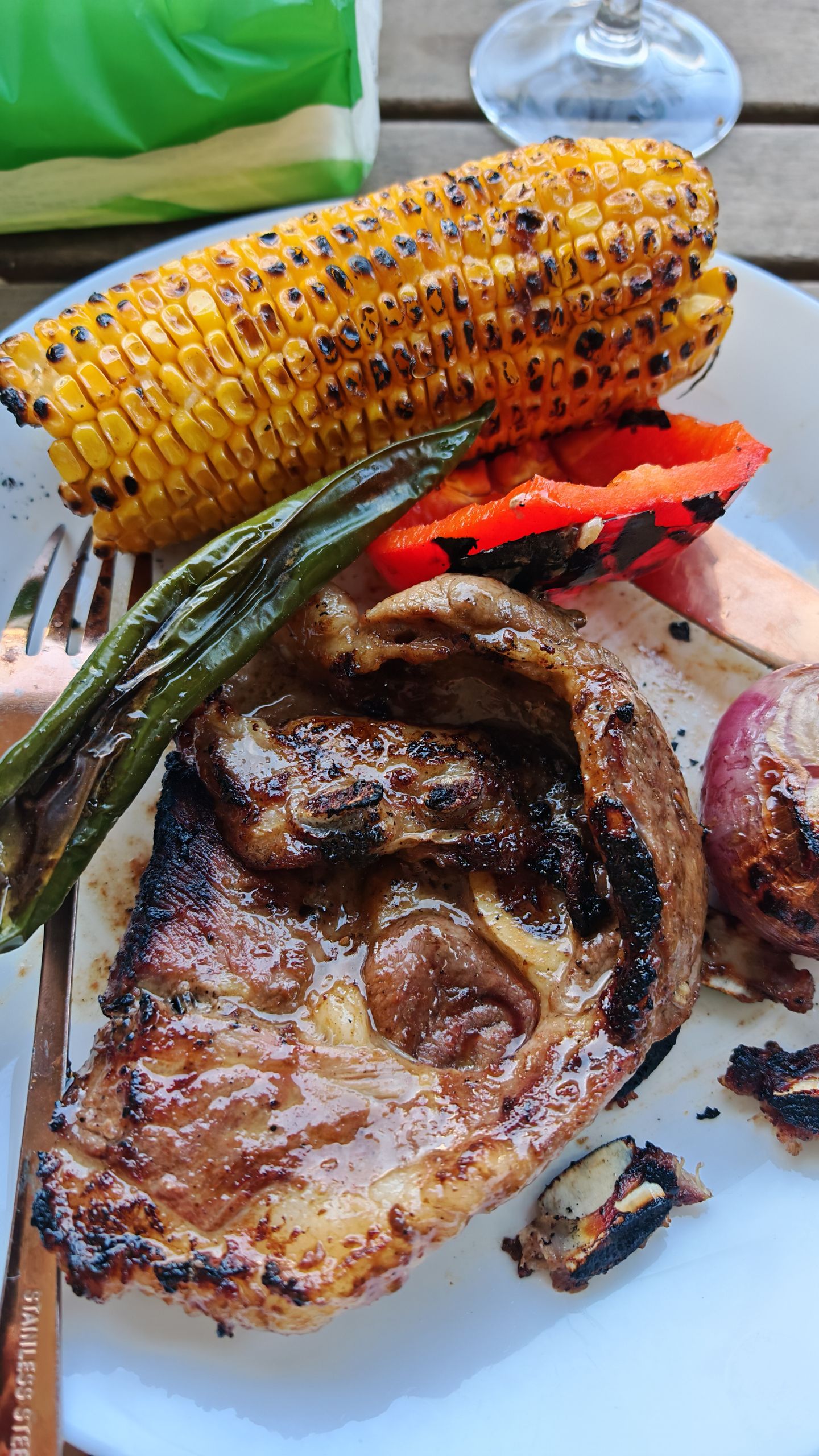
One evening, I stood in the kitchen and made a meal I would never have planned for company. It was simple, mismatched, and built entirely around what sounded good in that moment rather than what looked like a proper dinner.
I ate standing at the counter at first, then carried the plate to the table when I realized I wanted to slow down. No one was there to judge the combination, comment on the portion, or decide whether the meal appeared balanced enough to deserve approval.
That privacy changed the experience. I could notice what I wanted without immediately translating appetite into an explanation.
The food we eat when no one is watching tells a story too. Private eating can reveal comfort, fatigue, pleasure, memory, desire, and the truth of what the body asks for when it is not performing for anyone else.
The Plate Without Performance
A private plate may be strange, beautiful, repetitive, carefully prepared, or assembled from whatever happens to be available. It might include leftovers, a favorite snack, breakfast at night, or several foods that make sense only to the person eating them.
Public meals often come with expectations. The plate should look complete, the portions should seem reasonable, and the choices should communicate health, taste, restraint, sophistication, or cultural belonging.
Eating alone can remove some of that pressure. Without an audience, I may discover that I want something much simpler than the meal I would serve to others.
The plate does not need to defend itself. It belongs to the person eating it.
Appetite Changes When Nobody Is Evaluating It
Appetite is physical, but it is also social.
People eat differently depending on who is present, what the occasion requires, and how safe they feel expressing hunger. A person may order lightly in public, then eat more later because the first meal never satisfied her.
Another person may eat past comfort at a gathering because declining food would appear rude. Culture, hospitality, gender, money, and body expectations all influence what reaches the plate.
Privacy can expose the gap between what I actually want and what I believe I should want. That information can be useful when I receive it without judgment.
Women Are Taught to Edit Their Hunger
Women learn early that appetite carries meaning.
Eating too much can appear undisciplined. Eating too little may invite concern, while enjoying food openly can feel risky in cultures that praise women for taking up as little physical and emotional space as possible.
Those expectations often follow us into private rooms.
A woman may eat alone and still imagine the gaze of someone evaluating her body, portion, or self-control. The audience becomes internal even after everyone else has left.
This tension connects with my reflections on why women’s rest and softness are not surrender. Hunger, like fatigue, is a bodily message. Responding to it does not represent weakness.
Food Memory Often Appears in Private
Some foods become most appealing when I need comfort rather than presentation.
I may want a dish associated with childhood, travel, family, or a period when the meal helped me feel safe. The recipe might be simple, but the emotional history gives it weight.
This belongs beside my writing about how food memories continue following us home. Private appetite often reaches for what the body already recognizes.
A familiar flavor can bring reassurance after a difficult day. It may also carry grief, longing, or a connection to someone who once prepared it.
The food does not need to solve the emotion. Sometimes recognition itself offers comfort.
Convenience Can Be an Honest Need
Private meals reveal how much energy I truly have.
I may imagine cooking something elaborate, then discover that what I need is a sandwich, eggs, soup, or leftovers warmed without ceremony. That choice can reflect fatigue rather than laziness.
Cooking requires planning, shopping, preparation, cleanup, and enough mental capacity to make decisions. Some evenings, convenience protects the little energy that remains.
I do not want every simple meal to become evidence that I failed at home cooking. A practical dinner can still provide nourishment, pleasure, and relief.
The honest meal is often the one I can actually make.
Shame Does Not Belong at Every Meal
Food culture gives people endless reasons to feel guilty.
A meal contains too many carbohydrates, not enough protein, excessive fat, too much sugar, insufficient vegetables, or ingredients someone online has decided should never be eaten. The rules change, but the shame remains available.
That constant evaluation can turn eating into a courtroom.
Food can offer information without becoming a verdict. I can notice that a meal left me satisfied, sluggish, energized, uncomfortable, or still hungry without treating the response as proof of moral character.
Curiosity teaches me more than punishment. Shame usually makes the truth harder to hear.
Private Eating Can Reveal Deprivation
Sometimes a strong private appetite reflects what I have denied myself in public.
If I spend the day ignoring hunger, restricting food, or choosing meals designed to look disciplined rather than feel satisfying, the body may ask more urgently later. That response does not necessarily represent a lack of control.
It may represent an unmet need.
The pattern deserves attention, especially when private eating feels secretive, distressing, physically uncomfortable, or difficult to interrupt. Compassionate professional support can be valuable when food, body image, or eating behavior creates ongoing fear or harm.
I do not want to diagnose every unusual meal. I also do not want shame to keep anyone from seeking help when eating has become painful.
Pleasure Is Useful Information
Nutrition conversations often treat pleasure as suspicious.
Enjoyment becomes something to control, earn, or justify through exercise and restraint. Yet pleasure can help me understand what makes a meal satisfying enough to end.
Texture, temperature, seasoning, familiarity, and emotional context all matter. A plate that meets physical requirements but offers no pleasure may leave me searching for something else afterward.
Enjoyment does not have to mean excess. It can mean paying enough attention to recognize what tastes good and when I have had enough.
A satisfying meal supports the body and the person living inside it.
Home Cooking Can Support Choice Without Becoming a Rule
Cooking at home gives me more control over ingredients, seasoning, portions, and timing. I can make food according to my own appetite rather than the expectations of a restaurant or gathering.
When meat fits the meal, selections from ButcherBox may help some households keep proteins available for simple home cooking. Whether that service makes sense depends on budget, freezer space, household size, and personal eating habits.
Keeping ingredients nearby can reduce friction, but home cooking should not become another measure of virtue. Buying prepared food, reheating leftovers, or making a snack plate can all be reasonable ways to feed myself.
The purpose is nourishment, not performance through domestic labor.
Quiet Can Help Me Hear Hunger More Clearly
Eating with a screen, working through a meal, or scrolling while I snack can make it difficult to notice what is happening. The food disappears while my attention remains somewhere else.
Quiet does not need to accompany every meal. Sometimes entertainment offers comfort, and shared conversation can deepen the pleasure of eating.
Still, occasional stillness helps me recognize hunger, satisfaction, taste, and emotion with greater clarity. Guided practices through Calm may support that kind of reflection when my thoughts feel too noisy to separate physical need from stress or habit.
The goal is not perfect mindfulness. I simply want enough presence to understand what the meal is telling me.

A DG Speaks Recommendation
I want more years to nourish myself honestly, trust my body, and enjoy the life I am still creating
I partnered with Happy Aging to share products that support energy, vitality, and a life grounded in nourishment, self-trust, and everyday well-being.
Eating Alone Is Not the Same as Being Lonely
Private eating often gets framed as a lesser version of a shared meal.
Community matters, and food can create powerful forms of connection. Still, eating alone does not automatically represent isolation or sadness.
A solitary meal can offer rest. I can choose the timing, prepare exactly what I want, and let the table remain quiet after a day filled with conversation and demands.
That freedom can feel especially important for women who spend much of their time anticipating other people’s needs. A private meal may be one of the few moments when nobody else’s preference determines the menu.
Solitude can become a form of care when it is chosen rather than imposed.
Secrecy and Privacy Are Not the Same
Privacy gives me room to hear myself. Secrecy usually carries fear.
I may enjoy a private meal because I value solitude and do not need every appetite witnessed. That experience differs from hiding food because I expect punishment, ridicule, or shame.
The emotional tone matters.
Privacy says this moment belongs to me. Secrecy says I am afraid of what will happen if anyone knows.
Recognizing the difference can help me understand whether eating alone feels freeing or isolating. The same behavior may carry a different meaning depending on the emotion beneath it.
Learning My Own Hunger
When I think about that simple meal at the kitchen counter, I remember how ordinary it was. Nothing on the plate would have impressed anyone, and the combination probably would not have appeared in a cookbook.
It was exactly what I wanted.
That recognition felt important because appetite is easy to bury beneath advice, habit, schedules, and the imagined opinions of other people. Private eating can reveal what remains after those voices become quieter.
Private eating does not always uncover a profound truth. Sometimes hunger wants leftovers, toast, fruit, a full dinner, or something sweet after a long day.
The value lies in being able to notice without immediately prosecuting the choice.
I want to learn which meals satisfy me, which foods carry comfort, when convenience protects my energy, and when an appetite reflects a need I have ignored. That knowledge helps me care for myself more honestly.
Food is never entirely separate from culture, memory, gender, money, or emotion. Even alone, I bring all of those histories to the table.
Still, privacy offers a chance to decide which voices deserve authority.
I want shame to speak less loudly. I want pleasure, nourishment, curiosity, and the body’s own signals to receive more room.
Learning my hunger is part of learning myself.
I do not need every plate to look impressive. I need a relationship with food that feels truthful when nobody is watching.
Continue exploring stories about appetite, food memory, women’s lives, and the cultural meanings carried by everyday meals through DG Speaks Food.