Why I Love Food That Comes With a Family Story
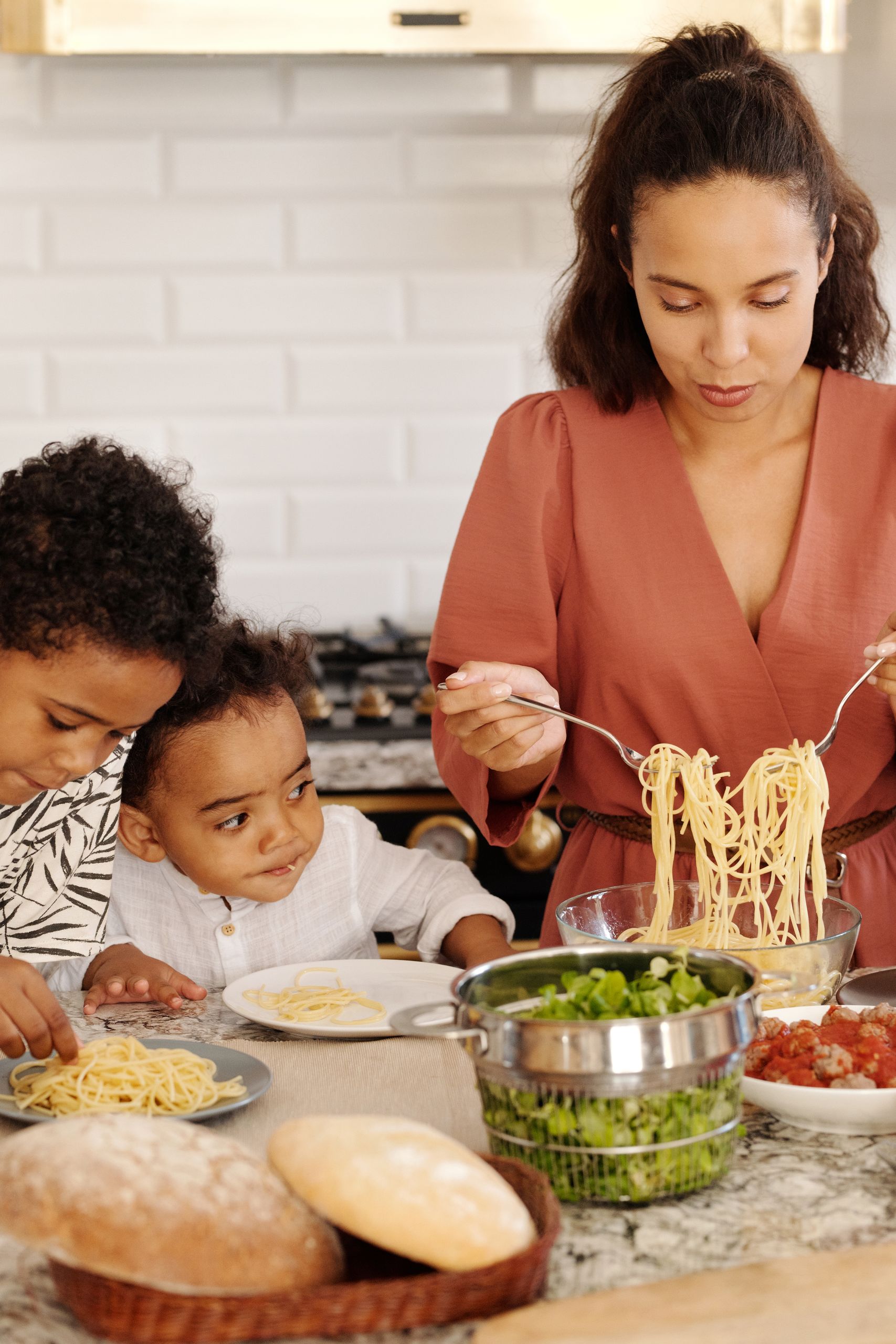
I remember standing in a kitchen while someone cooked without measuring anything. A spoon moved from the pot to the palm, seasoning was added by instinct, and every question about quantity received the same answer: enough.
The recipe had never been written down. It lived in the way the cook watched the heat, listened to the simmer, and knew from the smell that something still needed to be added.
Someone nearby insisted the dish was not being made the way another relative used to prepare it. That disagreement brought laughter, correction, and one more ingredient into the pot.
This is what I love about family food stories. They do not simply tell me what people ate. They reveal how families survived, gathered, adapted, disagreed, and continued caring for one another through the mess of life.
The Recipe Is Only Half the Truth
A written recipe can tell me how much flour to use, how long something should cook, or which temperature will produce the desired result. It cannot always explain why the dish matters.
The other half of the truth lives in the people around it. Who made it first? Who changed it because an ingredient was unavailable? Who insists that nobody else seasons it correctly?
A dish may look simple on the page while carrying decades of adjustment. Families move, incomes change, health needs shift, and ingredients become easier or harder to find. The recipe changes because life does.
That evolution does not necessarily make the food less authentic. Sometimes adaptation is the most authentic part of the story.
Who Taught the Hand Matters
Culinary knowledge is often passed through observation rather than formal instruction. A child watches someone knead dough, wash rice, clean greens, or judge oil temperature without a thermometer.
Eventually, the hand remembers what the mind may struggle to explain.
This is why my reflections on how food memories follow us home are inseparable from the people who taught us to cook. The flavor may remain, even when the original kitchen no longer exists.
Much of this knowledge has been carried by women whose expertise was treated as duty rather than skill. My work on women leading change throughout food systems reminds me that culinary labor has always extended beyond recipes. It includes planning, preservation, budgeting, teaching, and making sure everyone eats.
A Dish Can Carry Survival Without Becoming a Hardship Story
Family dishes often reveal how people responded to scarcity. They stretched meat with beans, transformed leftovers, preserved harvests, and learned how to make inexpensive ingredients satisfying.
That ingenuity deserves respect, but I do not want to romanticize deprivation. Making something beautiful from limited resources does not mean the limitation was just or desirable.
Food can hold both truths. A recipe may represent creativity and love while also reflecting poverty, displacement, rationing, discrimination, or the unequal burden of feeding a household.
Honoring the dish means recognizing the skill without celebrating the conditions that made such resourcefulness necessary.
The Family Version Is Rarely the Only Version
People often speak about a family recipe as though one correct version has been protected across generations. In reality, several versions may exist at the same time.
One relative adds more garlic. Another leaves out an ingredient no one in her household enjoys. Someone uses a shortcut, while another insists that the shortcut changes everything.
These disagreements are part of the inheritance. They show that recipes remain alive because people continue interacting with them.
The argument over the right way to make a dish may be less about ingredients than memory. Each person is protecting the version connected to a particular kitchen, relationship, or period of life.
Substitutions Tell Their Own Story
A substitution can reveal migration more clearly than an official document.
A family arrives in a new place and discovers that a familiar herb is unavailable. A different cut of meat becomes more affordable, or a local grain replaces the one used at home.
Over time, the substitute becomes part of the family version. Children grow up believing that this adaptation is how the dish has always been made.
That does not erase where the food began. It shows how culture travels through ordinary decisions made in grocery stores and kitchens.
Family food is often both preservation and reinvention.
Not Every Food Memory Is Sweet
Food writing can make family meals sound warmer and more harmonious than they were. Not every kitchen was safe, and not every table represented belonging.
A dish can bring back grief, conflict, absence, or the pressure placed on one person to keep everyone fed. Some recipes are associated with people we miss, while others remind us of relationships that were difficult.
That complexity belongs in the story too.
I do not need to turn every memory into nostalgia in order to honor it. Sometimes the most honest response is to acknowledge that the food was comforting even when the circumstances were not.
Cooking Labor Should Not Disappear Behind Love
Calling food an expression of love can be beautiful, but the phrase can also hide labor.
Someone planned the meal, checked what was available, purchased the ingredients, prepared the food, and cleaned the kitchen afterward. In many families, that work has been expected from women without being divided fairly or recognized as expertise.
Love may motivate the cooking, but love does not eliminate the need for rest, help, or appreciation.
A family recipe is easier to celebrate when the person responsible for preparing it is not exhausted by everyone else’s expectation that it will simply appear.

A DG Speaks Recommendation
I want more years of cooking, remembering, and gathering around tables that still feel like home
I partnered with Happy Aging to share products that support energy, vitality, and a life that remains connected to the people and traditions that matter.
Ingredients Can Bring the Story Back to the Kitchen
Sometimes recreating a family dish begins with finding the ingredients that make the memory recognizable.
A familiar spice blend, particular vegetable, or preferred cut of meat can help the kitchen feel connected to a place or person that is no longer nearby. Selected meats from ButcherBox can support meals at home when meat is part of the recipe, especially when I am planning around dishes that feed several people.
The ingredient is only the beginning. The story returns through the way it is seasoned, served, and shared.
Food tours available through GetYourGuide can also reveal how household foods become part of a larger cultural memory. The most meaningful experiences connect a dish to migration, agriculture, labor, religion, and family life rather than presenting it as an isolated taste.
The Antidote Is Recording More Than Measurements
Family recipes are often documented only when people realize that a cook’s knowledge may disappear. By then, asking questions can feel urgent.
The antidote is to begin recording the story while the pot is still on the stove.
Write down the ingredients, but also ask where the recipe came from. Record who changed it, which holidays included it, and why one relative prepares it differently.
Photograph the hands as well as the finished plate. Capture the phrases people repeat, the corrections they make, and the details that would never appear in a conventional recipe.
The goal is not to freeze the dish into one permanent version. It is to preserve enough context that future cooks understand what they inherited.
Passing Down a Recipe Should Not Become a Test
Food traditions can create belonging, but they can also become a way to judge people.
A younger relative may not cook frequently, live near the family, or have the same access to time and ingredients. Someone with a disability or chronic illness may need to change the method, while another person may simply prefer a different version.
Inheritance should not require imitation.
A recipe remains meaningful when people adapt it with honesty. The story can continue even when the next generation uses different tools, cooks less often, or serves the dish in a new setting.
A Dish With People Inside It Tastes Different
When I remember that kitchen, I do not recall an exact measurement. I remember the spoon moving through the pot, the disagreement about seasoning, and the confidence of someone who knew the dish through repetition.
The people are what make the memory complete.
Family food stories carry corrections, laughter, substitutions, grief, migration, and the stubborn insistence that people still need to eat. They remind me that recipes are not only instructions for producing food.
They are records of relationships.
I want to honor those records while people are still available to tell their versions. I want to ask who taught the hand, why the ingredient changed, and what happened around the table after the food was served.
Memory served warm is still memory. The best time to preserve it may be while the pot is simmering and everyone is still arguing about whether it needs more seasoning.
Continue exploring stories about food memory, home cooking, cultural inheritance, and the people behind the dishes through DG Speaks Food.