What Gratitude Looks Like After a Long Road
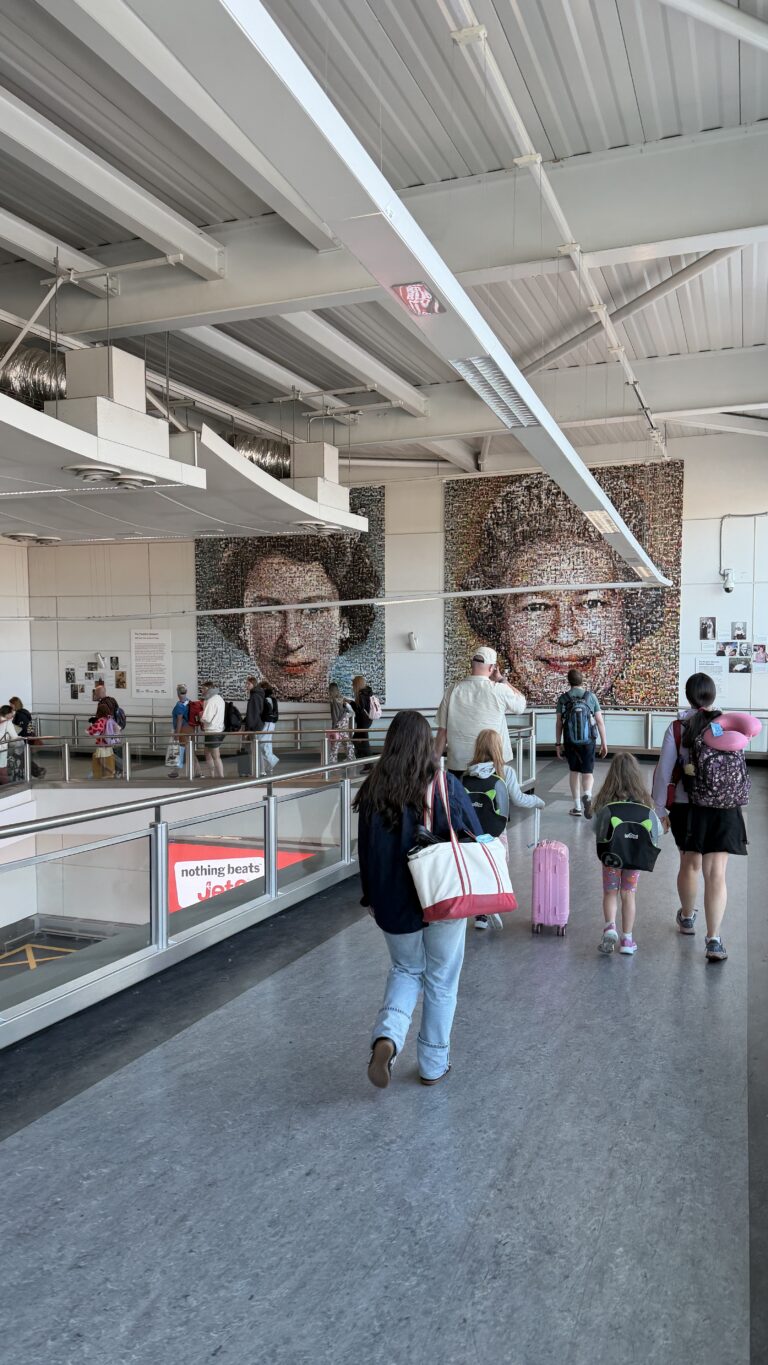
I remember one particular arrival after a long travel day. My shoulders ached, my feet felt heavy, and my phone battery had nearly given up before I found the place where I would sleep. By the time I closed the door behind me, I did not care whether the room looked impressive. I cared that it felt safe, the bed looked clean, and I could finally put my bag down.
A few minutes later, I sat on the edge of the mattress and listened to the quiet. Nothing dramatic happened. Still, relief moved through me so deeply that I almost laughed.
That moment taught me something about gratitude after travel. It does not always arrive beside a breathtaking view. Sometimes, it appears when the key works, the bus arrives, a stranger points you in the right direction, or your tired body reaches the end of the day.
The Kind of Thankfulness That Arrives With Sore Feet
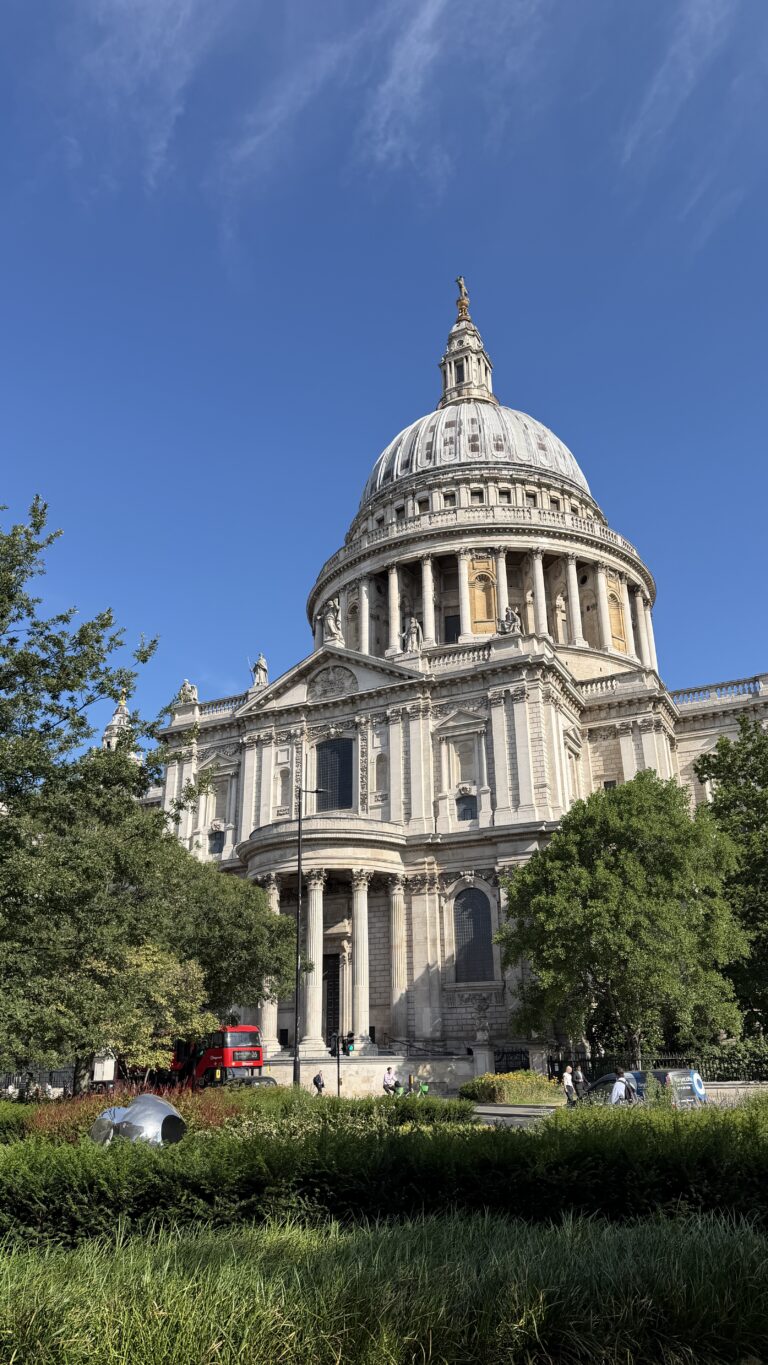
Travel photos often capture the beautiful parts. We remember the coastline, the cathedral, the market, the mountain, or the street glowing beneath evening lights. Yet, a journey contains far more than its most photogenic moments.
There are early alarms, missed turns, aching shoulders, delayed trains, crowded platforms, and meals eaten much later than planned. At times, I have stood somewhere beautiful while feeling completely exhausted.
That does not make the experience less meaningful.
In fact, the difficult parts often deepen my appreciation. A bed feels softer after I have carried a backpack all day. Water tastes better when I have walked farther than expected. Likewise, a simple meal can feel luxurious when hunger has followed me for miles.
The road changes my sense of what matters. Comfort becomes less about perfection and more about what supports me in the moment.
I Am Thankful for the Body That Got Me There
For many years, I thought about my body primarily through appearance. I noticed what I wanted to change, shrink, tone, or improve. Travel, especially long-distance walking, forced me to see it differently.
My body became transportation, shelter, warning system, and companion.
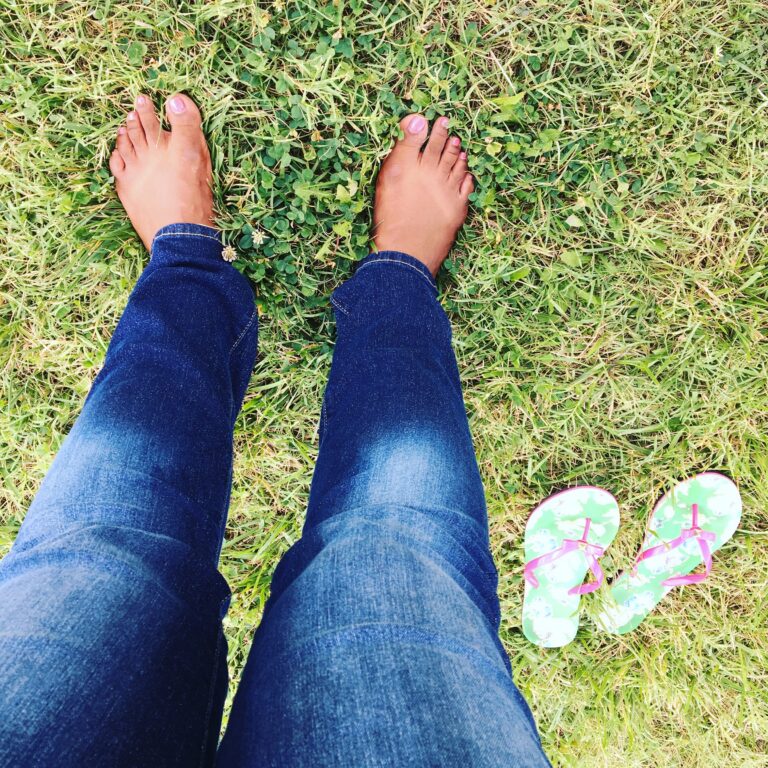
It carried me up hills when my breathing grew heavy. My feet adjusted to uneven ground. Muscles I rarely thought about kept me balanced, while my back held everything I decided I needed.
Of course, my body also complained. Blisters formed. Knees grew tender. Fatigue arrived without asking whether I had finished the day’s plan.
Instead of treating those signals as weakness, I began to understand them as communication. My body was not trying to ruin the journey. It was asking me to pay attention.
Now, gratitude after travel includes respect for the physical self that made the experience possible. I may wish I had moved faster or climbed more easily. Still, I cannot overlook the fact that I arrived.
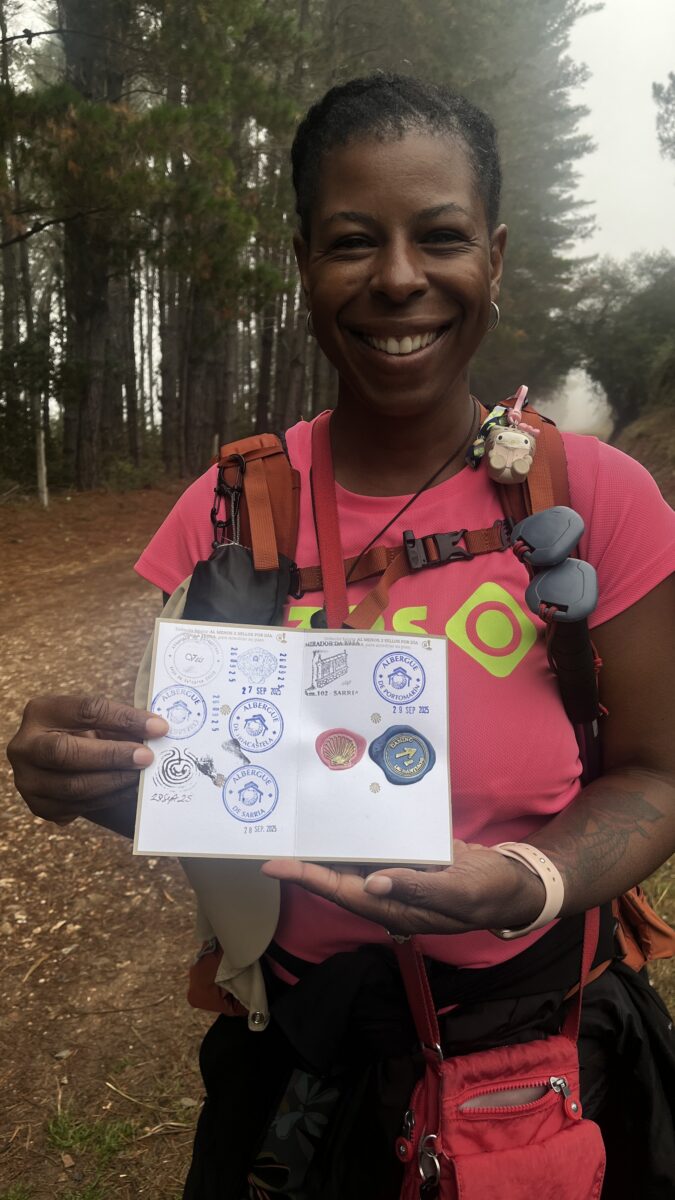
The View Was Beautiful, but So Was the Glass of Water
Some journeys teach gratitude through contrast.
After hours of walking, the smallest comforts become vivid. Cold water, shade, a chair, clean socks, and a hot shower can feel more precious than anything I might have purchased.
I remember reaching places where the scenery deserved my full attention, yet my immediate concern involved finding something to drink. Once I met that need, I could finally look around and absorb where I stood.
Travel strips away the illusion that joy must always arrive through something grand. A spectacular landscape may move me, but so can a bakery that opens early or a café worker who lets me sit for a few extra minutes.
Slow travel gives me time to notice these details. I explore that idea further in my reflection on choosing presence over pace through slow travel.
When I stop rushing toward the next attraction, gratitude becomes easier to recognize. I begin to appreciate the ordinary systems that hold a journey together.
No Journey Happens Because of Me Alone
Independent travel can create the illusion of complete self-reliance. I plan the route, buy the ticket, carry the bag, and make the decisions. However, I never travel alone in the larger sense.
Drivers move me between places. Cleaners prepare rooms before I arrive. Cooks feed me, while farmers and food workers make those meals possible long before they reach the plate.
Hosts answer questions. Receptionists explain confusing directions. Transit employees keep complicated networks moving. Meanwhile, strangers often step in during the exact moment I need help.
Sometimes, their kindness lasts less than a minute.
A woman gestures toward the correct platform. Someone helps lift my bag up a staircase. A shopkeeper patiently waits while I search for the right words in another language. None of these people may remember me, yet they become part of my story.
That awareness keeps me humble. A journey may appear under my name, but countless people help build it.
The Invisible Labor Behind a Beautiful Stay
Hotels, hostels, guesthouses, and rental properties often market ease. We walk into a prepared room and immediately experience the result. Fresh linens wait on the bed. Towels hang neatly, and the bathroom appears ready for us.
Someone created that comfort.
The person who cleaned the room may never meet me. Nevertheless, their labor shapes my sense of safety and rest. The same holds true for maintenance staff, laundry workers, cooks, porters, and everyone else who keeps hospitality running.
Travel has taught me to look beyond the polished surface. I want to remember the human effort underneath it.
That perspective also changes how I behave as a guest. I try to leave a space with consideration, speak respectfully, and recognize workers whose jobs often become invisible to travelers.
Gratitude should affect conduct. Otherwise, it risks becoming another pleasant feeling that asks nothing of us.
The Stranger Who Changed the Whole Day
Some of my strongest travel memories involve people whose names I never learned.
Once, I was confused in a transit station and trying not to look as lost as I felt. A stranger noticed, paused, and pointed me toward the correct route. The interaction lasted only a moment, but it prevented a much longer mistake.
Another time, someone offered reassurance when I looked tired and uncertain. Their words did not solve every problem. Still, they helped me keep moving.
Travel makes us vulnerable in practical ways. We may not understand the language, local customs, transportation system, or neighborhood. Therefore, small acts of kindness carry enormous weight.
I have learned not to dismiss them as insignificant. A short interaction can restore confidence, soften frustration, or shift the entire mood of a day.
Years later, I may forget the exact street. Yet, I still remember how someone made me feel less alone.
Respecting a Place Means More Than Admiring It
I do not want to travel as though every destination exists for my consumption.
A city is not only a collection of attractions. People live, work, raise families, grieve, celebrate, and struggle there. Their home continues after I leave.
That truth shapes how I approach cultural travel. I want to remain curious without treating people as scenery. Likewise, I try to ask questions without assuming that access belongs to me.
Respect also requires context. A beautiful building may carry a complicated history. A traditional dish may reflect survival, migration, colonialism, resistance, or adaptation. Even a popular festival can hold meanings that visitors miss when they focus only on entertainment.
I write more about that responsibility in my thoughts on cultural travel writing rooted in respectful curiosity.
Gratitude deepens when I understand that a place shared something with me. I did not simply arrive, collect an experience, and leave unchanged.
The Road Gave Me More Than I Planned to Find
I usually begin a journey with expectations. I want to see certain landmarks, taste particular foods, attend an event, or follow a route. Planning helps me feel prepared.
Still, the most meaningful parts often escape the plan.
A conversation unfolds while I wait for a bus. A wrong turn leads me through a neighborhood I would have missed. Rain changes the day and sends me into a café where I sit longer than expected.
Those moments remind me that control has limits. Travel requires flexibility because the world will not arrange itself around my itinerary.
At first, disrupted plans can feel like failure. Later, I may recognize that the interruption gave the journey its character.
I am thankful for the places I intended to find. However, I often feel even more grateful for what found me along the way.
Preparation Can Create Room for Wonder
Practical preparation does not eliminate uncertainty. It can, however, make unexpected situations easier to manage.
I think about insurance, lodging, transportation, and activities before I leave because those choices form the structure around the experience. When the basics feel manageable, I have more energy to stay present.
For longer or international trips, travelers can explore coverage through SafetyWing. Insurance cannot prevent every disruption, but it may provide support when travel does not go according to plan.
I also use platforms such as GetYourGuide to browse tours and cultural experiences. A thoughtful local guide can add context that I might never uncover alone.
When I need affordable accommodations, I search Hostelworld for hostels and social stays. Those spaces have often given me more than a bed. They have introduced me to fellow travelers, local recommendations, and unexpected conversations.
These tools play a role, but they do not create the heart of the journey. They simply help make space for it.
Coming Home Reveals What the Journey Changed
The return home can feel strange.
Familiar rooms look almost the same, yet I see them differently. Ordinary routines resume, while part of my mind remains on another road.
I unpack clothing, receipts, and small objects. More slowly, I begin unpacking the experience.
Certain moments grow more important after distance. A frustration that felt enormous may become funny. Meanwhile, a brief conversation may reveal a deeper meaning than I understood at the time.
Gratitude after travel often develops during this stage. Once the physical demands fade, I can see the journey as a whole.
I feel thankful that I went. At the same time, I recognize that returning safely deserves its own acknowledgment.
Arrival is not guaranteed simply because we purchased a round-trip ticket. Therefore, I do not take the return for granted.
I Come Back With Softer Eyes
Travel often makes me more appreciative of what waits at home.
My own bed feels different. I notice the ease of knowing where everything belongs. Familiar food tastes comforting, and routines that once felt boring may offer stability.
At the same time, I return with a wider understanding of how other people live. I have seen different approaches to time, hospitality, work, family, food, and public life.
None of those ways needs to become a simple lesson about who does things better. Instead, they invite me to question what I once assumed was normal.
That may be the greatest gift of cultural travel. It expands my imagination.
I come home more aware that my way is only one way. With that realization, I hope to become less judgmental, more curious, and more willing to listen.
Gratitude Should Change the Way I Travel Next
I do not want gratitude to remain a sentimental ending attached to a beautiful trip.
It should influence my future choices.
Thankfulness for local communities should encourage me to support locally owned businesses when possible. Appreciation for workers should affect how I treat them. Respect for a destination should shape how I write about it, photograph it, and speak about the people who live there.
Likewise, gratitude for my body should make me care for it before the next journey begins. That means resting, training, packing thoughtfully, and listening when something hurts.
Every trip teaches me how to travel again with greater awareness.
The goal is not perfection. I will still make mistakes, misread situations, and occasionally pack something I never use. However, I want each journey to leave me more thoughtful than the last.
The Souvenirs I Cannot Put on a Shelf
Physical souvenirs eventually gather dust. The most important things I bring home rarely fit inside my luggage.
I carry the memory of a meal shared after a difficult day. A stranger’s kindness comes with me. So does the confidence I gained by solving a problem far from home.
I bring back new questions about culture, belonging, and the kind of life I want to build. In addition, I return with proof that I can navigate uncertainty, ask for help, and continue when the road becomes uncomfortable.
Those gifts do not always announce themselves immediately. Sometimes, I recognize them months later.
A decision feels easier because travel taught me flexibility. A difficult day seems more manageable because I remember what my body has already carried. Another person’s difference feels less threatening because the road expanded my understanding.
That is what I mean when I say travel stays with me.
More Than a Destination Checked Off a List
I used to think about journeys largely through places reached. I visited the city, walked the route, saw the landmark, and completed the plan.
Now, I care more about how I moved through the experience.
Did I pay attention? Did I treat people with dignity? Was I willing to learn? Could I receive help without assuming I deserved it? Did I leave space for wonder instead of rushing toward the next photograph?
These questions matter because travel can easily become consumption. We collect destinations, experiences, and images without considering what they ask of us.
Gratitude interrupts that pattern.
It reminds me that the destination was never simply mine to take. Someone welcomed me, fed me, transported me, taught me, or allowed me to witness a small part of their world.
The Quiet Thanks I Carry Home
After a long journey, I am thankful for the destination. Of course, I remember the view, the architecture, the flavors, and the thrill of standing somewhere new.
Yet, my deepest appreciation often settles elsewhere.
I am thankful for the safe arrival, the meal that restored me, and the bed that allowed me to rest. I remember the stranger who gave directions, the worker who prepared the room, and the guide who explained what I could not have understood alone.
Most of all, I feel grateful for the body that carried me and the mind that remained open enough to be changed.
The road deserves respect because it always asks something from me. It requires patience, humility, flexibility, courage, and attention.
When I return with softer eyes, I know the journey gave me more than something to post. It gave me another way to see.
That is the kind of gratitude after travel I want to keep long after the suitcase has been emptied and the photographs have settled into memory.
Explore more reflections on meaningful journeys through DG Speaks Travel. You can also discover stories about identity and connection in DG Speaks Culture and reflections on food as a doorway into place through DG Speaks Food.