Kentucky Derby: Silk Hats, Fast Horses, and the Theater of American Class
There are few American events that understand spectacle quite like the Kentucky Derby.
Before the horses even reach the track, performance has already begun.
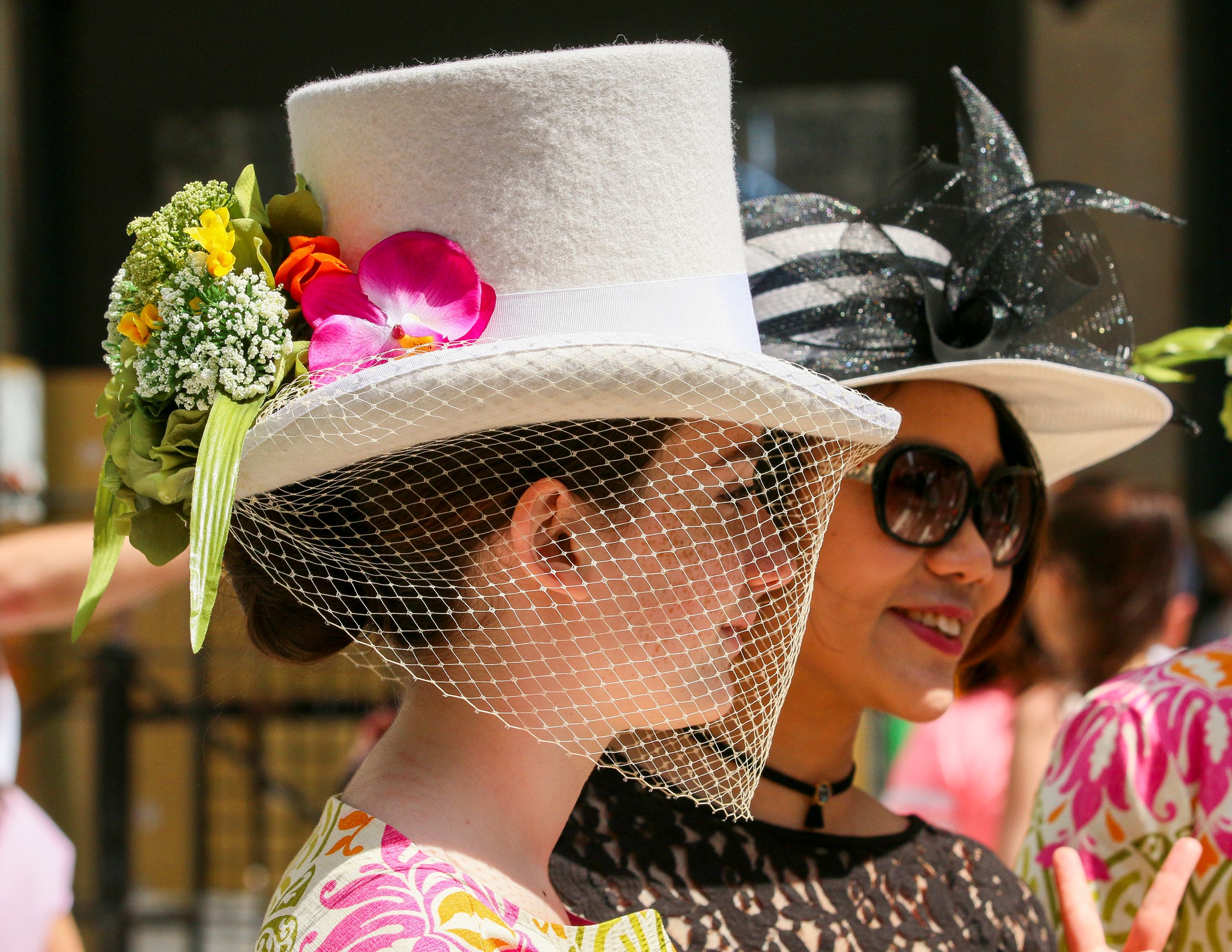
Women move through Churchill Downs in elaborate hats sculpted like wearable architecture. Men in pastel suits sip bourbon beneath the spring sun. Luxury brands host private gatherings while influencers document every detail for social media audiences eager to participate in the fantasy from afar. Everywhere you look, elegance mingles with excess.
At first glance, the Derby appears to be a celebration of fashion, wealth, sport, and Southern tradition.
Yet beneath the roses and champagne lies something far more revealing about America itself.
The Kentucky Derby functions as a cultural mirror reflecting race, class, aspiration, nostalgia, tourism, and performance all at once. It is both glamorous and historically complicated. Democratic and exclusionary. Beautiful and deeply layered with contradictions that continue shaping the American imagination.
That tension is part of what makes the experience so captivating.
Beneath the Wide Brim of American Fantasy
The Derby does not simply invite attendance. It invites participation in mythology.
For one weekend each year, Louisville transforms into a stage where visitors can temporarily inhabit a fantasy of Southern sophistication and aristocratic leisure. Even tourists with no prior interest in horse racing find themselves seduced by the atmosphere.
And honestly, it is easy to understand why.
The visuals alone feel cinematic. Mint juleps sweating in silver cups. The sound of live bands drifting through crowded walkways. Women adjusting elaborate fascinators against the wind. Groups posing for photographs in coordinated colors beneath the grandstands. The environment feels intentionally curated to create longing.
People come searching for beauty, status, excitement, and belonging.
Yet the Derby also reveals how deeply Americans romanticize luxury experiences tied to heritage and exclusivity. The event allows attendees to perform elegance, even temporarily, inside a highly visible cultural ritual.
In many ways, the Derby resembles fashion week as much as a sporting event.
Fast Horses and Slow Histories
Horse racing in the United States carries a deeply complicated racial history.
Many casual visitors remain unaware that Black jockeys dominated early American horse racing after the Civil War. In fact, 15 of the first 28 Kentucky Derby winners were ridden by Black jockeys. Over time, segregation, racism, violence, and institutional exclusion pushed Black riders out of elite racing spaces almost entirely.
That history lingers quietly beneath the modern spectacle.
Today, many Derby audiences consume the event primarily through fashion, celebrity culture, gambling, luxury branding, and tourism marketing. Yet traces of older American realities remain embedded throughout the experience.
The South has always understood performance. Hospitality, elegance, tradition, and pageantry often coexist alongside histories many people prefer not to confront directly.
What fascinates me about the Kentucky Derby is not simply the beauty of the event, but the emotional complexity underneath it. The Derby represents America’s ongoing relationship with class aspiration and selective memory.
People arrive wanting to feel elevated by proximity to prestige. Few spaces package prestige more effectively than Churchill Downs.
Fashion as Social Language
Fashion at the Derby deserves serious cultural attention.
The hats alone communicate entire social identities. Some guests embrace old Southern aesthetics while others reinterpret Derby fashion through Black luxury culture, contemporary streetwear influences, high fashion, or playful maximalism. The event becomes a living study in how Americans perform status through clothing.
And unlike many luxury spaces, the Derby still allows room for theatricality.
That theatrical energy creates fascinating visual contrasts. Old money aesthetics coexist beside influencer culture. Bourbon traditions meet TikTok trends. Generational wealth shares space with aspirational tourism. Luxury branding blends with regional identity.
As a Black and Latina woman observing the Derby through a cultural lens, I find these intersections deeply compelling. Visibility shifts depending on who occupies the space, how they dress, and what cultural references they embody.
Fashion at the Derby is never just fashion.
It becomes language. Performance. Social positioning. Fantasy construction.
And honestly, that is part of the fun.
Roses, Bourbon, and the Pursuit of Escape
What ultimately makes the Kentucky Derby so emotionally powerful is that it offers temporary escape wrapped inside elegance.
People travel from around the world to experience a version of America that still feels ceremonial. The Derby slows time briefly. It encourages dressing up, gathering publicly, celebrating beauty, and surrendering to spectacle.
Modern life rarely provides opportunities for collective glamour anymore.
Perhaps that is why the Derby continues captivating audiences across generations.
Of course, the event remains commercially driven. Wealth shapes access. Luxury defines much of the atmosphere. Yet despite these realities, there is still something undeniably moving about witnessing thousands of people collectively lean into joy, fashion, ritual, and anticipation beneath the spring sky.
The horses run for only a few minutes.
The emotional performance surrounding them lasts far longer.
And maybe that is the true magic of the Kentucky Derby. Not the race itself, but the fantasy people willingly travel to inhabit together.
For one weekend, at least, elegance feels possible. History feels alive. And America once again stages one of its most beautiful contradictions.