Why I Keep Looking for Local Bread
I found the bakery because I smelled it before I saw it.
I had been walking without a particular destination, following a street that curved away from the busier part of town. The morning was still cool, and several businesses had only begun lifting their shutters. Then, warm air carrying the smell of flour, butter, and something lightly toasted drifted through an open doorway.
I stopped.
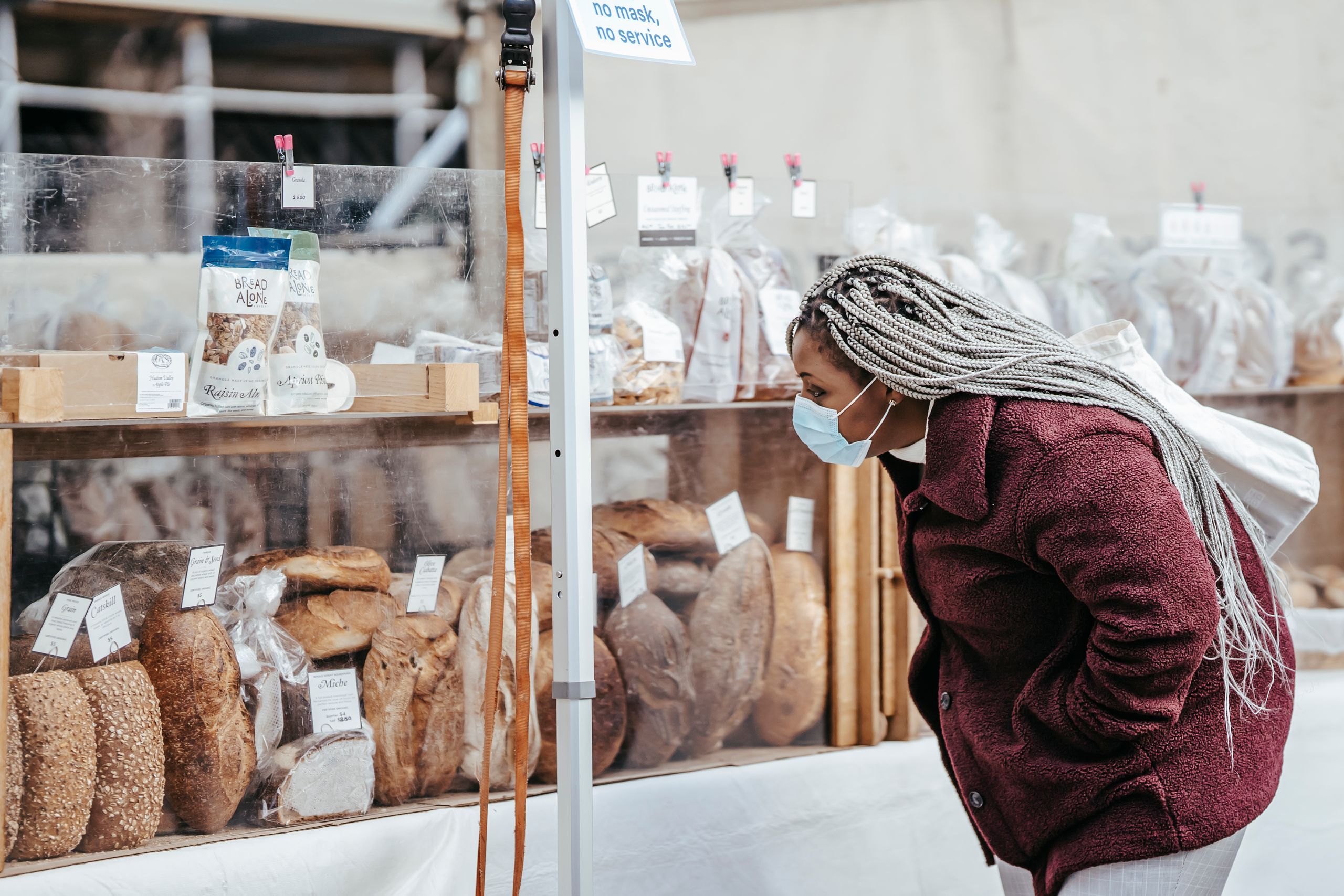
The bakery window was small and slightly fogged from the heat inside. Baskets of bread sat behind the glass, some long and narrow, others round and deeply browned. A woman ahead of me entered without pausing to study the display. She already knew what she wanted.
Inside, customers moved with the confidence of habit.
One person bought two loaves and tucked them under an arm. Someone else ordered coffee and a small pastry, then stood at the counter eating quickly before continuing with the day. An older man greeted the person behind the register as though they had repeated the same exchange hundreds of times.
I watched before deciding.
That is often how I encounter local bread when I travel. I may not understand every name on the sign, but I can learn by noticing what disappears from the shelves first, what people buy in multiples, and which loaf seems ordinary enough that nobody thinks to explain it.
Bread has a way of telling me how people begin the day, stretch a meal, welcome someone home, and create comfort from something made largely of grain, water, salt, and time.
The Smell Makes the Decision Before I Do
I rarely set out specifically searching for a bakery.
More often, the smell interrupts whatever plan I had.
Warm bread carries farther than I expect. It moves through train stations, across sidewalks, and out of doors opened briefly for deliveries. Even when I have already eaten, the aroma makes me curious.
There is something deeply inviting about it.
The smell suggests that the day has begun somewhere behind the wall. Someone arrived early, mixed dough, shaped loaves, heated ovens, and prepared food for people who would soon pass through on their way to work, school, or home.
By the time I walk in, an entire morning of labor has already happened.
The Bakery Tells Me When the Neighborhood Wakes
A bakery changes according to the hour.
Early in the morning, the pace can feel practical. Customers know their orders, carry exact change, and leave with bread meant for breakfast or the household table.
Later, the bakery becomes more leisurely.
People stop for something sweet. Travelers study the display, families choose treats, and the final loaves begin disappearing.
Standing in line, I learn a little about the neighborhood without asking a single question.
I see who comes alone and who buys for several people. I notice whether customers linger over coffee or leave immediately. The shelves reveal which breads belong to celebrations and which ones belong to ordinary life.
The bakery knows the community through repetition.
It remembers needs expressed through purchases.
I Look for the Bread People Do Not Photograph
Travel often encourages me to seek the exceptional.
I am shown the famous restaurant, elaborate pastry, and dish everyone insists I must try. Those experiences can be worthwhile, and I enjoy them.
Still, I am often more interested in the bread people buy without thinking of it as special.
It may be the loaf carried home each afternoon, the roll packed into a child’s lunch, or the inexpensive bread used to complete a bowl of soup.
That bread rarely receives a dramatic introduction.
It belongs so completely to daily life that people may not recognize it as cultural knowledge.
Yet, ordinary food often tells me more about a place than the dish designed to represent it to visitors.
Bread Becomes Daily Geography
Every loaf begins somewhere.
The grain grew in particular soil and weather. Milling shaped the flour, while local habits influenced texture, size, crust, and flavor.
Climate matters too.
Humidity changes dough. Available fuel shapes baking methods, and the rhythms of work influence whether bread needs to last several days or be purchased fresh each morning.
One place may prefer a crisp crust and airy center. Another values density, softness, sweetness, or a bread sturdy enough to hold broth and sauce.
Bread carries geography without announcing it.
To eat it attentively is to taste a place’s relationship with land, labor, and time.
A Loaf Can Reveal How a Meal Is Built
Bread may arrive before dinner, beside dinner, or as the structure holding the meal together.
It can carry meat, cheese, vegetables, eggs, or whatever remains from the day before. A piece dipped into broth makes a small serving feel more complete.
When food is limited, bread stretches the table.
That practicality has helped it become central across many cultures.
Still, calling bread a staple can make its importance sound merely functional.
The bread basket also creates welcome. Tearing and sharing a loaf changes the mood of the table. Hands reach toward the same food, and the meal begins before the main dish arrives.
The First Bite Often Tells Me How Patient the Baker Was
Good bread has a way of revealing time.
The crust breaks before the center gives way. Inside, the texture may be open and airy or close and tender, depending on what the bread is meant to become.
Flavor develops slowly.
A long fermentation creates depth that cannot be replaced simply by adding more ingredients. The loaf tastes slightly different from flour mixed and baked as quickly as possible.
That does not mean every bread must be artisanal or expensive.
It means even a simple food can hold evidence of patience, knowledge, and repeated practice.
Bread is simple only when I ignore everything required to make it well.
The Hands Behind the Loaf Matter
When I see shelves filled with finished bread, it is easy to forget the body that produced it.
Bakers often begin work while most people are asleep. Dough is heavy. Ovens are hot, and repetition can strain hands, shoulders, and backs.
Someone weighs, mixes, folds, shapes, scores, bakes, cools, stacks, and sells every loaf.
The romance of the bakery can hide that labor.
I love the smell, the warm lighting, and the sight of flour still resting on a work surface. However, beauty should not make work invisible.
The loaf carries someone’s skill and someone’s physical effort.
Women Have Carried Bread Knowledge Across Generations
Not all bread comes from a commercial bakery.
Much of its history lives in domestic kitchens, where women learned by watching, touching, and repeating.
The recipe may have existed only as instruction spoken over a bowl.
Add water until the dough feels right.
Knead until it changes beneath your hand.
Leave it near warmth, but not too much warmth.
These directions require sensory knowledge that a written measurement cannot fully capture.
Someone had to show what “ready” looked like.
Even when later generations buy bread rather than bake it, that inherited understanding remains part of the food memories that continue following us home.
Food Memory Can Begin With a Crust
Sometimes, I remember a bread more clearly than the rest of the meal.
I remember tearing it while it was still warm, spreading something across it, or using it to gather the last sauce from a plate.
The texture stays with me.
So does the setting.
A particular loaf can bring back a café table, a family kitchen, a journey, or a person who insisted that I take another piece.
Food memory does not always organize itself around elaborate dishes.
It may live inside the simplest item on the table.
Stale Bread Shows Me How Cultures Refuse Waste
Bread is at its most appealing when fresh, but its story rarely ends there.
Across cultures, cooks have found ways to give older bread another life. It becomes crumbs, stuffing, pudding, soup, toast, thickener, or the base for another dish entirely.
These recipes reveal creativity shaped by necessity.
Food that required grain, labor, heat, and time was too valuable to discard simply because its texture changed.
The transformation of stale bread reminds me that thrift can become cuisine.
Resourcefulness does not always look like deprivation.
Sometimes, it becomes the dish people later remember with the most affection.
The Bakery Helps Me Understand How a City Feels
I learn a city partly through where people eat when they are not performing the city for visitors.
A neighborhood bakery can reveal pace, price, routine, and social familiarity. It shows me whether breakfast happens standing at a counter or seated for a long conversation.
That is why bread belongs beside my reflections on how local restaurants teach me how a city feels.
Restaurants tell stories through menus and service.
Bakeries often tell them through rhythm.
The morning line may explain the place before I have learned the street names.
I Learn by Watching What People Choose
When I do not know the local bread, I pay attention.
Which loaf does the person ahead of me request without pointing? What does the customer buying for a family carry away?
Is there one bread sold by weight and another purchased individually?
Observation gives me context that a translated sign may not provide.
Sometimes, I ask the person behind the counter what they recommend. At other times, the line is too long, and the workers are too busy for a cultural lesson.
Then, I choose quietly and accept that tasting is also a form of learning.
Not Every Bakery Is Quaint
I have to resist romanticizing every local bakery.
Some are beautiful. Others are fluorescent, crowded, hot, and entirely focused on moving customers through quickly.
The bread may arrive in a paper bag without any charming story attached.
That does not make the place less meaningful.
A working bakery serves real needs. It may feed a neighborhood at prices people can manage, employ local residents, and provide food that has anchored daily routines for decades.
Authenticity does not require rustic shelves or perfect photographs.
Sometimes, it looks like efficiency.
Bread Prices Carry a Larger Story
A loaf can seem expensive until I consider everything behind it.
Flour, rent, equipment, energy, transportation, labor, and time all enter the price. Grain markets and fuel costs may shape what the bakery charges long before the customer reaches the counter.
At the same time, bread remains essential food.
When prices rise, households feel it quickly.
This creates a tension similar to the one I see throughout food systems. Bakers and farmers deserve sustainable livelihoods, while communities need affordable food.
The solution cannot depend on asking the worker to absorb every cost or blaming the customer whose budget cannot stretch further.
A Simple Loaf Can Still Become a Luxury
Artisan bread culture has helped many people appreciate fermentation, grain, and traditional technique.
It has also turned some everyday foods into products priced beyond the reach of the communities that once relied on them.
There is value in skilled bread.
However, I remain aware of the difference between honoring craftsmanship and turning necessity into status.
Good bread should not exist only as a lifestyle symbol.
It should still feed people.
Travel Changes the Way I Taste Bread at Home
After encountering breads in other places, I begin noticing local loaves differently.
I pay more attention to crust, grain, and what the bread is designed to accompany. I become curious about nearby mills, regional ingredients, and the small bakeries I may have overlooked because they felt too familiar.
Travel does not only introduce me to the distant.
It can sharpen my attention to home.
I begin asking which breads belong to my own region, who makes them, and what local habits I stopped seeing because I grew accustomed to them.
A Food Tour Can Offer Context, but the Line Offers Its Own Lesson
Guided food experiences can help me understand how bread connects with migration, agriculture, trade, religion, class, and local history.
I sometimes browse culinary tours through GetYourGuide when I want someone to help interpret what I am tasting.
A thoughtful guide can reveal stories I would otherwise miss.
Still, I often learn something valuable by simply standing in line.
The person ahead of me may order breakfast. Someone behind me may buy bread for dinner, and the baker may greet a regular by name.
The everyday choreography becomes its own form of education.
Tourism Can Change the Bread on the Shelf
As neighborhoods attract more visitors, bakeries may begin selling different products.
Traditional daily breads remain, but pastries designed for photographs or flavors aimed at international tastes may occupy more space.
Tourism can bring income and help a bakery survive.
It can also shift the business away from the people who once depended on it.
I try to notice who still shops there.
A bakery full of visitors may still be local in ownership and technique. Yet, if longtime residents can no longer afford or recognize it, something in its relationship with the neighborhood has changed.
Bread Can Make a Temporary Room Feel Like Home
When I travel, I do not always have a full kitchen.
A loaf of local bread helps create meals without much equipment. I can pair it with cheese, fruit, eggs, soup, or something simple from a market.
The bread turns a temporary room into a place where I can feed myself.
It also reduces the distance between visitor and daily life.
I am not eating only in restaurants. I am carrying groceries, tearing bread, saving what remains, and thinking about breakfast the next morning.
Ordinary habits help me inhabit a destination rather than merely pass through it.
The Paper Bag Becomes Part of the Journey
Fresh bread rarely travels neatly.
The bag folds under my arm. Crumbs gather at the bottom, and the loaf may lose a piece before I reach where I am staying.
I often tear off the end while walking.
That first bite becomes part of the place.
I remember the street, weather, and feeling of carrying something warm that was made nearby.
The bread does not remain an abstract cultural artifact.
It becomes lunch.
Bread Connects Strangers Without Requiring Much Language
In a bakery, I may not speak the local language well.
Still, pointing, counting, smiling, and paying often carry me through the exchange.
The person behind the counter places the loaf in a bag. I say thank you with the words I know, and the interaction ends simply.
Food creates a form of participation before fluency arrives.
I am not claiming deep belonging because I bought bread.
However, I have entered one small routine shared by the people who live there.
A Loaf Can Hold Migration and Adaptation
Bread traditions move with people.
Immigrants bring techniques, starters, seasonings, and expectations about what bread should feel like. Then, local flour, climate, equipment, and customer tastes begin shaping the result.
The new loaf may not match the original exactly.
That difference does not make it false.
It becomes evidence of adaptation.
Food carries memory while responding to where people have arrived.
Not Everyone Experiences Bread as Comfort
Bread carries warmth and familiarity for many people.
For others, it may represent scarcity, dietary restriction, illness, or food they were forced to rely on when little else was available.
Even comfort foods have complicated histories.
I do not assume one emotional meaning belongs to everyone.
Food memory remains personal, even when a dish appears widely shared.
The Grain Matters Before the Baker Begins
The bakery receives flour, but the bread story starts in the field.
Farmers choose grain varieties, manage soil, face weather, and respond to changing markets. Millers then determine how much of the grain remains in the flour and how its character will appear in the dough.
Industrial flour creates consistency.
Smaller mills and regional grains may offer more distinctive flavor, though often at higher cost.
When I think about local bread, I want to look farther back than the bakery counter.
Local baking does not always mean local grain.
Climate Change Will Change Bread Too
Heat, drought, flooding, and shifting growing conditions affect grain.
Those changes may influence price, availability, protein content, and how flour behaves in a bakery.
Bread can feel timeless.
Its ingredients remain vulnerable to the same environmental pressures shaping the rest of the food system.
Protecting bread traditions also means protecting agricultural knowledge, soil, water, workers, and the conditions necessary to grow grain.
Good Bread Makes Me Waste Less
When I know something was made carefully, I become more attentive to using it.
I wrap the loaf properly. I toast slices once they lose softness and turn the final pieces into crumbs or something cooked.
The bread invites stewardship.
Not because expensive food deserves more respect than inexpensive food, but because attention helps me recognize the labor inside all food.
Waste becomes harder to ignore once the product no longer feels anonymous.
The Last Piece Often Tastes Like Resourcefulness
The final piece may be too dry to eat as it is.
Still, it can become toast, absorb soup, or form part of another dish.
I appreciate foods that continue offering possibilities after their first moment has passed.
Bread teaches flexibility.
Freshness changes, but usefulness does not disappear immediately.
The Bakery Remembers Who Comes Back
Local businesses become part of community through repetition.
The baker begins recognizing the customer who visits every Friday. Someone’s usual order is prepared before they fully ask, and small conversations accumulate over time.
This familiarity does not always become friendship.
It still creates recognition.
Being known, even in a small commercial exchange, can make a neighborhood feel more human.
What the Bakery Knows
The bakery knows who arrives early.
It knows which loaf sells out first, who buys for a family, and which customer allows herself one sweet thing at the end of the week.
It knows when prices have become harder for people to absorb because regulars begin buying less.
It notices when the neighborhood changes.
Through thousands of ordinary transactions, the bakery collects a form of local knowledge that rarely appears in official records.
The shelves become a record of appetite, habit, and economic life.
The Bread Followed Me Out the Door
That morning, I eventually chose a loaf by watching what several people ahead of me bought.
The person behind the counter placed it in a paper bag still warm enough to soften slightly in my hands.
I stepped outside and tore off a small piece before continuing down the street.
The crust cracked. The inside was tender, slightly chewy, and more flavorful than I expected from something that looked so plain.
I did not know the full history of the bread.
I did not know where the grain grew, who first developed the method, or how many years the bakery had served that neighborhood.
Still, the loaf had already taught me something.
People came for it early. They knew its name, and they trusted it enough to carry several loaves home.
Sometimes, that is where understanding begins.
A Simple Food With Deep Roots
I keep looking for local bread because bread makes daily life visible.
It shows me how people begin the morning, complete a meal, use what remains, and create comfort without requiring extravagance.
Inside one loaf, I can find grain, climate, migration, labor, memory, skill, price, and community.
The bakery adds another layer.
It reveals who comes early, who lingers, what the neighborhood can afford, and which traditions remain important enough to repeat every day.
Bread is simple only if I refuse to think about it.
Once I pay attention, it becomes land and labor. It becomes the baker arriving before dawn, the customer buying for a household, and the inherited knowledge held in hands that know when dough feels right.
Most of all, it becomes daily care.
A loaf is carried home. Someone slices it, tears it, shares it, saves it, or places it beside a meal so everyone leaves the table feeling more satisfied.
That may not look extraordinary.
Yet, ordinary foods often hold the deepest roots.
Explore more stories about bread, bakeries, food memory, and the people shaping what we eat through DG Speaks Food. You can also discover how neighborhood businesses reveal the character of a place through DG Speaks Travel, or read more about culture, labor, and belonging through DG Speaks Culture.