The Market Lunch That Teaches Me a City
A market lunch can teach me a city quickly. It cannot tell me everything, of course. Still, one meal among local shoppers, busy vendors, and regular customers gives me enough information to start paying closer attention.
Markets show how people eat when they are not performing for visitors. They reveal what is affordable, what is seasonal, what sells quickly, and what people consider worth waiting for.
Ordering Where the Regulars Stand
When I enter a market, I watch where the regulars gather. A long line does not always guarantee the best meal. However, repeat customers usually know which stalls deliver good food consistently.
People return where the food works. They return to the vendor who remembers their order, serves a generous portion, and gets lunch into their hands without slowing down the day.
I also pay attention to what people order without looking at the menu. That confidence tells me the dish is familiar. It may be something they have eaten for years rather than something created to impress tourists.
A Market Lunch Happens While the Day Keeps Moving
A market lunch rarely asks the city to pause. Vendors continue calling to customers. Shoppers carry bags past my table. Deliveries arrive, dishes clatter, and conversations move around me.
That energy connects with the farmers market stories worth slowing down for. It also reflects how local restaurants teach me how a city feels.
Markets keep food close to daily life. Lunch is not separated from work, errands, family responsibilities, or neighborhood routines. Instead, it becomes part of the movement.
The Vendor Becomes a Storykeeper
A good market vendor does more than sell food. They know what people crave, which ingredients arrived that morning, and which dishes need an explanation.
They may know why one recipe changes with the season. They may also know which customer always asks for extra spice or which dish visitors misunderstand.
Sometimes the most useful cultural lesson comes through a brief exchange. A vendor may explain how to eat something, what sauce belongs with it, or why the dish matters locally.
Those moments remind me that food knowledge often lives with people rather than in guidebooks.
Local Food Does Not Need to Be Fancy
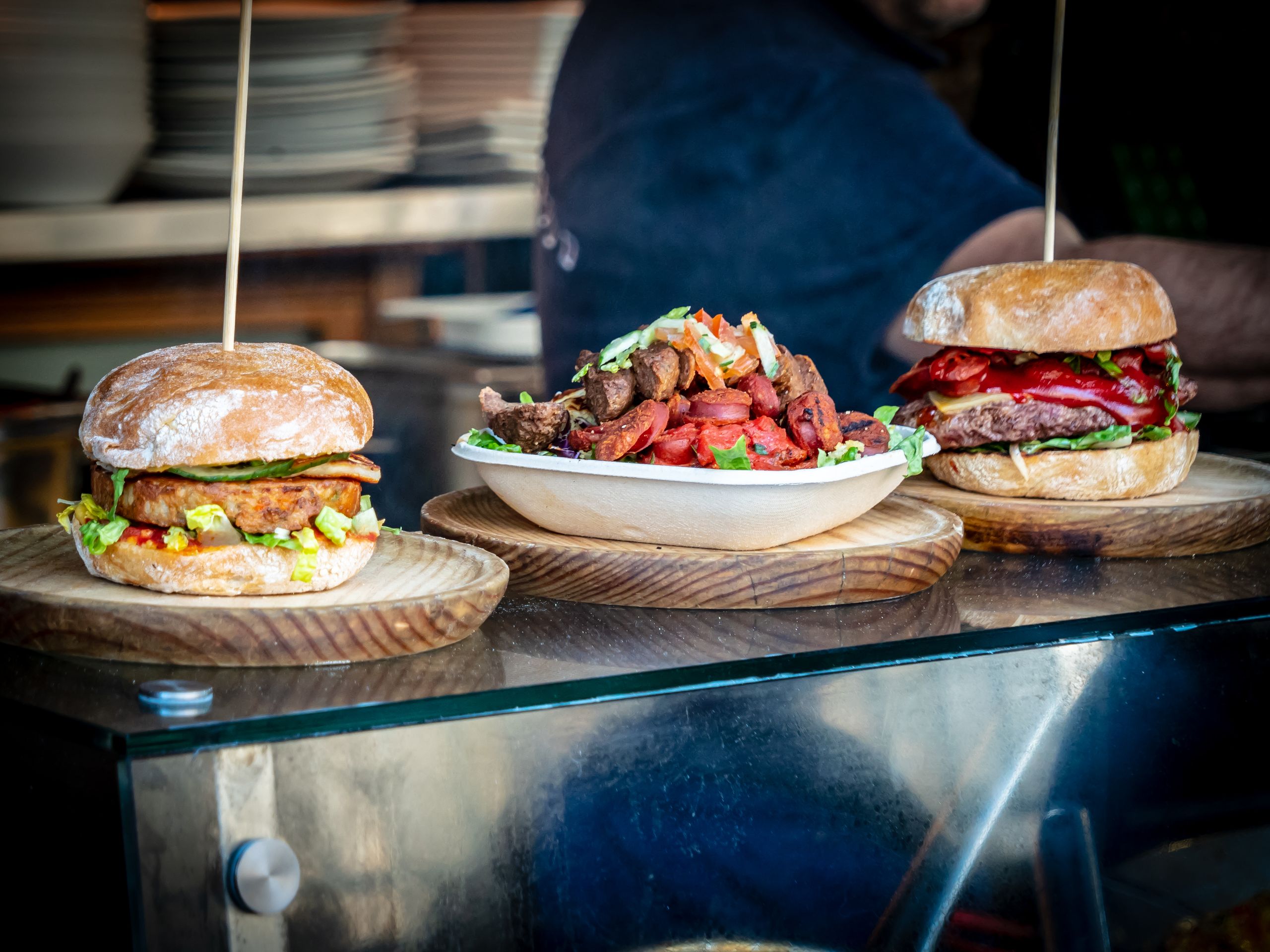
Some of the best market meals arrive on paper plates, in bowls balanced on narrow counters, or wrapped for people who need to keep walking.
The setting may be loud, crowded, and imperfect. Still, the food can carry more character than a beautifully plated meal in a restaurant designed mainly for photographs.
I enjoy polished dining too. However, market food offers something different. It gives me access to the everyday tastes of a place.
A Market Lunch Encourages Cultural Travel
Food markets can feel intimidating when I do not understand the language, ordering system, or local customs. That uncertainty is part of travel, but preparation can help.
Food market tours through GetYourGuide can give travelers useful context. A local guide may explain ingredients, traditions, prices, and respectful ways to interact with vendors.
However, even without a formal tour, curiosity goes a long way. I can observe first, ask simple questions, remain patient, and remember that the market exists for the local community before it exists as a travel attraction.
A Meal Without a Wall Around It
A market lunch feels alive because there is no wall separating the meal from the city. I eat while people shop, work, negotiate, laugh, and move around me.
The smells of grilled meat, fresh bread, ripe fruit, spices, and seafood overlap. The soundtrack may include several languages, metal shutters, cash registers, and vendors calling across the aisle.
That movement becomes part of the flavor. By the time I finish eating, I understand the city a little better than I did when I arrived.
A market lunch may not reveal every part of a place. Still, it can show me what people value, how they gather, and what they choose to eat during an ordinary day. For me, that is always worth tasting.
You might also enjoy exploring DG Speaks Travel, DG Speaks Food, and DG Speaks Culture.