The Tomato That Ruined Grocery Store Tomatoes for Me
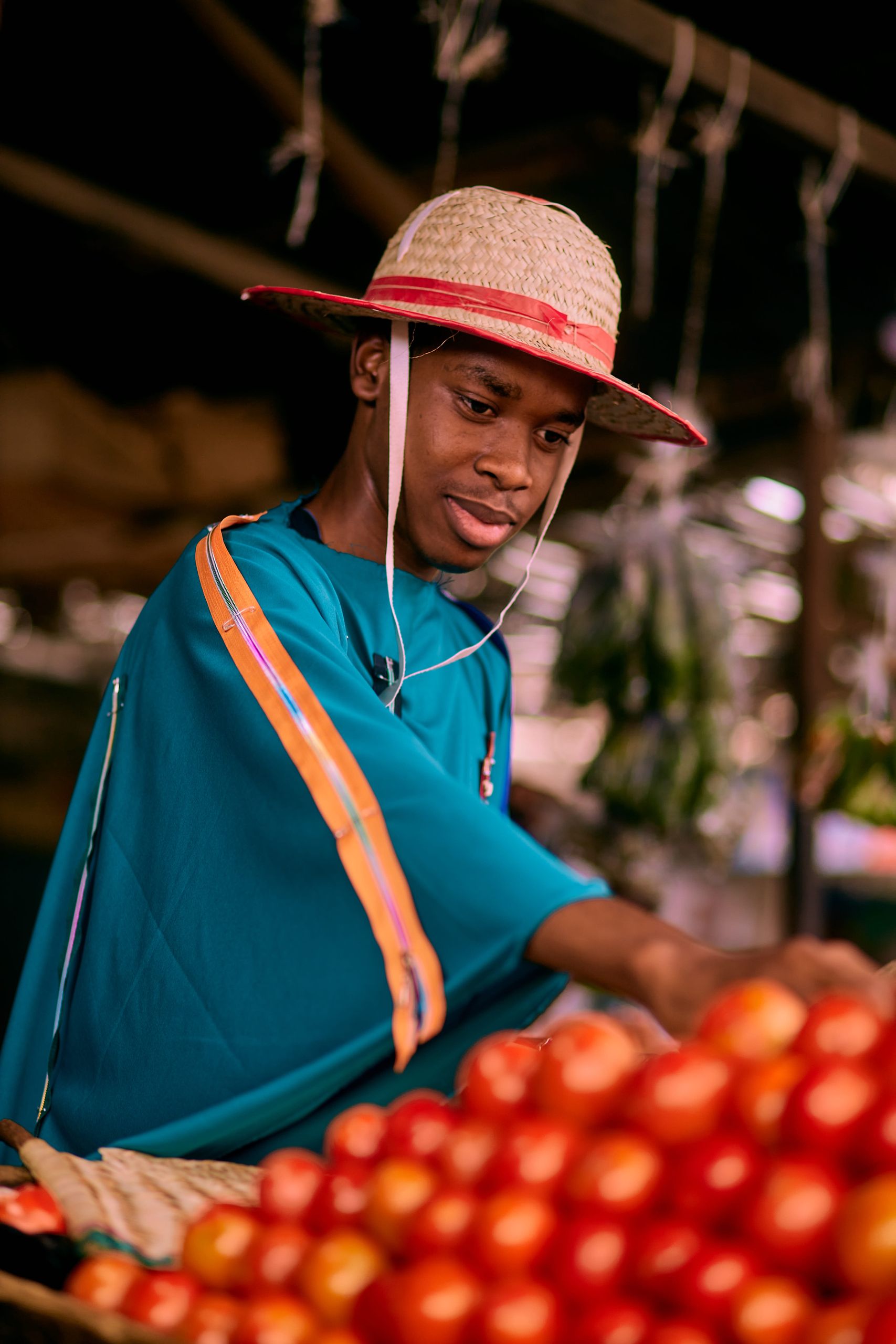
I was walking through a farmers market one summer morning when a tomato stopped me.
That sounds dramatic, but there it was—deep red, slightly misshapen, and heavy enough to fill my palm. Its skin held a few scars, and one side curved in a way no grocery store display would consider ideal. Still, it smelled more like summer than anything else at the market.
The farmer noticed me turning it over in my hand and smiled. “That one is ready today,” he said.
I carried it home as carefully as if I had bought something fragile. Later, when I cut into it, juice ran across the board before I could reach for a plate. The flesh tasted sweet, earthy, and bright, with enough acidity to make every other ingredient unnecessary.
That market tomato ruined me a little. Once I tasted something grown for flavor rather than shelf life, the pale grocery store versions started feeling like a betrayal.
The Tomato That Refused to Be Pretty
Perfect produce photographs well. Every tomato has the same shape, the same color, and the same smooth skin. Nothing appears bruised, crooked, or unpredictable.
Yet, the tomatoes that capture my attention at a farmers market rarely look polished.
They bulge in unexpected places. Tiny cracks stretch across their shoulders, while yellow, orange, green, and purple tones interrupt the familiar red. Some varieties look almost too strange to eat.
That irregularity tells me something important.
The tomato did not grow for a supermarket display. It grew in soil, beneath changing skies, according to the nature of the plant itself. Weather influenced its shape. Sunlight deepened its color, and rain affected how quickly it swelled.
I have learned not to confuse uniformity with quality.
A crooked tomato may offer more flavor than a flawless one. In fact, many of the best things I have eaten arrived without visual perfection.
Summer Announces Itself Before the Knife Falls
A good tomato has a scent.
I can smell the green vine, warm earth, and something almost grassy before I cut through the skin. That fragrance creates anticipation because it tells me the fruit has lived long enough to develop a personality.
Mass-market tomatoes often lose that quality. They may look bright and firm, yet the scent barely exists. Their color promises more than the flavor delivers.
A ripe market tomato makes no such empty promise.
Its aroma reaches me first. Then, the knife slides through tender flesh instead of forcing its way through a hard shell. Seeds and juice spill forward, making the cutting board wonderfully messy.
At that point, I rarely want a complicated recipe.
A little salt may be enough. Sometimes, I add fresh herbs, good bread, or a drizzle of olive oil. However, the tomato remains the center of the experience.
One Slice Holds an Entire Season
Seasonal food teaches patience because it refuses to offer the same experience all year.
I can buy tomatoes in January. Still, that does not mean January tomatoes will taste like the ones I find in July or August.
Modern grocery stores have trained us to expect constant availability. Strawberries appear during winter, apples remain on shelves through every month, and tomatoes never truly leave the produce section.
Convenience has value. However, endless access can separate food from time.
A seasonal tomato reconnects me with the calendar.
Its flavor tells me when the days have been long and the soil warm. Eating it becomes a way of noticing where I am in the year.
I explore that relationship more deeply in my reflection on farmers markets and the food stories worth slowing down to hear. Seasonal food does more than nourish us. It reminds us that nature operates through rhythms rather than constant production.
The Farmer Knew Which One I Should Eat First
One of my favorite parts of shopping at a farmers market involves asking questions.
Which tomato tastes sweetest? What should I use for sauce? Which variety works best on a sandwich? More importantly, which one needs to be eaten today?
A farmer often knows the answer before touching the fruit.
They understand how the variety grows, how much rain fell that week, and which tomatoes will hold for several days. Their knowledge does not come from reading a label. It comes from repeated observation.
That expertise changes the purchase.
I am no longer selecting anonymous produce from a pile. Instead, I am receiving food from someone who understands its history.
The farmer may tell me that one variety has less acid or that another tastes especially rich after a hot week. Those details help me appreciate the tomato before I ever bring it home.
Weather Sits Down at the Table With Me
Every tomato carries the season that produced it.
Too much rain can weaken flavor or cause the skin to split. Extreme heat may stress the plant, while cool nights can slow ripening. Pests, disease, soil conditions, and unexpected storms all influence what reaches the market.
Farmers make decisions throughout that process.
They choose varieties, prepare the soil, manage water, protect plants, and decide when to harvest. Even after all that work, they cannot control every outcome.
When I hold a tomato, I also hold part of that risk.
The price reflects more than the object in my hand. It includes land, labor, seeds, water, transportation, market fees, and the possibility that an entire crop could fail.
Understanding that context changes how I think about food cost.
A farmers market tomato may cost more than one at a large supermarket. Still, the comparison does not always account for flavor, freshness, production scale, or the money that remains within the local community.
Flavor Was Never the Only Thing We Bred For
Many grocery store tomatoes must survive a long journey.
They need firm skins that resist bruising. Growers may harvest them before full ripeness so they can withstand packing, shipping, storage, and handling.
Those traits help move food through complex supply chains. However, durability can come at the expense of flavor.
The tomato must satisfy the needs of transportation before it reaches my kitchen.
Farmers market produce often travels a much shorter distance. A grower can harvest tomatoes closer to ripeness because the fruit may only need to survive a drive across the county.
That shorter journey matters.
More time on the vine allows sugars, acids, aromas, and color to develop. As a result, the tomato tastes like more than chilled water wrapped in red skin.
I respect the systems that make fresh produce widely available. Still, tasting a locally grown tomato reminds me what those systems sometimes sacrifice.
The Cutting Board Becomes a Crime Scene
Ripe tomatoes have no interest in staying tidy.
Juice escapes the moment I slice them. Seeds scatter across the board, while the soft flesh threatens to collapse if I handle it too aggressively.
I love that mess.
It signals abundance. The tomato has reached the point when it needs to be eaten, not admired for another week.
Sometimes, I stand at the counter and eat a slice before preparing anything else. Salt lands unevenly, juice runs down my fingers, and the first bite determines the rest of the meal.
If the tomato tastes extraordinary, I simplify everything.
Perhaps I make a sandwich with toasted bread. Another day, I tear herbs over the slices and add a soft cheese. A bowl of chopped tomatoes can also become the beginning of a sauce, salad, or quick topping.
However, I never want too many ingredients to cover what drew me in.
Salt Knows When to Step Aside
Some ingredients ask for elaborate treatment. A peak-season tomato asks mainly for restraint.
Salt brings the juice forward and sharpens the natural sweetness. Olive oil adds richness, while acid may brighten a tomato that needs help.
A truly excellent one needs very little assistance.
That simplicity challenges the idea that memorable food must involve complicated technique. Skill matters, of course. Yet, choosing an ingredient at the right moment can matter just as much.
A cook who knows when to stop adding things shows a different kind of confidence.
The tomato does not need to disappear beneath seasoning. It deserves room to taste like itself.
Seasonal cooking often works this way. Instead of forcing flavor into an ingredient, I try to recognize what has already developed.
The Sandwich I Wait All Year to Make
Some foods taste best because they belong to a limited window.
A tomato sandwich remains one of the simplest examples. Bread, ripe tomato, seasoning, and perhaps mayonnaise can create something that feels complete.
However, the sandwich depends entirely on the tomato.
A flavorless slice produces a disappointing result because no amount of bread can hide the missing center. In summer, though, the tomato carries the meal.
I appreciate foods that ask me to wait.
Anticipation gives them meaning. The first real tomato sandwich of the season feels different because I know I could not have made the same one six months earlier.
That wait also creates memory.
Years later, I may remember a summer through the foods that briefly appeared and disappeared. Peaches, corn, berries, and tomatoes become markers of time.
Food Memory Often Begins With a Smell
Long before I can name a memory, my senses may recognize it.
The scent of tomato vines can return me to gardens, roadside stands, outdoor markets, and summer kitchens. I may not remember the exact year, but I remember the feeling.
Food memories work this way because taste rarely exists alone.
The weather, people, setting, and emotional state become part of the flavor. A tomato eaten in a bright kitchen may carry a different meaning from one shared during a picnic or sliced after a long day outside.
That connection sits at the heart of my reflection on the food memories that continue to follow us home.
Sometimes, we spend years trying to recreate a dish when what we truly miss is the moment around it.
The right ingredient can bring us close, but memory always adds its own seasoning.
The Farmers Market Is Also a Classroom
Markets teach me what the land can produce at a particular moment.
Early in the season, tables may hold greens, herbs, and tender vegetables. Later, tomatoes, corn, melons, and stone fruit begin to dominate the displays.
The selection changes because agriculture responds to time, weather, and place.
When I shop regularly, I notice those transitions.
I learn which foods appear briefly, which varieties grow well locally, and how farmers respond when the season becomes difficult. A conversation at the table can explain why one crop looks different or why another never arrived.
That knowledge makes me a more thoughtful eater.
I stop expecting every ingredient to appear perfectly on demand. Instead, I begin adapting meals to what the season offers.
A Crooked Tomato Can Challenge an Entire Food System
Food waste often begins with appearance.
Produce may never reach the market because it does not meet cosmetic expectations. The food remains edible, yet the size, shape, or surface looks too unusual for conventional retail standards.
Farmers markets can create space for that produce.
A grower may sell seconds at a lower price or explain that a cracked tomato works perfectly for sauce. Shoppers gain affordable food, while the farmer earns something from a crop that might otherwise go unused.
Buying imperfect produce also challenges my own habits.
I ask whether a blemish truly affects quality or whether I have simply absorbed an artificial standard of beauty.
Often, I can cut away a small damaged area and enjoy the rest. In other cases, the oddly shaped tomato tastes better than everything beside it.
Nature does not manufacture identical objects. Our expectations should leave room for that truth.
Local Does Not Automatically Mean Perfect
I value farmers markets, but I do not romanticize them.
Local food systems can still contain inequity, poor labor practices, high prices, and barriers that make access difficult. Not every farmer uses the same methods, and proximity does not automatically guarantee sustainability.
Questions still matter.
How does the farm manage soil and water? Who performs the labor? Does the market accept nutrition assistance? Can lower-income shoppers participate, or has local food become another symbol of privilege?
I believe in supporting regional agriculture. At the same time, meaningful support requires more than attractive market photographs.
We need food systems that provide fair livelihoods for farmers and workers while making nourishing food accessible to more people.
The tomato may begin the conversation, but it should not end there.
Travel Markets Show Me a Place Through Its Produce
Whenever I travel, I look for local markets.
They reveal what grows nearby, how people shop, and which ingredients shape everyday cooking. Even when I cannot identify everything on display, the market gives me a sensory introduction to the place.
Colors, smells, conversations, and movement create a form of cultural education.
I notice whether shoppers buy small amounts daily or fill bags for the week. Vendors may offer samples, explain unfamiliar fruit, or show me how a vegetable appears in local dishes.
Guided market visits can add valuable context, especially when language or local customs create barriers. Travelers can explore market tours, cooking classes, and culinary experiences through GetYourGuide.
The strongest experiences connect ingredients with agriculture, migration, history, and community. They help me understand why the market looks and tastes the way it does.
The Rest of the Plate Should Know Its Role
A beautiful tomato can anchor an entire meal.
I might place it beside grilled meat, fresh corn, bread, or a simple vegetable dish. The other foods do not need to compete.
When I want quality protein delivered for summer cooking, I may order from ButcherBox. Grilled chicken, steak, or burgers can create a satisfying meal around seasonal market produce.
Still, the tomato often becomes the part I remember.
Its freshness cuts through richer food, while the acidity brightens the plate. More importantly, it brings the season directly to the table.
That balance reminds me that a meal does not require every element to demand equal attention.
Some ingredients lead. Others support.
I Cannot Make August Last Forever
Part of seasonal eating involves accepting an ending.
The market tables eventually change. Tomato piles grow smaller, mornings become cooler, and the final fruits may carry the marks of a season nearing completion.
I always feel a little disappointed.
After weeks of eating tomatoes that taste alive, returning to the grocery store versions can feel especially cruel. The color remains, but the experience has changed.
I could mourn the loss. Instead, I try to appreciate the transition.
Another ingredient will take the tomato’s place. Squash, apples, greens, and root vegetables will begin telling a different seasonal story.
Scarcity gives the summer tomato some of its power.
If it tasted this way every day of the year, perhaps I would stop paying attention.
Preserving Flavor Without Pretending It Is Fresh
Canning, roasting, freezing, and making sauce allow summer tomatoes to travel into colder months.
Preservation does not recreate the experience of slicing a sun-warmed tomato. Instead, it transforms the ingredient into something new.
I appreciate that honesty.
A jar of sauce carries concentrated sweetness and acidity. Roasted tomatoes become deeper and richer, while frozen ones can support soups and stews.
These methods respect the season by extending its harvest rather than pretending nothing changed.
Preservation also connects households with older food traditions. Before year-round supermarket availability, families had to plan for winter while summer produce remained abundant.
The work required time. However, opening a jar months later brought both nourishment and memory back to the kitchen.
Real Flavor Creates a Difficult Standard
Once I taste a great tomato, I begin judging every other tomato against it.
That is both the joy and the problem.
The market version reveals what the ingredient can become under the right conditions. Afterward, blandness feels harder to excuse.
This does not mean I refuse every out-of-season tomato. Convenience, cost, and availability shape real life.
Still, I adjust my expectations.
Winter tomatoes may work better cooked, seasoned, or combined with stronger flavors. During summer, I let the tomato stand on its own.
Knowing the difference helps me cook more thoughtfully.
Instead of demanding the same performance from an ingredient all year, I use it according to what it can offer in that moment.
The Tomato Was Never Just a Tomato
That first bite at home tasted simple, but its story was not.
The tomato carried soil, weather, seed, labor, risk, transportation, and the farmer’s decision to pick it at exactly the right time. It also carried my own memories of summer and the anticipation created while I walked through the market.
Food becomes richer when I understand what stands behind it.
I do not need to turn every meal into a lecture. However, awareness deepens pleasure.
The tomato tastes good because it ripened fully. It matters because someone grew it, brought it to market, and placed it in my hand with the quiet confidence that I should eat it that day.
Ruined in the Best Possible Way
A good market tomato changes my expectations.
I want one that smells like summer before the knife touches it. Give me deep color, uneven curves, tender flesh, and enough juice to make a mess of the cutting board.
I do not need perfection.
Instead, I want flavor with evidence of the life behind it.
Let the tomato carry a small scar. Allow the shape to surprise me. I will take the one the farmer points to and tells me not to save for tomorrow.
When I finally taste it, I want the season to become unmistakable.
That is the danger of real flavor. Once an ingredient shows me what it can be, I cannot completely forget.
The pale versions may still appear in my kitchen. Nevertheless, somewhere in my memory, that sun-warmed tomato waits—red, unruly, and full of attitude.
Explore more stories about farmers, ingredients, and the memories carried through food in DG Speaks Food. You can also discover how markets reveal the culture of a destination through DG Speaks Travel and read more about the people and traditions behind what we eat in DG Speaks Culture.