What Markets Teach Me About Community
Local markets teach me about a community faster than almost anywhere else. Before I visit the famous landmark or the museum, I want to see where people buy dinner, catch up with neighbors, and negotiate the small exchanges that keep everyday life moving.
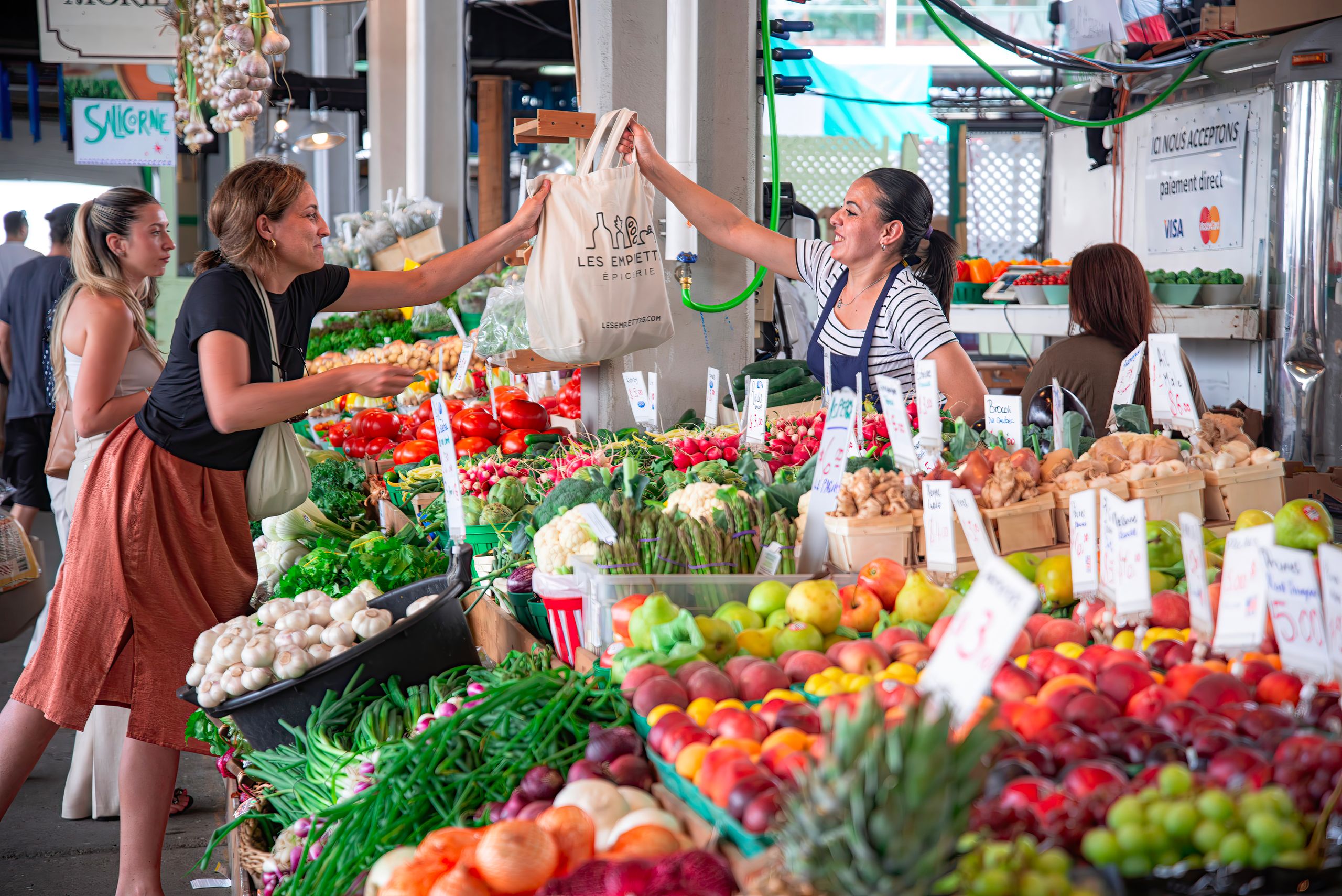
Whenever I arrive at a local market, I resist the urge to start shopping immediately. Instead, I slow down and observe. Vendors arrange produce with care. Customers inspect tomatoes with practiced hands. Someone bargains over the price of herbs while another person greets nearly everyone who walks by. Those ordinary moments tell me more about a place than any brochure ever could.
Markets remind me that travel is not only about seeing beautiful places. It is also about understanding how people live, work, eat, and care for one another.
Local Markets Hold a Community’s Memory
A market is never just a place to buy food. It is a living archive of culture. Every stall reflects generations of recipes, agricultural knowledge, migration, trade, and tradition.
The vegetables tell one story. The spices tell another. Fresh fish, handmade bread, local cheeses, tropical fruit, or dried beans all reveal something about climate, geography, history, and identity. Even prices tell a story about opportunity, inequality, and access.
That is one reason local markets appear so often in my food writing. They help me connect flavor with labor, history, and place. Suddenly, a meal becomes much more than what appears on the plate.
Women Keep Many Markets Alive
Wherever I travel, I find myself paying close attention to the women behind the stalls. In many countries, women are the heartbeat of local markets. They grow food, prepare meals, manage inventories, negotiate prices, extend informal credit, and remember which customer needs a little extra grace until payday.
That work is often overlooked because it happens outside formal offices and corporate boardrooms. Yet market women sustain households, educate children, preserve traditional foods, and strengthen local economies every single day.
As someone who has spent much of my career working in international development and sustainable food systems, I know that these informal economies deserve far more respect than they often receive. A market table may represent school fees, healthcare, rent, entrepreneurship, and generations of knowledge passed from mother to daughter.
Organizations like Women in Informal Employment: Globalizing and Organizing (WIEGO) continue to highlight the enormous economic contribution of informal workers around the world. Their research reminds us that market labor is not peripheral. It is foundational.
The Best Travel Stories Are Often Found Between the Stalls
I enjoy museums, historic sites, and famous monuments. However, markets offer something different. They reveal life in motion.
I hear multiple languages mixing together. I watch neighbors greet one another by name. Children sneak samples of fruit while grandparents debate which vendor has the sweetest melons. There is movement, laughter, negotiation, exhaustion, and celebration happening all at once.
Those moments rarely appear in travel advertisements, yet they become the memories I carry home.
Markets Reward Slow Travel
Local markets have also shaped the way I think about slow travel. They cannot be rushed. The best conversations happen when I stop checking the time and simply remain present.
I have discovered new ingredients, learned family recipes, practiced unfamiliar languages, and shared meals with complete strangers simply because I allowed myself enough time to wander instead of rushing toward the next attraction.
That patience has made me a better traveler and a better storyteller.
Why I Always Visit the Market First
If I truly want to understand a destination, I start with its markets. They reveal what people value, what they celebrate, what they can afford, what grows nearby, and how community functions on an ordinary day.
No market tells the entire story of a place. Still, every market tells an important chapter. For me, that chapter almost always becomes one of the most meaningful parts of the journey.
Keep Exploring on DG Speaks
If you enjoy stories like this, continue reading Farmers Markets: Food Stories Worth Slowing Down For, Women in Food Systems: Leading Change, and How Slow Travel Changed the Way I See the World.
Disclosure: This article may contain affiliate links. If you purchase through them, DG Speaks may earn a small commission at no additional cost to you. Read my full disclosure.