Selling Freedom in Four Wheels
America has always attached emotional meaning to movement.
Cars symbolize far more than transportation inside the national imagination. They represent independence, reinvention, mobility, escape, adulthood, success, sexuality, adventure, and social status simultaneously. Entire industries depend upon maintaining those emotional associations because automotive culture has never really been about vehicles alone.
It has always been about desire.
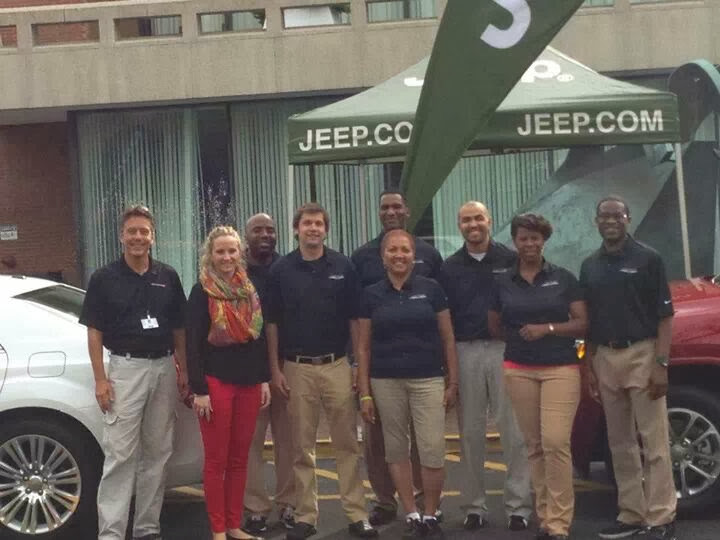
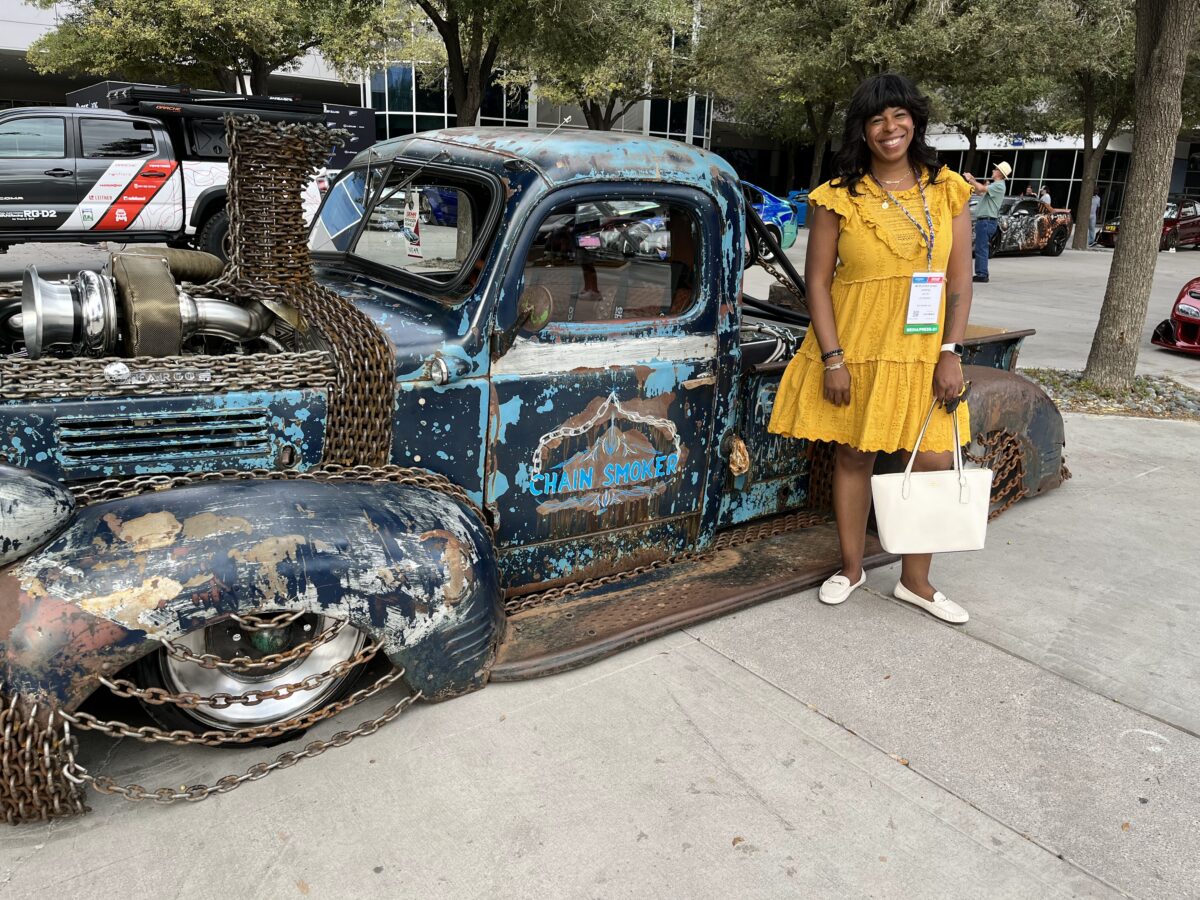
Working as a product specialist inside automotive marketing made that reality impossible to ignore. Promotional events operated almost like miniature theatrical productions designed to immerse consumers inside carefully constructed emotional worlds. Music, lighting, branding, body language, color palettes, location design, wardrobe choices, and social atmosphere all worked together to create aspiration around the vehicles themselves.
Nothing inside those environments happened accidentally.
Embodying the Brand
Experiential marketing fascinated me because it transformed people into extensions of corporate storytelling.
Consumers interacted not only with products, but with personalities, aesthetics, and emotional cues designed to shape perception instinctively. Product specialists became part hospitality professional, part performer, part cultural translator. The role required embodying the emotional atmosphere companies wanted associated with the brand itself.
Automotive spaces carried additional layers because the industry historically centered masculinity so heavily. Ruggedness, power, speed, technical mastery, wilderness fantasy, and performance culture shaped much of the visual language surrounding American vehicles for decades.
Yet consumers themselves rarely fit those narrow archetypes fully.
Women entered those spaces carrying their own aspirations, curiosities, fantasies, and emotional relationships with movement. Families imagined road trips. Professionals imagined status. Travelers imagined escape. Young consumers imagined adulthood itself.
The car became projection surface for personal longing.
Mobility and the American Imagination
The open road still occupies extraordinary emotional territory in American culture.
Road trips, highways, motorcycles, convertibles, desert landscapes, national parks, roadside diners, cross-country movement. The mythology appears constantly throughout tv and film, advertising, literature, and music because mobility became intertwined with national identity long ago.
Movement implies possibility.
That symbolism becomes even more emotionally charged during periods of economic anxiety or social instability. Consumers increasingly gravitate toward brands promising reinvention, freedom, and escape whenever ordinary life begins feeling emotionally restrictive.
Automotive marketing understands this instinctively.
Cars rarely get advertised through practicality alone because practicality does not create fantasy.
Desire does.
Beneath the Branding
Looking back now, what interests me most about those experiences is how clearly they revealed the emotional architecture underneath consumer culture.
People were never simply reacting to horsepower or engineering specifications. They responded to atmosphere, identity, aspiration, and imagination. Marketing succeeded when consumers could see themselves emotionally reflected inside the brand narrative being presented to them.
That dynamic extends far beyond the automotive world.
Modern consumer culture increasingly asks people to build identity publicly through aesthetics, purchasing decisions, and lifestyle performance. Brands no longer sell objects alone. They sell stories about who consumers believe they might become after stepping inside the fantasy.
And honestly, few American fantasies remain more powerful than freedom itself.