
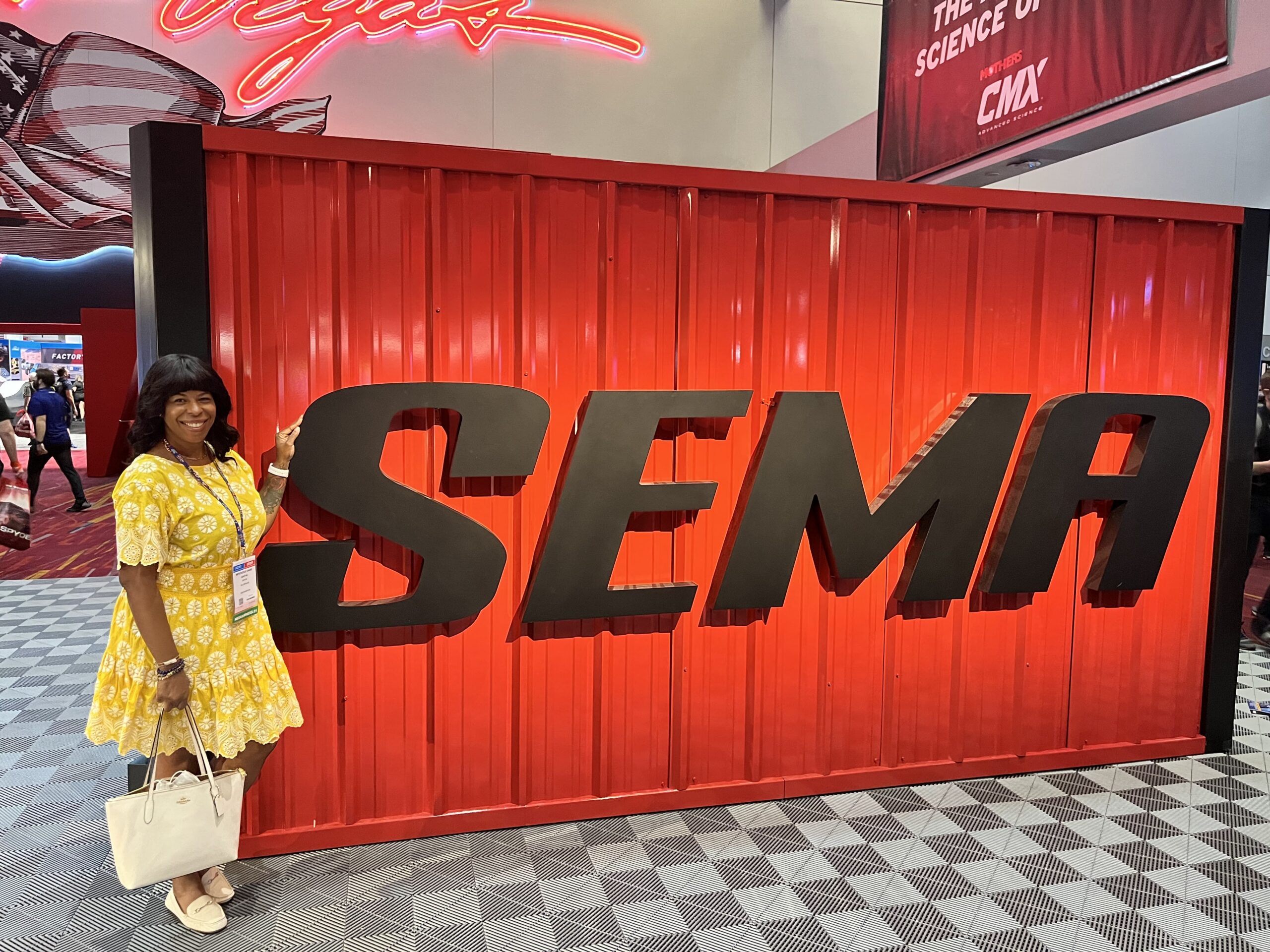
Inside SEMA: Where America Turns Fantasy Into Machinery
Las Vegas has always understood performance.
The city runs on illusion, fantasy, spectacle, and desire. Neon lights promise transformation at every corner. Reinvention feels permanently available. Inside that environment, the SEMA Show somehow still manages to feel larger than life.
For those unfamiliar, SEMA is one of the largest automotive trade shows in the world. Custom cars, modified trucks, luxury builds, performance parts, concept vehicles, celebrities, influencers, mechanics, racing culture, and global brands all collide beneath the bright lights of Las Vegas each year.
But SEMA is not really about cars.
Not entirely.
SEMA is about aspiration. It is about identity construction. It is about the distinctly American belief that transformation can always be purchased, engineered, customized, upgraded, lifted, wrapped, rebuilt, polished, and performed.
Walking through the convention halls feels like entering a cathedral dedicated to reinvention.
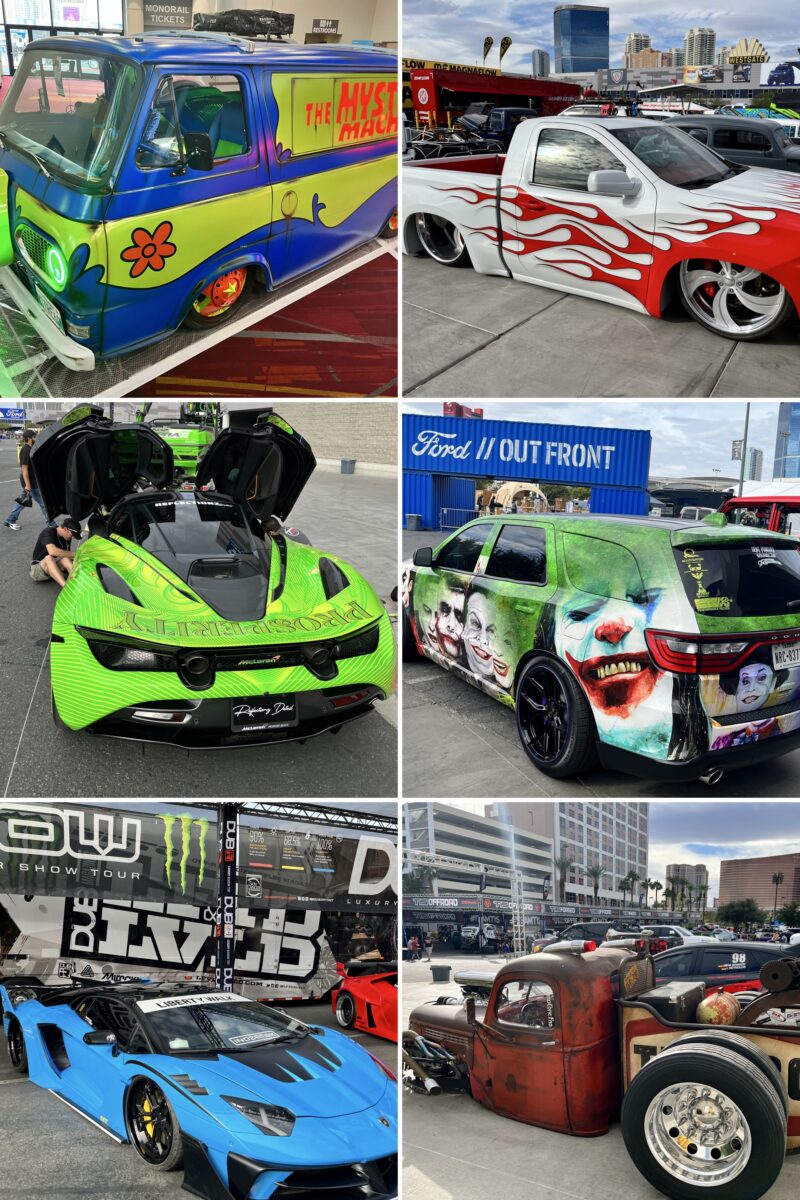
Chrome reflects everywhere. Matte black finishes absorb the light. Music pulses through enormous booths while influencers pose beside vehicles that cost more than many homes in America. Nearby, mechanics explain engine modifications with near religious intensity. The atmosphere blends working-class craftsmanship with luxury fantasy in ways that feel uniquely American.
And somehow, it all makes sense together.
Chrome, Capitalism, and the Art of Becoming
Few places reveal America’s relationship with consumer identity more clearly than SEMA.
Cars in the United States have never been simple transportation. They function as emotional projection. People build personalities through vehicles. Trucks signal ruggedness. Sports cars project status and youth. Motorcycles communicate rebellion. Luxury SUVs promise wealth, safety, and aspiration simultaneously.
At SEMA, these identity performances become amplified to theatrical levels.
Everywhere you look, people are attempting to distinguish themselves through machinery. Lifted suspensions, custom paint jobs, oversized tires, handcrafted interiors, impossible sound systems, racing modifications, imported builds, vintage restorations. The vehicles become autobiographical.
Yet beneath the spectacle lies something more emotionally revealing.
Many attendees are not simply purchasing products. They are pursuing transformation. Reinvention itself becomes the commodity.
Las Vegas provides the perfect backdrop for that fantasy.
Engines and Masculinity Under Neon Lights
Automotive culture has historically functioned as one of America’s most recognizable stages for masculinity.
Power. Speed. Control. Competition. Technical expertise. Mechanical mastery. Risk. Wealth. Dominance.
These themes appear repeatedly throughout SEMA.
At times, the convention floor feels like a giant performance of modern masculinity unfolding beneath fluorescent lights and LED screens. Yet the performance carries contradictions. Some men arrive embodying traditional blue-collar toughness. Others represent luxury entrepreneurship, influencer culture, or hypermodern digital branding. Many move fluidly between all of those worlds.
The old archetypes are shifting.
Social media has transformed automotive culture dramatically. Builders now operate as content creators. Drivers become lifestyle brands. Garage culture merges with algorithmic visibility. Even authenticity itself becomes partially performative.
Still, the emotional core remains surprisingly consistent.
People continue gathering around machines because the machines represent possibility. Mobility. Escape. Control over one’s environment. The ability to move through the world on your own terms.
In an era where many people feel economically, politically, and emotionally constrained, that symbolism becomes deeply powerful.
Seen and Watching at the Same Time
As a Black and Latina woman inside SEMA, I became aware of how visibility operates within automotive spaces.
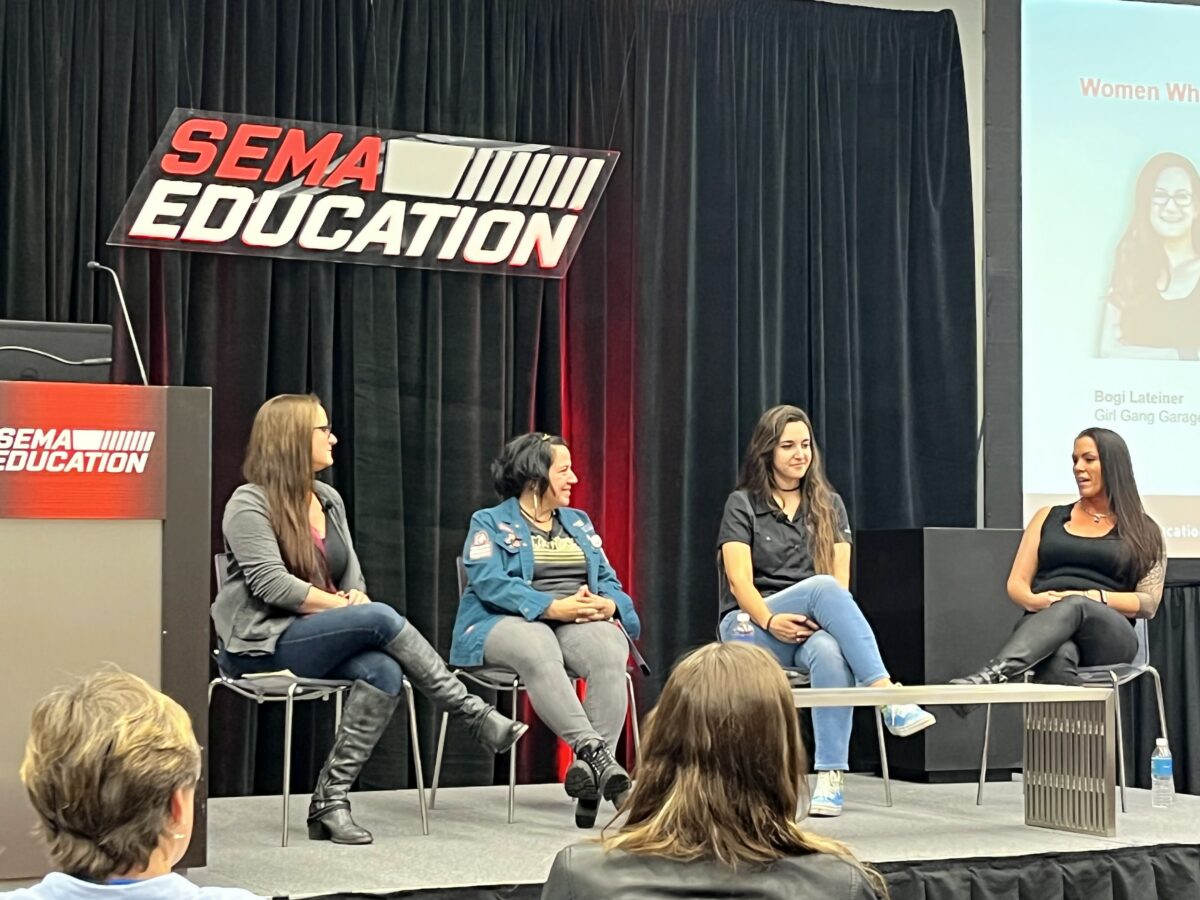
The industry has diversified considerably over the years, especially online. Women builders, Black creators, Latino automotive communities, Asian import culture, luxury influencers, and women drivers now occupy far more visible roles than previous generations allowed. Yet representation still exists unevenly.
Some spaces feel welcoming. Others still feel coded.
Automotive culture often presents itself as meritocratic. Passion supposedly overrides race, gender, or class. Yet social dynamics never fully disappear. They simply evolve.
At SEMA, these tensions become visible through branding, marketing, influencer visibility, sponsorship access, and audience assumptions. Who gets positioned as an expert? Who becomes decoration? Who is considered authentic? Who receives attention online versus in person?
These questions matter because culture always reveals itself through participation.
And despite its contradictions, SEMA remains fascinating precisely because it reflects broader American anxieties around status, identity, labor, technology, and aspiration.
Beneath the Lights, A Search for Freedom
What struck me most at SEMA was not the extravagance. It was the emotional energy underneath it.
People arrive carrying dreams.
Some dream of racing professionally. Others dream of entrepreneurship. Some want recognition. Others simply want belonging inside a community built around shared obsession. Many spend years building vehicles not because it makes financial sense, but because the process gives shape to identity itself.
That emotional investment is impossible to ignore.
Tourists visiting SEMA often expect spectacle. They absolutely find it. Yet the deeper experience comes from observing how passionately people pursue self-expression through machinery.
The cars may be beautiful. Some are breathtaking. But the human stories surrounding them are what linger afterward.
SEMA reveals an America still deeply obsessed with reinvention. A country where people continue believing they can build a better version of themselves through movement, aesthetics, labor, visibility, and speed.
Whether that belief liberates us or exhausts us remains an open question.
Still, under the bright lights of Las Vegas, surrounded by chrome and ambition, the fantasy becomes strangely seductive.
For a moment, almost everyone inside believes transformation is possible.
