The Meal I Want After a Long Day Outside
I remember finishing a long day of walking with dust on my shoes, tired legs, and the kind of hunger that had been building quietly for hours. By the time I sat down, I was no longer interested in whether the plate looked refined enough for a photograph.
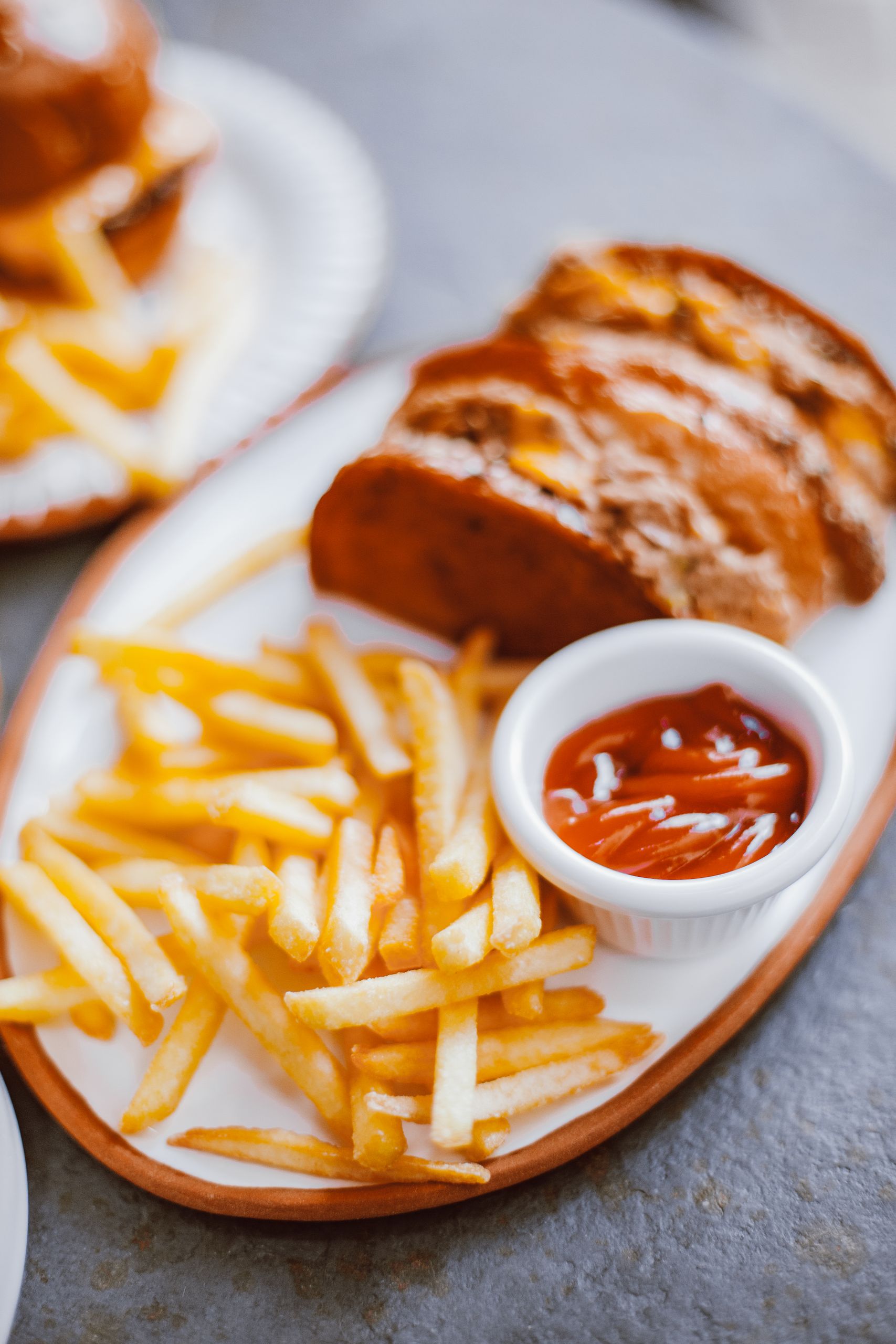
I wanted something warm, substantial, and generous. I wanted bread I could tear with my hands, a cold drink, and food that made my body feel as though it had finally reached shelter.
The first bite tasted better than it might have on an ordinary afternoon. Nothing about the recipe had changed. The day had changed me.
The meal after a long day outside carries the weather into the dining room. Sun, sweat, wind, rain, heat, cold, hills, and distance all season the appetite before the food arrives.
Hunger Feels Different After Movement
There is the hunger that comes from noticing the clock, and then there is the hunger that comes from using the body.
After hours of walking, climbing, swimming, exploring, or carrying a backpack, appetite feels less theoretical. My body is not asking for novelty. It is asking to be restored.
Movement sharpens the senses. The smell of bread reaches me more quickly, water tastes colder, and a warm plate creates relief before I have finished the first bite.
That kind of hunger makes me attentive. I notice salt, texture, heat, and the way food settles into a tired body.
The meal becomes more than a break in the itinerary. It becomes part of how I return to myself.
Sun, Sweat, and Appetite
Weather changes what I want to eat.
After a hot day, I crave cold water, fruit, something bright, and enough salt to replace what the heat pulled from me. A chilled drink can feel as memorable as the meal itself.
Cold weather creates a different appetite. Soup, rice, potatoes, beans, roasted vegetables, warm bread, and slow-cooked food begin to feel essential rather than merely comforting.
Wind can be exhausting in a way that is difficult to explain until I have spent hours walking into it. Rain creates its own fatigue, especially when clothes, shoes, and bags become damp.
By the time I reach the table, the weather has already written part of the menu.
I Want Food That Brings the Body Back
After a demanding day outside, I am rarely interested in food that feels visually impressive but physically insufficient.
I want a meal with substance. That might mean grilled fish with rice, a bowl of stew, pasta, roasted meat, lentils, bread with soup, or a simple plate prepared well.
The exact dish matters less than the feeling it creates.
Food that brings the body back offers warmth, hydration, energy, and enough pleasure to mark the transition from effort into rest. It tells me that the hardest part of the day has ended.
This does not mean the meal has to be heavy or excessive. Restoration is not the same as overeating.
I want enough to feel nourished, not punished for being hungry.
The Table After the Weather
There is a particular relief in stepping indoors after a day shaped by the elements.
The chair feels softer. The room feels warmer, and the table creates a clear boundary between what I endured outside and what I can release now.
A cold drink, good bread, or the sound of food arriving can feel ceremonial. The body recognizes safety before the mind has fully processed the day.
That is one reason some ordinary meals become unforgettable.
The restaurant may not have been famous. The dish may not have been the most sophisticated thing I ate during the trip.
Still, it arrived at the exact moment I needed it.
Movement Changes the Meaning of a Meal
Food does not exist separately from the conditions in which I eat it.
A sandwich consumed beside a trail can become more satisfying than an elaborate lunch eaten without appetite. Soup after walking through cold rain may remain in memory because it restored something the weather had taken.
This connects with what I have learned about choosing presence over pace through slow travel. When I move more slowly and spend more time outside, meals become part of the rhythm of the place rather than interruptions from sightseeing.
I begin noticing when people eat, what foods fit the season, and which dishes make sense after the kind of day the landscape invites.
Movement gives the meal context.
The Best Meal Is Not Always the Most Expensive
Travel can encourage the belief that memorable dining requires a celebrated restaurant, a difficult reservation, or an elaborate tasting menu.
Those experiences can be wonderful. They are not the only meals worth remembering.
After a long outdoor day, the best food may come from a neighborhood café, a family-run restaurant, a market stall, or a simple place close enough that I do not need to walk another mile.
Exhaustion changes priorities.
Warmth, kindness, reasonable portions, and food served without unnecessary delay begin to matter more than presentation. The meal succeeds because it meets the moment.
Sometimes luxury means sitting down, taking off a wet jacket, and receiving a plate that understands the day I had.
Food Memory Keeps the Whole Day
When I remember these meals, I often remember the walk at the same time.
The body stores them together. The uphill stretch, the cold air, the ache in my feet, and the first sip at the table become one continuous memory.
This is part of why food memories continue following us home. Flavor gives a physical shape to experiences that might otherwise blur together.
I may forget the name of the street or the exact distance I covered. I remember how the bread tasted after hunger had made me fully present.
The meal becomes the place where the day settles.
Outdoor Travel Requires More Than Romantic Images
Long days outside can look beautiful in photographs.
The images show landscapes, trails, coastlines, city streets, and sunlight across open space. They do not always show dehydration, blisters, sore joints, headaches, hunger, or the moment when enthusiasm gives way to fatigue.
Outdoor travel requires practical care.
Water, weather protection, supportive footwear, snacks, sun protection, and layers can determine whether the day remains enjoyable. I keep useful walking and travel items in my Amazon travel shop to help me manage the hours before dinner.
The equipment does not make the journey meaningful. It helps me reach the table in a condition that allows me to enjoy it.
Romanticizing discomfort does not deepen the experience. Preparation does.
A Food Experience Can Feel Different After a Day of Walking
A food tour, cooking experience, or local tasting can become even more engaging after I have spent the day moving through the destination.
Walking through neighborhoods gives me visual and physical context. I have seen the hills, passed the markets, noticed the weather, and developed an appetite connected to the place.
Food experiences available through GetYourGuide can add depth when local guides explain how dishes connect to agriculture, history, migration, and daily life.
Timing matters, though.
An overly ambitious schedule can turn a meaningful dinner into another obligation. After a demanding day, I want enough time to wash, rest, and arrive without feeling that I am racing toward the next experience.
The meal should complete the day, not compete with it.

A DG Speaks Recommendation
I want more years to walk far, eat well, and keep giving my body the support it needs for the journey
I partnered with Happy Aging to share products that support energy, vitality, and an active life shaped by movement, nourishment, and discovery.
Hunger Does Not Make Every Food Choice Equal
After a long day, convenience becomes powerful.
I may choose the closest open restaurant, the fastest option, or whatever requires the least decision-making. That response is understandable when fatigue has reduced my patience.
Still, extreme hunger can make it harder to notice what my body actually needs.
Sometimes I need water before I need a large meal. A small snack earlier in the day may prevent the kind of desperation that leads me to eat too quickly or overlook how I feel.
Planning enough food for the hours outside is not an attempt to control every appetite. It protects the dinner from having to repair the entire day alone.
The meal can remain satisfying without becoming rescue.
Not Everyone Experiences Outdoor Hunger the Same Way
Physical activity affects people differently.
One person feels hungry immediately, while another loses her appetite after heat, altitude, or intense exertion. Medical conditions, medications, age, and access to food also shape how the body responds.
I do not want to turn one kind of hunger into a moral standard.
The phrase “earning a meal” can become harmful when it suggests that food must be justified by exercise. Every body deserves nourishment, including on days without long walks, steep climbs, or visible effort.
The meal after movement feels special because of context, not because the body has finally proven its right to eat.
Food is not a prize for physical performance.
The Labor Behind the Relief Matters
The table may feel like relief to me because someone else is working.
A cook stands near heat after I have spent the day outside. A server moves across the dining room while my tired legs rest beneath the table.
Dishwashers, cleaners, farmers, delivery workers, and vendors all contribute to the meal that seems to appear at the moment I need it.
Appreciating the food should include recognizing that labor.
Fatigue does not excuse impatience, disrespect, or treating service workers as extensions of my appetite. The fact that I had a difficult day does not mean the people feeding me owe me emotional submission.
A restorative meal should not depend on diminishing the people who made it possible.
The Antidote Is Not Glorifying Exhaustion
There is a temptation to treat the most punishing day as the most meaningful one.
Longer distances, steeper climbs, fewer breaks, and greater discomfort can become proof that the traveler earned the experience.
I do not want to measure the value of a day by how completely it depleted me.
The antidote is listening before exhaustion becomes the entire story.
A shorter walk can still reveal a landscape. Resting before dinner may protect tomorrow’s plans, while choosing a taxi, train, or bus can be wiser than forcing the body through another hour.
The meal after a textured day tastes wonderful. The day does not need to break me first.
Why This Hunger Feels So Honest
When I remember that meal after walking, I remember how little explanation I needed.
The food arrived, and my body recognized what it had been asking for. Warmth, salt, water, substance, and rest came together at one table.
The hunger felt honest because movement had cleared away distraction. I was not eating because the clock announced dinner or because the food looked good on a screen.
I was present.
Still, the body does not need to earn nourishment through hardship. What movement gave me was not permission to eat. It gave me a sharper awareness of what food was doing.
The meal after a long day outside tastes different because the day has texture. Weather, distance, fatigue, landscape, and relief all arrive at the table with me.
Sometimes the food is extraordinary. Other times, it is simply hot, timely, and enough.
Both can become unforgettable.
I want more days that end this way: tired but not depleted, hungry but cared for, and seated before a plate that helps the body understand that it has made it home for the night.
Continue exploring stories about food, travel, movement, and the meals that become part of how we remember a place through DG Speaks Food.