A Celebration Meal Should Make You Feel Seen
I remember arriving at a restaurant for a birthday dinner and seeing the table waiting before anyone had taken a seat. The glasses caught the light, the napkins had been folded with care, and for a moment, the room seemed to acknowledge that the evening mattered.
The meal had not begun, but the celebration already had.
Someone had made the reservation, remembered the date, and chosen a place where we could sit long enough to enjoy one another. That preparation carried its own message: your life is worth pausing for.
A celebration meal is not only about what appears on the plate. It is about feeling seen, remembered, and welcomed into your own joy.
A Table With My Name on It
There is something powerful about knowing a place has been prepared for me.
The table does not always need a printed card or elaborate decoration. Sometimes the feeling comes from a friend saving the seat beside her, a server acknowledging the occasion, or someone ordering a dish because she remembered I loved it.
Small gestures can make the room feel personal.
They say that I did not simply happen to arrive. Someone anticipated my presence.
That kind of recognition matters because many women spend so much time preparing spaces for other people. We remember birthdays, choose restaurants, organize gatherings, and make sure everyone else feels included.
Receiving that care can feel unfamiliar. A celebration meal gives me permission to stop managing the room and allow the room to hold me for a while.
Hospitality That Notices Me
Good hospitality pays attention without making the guest feel observed.
A server notices when the table needs water but does not interrupt the story unfolding. The kitchen respects a dietary request without treating it as an inconvenience, while the host creates warmth without turning care into performance.
That quality shapes how I remember a restaurant long after I forget the details of the menu.
It connects with what I have written about how local restaurants teach me how a city feels. A restaurant reveals more than regional flavor. It shows how a place understands welcome, service, time, and who deserves attention.
Hospitality that notices me does not require constant fussing. It creates the feeling that my comfort matters without demanding gratitude for every act of care.
The Food Becomes Part of the Memory
Celebration meals often remain vivid because food gives memory something physical to hold.
I may remember the first bite of dessert, the aroma that reached the table before the plate arrived, or the dish everyone insisted I taste. Years later, one familiar flavor can reopen the entire evening.
This is part of why food memories continue following us home. The meal becomes attached to the people, the room, and the version of myself who sat at that table.
A dish does not need to be expensive or technically impressive to become meaningful. It may be a favorite meal prepared at home, a cake from a neighborhood bakery, or something ordered in a city I had dreamed of visiting.
The food holds the occasion because we give it emotional context.
We Deserve More Reasons to Celebrate
Celebration is often reserved for publicly recognizable milestones.
Birthdays, weddings, graduations, promotions, and anniversaries come with established rituals. People understand why a meal belongs to those moments.
Other victories receive less attention.
Leaving a situation that diminished me can deserve dinner. Completing a difficult season, returning home safely, finishing a long project, or choosing myself after years of hesitation may also deserve a table.
Recovery can be celebrated. So can rest, survival, renewed courage, and the decision to begin again.
Life offers many meaningful thresholds that do not arrive with invitations or certificates. Sometimes I must name the occasion myself.
A Woman Should Not Have to Earn Every Pleasure Through Pain
Women are often encouraged to celebrate only after extraordinary effort.
The meal becomes acceptable because we worked hard enough, lost enough, sacrificed enough, or reached a goal other people recognize. Pleasure must submit evidence before it can be approved.
I want to resist that calculation.
A woman deserves sweetness because she is alive, not only because she has survived something terrible first. She can gather people around a table without presenting a list of accomplishments that justify the expense or attention.
Celebration does not need to become another reward system tied to productivity.
Sometimes the reason is simply that life feels tender and worth noticing.
The Best Celebration Matches the Person
Not everyone wants a crowded restaurant, public singing, or a room full of surprises.
One person may feel loved by a lively dinner with friends. Another may prefer a quiet table, a beautiful view, and one person who knows her well.
A meaningful celebration begins with attention to the person being celebrated.
It asks what brings her pleasure rather than reproducing a standard image of what joy should look like. The meal may be formal, casual, homemade, spontaneous, or carefully planned months ahead.
Care becomes visible when the occasion reflects the guest instead of the preferences of the organizer.
Being seen means not having to perform enthusiasm for a celebration that was never truly designed with me in mind.
The Labor Behind the Celebration Still Matters
A beautiful meal can create ease for the guest because someone else is carrying the work.
Restaurant employees prepare ingredients, cook, serve, clear, wash, and restore the dining room after the celebration ends. At home, someone shops, plans, cleans, and watches the timing of every dish.
That labor should not disappear beneath the language of joy.
A celebration becomes more generous when workers receive respect, clear communication, and fair compensation. Guests can tip appropriately where tipping is part of the system, arrive on time, and remember that service is skilled work rather than personal submission.
At home, responsibility can be shared. One person may cook while another brings dessert, sets the table, or handles cleanup.
The person creating the celebration should not be too exhausted to participate in it.
Travel Can Turn a Meal Into a Milestone
Some of my most memorable meals have happened while traveling because the destination already carries a sense of occasion.
A birthday dinner in another country, a meal after completing a difficult walk, or a reservation made for the final night of a trip can mark more than hunger. The food becomes part of how I acknowledge the journey.
Experiences available through GetYourGuide can become part of a celebration when they offer thoughtful food tours, dinner experiences, or activities that connect the meal to local history and culture.
I want those experiences to feel rooted in place rather than designed only for photographs. A celebration meal becomes richer when I understand something about the people, ingredients, and traditions behind it.
The destination adds context, but the attention shared at the table creates the memory.
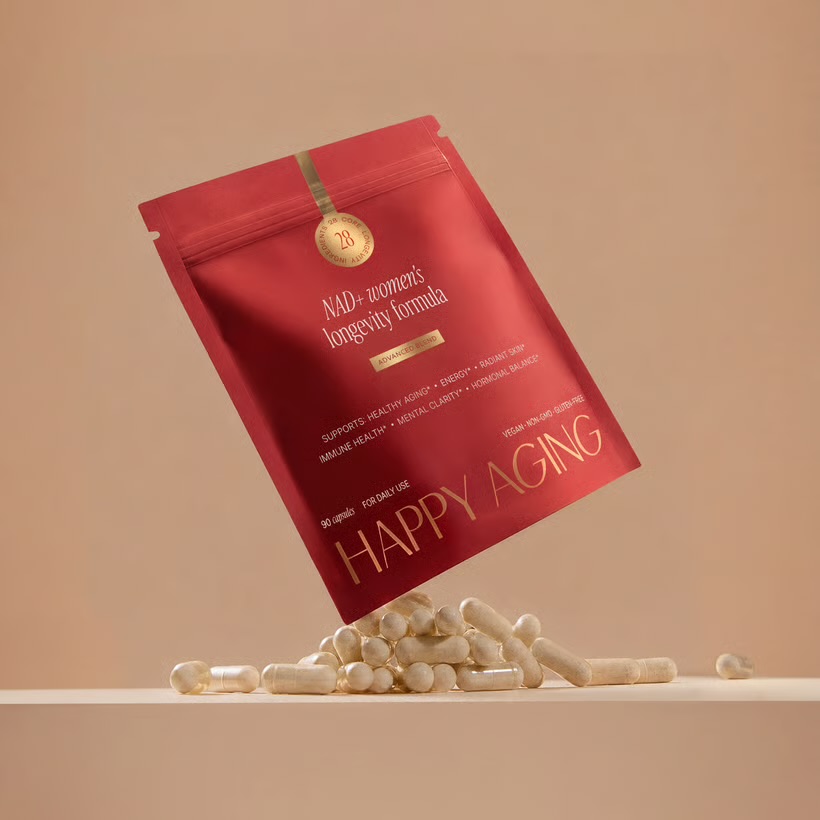
A DG Speaks Recommendation
I want more years to gather around beautiful tables and celebrate the life I am still creating
I partnered with Happy Aging to share products that support energy, vitality, and a life with more room for joy, connection, and meaningful celebration.
A Celebration at Home Can Feel Just as Significant
Restaurants offer atmosphere, service, and the pleasure of stepping away from the work of everyday meals. Still, some occasions call for home.
A familiar kitchen can hold its own kind of ceremony. The music can be personal, the meal can unfold without a reservation ending, and the table may carry dishes connected to family or memory.
Preparing a celebration meal at home also allows me to shape the menu around the people gathering. A favorite cut of meat, a treasured side dish, or a dessert made from an old recipe can give the evening emotional depth.
Selections from ButcherBox can support home meals when meat is part of the menu, especially when I want ingredients available before the occasion arrives.
The product can make planning easier, but the meaning comes from what happens around it. The meal becomes a celebration through attention, memory, and the decision to make an ordinary room feel special.
Celebration Should Not Create Financial Shame
The pressure to produce an impressive occasion can make joy expensive.
Social media encourages elaborate tables, luxury restaurants, designer cakes, and trips built around a single photograph. Those experiences may be beautiful, but they are not the only evidence that someone was celebrated well.
A meaningful meal should not leave the host anxious about money for weeks afterward.
Care can appear through a favorite takeout order, a picnic, a potluck, or a meal built around one special dish. The budget may shape the form without reducing the significance.
Financial access also affects who feels entitled to celebrate. People should not believe their lives deserve less recognition because they cannot reproduce a luxury version of joy.
The table matters because of the care gathered around it, not because of the price attached to each plate.
The Antidote Is Attention, Not Extravagance
Celebrations can become performances when appearances matter more than the person at the center.
The photographs look beautiful, the room impresses everyone, and the schedule runs perfectly. Meanwhile, the guest of honor may feel overwhelmed, ignored, or responsible for making sure everyone else has a good time.
The antidote is attention.
Did anyone ask what she wanted? Was there space for her to speak, laugh, eat slowly, and receive affection without managing it?
Extravagance can be thoughtful when it reflects genuine desire. Simplicity can be careless when no one took the time to notice what mattered.
The scale does not determine the care. Attention does.
Joy Is Tender Too
We often think of care as something needed during grief, illness, or hardship.
Joy needs care as well.
A person celebrating may feel vulnerable because happiness makes visible what she values. A birthday can bring gratitude and reflection, while an achievement may carry relief, exhaustion, and memories of what it cost.
The meal needs enough room for those emotions to exist together.
Nobody should have to appear endlessly cheerful to prove the celebration succeeded. Tears can belong at a joyful table. So can quiet pauses, complicated memories, and the awareness that someone important is missing.
Celebration does not require emotional simplicity.
It asks us to hold the full moment with tenderness.
A Meal That Says This Life Matters
When I think back to that birthday table, I do not remember everything I ate. I remember the feeling of arriving and realizing that someone had prepared a place for me.
The room said the moment mattered.
A celebration meal can mark a birthday, an achievement, a recovery, a departure, a return, or the simple fact that life deserves sweetness. The occasion does not need to satisfy anyone else’s definition of importance.
What matters is the recognition.
Someone remembered. Someone made room, and for a few hours, the day became more than another date passing quietly through the calendar.
I want more tables that allow women to receive care without organizing it first. More meals that honor the person rather than the performance, and more celebrations that do not require pain as the price of admission.
A good meal can hold joy beautifully because it engages the whole body. We taste, listen, laugh, remember, and notice who has gathered beside us.
The plate eventually empties. The candles burn down, and the room returns to its ordinary purpose.
Still, the message remains.
This moment mattered. This life matters. You were worth gathering for.
Continue exploring stories about food, hospitality, memory, and the meaning carried by shared meals through DG Speaks Food.