The Meal That Makes a Regular Day Feel Special
One evening, I almost treated dinner as an inconvenience.
The day had been long, and several tasks still waited for me. Standing at the kitchen counter, I considered eating whatever required the least effort and returning immediately to work.
Instead, I opened the refrigerator and took a second look.
There was cooked rice, a small portion of greens, and enough chicken for one meal. None of it seemed remarkable on its own. However, after warming the food carefully, adding seasoning, and placing everything on a plate I actually liked, dinner began to feel different.
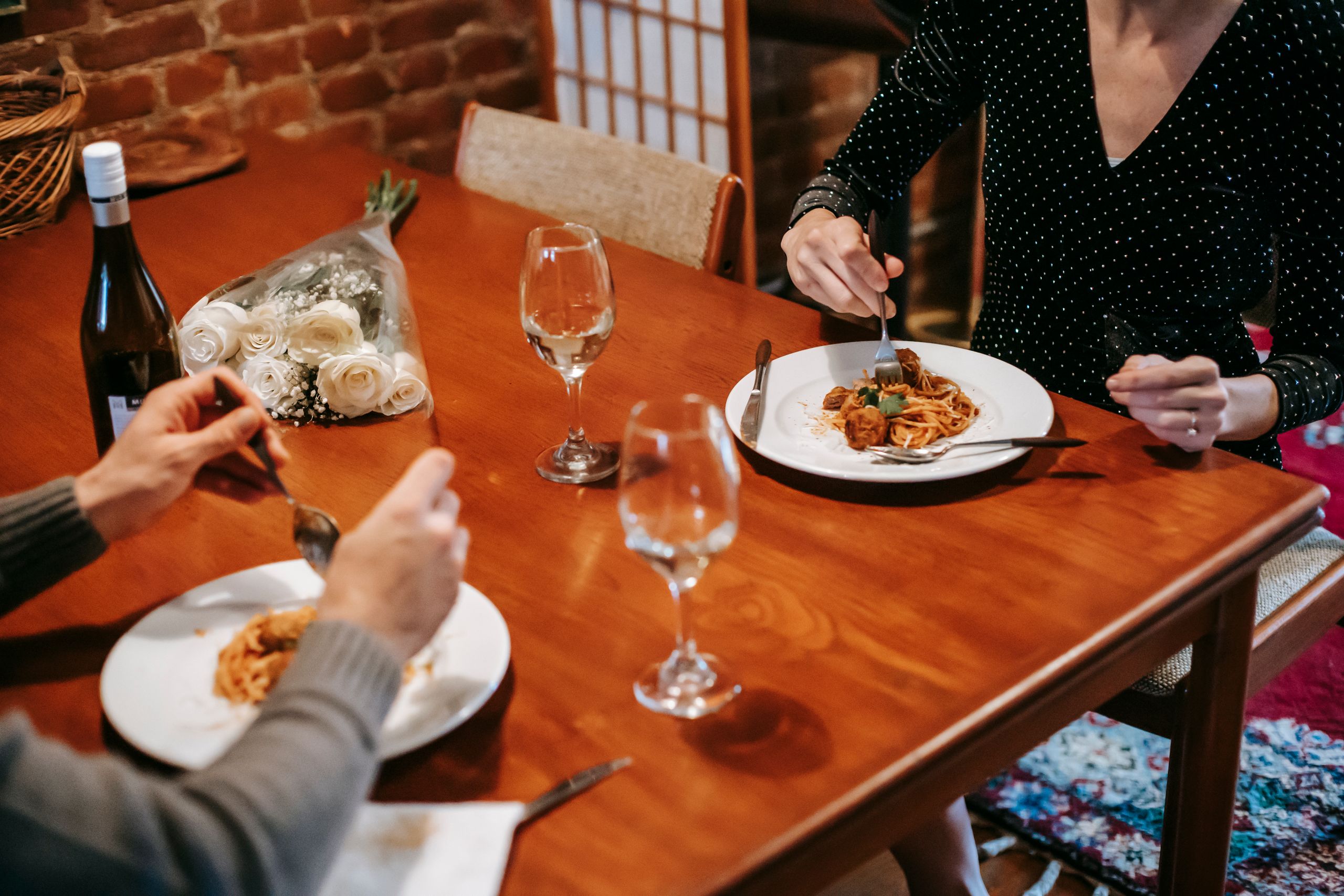
I sat down rather than eating over the sink. Then I poured water into a glass, used a real napkin, and gave myself enough time to taste the food.
No birthday, holiday, guest, or achievement justified the effort.
The evening was simply part of my life.
That was reason enough.
I love an elaborate celebration meal, but I also respect the food that makes an ordinary day feel cared for. A special everyday meal does not need candles, reservations, or an occasion impressive enough to explain to anyone else.
No Occasion Is Required
Many of us associate special meals with events. We save particular recipes, dishes, and table settings for birthdays, holidays, visitors, or romantic evenings.
Celebrations deserve that attention. Still, regular days make up most of a life.
If I reserve every form of care for exceptional moments, I spend much of my time waiting to become worthy of it. An ordinary Tuesday may never receive the same consideration as a holiday, even though Tuesday also asks my body to work, think, recover, and continue.
Feeding myself well does not require a public reason.
The Meal May Be Simple
An everyday meal does not need several courses or unusual ingredients.
Sometimes, it is soup with good bread. On another night, rice and beans provide exactly the steadiness I need. Roasted chicken, greens, eggs, or breakfast for dinner may also become the right response to a tiring day.
Simplicity does not reduce the meaning of the meal.
Care appears through preparation, seasoning, temperature, and the decision to serve the food as though the person eating it matters.
The Plate Can Change the Mood
Presentation will not transform poor ingredients into excellent food, nor will a beautiful plate solve the problems of the day. Even so, small choices can change how I experience a meal.
A bowl that feels good in my hands makes soup more comforting. A proper plate creates a different rhythm than eating directly from a container. Likewise, sitting at the table gives my body a clearer signal that I am allowed to pause.
These details do not need to become elaborate.
Often, the shift comes from paying attention.
Sitting Down Is Part of the Meal
During busy periods, I can eat while standing, working, scrolling, or moving between tasks. The food enters my body, but the meal barely registers.
Sitting down changes that.
Once I stop moving, I notice whether the food is warm, how the seasoning tastes, and whether I am still hungry. The pause also separates nourishment from productivity.
For a few minutes, I am not completing a task.
I am eating.
Women Are Often Taught to Save the Best Care for Others
Women frequently learn to make meals special for guests, partners, children, and family gatherings. We remember preferences, prepare favorite dishes, and make sure everyone else has enough.
That care can be meaningful.
However, the pattern becomes harmful when women consistently serve ourselves whatever remains after everyone else has been considered. The guest receives the attractive plate, while we eat standing in the kitchen. The family gets the fresh portion, and we take the leftovers without asking what we want.
Generosity should not require self-erasure.
Care for Myself Is Still Care
Preparing food for myself can feel less important because nobody else will witness the effort.
Yet care does not become meaningful only after it reaches another person.
I also live in this body. I need nourishment, pleasure, and moments that make daily life feel less mechanical.
Serving myself thoughtfully is not selfish. Instead, it recognizes that my needs belong within the household rather than outside it.
Food Memory Often Comes From Ordinary Days
Celebration meals create strong memories, but repetition shapes us differently.
I may remember a holiday table because it appeared once each year. At the same time, everyday meals taught me what home smelled like, what comfort tasted like, and which foods appeared when people needed something dependable.
This connects with my reflections on the food memories that continue following us home.
Memory does not always preserve the most expensive dish.
Sometimes, it keeps the rice, beans, soup, or chicken that appeared often enough to become part of the emotional architecture of home.
Repetition Does Not Make a Meal Meaningless
Foods served regularly can become easy to overlook.
Because they appear so often, we may describe them as basic or ordinary. However, repetition can signal dependability rather than lack of imagination.
A familiar meal may carry a household through demanding weeks. It can reduce decision fatigue, stretch a budget, and provide comfort when nobody has the energy for experimentation.
The food knows how to return.
Everyday Cooking Requires Knowledge
Home cooking often looks less impressive than restaurant food because it serves a different purpose.
The cook considers cost, time, nutrition, leftovers, preferences, and what needs to be used before it spoils. She may adjust the meal for children, elders, allergies, or whatever the household can manage that evening.
Those decisions require skill.
Daily cooking is not simply a smaller version of professional cooking. It involves its own form of planning, adaptation, and care.
Women’s Knowledge Shapes the Everyday Table
Women have carried much of this practical food knowledge across generations.
They learned how to stretch ingredients, season familiar dishes, preserve leftovers, and create meals under changing conditions. Even when society treated that labor as natural or expected, the work required intelligence.
This belongs beside my reflections on women leading change throughout food systems.
Food systems include farms, businesses, and public policy. They also include the daily decisions that determine whether people eat, what gets wasted, and how care reaches the table.
Care Does Not Have to Be Expensive
A thoughtful meal can come from inexpensive ingredients.
Beans, rice, eggs, vegetables, soup, and leftovers can become satisfying when I prepare them with attention. Cost matters, especially when grocery prices rise, but price does not provide the only measure of quality or dignity.
Care may appear through seasoning the food properly, warming it long enough, or placing it on a plate instead of treating the meal as something to finish quickly.
Money can expand choices.
Attention changes the experience.
Planning Can Make Ordinary Meals Easier
Everyday care becomes harder when I wait until I am exhausted to decide what to eat.
A small amount of planning helps. I may cook rice ahead of time, keep vegetables available, or prepare enough protein for more than one meal.
When I need meat for home cooking, I may use ButcherBox.
The service provides ingredients, but the meal still takes shape through the choices I make at home. Planning gives me a foundation without requiring every dinner to follow a rigid schedule.
Leftovers Can Become Care for My Future Self
Cooking extra food often feels like one of the simplest ways to support tomorrow.
A prepared meal in the refrigerator reduces the pressure to begin again from nothing. After a demanding day, I can reheat the food, add something fresh, and sit down sooner.
Leftovers do not need to feel like a lesser meal.
Some dishes deepen overnight, while others become the starting point for something new. Either way, previous effort continues providing care.
Small Rituals Can Make the Table Feel Different
I do not need formal table settings to create a sense of occasion.
Sometimes, I use a cloth napkin, play music, or clear the table before sitting down. In another moment, the ritual may involve lighting a candle, pouring sparkling water, or serving fruit after the meal.
The goal is not performance.
Rather, these small actions help me leave the pace of the day and enter the meal more fully.
The Food Does Not Need to Look Perfect
Social media has made attractive food presentation feel more important than it once did.
A home meal may appear less valuable when it lacks carefully styled ingredients, perfect lighting, or a beautiful kitchen in the background.
However, nourishment does not require a photograph.
The greens can look uneven. The sauce may spread across the plate, and the bowl can be chipped if it remains useful and loved.
Perfection is not the same as care.
Travel Reminds Me How Much Meaning a Meal Can Hold
While traveling, I often recognize the importance of ordinary food more clearly.
A guided market visit, cooking class, or food experience found through GetYourGuide can introduce me to regional ingredients and traditions.
Still, the most revealing foods may be the ones people eat without ceremony.
A weekday lunch, neighborhood bakery, family soup, or inexpensive plate can show how a place nourishes daily life. Celebration food tells one cultural story, while everyday food tells another.
Ordinary Food Can Carry Culture
A regular meal may preserve history through seasoning, technique, and the ingredients people continue using after migration or social change.
Families adapt dishes to new kitchens and budgets while keeping part of the original memory. Over time, the meal becomes both tradition and response.
Because people eat these foods often, they may stop explaining them.
Yet their familiarity does not make them culturally empty. In many cases, daily food carries identity more consistently than dishes reserved for festivals.
A Good Table Does Not Need Guests
Hospitality is usually directed outward.
We prepare the room, food, and table because someone is coming. Once the guest leaves, the extra attention disappears.
I want to practice hospitality toward myself too.
That does not mean creating a formal experience every night. Instead, it means refusing to treat my own presence as insufficient reason to wash the glass, use the good bowl, or sit at the table.
I am already here.
Pleasure Belongs in Daily Life
Pleasure is often treated as a reward.
First, I must finish the work, reach the goal, or survive the difficult period. Only afterward can I enjoy something good.
That approach can postpone living indefinitely.
A satisfying meal does not erase discipline or responsibility. It gives the body a moment of ease within them.
Daily pleasure helps life feel inhabited rather than merely managed.
A Special Meal Cannot Fix Everything
Food has limits.
A well-seasoned dinner cannot solve financial stress, loneliness, grief, or an overwhelming workload. It should not be used to hide problems that need more direct attention.
Nevertheless, care can matter without becoming a cure.
The meal may soften the evening, provide energy, or remind me to stop long enough to recognize what I need next.
Small care remains care.
Some Days the Special Meal Comes From Someone Else
Home cooking does not always require cooking everything myself.
There are evenings when prepared food, takeout, or a simple restaurant meal provides the support I need. The meaning comes from responding honestly to my capacity rather than forcing an ideal of domestic performance.
Rest can be part of feeding myself well.
Choosing convenience thoughtfully may offer more care than cooking while exhausted and resentful.
The Evening Changed Because I Treated It Differently
That meal of chicken, rice, and greens did not require much additional work.
Most of the food was already prepared. The real difference came from my decision to slow down, season it well, and serve it with attention.
After eating, the tasks still waited.
However, I returned to them feeling steadier. Instead of treating dinner as an interruption, I had allowed the meal to support the rest of the evening.
What Ordinary Food Can Hold
A special everyday meal does not need luxury ingredients, a formal table, or a reason visible to other people.
It may be soup, rice and beans, roasted chicken, eggs, greens, or leftovers served with care. What matters is the recognition that ordinary days also deserve nourishment and attention.
Women have often been taught to reserve our best effort for guests, celebrations, and everyone else’s needs. As a result, caring for ourselves may feel unnecessary or indulgent.
I want to resist that lesson.
A regular day is still part of my life. My body still needs food, and my spirit may benefit from the small dignity of a table that feels intentional.
Care does not have to be expensive. It can come through planning, seasoning, sitting down, and refusing to treat myself like an afterthought.
Ordinary food can hold memory, culture, comfort, and the practical wisdom of people who learned how to make enough. More personally, it can create a pause that says this day mattered because I lived it.
My life does not begin only when something worth celebrating happens.
Therefore, I do not want to save every good plate for a future occasion.
Sometimes, dinner is the occasion.
Explore more stories about home cooking, everyday meals, food memory, and the people whose knowledge nourishes daily life through DG Speaks Food. You can also discover how local meals reveal culture and place through DG Speaks Travel, or read more about women, care, dignity, and everyday life through DG Speaks Culture.