The Beauty of a Meal That Starts With Bread
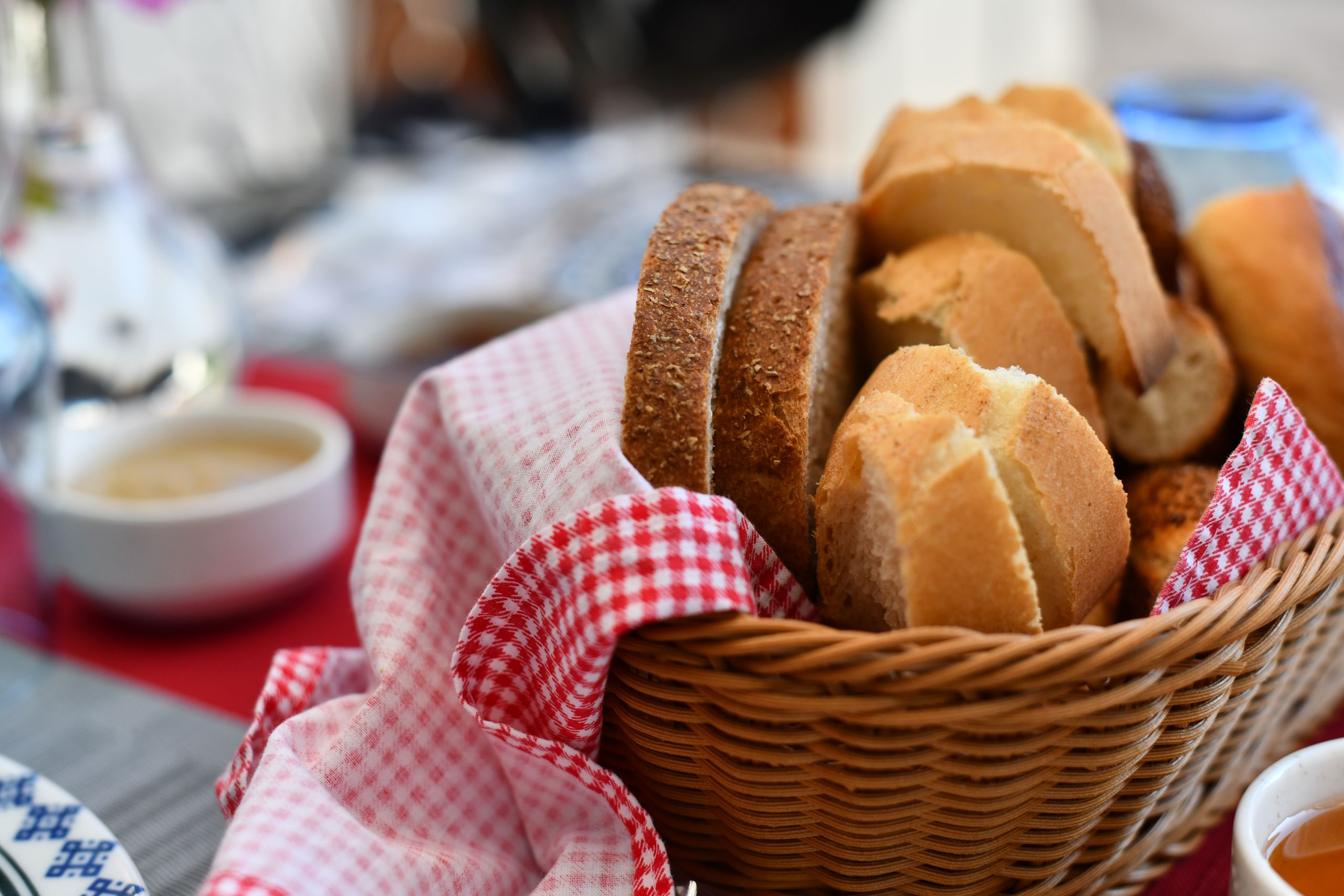
I remember sitting down in a restaurant after a long day of walking and realizing how hungry I was only when the bread arrived. The basket was simple, lined with a folded cloth, and the loaf had been cut into thick pieces that still held a little warmth.
Before anyone brought the menus or explained the specials, my hands already had something to do. I tore off a piece, passed the basket across the table, and felt the room become softer.
Nothing dramatic had happened. The bread was not the most elaborate dish of the evening, but it created the first sense of ease.
A meal that begins with bread already feels like an invitation. Warm or room temperature, humble or beautiful, bread at the table gives people a shared beginning before the rest of the meal asks anything from them.
The Basket Arrives Before the Story
Bread often reaches the table before conversation has found its rhythm. People are still settling into their chairs, placing bags beside their feet, unfolding napkins, and deciding what kind of evening this will be.
Then the basket arrives.
Someone reaches first, another person passes the butter, and the table begins moving as a group. Tearing, dipping, sharing, and offering create a small ritual before the main meal appears.
The gesture is ordinary, which may be why it works so well. Bread does not need to announce itself as hospitality. It simply gives everyone a way to begin.
The First Bite Sets the Emotional Tone
The first taste of a meal matters because it changes anticipation into experience. Until then, the evening exists mostly in expectation.
A good piece of bread can make a restaurant feel generous before I know anything else about the service. A stale or careless basket can communicate something different.
The effect is not only about quality. It is about attention.
Was the bread chosen because it belongs with the food, or was it placed on the table by habit? Does the butter arrive soft enough to spread, or does every guest struggle with it?
Small details reveal whether welcome was considered.
Bread Carries Memory Before It Carries Meaning
Bread can bring back a kitchen, a family table, or a city before I fully understand why. The scent of yeast, toasted crust, butter, olive oil, or flour may reach memory faster than language does.
This is one reason food memories continue following us home. A loaf is never only flour, water, salt, and time once it becomes attached to people and place.
The bread I remember may not have been exceptional by professional standards. It mattered because someone placed it on a table where I felt safe, hungry, or included.
Memory rarely measures food with complete objectivity. It remembers who was there and how the room felt.
Local Bread Teaches Me How a Place Eats
Restaurants reveal culture through what they consider ordinary. Bread makes that especially visible.
One city serves small rolls, another brings a dark loaf, flatbread, cornbread, biscuits, or something meant to be dipped into oil. The shape, grain, texture, and way it is shared reflect agricultural history, trade, migration, religion, and local taste.
This is part of what I mean when I write about how local restaurants teach me how a city feels. The restaurant does not need to explain the bread as a cultural artifact for it to carry meaning.
What feels familiar to local diners may become one of the clearest ways a visitor begins understanding the table.
Simple Food Can Hold Social Power
Bread is often treated as basic food, but basic does not mean insignificant.
For centuries, bread has represented sustenance, labor, survival, religion, class, and community. Its presence at a table can signal abundance, while its absence can reveal scarcity.
Sharing bread also creates a different relationship with food than receiving individual plates. The basket belongs to everyone.
People must notice who has not received any, whether another piece remains, and when the basket should be passed again. That shared responsibility is small, but it changes the social structure of the meal.
For a few minutes, the table becomes communal before the individual orders arrive.
Hospitality Should Not Depend on Excess
Welcome is often confused with abundance.
A generous table does not need to overflow. Too much food can become waste, while an elaborate presentation may create more labor without creating more connection.
Bread works because it offers enough.
A few slices can settle hunger, make waiting easier, and give people something to share. Its hospitality comes from timing and intention rather than extravagance.
That distinction matters to me. Care should feel thoughtful, not performative.
The Labor Behind the Basket Matters
The bread may look simple when it reaches the table, but simplicity is often the result of skill.
Someone mixed the dough, understood fermentation, shaped the loaf, watched the oven, cooled it, sliced it, and made sure it arrived before service. Flour had to be grown, milled, packaged, transported, and purchased long before the bread became part of the meal.
Restaurant labor continues after the basket reaches me. Staff refill it, clear crumbs, wash linens, and repeat the ritual across many tables.
Hospitality should not erase the workers who create it.
The ease I feel at the table depends on labor that deserves fair pay, reasonable conditions, and recognition beyond the finished product.
Not Every Table Offers Bread Freely
Bread service also carries class and cultural assumptions.
Some restaurants include it automatically. Others charge for every basket, offer it only by request, or have removed it entirely because of waste and rising costs.
None of those choices is automatically wrong. Food, labor, rent, and energy cost money, and restaurants must survive.
Still, the difference shapes how welcome feels. A complimentary basket can suggest generosity, while a carefully priced bread course may signal that the bread itself is meant to be appreciated as part of the menu.
The meaning depends on context, quality, and honesty.
Travel Helps Me Notice Bread Traditions
Travel makes bread newly visible because familiar assumptions disappear. I begin noticing how it is served, when people eat it, what accompanies it, and whether it belongs to breakfast, dinner, or every meal in between.
Food experiences available through GetYourGuide can help travelers understand local bread traditions when guides connect the food to history, agriculture, migration, and daily life.
A tasting becomes more meaningful when I learn why a particular flour is used, how a regional shape developed, or what the bread communicates within the culture.
The goal is not to collect breads as novelties. It is to understand how ordinary food carries place.

A DG Speaks Recommendation
I want more years of gathering, tasting, and making ordinary moments feel generous
I partnered with Happy Aging to share products that support energy, vitality, and a life that stays connected to the people and pleasures that matter.
The Meal at Home Can Begin the Same Way
The ritual does not belong only to restaurants.
At home, bread can create the same sense of arrival while the rest of the meal is still finishing. It gives people something to share and keeps hunger from turning waiting into irritation.
A loaf beside soup, rolls with roasted vegetables, or bread served with a meal planned around ingredients from ButcherBox can make an ordinary dinner feel more intentional.
The point is not to reproduce restaurant service. It is to create a beginning that says the table is ready for people, even if every dish is not.
The Antidote Is Creating a Shared Beginning
Modern meals can become highly individualized.
Everyone orders separately, eats at a different time, watches a different screen, or moves through dinner as quickly as possible. Food becomes efficient, but the table loses its ability to gather.
The antidote is not forcing every meal into ceremony. It is creating one shared beginning.
That beginning might be bread, fruit, soup, tea, or a small plate placed in the center. What matters is that people reach toward the same thing before retreating into individual portions and responsibilities.
A shared beginning slows the meal just enough for everyone to arrive.
Welcome Can Be Simple
Hospitality does not always require a perfect home, expensive ingredients, or a table set for a photograph.
Sometimes welcome is a loaf cut into pieces, butter softened in advance, or oil poured into a small dish before anyone sits down.
These gestures matter because they remove uncertainty. The guest knows she can begin.
Simple hospitality says there is enough room, enough food, and no need to perform gratitude before being fed.
Sometimes Welcome Arrives in a Bread Basket
When I think back to the restaurant where the bread arrived before the menus had become important, I remember how quickly the table changed. We had not begun the main meal, but we had already begun being together.
Bread at the table matters because it creates an opening.
People reach, tear, pass, butter, dip, and offer. The first bite settles hunger while the shared basket gives the table its first small act of cooperation.
The bread does not need to be the most impressive part of the meal. Its work is quieter.
It tells us that we may begin before everything is perfect.
Sometimes that is what welcome means.
Continue exploring stories about food memory, restaurant culture, hospitality, and the rituals that bring people together through DG Speaks Food.