Why the Mother-in-Law Stereotype Still Won’t Die
Mother-in-law relationships have carried tension and stereotypes for generations. Entire movies, sitcoms, and social media trends have been built around family conflict between mothers-in-law and daughters-in-law.
However, beneath the jokes and viral wedding stories lies something much deeper.
These relationships often reflect grief, emotional transition, identity shifts, changing family roles, and the struggle to let go.
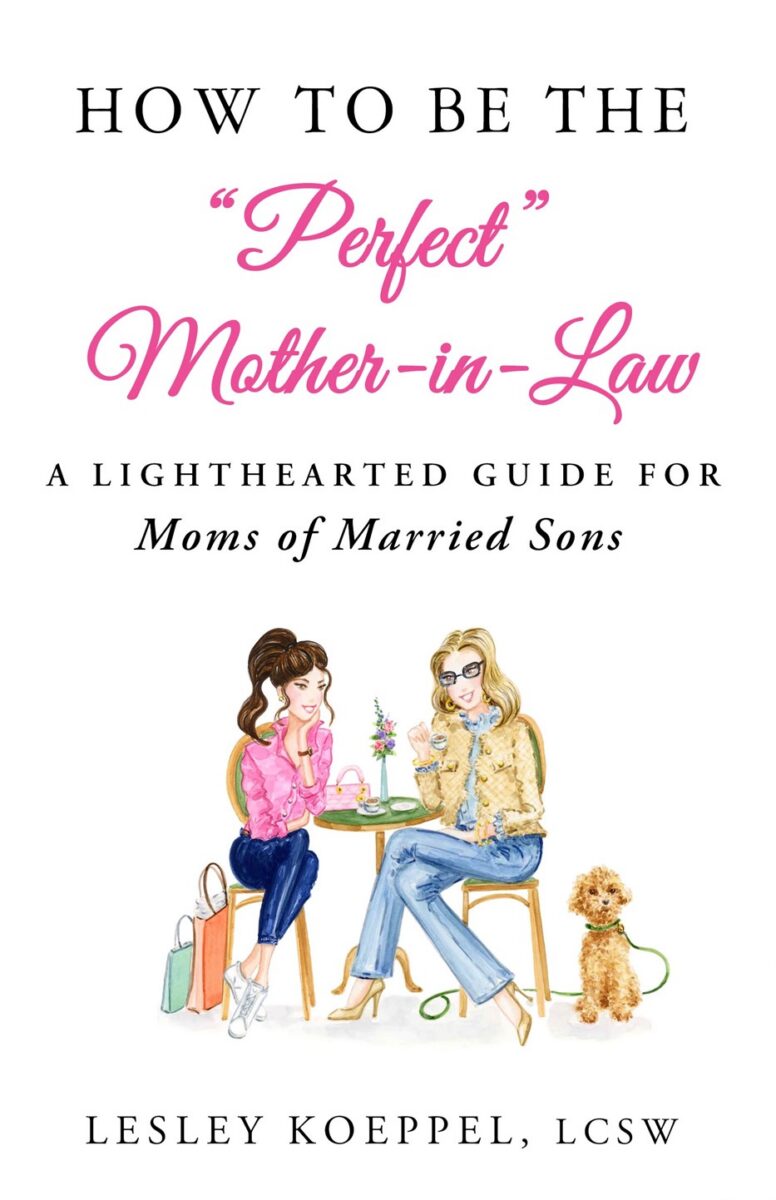
Recently, I explored these themes through the work of Lesley Koeppel and her book How to Be the “Perfect” Mother-in-Law: A Lighthearted Guide for Moms of Married Sons. What surprised me most was how emotional and psychologically layered this conversation really is.
Honestly, I think many women will recognize themselves somewhere inside this discussion.
Why Mother-in-Law Relationships Carry So Much Tension
Mother-in-law relationships are emotionally charged because they often involve changing family roles.
For many mothers, raising a son becomes a central part of their identity for decades. Then marriage changes the structure of that relationship almost overnight.
Suddenly, another woman becomes the primary emotional partner, confidante, and decision-maker in their son’s life.
That transition can feel surprisingly emotional.
Koeppel explains that many mothers quietly experience grief during this stage of life. This grief is not about jealousy or selfishness. Instead, it reflects the emotional difficulty of learning how to love differently.
Many women spend years managing schedules, solving problems, offering guidance, and remaining deeply involved in their children’s daily lives. Then suddenly, boundaries shift.
That emotional adjustment is not always easy.
Modern Weddings Have Changed Mother-in-Law Relationships
Modern weddings have also transformed mother-in-law relationships.
Today’s weddings are highly personalized. Couples often want full control over traditions, aesthetics, guest lists, and family involvement. Because of that, tension can develop quickly when expectations clash.
In the press materials for Koeppel’s book, she shares several “unspoken rules” for mothers of the groom.
Some of the advice is intentionally direct:
- This is not your wedding.
- Ask before offering opinions.
- Respect boundaries.
- Stay out of guest list politics.
- Do not manage the bride’s emotions.
Simple advice can still feel emotionally difficult.
Many women grew up believing that being deeply involved in family life was part of being a loving mother. However, younger generations often prioritize autonomy, emotional boundaries, and independence.
As a result, mother-in-law relationships can quickly become strained when emotional expectations are different on both sides.
The Daughter-in-Law Perspective Matters
One of the strongest parts of Koeppel’s book is the inclusion of real daughter-in-law perspectives.
Many daughters-in-law described feeling:
- Judged
- Compared to other women
- Emotionally crowded
- Criticized
- Excluded
- Treated like outsiders
Honestly, many women will immediately recognize these dynamics.
Some daughters-in-law feel like they are entering an already established emotional system where they are quietly being evaluated. That pressure can damage trust very quickly.
At the same time, many mothers-in-law genuinely believe they are helping.
That disconnect matters.
Most family conflict is not rooted in cruelty. Instead, it often grows from misunderstanding, mismatched expectations, poor communication, and emotional insecurity.
Koeppel repeatedly encourages mothers-in-law to remember their own experiences as younger women entering new family systems.
That perspective shift can change everything.
Healthy Mother-in-Law Relationships Require Boundaries
Healthy mother-in-law relationships require emotional boundaries.
That does not mean becoming cold, distant, or uninvolved. Instead, it means learning how to support adult children without controlling them.
Koeppel uses a powerful comparison throughout the book. She explains that mothers eventually need to shift from being “managers” of their sons’ lives into becoming “consultants.”
Honestly, that idea stayed with me.
Consultants are invited in.
Managers take control.
That distinction explains many modern family conflicts.
Adult children increasingly want emotional support without constant correction, advice, or oversight. Meanwhile, many parents still associate involvement with love and care.
Those emotional languages do not always translate smoothly.
Social Media Has Intensified Family Pressure
Social media has also intensified pressure around mother-in-law relationships.
Weddings are now public performances online. Family closeness is constantly displayed through photos, videos, matching outfits, traditions, vacations, and celebrations.
Because of that, many people feel pressure to perform “perfect family” dynamics publicly while privately navigating emotional tension.
Everyone feels watched.
Everyone feels evaluated.
And honestly, many families feel exhausted trying to meet impossible emotional expectations.
The Goal Is Not Perfection
Ironically, the biggest lesson from How to Be the “Perfect” Mother-in-Law is that perfection is not actually the goal.
The real goal is emotional maturity.
Healthy mother-in-law relationships require:
- Self-awareness
- Flexibility
- Respect
- Communication
- Emotional restraint
- Empathy
- Boundaries
Most importantly, they require understanding that love evolves as families grow.
Strong families are not built through control.
They are built through trust.
About Lesley Koeppel
Lesley Koeppel is a psychotherapist with more than 30 years of experience working with individuals and families. Her book, How to Be the “Perfect” Mother-in-Law: A Lighthearted Guide for Moms of Married Sons, explores modern mother-in-law relationships through humor, psychology, and practical guidance.

The book covers communication, emotional boundaries, conflict resolution, grief, weddings, and evolving family dynamics. Get your copy HERE.