Navigating Cultural Identity Across Three Worlds
People often ask me where I am from, and I understand why. My story does not fit neatly into one answer. I was born in Panama. My mother is Afro-Colombian from San Andrés. My father is African American, and I grew up in eastern North Carolina. Those experiences shaped my cultural identity long before I ever had the words to describe it.
As a child, I never thought much about balancing cultures. Life simply felt normal. Looking back, however, I realize that every meal, every family gathering, and every conversation quietly taught me that identity can hold many stories at the same time.
Home Taught Me That Culture Lives in Everyday Moments
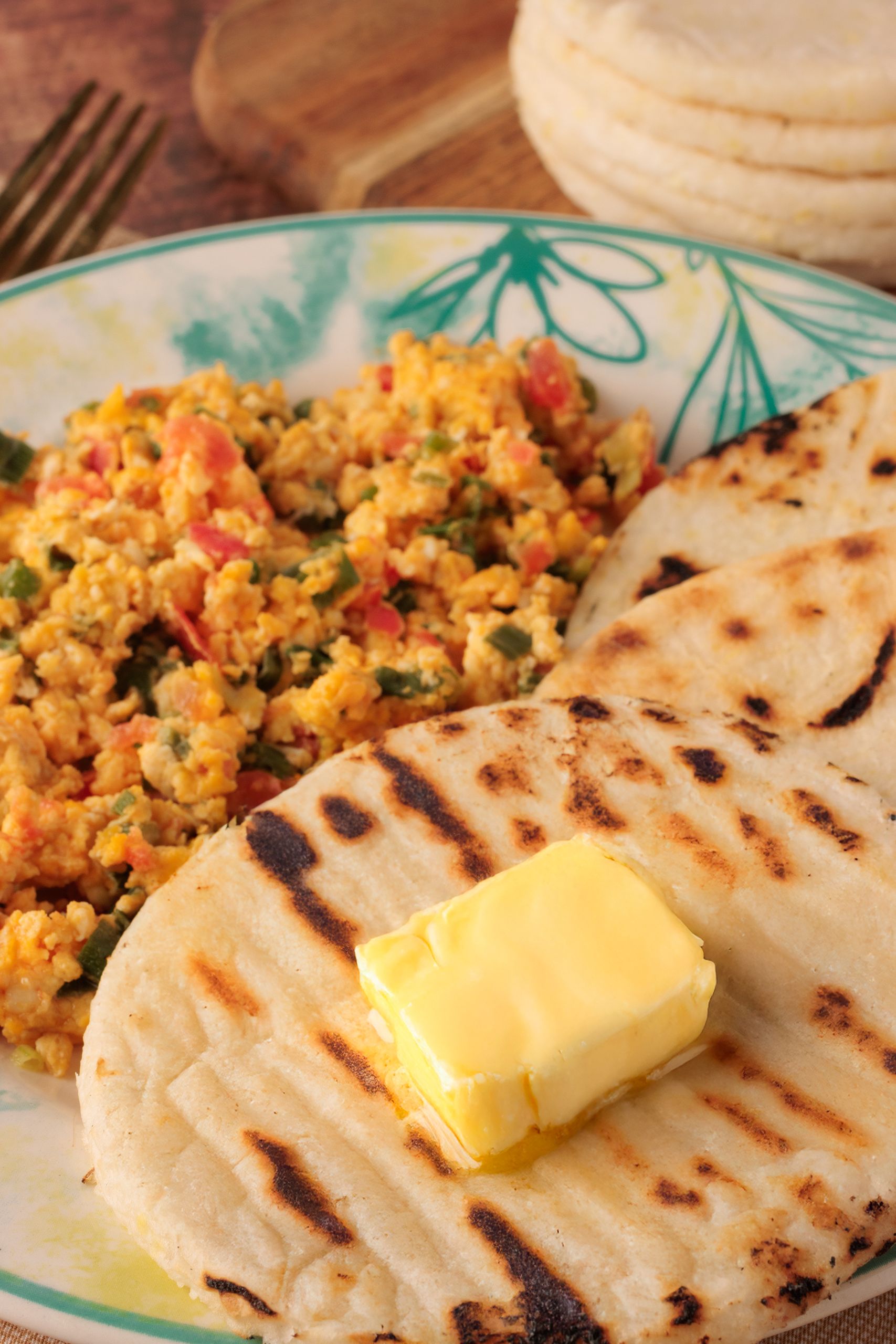
Our home celebrated more than one tradition. The kitchen filled with the smell of arepas, rice, beans, fresh seafood, and family recipes that crossed borders long before I did. Music drifted through the house, relatives shared stories, and laughter usually carried farther than anyone intended.
Those moments taught me something I still believe today. Culture does not only live in museums or history books. Instead, it lives around dinner tables, inside family recipes, through music, and within the stories that older generations choose to pass along.
That lesson continues to influence my writing. Consequently, many of my stories connect food with history because I believe every recipe carries the memory of the people who kept it alive. You can see that throughout my food stories and my reflections on culture.
Life Rarely Fits Inside One Label
As I grew older, people often wanted simple answers. Was I Black? Was I Latina? Was I American? Those questions assumed that identity worked like a multiple-choice test.
I never saw it that way. Instead, every part of my background strengthened the others. My Afro-Colombian heritage shaped how I think about family and resilience. My African American roots deepened my understanding of history and justice. Growing up in North Carolina influenced how I relate to community, while being born in Panama reminds me that home can exist in more than one place.
Because of that perspective, I rarely write only about destinations. Instead, I write about people, traditions, and the cultural stories that give places their character.
Travel Helped Me Understand Myself
Ironically, the farther I traveled, the more clearly I understood my own cultural identity. Living and working across Africa, Asia, Europe, and Latin America introduced me to people whose lives looked very different from mine. Even so, many understood exactly what it felt like to belong to more than one culture.
Those conversations changed me. Rather than searching for one place that defined me, I began appreciating the connections between all the places that shaped me. As a result, travel became more than movement from one country to another. It became another way to understand home.
That perspective explains why I approach travel through culture instead of checklists. Every destination offers another opportunity to learn how people create belonging, preserve traditions, and tell their own stories.
Living Out Loud Means Embracing Every Chapter
Today, I no longer feel the need to simplify my story for anyone else’s comfort. My cultural identity reflects every place, every community, and every experience that helped shape me. Together, those influences allow me to see connections that others sometimes miss.
That perspective guides everything I do, whether I am writing about food systems, interviewing community leaders, exploring a new destination, or sharing stories through DG Speaks. Above all, I hope my work encourages other people to embrace every part of their own story instead of choosing the version that feels easiest to explain.
Living out loud has never meant fitting inside someone else’s definition. Instead, it means honoring every chapter that brought me here and trusting that the full story has always been enough.
You might also enjoy reading Embracing Afro-Latina Culture, browsing DG Speaks Culture, or exploring DG Speaks Travel.