The Pantry Is a Quiet Kind of Security
I understood the value of a stocked pantry most clearly on a day when I did not want to leave the house.
The weather was bad, my energy was low, and the idea of making another decision felt heavier than it should have. I opened the refrigerator and found very little that could become a full meal. For a moment, dinner looked like one more problem waiting to be solved.
Then I opened the pantry.
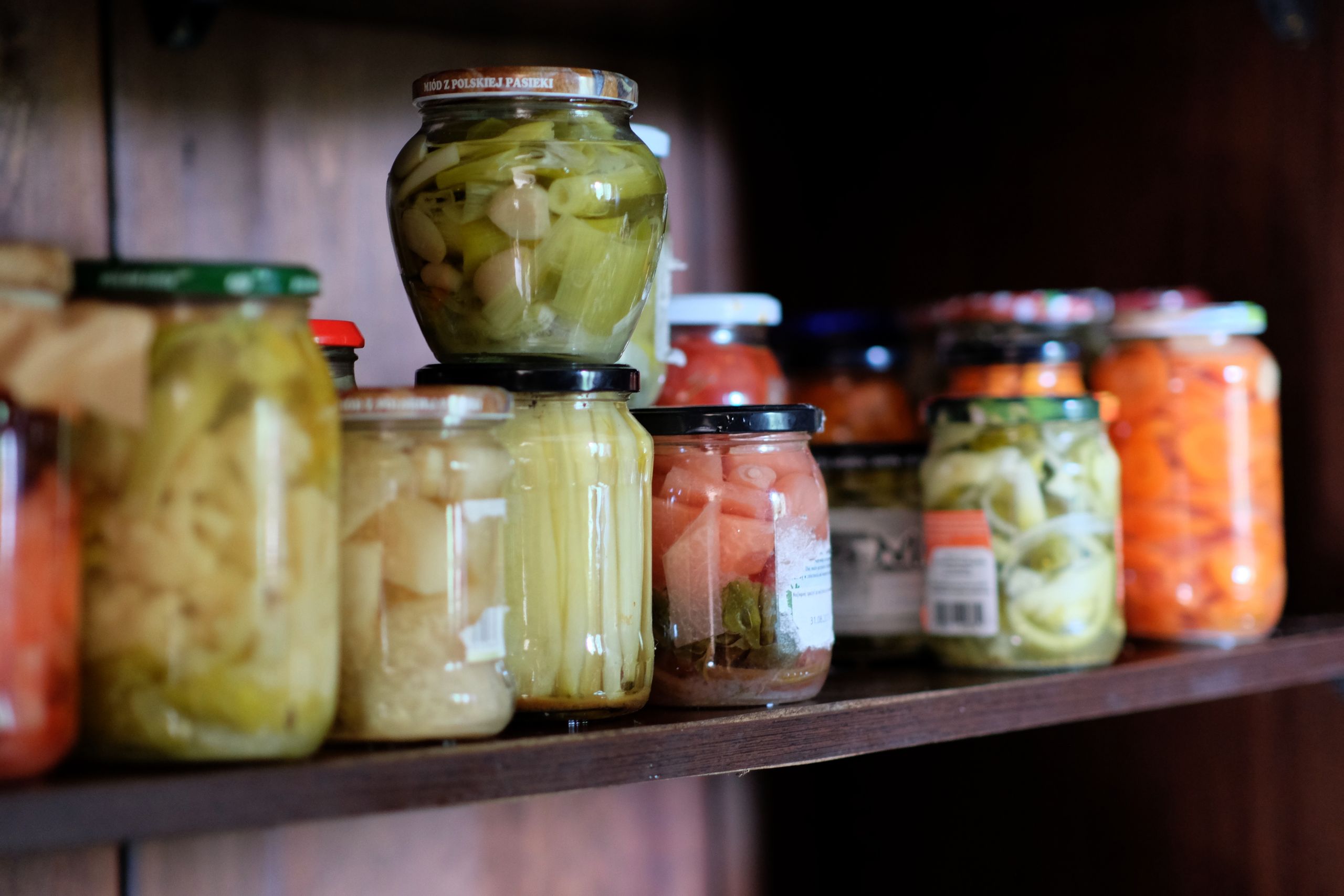
There was rice, a can of beans, broth, pasta, tea, spices, and a few other ingredients that did not seem important when I bought them. Together, however, they gave me options. I could make soup, season the beans, cook rice, or build a simple meal without spending more money or going anywhere.
That small sense of relief stayed with me.
A pantry can look ordinary until I need it. At that moment, it becomes something more than shelves and containers. Pantry security is the quiet comfort of knowing that something useful is waiting at home.
Security Can Look Like Rice and Beans
Food security is often discussed through large systems, statistics, and public policy. Those conversations matter because hunger and food access require structural solutions.
At home, however, security can feel surprisingly specific.
It may look like enough rice for several meals, beans that can become soup or a side dish, pasta that cooks quickly, or tea that offers warmth when nothing else feels settled. A jar of spices can transform inexpensive ingredients, while broth can turn leftovers into something more complete.
None of these foods needs to be luxurious.
Their value comes from possibility.
What I Reach for First Tells a Story
The ingredients I consider essential reflect memory, culture, and habit.
Someone else may feel secure when flour, oil, and baking supplies remain on the shelf. Another household depends on canned tomatoes, noodles, dried chilies, lentils, or a particular grain.
My first choices reveal what I learned food should do.
Some ingredients feel safe because they stretch. Others carry familiar flavors or connect me with meals I have eaten throughout my life.
That emotional relationship belongs beside my reflections on the food memories that continue following us home.
A pantry does not hold only food.
It holds the knowledge of what can become dinner.
The Shelf Records Everyday Decisions
A pantry tells the truth about how a household actually eats.
It shows which foods people replace quickly, which items they buy with good intentions, and what remains untouched for months. Budget, schedule, taste, culture, and anxiety all leave traces there.
A crowded shelf does not always mean abundance. Sometimes it reflects poor planning, duplicated purchases, or food someone does not know how to use.
Likewise, a small pantry may still work well if it contains dependable ingredients chosen with care.
Security depends less on appearance than usefulness.
A Flexible Ingredient Creates More Than One Meal
The most valuable pantry foods often know how to change roles.
Beans can become soup, stew, filling, or part of a rice dish. Oats can serve as breakfast, support baking, or add texture elsewhere. Pasta works with vegetables, meat, broth, or a simple sauce.
That flexibility reduces pressure.
Instead of needing a separate ingredient for every recipe, I can build several meals from a smaller foundation. This approach supports both the budget and the imagination.
The shelf becomes more useful when I think in possibilities rather than fixed recipes.
Planning Ahead Is a Form of Care
A stocked pantry can support my future self.
On a good day, I may have enough time and energy to shop carefully. Buying a few dependable items then makes a difficult evening easier later.
This kind of planning does not need to become obsessive or rigid. I do not need to prepare for every possible crisis.
Instead, I want enough food to reduce panic when work runs late, transportation becomes difficult, or the body needs rest.
Care sometimes means making one decision before exhaustion arrives.
Enough Food Creates More Choice
Having food at home changes how I make decisions.
I do not need to accept the first expensive delivery option or spend money because hunger became urgent. I can decide whether I want to cook, combine leftovers, or save another ingredient for later in the week.
That choice carries dignity.
When people do not have enough food, every meal becomes a negotiation. They calculate portions, delay eating, substitute ingredients, or decide which family member needs the food most.
Enough is not a small thing.
It reduces the fear surrounding the next meal.
Food Access Begins Before the Plate
People often imagine food access mainly through what someone can purchase.
Money matters, but access also depends on transportation, storage, time, health, equipment, and knowledge.
A person may live far from a full grocery store. Another household may lack a car, reliable public transit, or enough time to visit several stores for better prices.
Even after food reaches the home, storage becomes part of the question. Does the household have cabinets, a working refrigerator, freezer space, safe water, and a stove?
Food security begins long before dinner reaches the table.
Buying in Bulk Requires Privilege
Advice about saving money often recommends purchasing larger quantities.
Bulk buying can lower the cost per serving. However, the strategy assumes a shopper has enough money to pay more upfront and enough space to store the food safely.
Not everyone has either.
A family may know that the larger bag offers better value and still be unable to afford it that week. Someone living in temporary housing may avoid stocking up because moving food is difficult.
Preparedness depends on resources.
It should not be used as a moral test.
Time Is Part of the Pantry Too
Dried beans may cost less than prepared ones, but they require time, fuel, and attention.
Cooking from scratch can stretch a budget while demanding hours that a working caregiver may not have. A person managing disability, illness, or exhaustion may also need foods that require less physical effort.
Convenience is often discussed as though it reflects laziness.
In reality, convenient food can protect limited time and energy.
A thoughtful pantry includes ingredients the household can realistically prepare, not only those that appear ideal on paper.
Women Often Carry the Inventory in Their Heads
Women frequently manage more than the cooking.
They remember what is running low, which child will eat what, when a staple goes on sale, and how many meals remain before the next paycheck.
This invisible inventory requires constant attention.
It connects with my reflections on women’s leadership throughout food systems.
Food systems operate through farms, markets, businesses, and policy. They also depend on the daily mental labor that keeps households fed.
Remembering what is on the shelf is part of that work.
The Pantry Can Reduce Waste
A useful pantry helps me make better use of fresh food too.
Vegetables nearing the end of their life can become soup with broth, beans, or pasta. Leftover meat may stretch farther with rice, while herbs can add flavor to a simple grain dish.
Staples give fragile ingredients somewhere to go.
Without that foundation, leftovers may remain separate pieces that never become another meal.
Reducing food waste is easier when I have enough basic ingredients to create connections.
Too Much Food Can Still Become Waste
Stocking a pantry can create its own problems when fear or enthusiasm leads me to buy more than I can use.
Extra cans disappear behind newer ones. Flour expires, spices lose strength, and foods purchased during an ambitious planning period remain untouched.
A secure pantry should not become a museum of forgotten intentions.
Occasional review helps. I can place older items in front, plan a meal around what has been sitting too long, and stop buying duplicates simply because I cannot see what I already own.
Preparedness works best with attention.
Labels and Dates Offer Useful Clues
Food safety matters when I store ingredients for longer periods.
I try to keep packages closed, protect dry goods from moisture and pests, and notice whether anything smells, looks, or feels wrong. Clear labels also help when I move ingredients into other containers.
Dates on food packages can create confusion because they do not all communicate the same thing. As a result, I combine label information with safe storage practices and practical observation.
The goal is not fear.
It is keeping the food useful and safe long enough to serve its purpose.
Meal Planning Should Begin With What I Have
Before creating a shopping list, I can look at the shelves.
That simple habit prevents unnecessary purchases and helps me see what the next meal could become. Perhaps the pantry already holds rice, beans, pasta, or spices that need only a few fresh ingredients.
Starting with what I own changes the question.
Instead of asking, “What do I want to make?” I can ask, “What can I build from here?”
That approach supports creativity without requiring every meal to become an experiment.
Protein Can Enter the Plan in Different Ways
Beans, lentils, canned fish, nut butters, and other shelf-stable foods can support meals without relying on one kind of protein.
When I want meat for home cooking, I may also use ButcherBox as part of my planning.
Still, no single service or ingredient answers the larger question of access.
Different households need different combinations of affordability, convenience, storage, nutrition, and cultural familiarity.
A useful pantry reflects the people eating from it.
Emergency Preparation Should Not Become Fear
Keeping extra food can help during storms, illness, transportation problems, or temporary income disruptions.
However, preparation can become overwhelming when every purchase grows from anxiety.
I do not want the pantry to represent permanent fear of scarcity.
Instead, I want it to offer a reasonable cushion. A few meals, water, and familiar staples can create calm without turning the home into a storage project built around worst-case scenarios.
Security should reduce fear rather than feed it.
Community Food Support Matters
Individual planning cannot solve food insecurity.
Food banks, school meal programs, community refrigerators, mutual aid, senior services, and public benefits help households bridge gaps that personal budgeting cannot repair.
These programs should offer dignity as well as calories.
People deserve culturally appropriate foods, clear information, respectful treatment, and reasonable access. Support should not require humiliation or endless proof that someone is struggling enough.
Community resilience grows when people can ask for help before the pantry becomes completely empty.
A Shelf Can Hold Memory and Hope
Some pantry items remain emotionally important because they connect me with a person, place, or period of life.
A particular tea may remind me of travel. A spice blend can return me to another kitchen, while one familiar ingredient may help an unfamiliar home feel more settled.
Migration often changes what people can find and afford. Families adapt recipes, substitute ingredients, and carry memory through whatever remains available.
In that sense, a pantry can become a small archive.
Its contents reveal both where people have been and how they learned to continue.
The Dinner Was Already Waiting in Pieces
On that difficult evening, I cooked the rice and warmed the beans with broth and seasoning.
The meal came together quickly because the pantry had already done part of the work. Nothing on the shelf looked impressive alone. Together, the ingredients gave me warmth, nourishment, and one less problem to solve.
I did not need a perfect dinner.
I needed enough.
That difference matters.
The Politics of Being Prepared
Pantry security feels personal because it lives inside the home. It appears in rice, beans, pasta, tea, spices, soup, and the other staples waiting quietly on a shelf.
Yet the ability to prepare is shaped by larger systems.
Who has enough money to buy food before the moment of need? Who can transport it, store it, cook it, and replace it when it runs out?
Advice about planning often overlooks those questions.
A well-stocked pantry can offer dignity, choice, and calm. It can reduce waste, support home cooking, and make difficult days more manageable.
However, no household should need perfect planning to avoid hunger.
Food access requires wages, transportation, housing, public programs, functional kitchens, and enough time to prepare what is available.
A pantry may be private space, but it points toward public responsibility.
Food security begins long before a person lifts the first bite.
It begins with whether something useful is waiting when the cupboard door opens.
Explore more stories about home cooking, food access, pantry planning, and the systems shaping what reaches our tables through DG Speaks Food. You can also read more about community, dignity, labor, and public responsibility through DG Speaks Culture, or discover how ingredients, markets, and food traditions reveal the character of a place through DG Speaks Travel.