Why I Am Thankful for the People Who Feed Communities
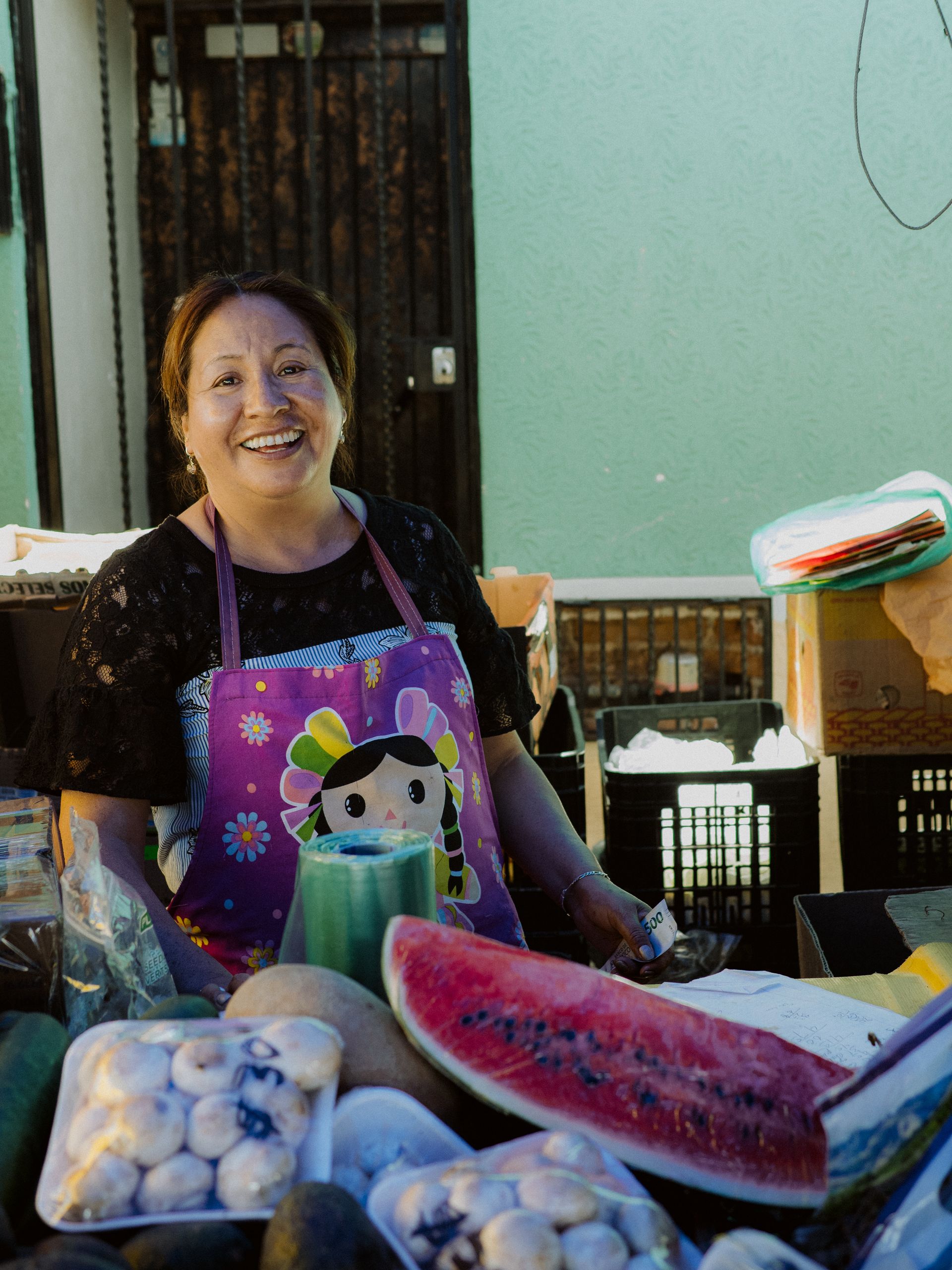
One morning, I arrived at a market before the day had fully begun. Vendors were lifting crates from trucks, unfolding tables, stacking produce, and moving quickly enough to make the finished displays look effortless later.
A woman carried box after box of greens toward her stall. Nearby, someone arranged bread while another vendor swept the pavement around a table that would soon be crowded with customers. By the time most people arrived, the heaviest part of the morning would already be over.
I remember watching that work and thinking about how easily the labor disappears once the food looks beautiful.
We see the tomatoes lined up by color, the warm loaf placed in a basket, or the meal carried through a restaurant dining room. We do not always see the early alarm, the aching back, the delivery route, the hot kitchen, or the hands washing the final pan after everyone else has gone home.
I am thankful for the people who feed communities. I do not mean that in a vague or sentimental way. I mean the farmers, cooks, servers, vendors, drivers, dishwashers, cafeteria staff, food pantry workers, grocery employees, and home cooks whose labor keeps people nourished.
The Work Begins Long Before the Plate
A meal may appear to begin when it reaches the table, but its story started much earlier.
Someone selected seed, prepared soil, monitored weather, managed pests, harvested crops, or cared for animals. Another person sorted, packed, stored, transported, unloaded, processed, stocked, prepared, served, and cleaned.
Each stage depends on knowledge that often becomes invisible once the finished food appears. A cook knows how heat changes texture. A driver understands routes, timing, and temperature control. A produce worker can recognize damage before a customer notices anything wrong.
Food systems operate through thousands of decisions that rarely receive public attention. When those systems work, most people experience the result as convenience.
That convenience can make the labor look natural, as though food simply arrives because shelves, kitchens, and dining rooms are supposed to remain full.
Nothing about feeding a community happens automatically.
Farmers Carry Risk That Shoppers Rarely See
Farming requires a difficult relationship with uncertainty. Weather can shift, equipment can fail, input costs can rise, and a crop can struggle even after months of careful work.
Consumers often meet agriculture at the most attractive point in the process. We see a market stall filled with color or a package ready for purchase.
The farmer carries everything that happened before that moment.
This is part of what draws me to the food stories found at farmers markets. A conversation with the person selling the food can restore some of the context that disappears inside a larger retail system.
The shape of a vegetable, the amount available that week, or a change in price may reflect heat, rain, labor shortages, transportation problems, or land access. Those realities belong to the food even when they do not appear on the label.
Gratitude for farmers should include more than admiration. It should include fair prices, strong infrastructure, responsible policy, access to land and capital, and respect for agricultural knowledge.
Women’s Food Labor Often Hides Behind Care
Women feed communities at every level of the food system. They farm, process, sell, cook, research, organize, preserve, transport, advocate, and manage households.
Too often, people describe that work as love rather than labor.
Love may shape the meal, but love does not erase the time, planning, skill, and physical effort required to produce it. A woman who remembers everyone’s preferences, stretches the grocery budget, prepares the food, and cleans the kitchen has done work, even when nobody issued a paycheck.
My reflections on women leading change throughout food systems begin with this recognition. Women do not merely support food systems from the margins. They hold essential knowledge and often keep entire systems functioning.
Celebrating care while ignoring the person providing it creates another form of erasure.
Real gratitude asks who carried the responsibility and whether anyone helped carry it back.
Restaurants Depend on More People Than We Meet
Diners usually interact with only a small portion of the restaurant staff. A server takes the order, someone delivers the food, and a manager may stop by the table.
Behind that visible exchange, prep cooks chop, line cooks manage heat and timing, dishwashers keep the entire operation moving, and cleaners restore the space after service ends. Delivery workers arrive before the doors open, while someone tracks inventory, receives shipments, and notices what will run out.
The meal cannot reach the dining room without the people whose names never appear on the menu.
Restaurant work also requires emotional labor. Servers manage complaints, answer questions, remember requests, and remain composed while moving through a demanding environment.
A busy room may feel festive to the guest. For the staff, the same room can mean hours of physical strain and constant attention.
Appreciating a meal should include treating workers with dignity, tipping fairly where tipping forms part of compensation, and recognizing that service does not make a person socially invisible.
Food Workers Become Essential Before Society Treats Them That Way
Communities often discover the importance of food workers during emergencies.
Storms, public health crises, supply disruptions, and economic hardship reveal how much depends on the people who keep food moving. Grocery employees stock shelves while customers prepare for uncertainty. Cafeteria staff feed children, while pantry workers organize supplies for households under pressure.
The word “essential” may appear quickly during a crisis. Better pay, protection, benefits, and long-term respect often arrive much more slowly.
That contradiction matters.
A community cannot praise workers for taking risks during an emergency and then return to treating their labor as disposable when conditions stabilize.
Gratitude becomes meaningful when it changes what people are willing to protect.
Food Is Part of a Community’s Public Care
Feeding people is not only a private household responsibility. Schools, hospitals, senior programs, food pantries, shelters, community kitchens, and public agencies all participate in the work.
The quality of that work reveals a community’s priorities.
Do children receive enough nourishing food during the school day? Can older adults access meals without losing dignity? Are pantry guests offered culturally familiar foods, or are they expected to accept whatever remains after everyone else chooses?
Food access reflects transportation, income, disability, housing, health, and geography. A grocery store may exist nearby while remaining unreachable to someone without a car, safe sidewalks, or reliable transit.
Feeding a community requires more than producing enough calories. People need practical access, safe food, cultural respect, and the ability to eat without humiliation.
Public care begins when nourishment becomes a shared responsibility instead of a private test of whether each household can survive alone.

A DG Speaks Recommendation
I want more years to cook, gather, contribute, and remain connected to the people who nourish our communities
I partnered with Happy Aging to share products that support energy, vitality, and a life rooted in meaningful work and everyday connection.
Home Cooks Hold Communities Together Too
Not all food labor happens through formal employment.
Home cooks prepare meals for children, partners, relatives, neighbors, and friends. They bring food after a birth, during an illness, following a death, or when someone’s circumstances make cooking difficult.
That work creates an informal safety net.
A pot of food can carry more than nourishment. It can reduce the number of decisions facing a tired person, create a reason for people to gather, or signal that someone noticed a need.
Still, communities should not rely on the unpaid labor of a few generous people to compensate for weak public systems. Mutual care matters, but it cannot replace fair wages, accessible healthcare, reliable transportation, or adequate food assistance.
Home cooks strengthen communities most sustainably when the community also supports them.
Convenience Still Has People Behind It
Modern food systems make many forms of convenience possible. Groceries arrive at the door, prepared ingredients reduce cooking time, and subscription services can simplify meal planning.
Products from ButcherBox may help some households keep selected meats available for home meals. That convenience can support a busy schedule, especially when planning and shopping create barriers to cooking.
Even so, the box does not appear through technology alone.
People raise, process, pack, transport, sort, and deliver what reaches the household. Digital ordering can make those workers less visible because the transaction happens through a screen.
Convenience should not disconnect us from labor awareness. The easier a system feels to the consumer, the more important it becomes to ask who absorbed the difficulty.
The Antidote Is Gratitude With Material Consequences
Gratitude can become comfortable when it requires only kind words.
We thank workers, praise their dedication, and describe them as the backbone of the community. Then we accept wages, schedules, and working conditions that make their lives harder.
The antidote is gratitude with material consequences.
That means supporting fair compensation, paid leave, safe conditions, predictable schedules, and policies that protect workers throughout the food system. It also means respecting the person providing service rather than treating courtesy as something the customer purchases.
At home, material gratitude can look like sharing cooking and cleanup. At a community level, it may mean funding school meals, supporting food banks without stigmatizing their guests, or buying from producers whose practices align with our values when our budgets allow.
Not every person can make every ethical choice. Price, geography, disability, time, and access shape what is possible.
Still, awareness should move us beyond appreciation toward responsibility.
Somebody Fed Us
When I remember that early market morning, I think about how different the stalls looked a few hours later. Customers moved between tables, admired the produce, and carried bags away.
The market appeared lively and abundant.
By then, most visitors could no longer see the first crates being lifted, the pavement being swept, or the repeated trips between the truck and the tables. The labor had disappeared into the beauty of the finished scene.
That disappearance happens across the food system.
We see the meal but not the hands that washed the greens. We enjoy the restaurant without meeting the dishwasher. A child receives lunch without knowing who arrived early enough to prepare it.
The people who feed communities deserve more than abstract praise. Their work should remain visible in the way we speak, spend, vote, share responsibility, and design public systems.
Gratitude with names attached is more honest because it reminds me that nourishment never happens by accident.
Somebody planted the seed. Somebody carried the box, stirred the pot, served the plate, washed the pan, stocked the shelf, or made sure there was enough to share.
Somebody fed us.
Somebody always does.
Continue exploring stories about food systems, labor, community, and the people behind what reaches our tables through DG Speaks Food.