Why I Am Thankful for Places That Welcome Solo Women
I can usually tell within a few minutes whether a place knows how to welcome a woman traveling alone.
The signs are rarely dramatic. A host greets me without immediately asking whether someone else will join me. A server offers a good table instead of directing me toward the least desirable corner. Hotel staff explain the building and neighborhood without speaking as though my decision to travel alone requires an intervention.
Those small interactions shape the beginning of an experience. They tell me whether the place sees me as a complete guest or an incomplete group.
Solo women travel depends on courage, preparation, and self-trust. However, women do not create the entire experience by ourselves. Restaurants, hotels, hostels, tours, transportation systems, and public spaces also influence whether we can move with confidence.
I am grateful for places that understand the difference between watching over a woman and making her feel watched.
A Woman Alone Is Still a Full Reservation
Dining alone reveals a surprising amount about hospitality.
Some restaurants welcome solo guests naturally. The host offers the same range of seating choices, the server remains attentive without hovering, and nobody treats the meal as a sad situation that needs explanation.
Elsewhere, the interaction feels different. A woman alone may receive the table beside the kitchen, the seat facing a wall, or the suggestion that she wait in case a larger party arrives. Staff may repeatedly ask whether someone is coming, even after she clearly requested a table for one.
A solo diner is not half of a couple or the beginning of a group. She is a complete customer who deserves a comfortable seat and the freedom to enjoy her meal without pity.
Good Service Does Not Turn Solitude Into a Spectacle
Thoughtful service allows a woman to decide how social she wants to be.
Perhaps I want conversation and recommendations. On another evening, I may prefer to read, write, observe the room, or eat quietly after a demanding day.
A skilled server notices cues without making assumptions. Warmth matters, but so does space.
This is one reason local restaurants teach me how a city feels. A menu introduces the food, while the treatment I receive reveals something about who the establishment expects to walk through its doors.
When a restaurant welcomes solo diners well, it expands the social possibilities of the city. Women do not need to wait for company before enjoying a beautiful room, meaningful meal, or cultural experience.
Hospitality Begins Before I Enter the Room
A solo-friendly experience often starts with clear information.
Accurate directions, visible entrances, transportation details, check-in instructions, and realistic descriptions reduce unnecessary uncertainty. When I arrive after dark or carry luggage, those details become more than conveniences.
Accommodation listings should explain whether the entrance requires stairs, whether reception remains staffed overnight, and how guests access the property. Vague language may sound atmospheric, but it can leave a traveler struggling to solve basic logistics upon arrival.
Clarity communicates respect. It recognizes that guests need enough information to make informed decisions before they commit their money and safety to a place.
Staff Can Offer Safety Without Creating Fear
I appreciate staff members who share useful local knowledge.
A receptionist might explain which transportation option works best after dark, where construction has blocked a familiar route, or which entrance remains open late. A tour guide may identify common scams without presenting the entire destination as threatening.
The tone matters.
Useful guidance supports judgment. Fear-based warnings can make a woman feel irresponsible simply for arriving alone.
I do not need someone to list every terrible event that could occur. Instead, I need current information delivered without condescension. Awareness should increase my options rather than shrink the destination around me.
Safety Should Not Feel Like Surveillance
Hotels and hostels need security practices, but those systems should protect guests without treating women as problems to manage.
Staff should never announce a room number where strangers can hear it. Key access, secure locks, working lights, and controlled entrances provide practical protection. Moreover, employees should respond seriously when a guest reports harassment or unwanted attention.
At the same time, safety does not require monitoring a woman’s movements, questioning why she returned late, or assuming every male acquaintance poses an immediate threat.
A solo traveler still has agency. Good hospitality supports that agency while creating clear ways to ask for help.
Accommodation Design Shapes Ease
The physical environment influences how comfortable a woman feels long before any problem occurs.
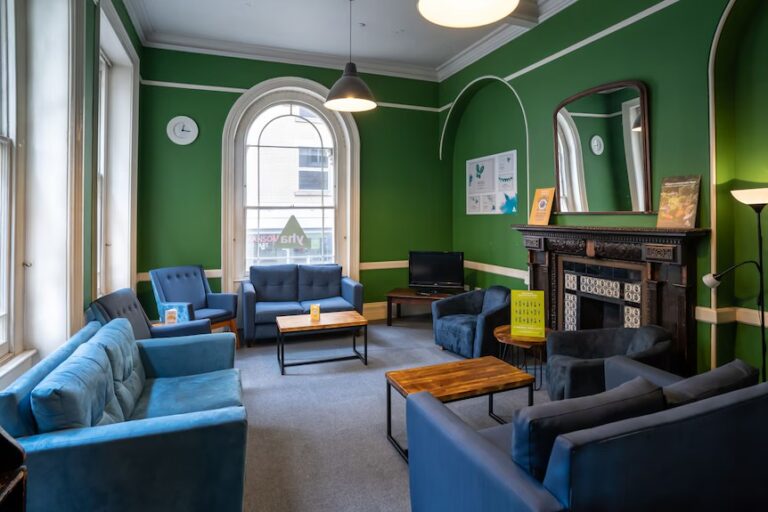
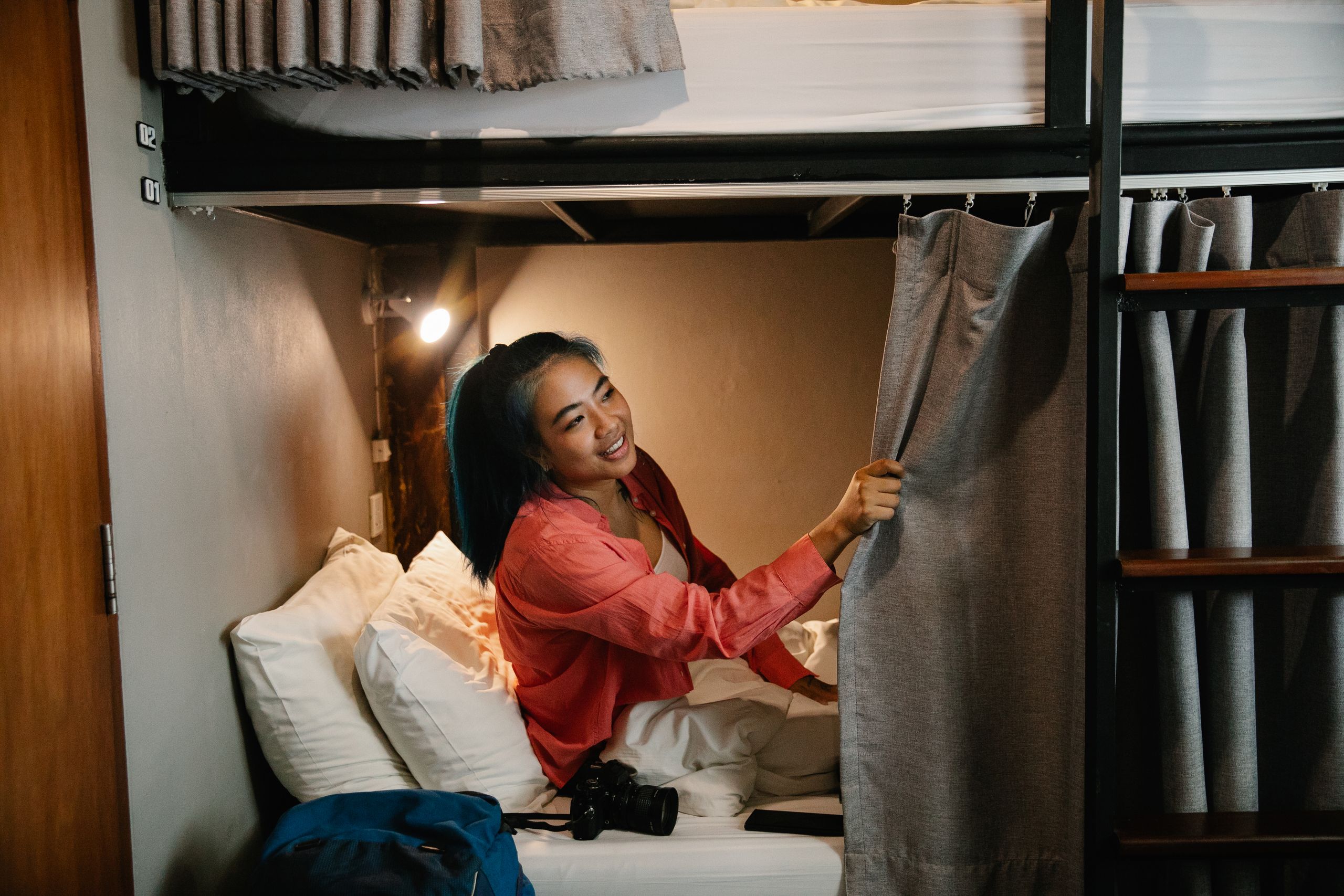
Bright entrances, secure storage, curtains around hostel beds, clean shared bathrooms, and functioning locks reduce daily stress. In addition, well-designed common areas allow guests to be social without forcing participation.
When searching for affordable accommodation, I may use Hostelworld to compare locations, facilities, and reviews. Women-only dormitories can offer an additional option for travelers who prefer them, although the quality of the overall property still matters.
A women-only room does not excuse poor management elsewhere. Staff conduct, cleanliness, security, accessibility, and respect remain part of the experience.
The Freedom to Be Social Without Becoming Available
Solo travel can create meaningful conversations. It can also expose women to people who mistake openness for access.
A woman sitting alone at a bar, joining a group tour, or relaxing in a hostel common room has not automatically invited romantic attention. Hospitality staff should understand that distinction and intervene when another guest ignores clear boundaries.
Women deserve social spaces where we can talk, laugh, and meet people without managing persistent advances.
For travelers who actively want friendship, apps and organized activities may create more intentional opportunities. My experience with using Bumble to make friends reflects the value of choosing connection rather than having it imposed.
Being alone should not make a woman public property.
Thoughtful Tours Make Participation Easier
Guided experiences can provide structure in an unfamiliar destination.
A walking tour, food experience, or museum visit gives me a meeting point, local context, and a temporary group. When the tour operates well, I can focus on learning rather than solving every logistical question alone.
I may use GetYourGuide to compare activities, schedules, and participant feedback. Still, I pay attention to more than the subject of the tour.
Meeting and ending locations matter, particularly when an activity finishes at night. Group size, transportation, accessibility, and the guide’s communication style can also affect whether the experience feels comfortable.
A responsible guide does not use a woman’s solo status as material for jokes or repeated personal questions. Instead, the guide creates a setting where every participant can engage without becoming the focus of unwanted attention.
Public Space Is Part of Hospitality
Tourism does not happen only inside businesses.
Sidewalks, transit stops, lighting, benches, public restrooms, and reliable transportation shape the experience between reservations. A hotel may provide excellent service while the surrounding infrastructure makes it difficult to move through the neighborhood.
Women constantly assess distance, visibility, traffic, and who occupies a space. Although personal awareness matters, cities should not make safe movement an individual puzzle that every woman must solve alone.
Good public design creates freedom for residents and visitors. Clear signage, functioning lights, safe crossings, and dependable transit benefit everyone, while their absence places a heavier burden on people already managing additional risks.
Solo Confidence Grows Through Supported Choices
People often describe solo travel confidence as a personality trait.
In reality, confidence develops through repeated decisions. I choose a route, find the accommodation, order a meal, change the plan, and bring myself safely through the day.
That process connects with my reflections on finding my own rhythm as a solo traveler.
Supportive environments make those decisions easier to practice. Clear information, respectful service, and well-designed spaces allow a woman to use her judgment without wasting energy on preventable problems.
Confidence does not require pretending that risk does not exist. It grows when I can recognize risk without allowing it to control every choice.
Women’s Bodies Need Practical Consideration
Travel spaces often assume a generic, endlessly capable body.
Long walking routes may offer few public restrooms. Activities can move for hours without breaks, while accommodations lack safe places to store medication or manage personal care.
Women also travel while menstruating, pregnant, managing menopause, recovering from illness, or living with disabilities and chronic conditions. Those realities should not make us feel like difficult guests.
My writing about pelvic-floor health for hikers reflects how physical needs shape movement and endurance. Access to restrooms, water, rest, and accurate activity descriptions helps women make decisions that respect our bodies.
Inclusive hospitality begins by acknowledging that travelers have varied needs and capacities.
Reviews Can Reveal What Marketing Leaves Out
Promotional language tells me what a business wants to communicate. Reviews often show how the experience works in practice.
I look for patterns rather than allowing one dramatic comment to determine my decision. Repeated concerns about broken locks, dismissive staff, harassment, misleading locations, or poor lighting deserve attention.
Likewise, consistent praise for respectful employees, clean facilities, clear communication, and support for solo guests can signal that a business understands independent travelers.
Women’s reviews often contain practical information missing from official descriptions. Sharing detailed, fair feedback helps the next traveler evaluate the place with greater clarity.
Travel Coverage Supports the Practical Plan
Even thoughtful preparation cannot prevent every illness, injury, delay, or disruption.
Travel medical coverage through SafetyWing may provide support for eligible medical needs and other covered situations during a trip.
Before purchasing any policy, I review the terms, exclusions, limits, and destination requirements. Coverage should fit the actual journey rather than serve as a vague symbol of preparedness.
Insurance belongs to the practical side of travel. It cannot guarantee safety or replace sound judgment, but it can reduce the financial consequences of certain unexpected events.
Welcoming Solo Women Is Good Hospitality
Businesses do not need elaborate programs to treat solo women well.
They can begin with clear communication, secure facilities, fair seating, respectful service, and staff trained to respond when a guest reports a concern. These practices support many travelers, not only women arriving alone.
A person may travel solo because she values independence. She may also be between work assignments, extending a professional trip, beginning a pilgrimage, or simply unwilling to postpone her life until another person becomes available.
None of those circumstances requires pity or suspicion.
The best hospitality does not congratulate me repeatedly for being brave. It allows me to settle into the experience as though my presence makes sense.
The Freedom to Arrive Alone
Solo women travel becomes easier when a destination understands that women alone are not anomalies.
We are guests, diners, walkers, museum visitors, hostel residents, tour participants, and customers. We may want conversation or quiet. Some days call for adventure, while others require rest and a simple meal near the hotel.
Places welcome us well when they allow that range.
I remember the restaurant that gave me a beautiful table without asking who had failed to join me. I remember the receptionist who explained the late-night entrance clearly, then trusted me to make my own decisions. A good tour guide noticed the group’s needs without turning anyone into a spectacle.
Those experiences did not remove every risk. Instead, they reduced unnecessary friction and allowed me to direct more attention toward the place itself.
The freedom to arrive alone should feel ordinary.
Women should not need to defend our presence, soften our boundaries, or accept lesser treatment because no companion stands beside us. We deserve hospitality that recognizes independence without romanticizing it and offers safety without taking away agency.
I want more places to understand that welcome.
For more reflections on independent journeys, practical preparation, and learning to trust your own pace, explore DG Speaks Travel. The broader conversations about women’s autonomy, public space, and belonging continue throughout DG Speaks Culture.