Food Remembers the People Who Taught Us How to Love
One afternoon, I opened a pot and caught a smell that returned me to another kitchen before I had time to name the dish. The memory arrived through my body first. I could almost hear an old conversation, see familiar hands moving near the stove, and feel the particular comfort of knowing someone else had already decided that I would be fed.
The recipe itself was not unusual. Most of the ingredients could have come from any grocery store, and another cook might have used the same measurements. Still, the aroma belonged to a person.
That recognition is one of the reasons I believe food remembers people. A dish can bring someone back into the room faster than a photograph because memory does not live only in what we see. It also lives in smell, texture, repetition, timing, and the way someone once placed a plate in front of us.
Food does not return people exactly as they were. It gives love another form through which to remain present.
Food Remembers People Through the Smallest Details
Memory often attaches itself to details no recipe records. A person added more seasoning than the instructions suggested, let the onions cook longer, or knew by touch when the dough had received enough flour.
Those choices seemed ordinary while the cook was alive and repeating them. Later, they become the parts everyone tries hardest to recover.
Was the heat lower? Did she use a different pan? How long did he let the pot rest before serving?
The questions reveal how much knowledge existed beyond written directions. What looked like instinct was usually the result of repetition, attention, and years spent learning how food behaved.
The Taste of Someone’s Hand Is Real Knowledge
People often describe a familiar dish by saying they can taste the cook’s hand. The phrase may sound mysterious, but it refers to something practical.
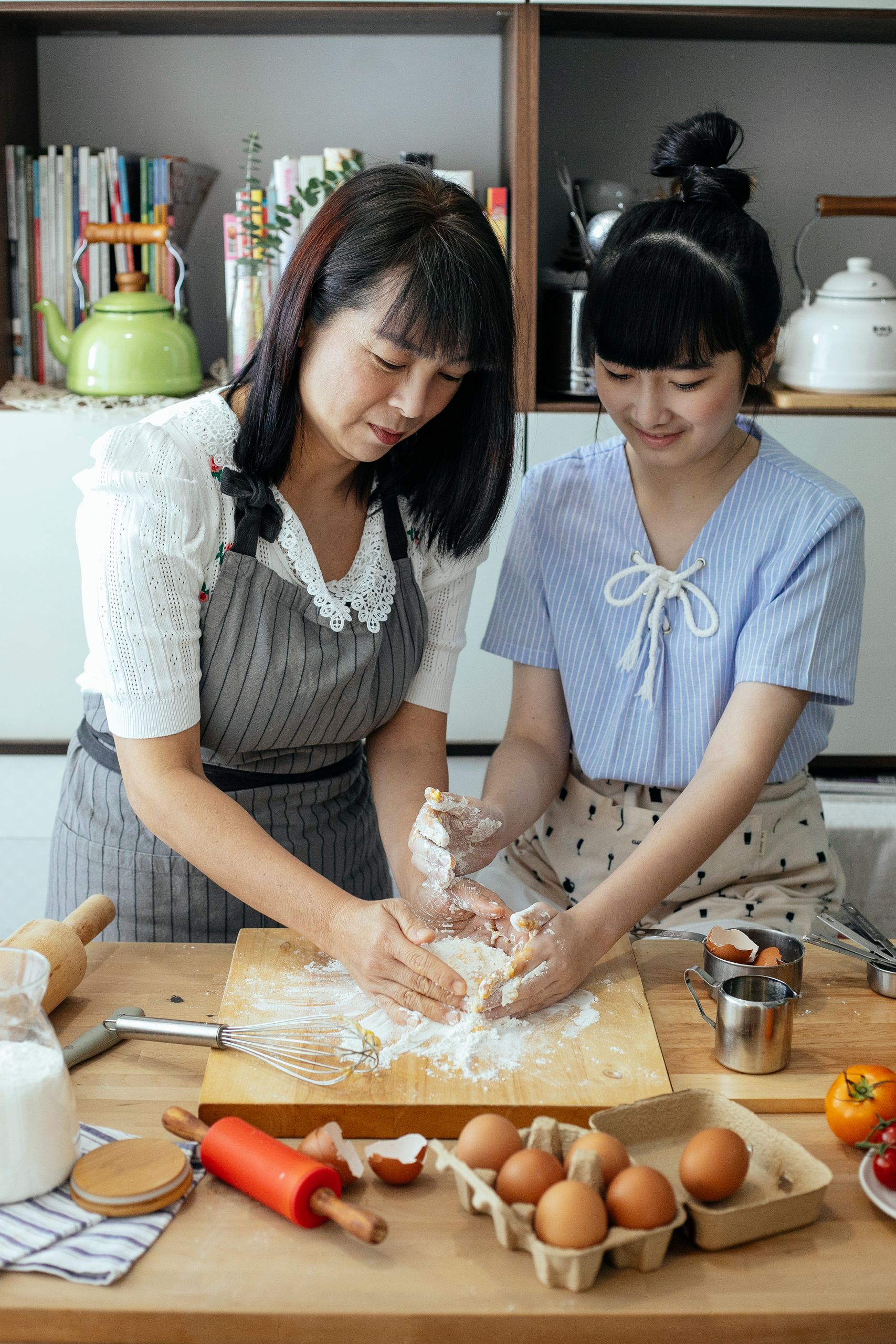
Hands measure, shape, turn, season, and judge. They learn the weight of ingredients, the resistance of dough, and the point when food needs another minute rather than another spoonful of anything.
Two people can follow the same recipe and produce meals that feel completely different. One version may be technically correct while the other carries the texture and balance the family recognizes as home.
The difference is not magic. It is embodied knowledge that was practiced so often it no longer needed explanation.
Food Memory Lives Beyond the Written Recipe
Recipes are valuable because they preserve structure. They list ingredients, quantities, temperatures, and steps that help another person begin.
Even a detailed recipe cannot hold the entire experience. It does not capture how the kitchen smelled, what music played, who tasted from the spoon, or which ingredient the cook quietly changed because someone at the table disliked it.
This connects with my reflections on how food memories continue following us home. The written recipe keeps part of the story, while the body often preserves the rest.
Recreating a dish becomes an act of interpretation. I follow what was written, then listen for what the page could not say.
Family Food Is an Archive of Movement
A familiar dish may carry the history of more than one place.
Families move across neighborhoods, regions, borders, and generations. Ingredients change according to availability, cost, climate, and the markets people can access in their new homes.
A recipe adapts because the original pepper cannot be found, a particular cut of meat costs too much, or someone learns to use a local ingredient in a way that preserves a familiar flavor. Substitution becomes part of the tradition rather than evidence that the tradition was lost.
Family food remembers where people began and how they survived the journey elsewhere. The dish becomes a map drawn through adaptation.
When Grief Comes to the Table
Grief can make familiar food comforting and painful at the same time.
A dish may bring someone close enough to feel present for a moment. Then the same bite reminds me that the person will not walk through the door, correct the seasoning, or tell the story I have already heard many times.
Both responses can exist together. Comfort does not cancel loss, and sadness does not mean the meal failed to nourish me.
Food gives grief somewhere physical to arrive. I can hold the bowl, smell the steam, and recognize love through the evidence of what someone once prepared.
Recreating the Dish Is Not the Same as Replacing the Person
When a cook is gone, families sometimes search intensely for the exact recipe. The effort can feel urgent, as though getting the dish right might prevent another part of the person from disappearing.
I understand that longing. Still, no successful recreation can replace the person whose presence made the meal meaningful.
The new version will carry different hands, equipment, ingredients, and circumstances. It may taste close to the original, but it will also become part of another cook’s life.
That difference does not betray the memory. It allows the tradition to remain alive rather than frozen in one unreachable moment.
Women’s Food Knowledge Is Often Preserved Without Credit
Women have carried enormous amounts of culinary knowledge through families and communities. They remembered proportions, seasonal substitutions, preservation methods, and the preferences of everyone expected at the table.
Much of that expertise went undocumented because people treated it as ordinary domestic responsibility rather than knowledge worth recording. The meal appeared, and the labor behind it became invisible.
Names matter. When I preserve a recipe, I want to remember who taught it, who adapted it, and whose unpaid work kept it present across generations.
Calling the dish a family recipe should not erase the particular women whose hands made the family recognize it.
Food Remembers People Through Repetition
A dish becomes part of memory because it returns. It appears at birthdays, holidays, Sunday meals, difficult weeks, or evenings when someone needs comfort without asking directly.
Repetition gives food emotional authority. The flavor begins to communicate what words may not have expressed clearly.
It can say, “You are home,” “I knew you would be hungry,” or “This is what we make when the family gathers.”
Over time, the meal becomes inseparable from the person who kept making it. The recipe survives because love repeated itself often enough to become recognizable.
Kitchen Tools Become Part of the Memory Too
The pot, spoon, bowl, knife, or pan used repeatedly can become as familiar as the dish. These objects absorb meaning because they remain present while the food returns year after year.
Someone may insist that the recipe tastes different in another pot. Technically, that may involve heat distribution, material, or size. Emotionally, the original cookware also carries the memory of who used it.
Practical kitchen tools from my Amazon shop may help with preparing, storing, and recreating meaningful meals. The right equipment can make the process easier, but no new purchase can manufacture the history attached to an old kitchen object.
Tools support the food. Repetition gives them a story.
Ingredients Help Carry the Tradition Forward
Recreating family food begins with finding ingredients that fit the dish and the household cooking it now.
When meat belongs in the recipe, options from ButcherBox may help some households keep proteins available for familiar meals, depending on budget, freezer space, and eating preferences.
Convenience can support continuity, but tradition should not become a demand for exact replication. Ingredient availability changes, dietary needs shift, and households may need to prepare food differently from earlier generations.
The deeper question is not whether every component stayed identical. It is whether the meal still carries care, connection, and enough of the original knowledge to remain recognizable.

A DG Speaks Recommendation
I want more years to cook with memory, gather with love, and keep the people who shaped me close
I partnered with Happy Aging to share products that support energy, vitality, and a life grounded in nourishment, memory, and meaningful connection.
Preserving the Story Requires More Than Writing Ingredients Down
Recording a family recipe can begin with measurements, but the story needs more.
I want to know when the dish was served, who usually made it, where the ingredients came from, and what changed when the family moved or money became tight. Those details explain why the food mattered.
Photographs, audio recordings, short videos, and written memories can preserve techniques that a recipe card leaves out. Watching someone’s hands may teach more than reading “mix until ready.”
The process should happen before urgency arrives. Too many families begin asking questions only after the person who knew the answers is gone.
Keeping People Close Through Food
When I tasted that dish again, I knew immediately that it was not identical to the version stored in my memory. One flavor was softer, the texture had changed slightly, and the kitchen around me belonged to another time.
The difference did not make the meal less meaningful.
Food remembers people because preparing and eating it allow their gestures to continue. Someone else now lifts the lid, tastes the sauce, adjusts the seasoning, and places the dish on a table where new conversations begin.
The person is not returned in the same way. Memory should not require pretending that absence is not real.
What remains is a form of relationship. Love moves through the recipe, the story, the kitchen tools, and the people willing to repeat what they were taught.
Sometimes the dish comforts me. On another day, the same smell may ache because the memory arrives more strongly than I expected.
Both responses belong at the table.
Food gives us a way to mourn without speaking constantly about grief. It allows the body to recognize someone through flavor when language feels too narrow.
Keeping people close through food does not mean preserving every tradition without change. New generations will adapt the recipe, add their own preferences, and prepare it under different circumstances.
That evolution is part of how memory survives.
A living tradition carries the past without demanding that the present imitate it perfectly. The dish can remain connected to the person who first taught it while gathering new stories around itself.
The smell may bring someone back into the room for only a moment.
Sometimes a moment is enough.
It reminds me that care was offered, that I received it, and that I can now place some version of that care in front of someone else.
Love continues to feed us through the things people taught our hands to remember.
Continue exploring stories about food memory, family cooking, cultural inheritance, and the meals that keep people present across generations through DG Speaks Food.