What Fall Markets Teach Me About Eating With the Season
One cool morning, I arrived at a market that had looked entirely different only a few weeks earlier. The bright berries and tender summer vegetables had mostly disappeared, replaced by apples, greens, squash, roots, herbs, cider, and foods that seemed to belong beside a warm oven.
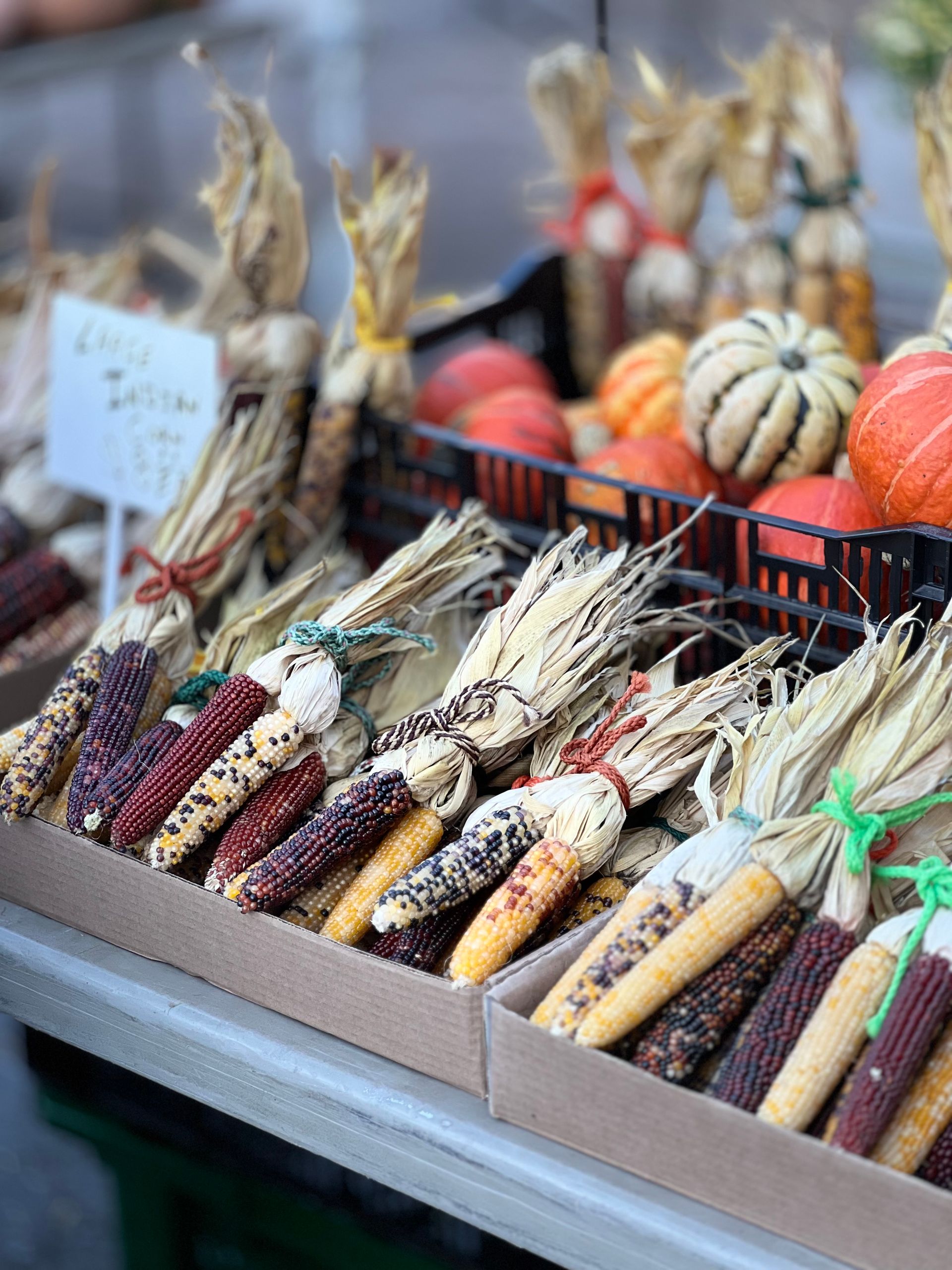
The tables had changed color. Deep green, rust, gold, cream, and dark red had taken over the displays, while shoppers moved through the aisles carrying heavier bags than they had during summer.
I noticed my own appetite changing with the market. I was no longer imagining quick salads or fruit eaten over the sink. Soup, roasted vegetables, baked dishes, and meals that could simmer for a while began forming in my mind.
Fall markets feel different because they mark more than a change in produce. They signal a shift in temperature, cooking, labor, memory, and the way a household begins preparing for shorter days.
Fall Markets Change Color Before Anything Else
Color announces autumn immediately. Summer’s bright reds, pinks, and delicate greens give way to deeper shades that feel grounded and substantial.
Squash sits beside apples, leafy greens, onions, potatoes, carrots, herbs, and jars of food prepared for colder months. Even flowers take on a different character, with richer tones replacing the lightness of early summer.
The visual change is not only decorative. It reflects what the land can produce under different temperatures, growing conditions, and lengths of daylight.
A market table becomes a seasonal record. Before the vendor explains anything, the arrangement shows that the year has moved forward.
Cool Air Changes the Way I Move Through the Market
Heat makes summer markets feel urgent. I think about keeping food cool, finding shade, and leaving before the temperature becomes uncomfortable.
Autumn creates more room to linger. The air feels easier on the body, and I can pause at a table without immediately thinking about what might wilt in my bag.
Other shoppers seem to slow down too. People ask more questions, compare varieties, and talk through what they might cook rather than grabbing something quickly and moving on.
The market becomes less like an errand and more like a place where the season can be felt collectively.
Autumn Has Its Own Appetite
Seasonal change affects more than availability. It changes what sounds satisfying.
Cooler weather makes warm, layered food feel more inviting. Soup, stew, roasted vegetables, baked pasta, braised meat, beans, and dishes served from a heavy pot begin replacing meals built around speed and freshness alone.
That shift does not happen because summer food has lost its value. The body simply responds differently when the air cools and daylight begins disappearing earlier.
Autumn has an appetite for warmth, patience, and food that can remain on the stove long enough to change the mood of the house.
Fall Markets Make Seasonal Cooking Feel Practical
Eating with the season can sound like an idealized lifestyle until the market makes it concrete. The ingredients are not abstract. They are stacked directly in front of me, often in greater abundance and at better quality than they would be at another time of year.
Seasonal cooking begins with attention rather than strict rules. I notice what looks plentiful, ask how the vendor prepares it, and allow the available food to influence the menu.
A squash may become soup, roasted wedges, or part of a grain bowl. Apples can move from breakfast to dessert, while greens can be sautéed, simmered, or folded into a larger meal.
The market does not demand culinary reinvention. It simply asks me to adjust enough to work with what the season is offering.
The Vendor Knows What Autumn Required
Fall abundance can make the season look effortless. Tables appear full, colors feel generous, and the harvest suggests that the land has provided exactly what everyone needed.
The vendor often knows the more complicated story.
She knows which crops struggled through heat, which ones benefited from rain, what came in late, and what never reached the table at all. Weather, labor, pests, transportation, and fuel costs remain present inside every price.
This connects with my reflections on the food stories worth noticing at farmers markets. A seasonal display becomes more meaningful when I understand the risk behind its beauty.
Fall Food Carries Memory Into the Kitchen
Autumn meals often arrive with strong associations. A particular soup, baked dish, apple dessert, or pot of greens can return me to another kitchen before I have taken the first bite.
The memory may belong to family, school, a holiday, a neighborhood, or a time when cooler weather meant gathering indoors. Food becomes part of how the body recognizes the season.
This belongs beside my writing about how food memories continue following us home. Seasonal dishes return not only because ingredients become available, but because people want to feel what those meals once represented.
The recipe carries flavor. Repetition gives it emotional weight.
Fall Markets Reveal the Labor Behind Comfort Food
Comfort can make labor easy to overlook.
A warm soup requires produce to be grown, harvested, cleaned, transported, sold, carried home, prepared, cooked, served, and stored. A baked dish may feel effortless once it reaches the table, but several forms of work made that ease possible.
Women frequently carry much of the planning and preparation associated with seasonal meals. They remember preferences, anticipate gatherings, manage leftovers, and create the atmosphere people later describe as comforting.
I want to honor that labor without assuming one person should perform it all. Seasonal cooking becomes more sustainable when shopping, preparation, serving, and cleanup are shared.
Access Sits Beside Seasonal Abundance
A market full of autumn produce can create the impression that nourishing food is readily available to everyone. Abundance on the table does not guarantee access.
Some households cannot afford the prices, reach the market during its operating hours, transport heavy produce, or store enough food for later use. Others may lack a kitchen, reliable heat, cooking equipment, or the time required for longer preparations.
Farmers deserve prices that reflect the true cost of producing food. Communities also deserve affordable access to fresh, culturally meaningful ingredients.
Those needs should not be framed as opposing demands. A fair food system requires structures that support both the people growing food and the people trying to feed their households.
A Guided Market Experience Can Add Cultural Context
Seasonal markets look different across regions because climate, agriculture, trade, and food traditions shape what appears on the tables. Autumn in one place may center apples and squash, while another market reflects entirely different crops and cooking practices.
Food and market experiences available through GetYourGuide can help travelers understand those differences when local guides explain what residents actually buy, cook, preserve, and celebrate.
A thoughtful guide should connect ingredients to history, labor, migration, and everyday life rather than treating the market as a colorful backdrop for visitors.
Context makes the experience more respectful. It reminds me that seasonal food belongs first to the people whose lives are organized around producing, selling, and eating it.
What Autumn Asks Me to Cook
Fall changes my cooking gradually. I do not wake up one morning and replace every meal at once.
The first change may be a pot of soup, roasted vegetables, or something baked long enough to warm the kitchen. Then I begin keeping broth, onions, herbs, beans, and sturdier produce within easier reach.
When meat fits the household menu, selections from ButcherBox may support heartier meals such as stews, braises, roasts, or soups, depending on budget, freezer space, household size, and eating preferences.
The goal is not to perform the season perfectly. I want ingredients and cooking methods that fit the time, energy, and resources actually available.
Fall Markets Teach Me to Buy With a Plan
Autumn produce can make abundance especially tempting. Large squash, bags of apples, bunches of greens, and baskets of roots all suggest meals I might prepare if the week unfolds exactly as imagined.
Reality often has other plans.
I try to buy according to what I can carry, store, and cook before the food declines. A smaller selection used completely respects the ingredients more than an overflowing bag that becomes waste.
Planning does not need to be rigid. A few flexible ideas are usually enough: something roasted, something simmered, and one meal designed to use what remains.
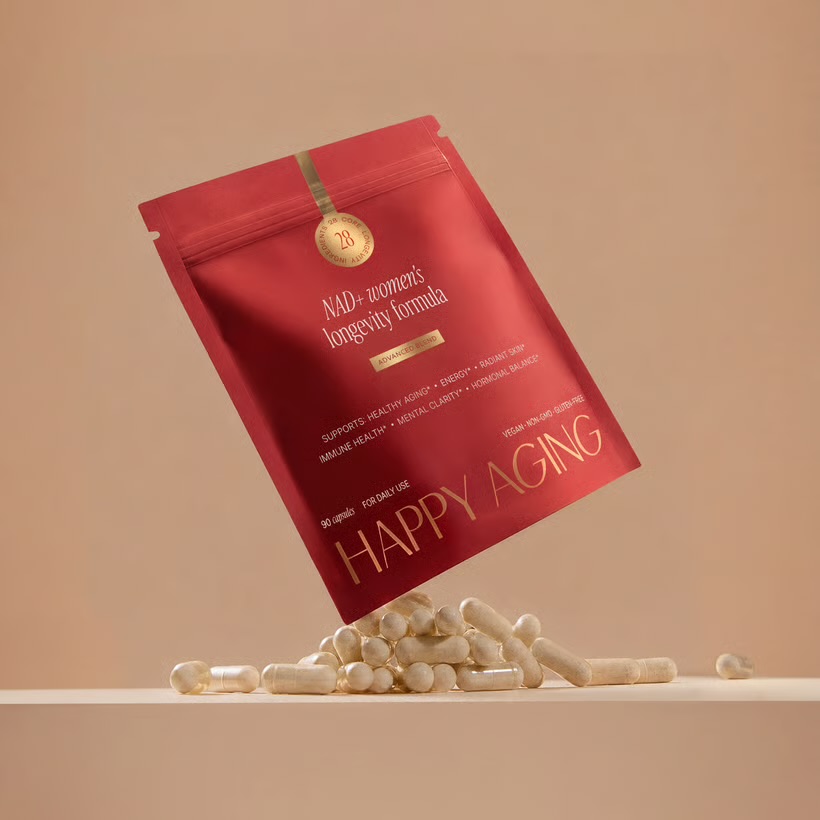
A DG Speaks Recommendation
I want more years to walk through markets, cook with the seasons, and stay connected to the foods that nourish me
I partnered with Happy Aging to share products that support energy, vitality, and a life grounded in nourishment, movement, and everyday well-being.
Fall Markets Change the Mood of Home
By the time I returned from the market that morning, the bags felt heavier than they had during summer. Apples rolled against one another, greens filled the top of the bag, and the squash required both hands when I carried everything inside.
The kitchen changed almost immediately. Ingredients that had been part of a public display became the beginning of private meals.
Fall markets remind me that seasonal change can enter a home through ordinary choices. One pot, one tray of roasted vegetables, or one bag of apples can alter the smell of the kitchen and the way people gather around dinner.
Autumn asks me to cook with more patience, but not necessarily more complication. Heat does much of the work when ingredients are given enough time.
The season also asks for attention. Food that looks abundant still carries weather, labor, risk, price, and the uneven realities of access.
I want to enjoy the market without stopping at its beauty. The color matters, but so does the person who grew the food, the household deciding whether it can afford the price, and the cook who will transform the ingredients after everyone else has left the table.
Seasonal eating becomes meaningful when pleasure and awareness remain connected.
I can admire apples stacked in morning light, ask the vendor what grew well, and imagine what the week might taste like. That curiosity turns shopping into a relationship with time rather than a simple transaction.
The market tells me that the year is moving.
I do not need to resist that movement. I can follow it into warmer meals, deeper flavors, and a kitchen that begins to feel more like shelter.
Autumn has its own appetite.
When the market tells me what the season is ready to give, I usually listen.
Continue exploring stories about fall markets, seasonal food, farmers, and the cultural memories carried through everyday cooking with DG Speaks Food.