Why Roadside Food Always Gets My Attention
On one road trip, I noticed smoke rising beyond a bend before I saw the sign. A few cars had already pulled onto the gravel shoulder, and someone had painted the day’s offering in large uneven letters on a board near the road.
I had not planned to stop. Nothing about the place appeared in the itinerary, and I knew almost nothing about what was being served. Still, the combination of smoke, parked cars, and people eating beneath a simple tent made continuing past it feel like the less interesting choice.
The meal turned out to be uncomplicated, generous, and deeply connected to where I was. More than the food itself, I remember the pause it created. The road stopped being a distance to cover and became part of the place I had come to experience.
Roadside food always gets my attention. A hand-painted sign, fruit stacked beneath a tent, smoke drifting over the highway, or a line of local cars can make me curious quickly.
Roadside Food Begins With the Sign That Makes Me Stop
The most persuasive roadside signs are rarely polished. They may lean against a fence, hang from a tree, or carry lettering that was clearly designed to be read at driving speed rather than admired closely.
That simplicity is part of the appeal. The sign does not promise an elaborate experience. It tells me that someone nearby is cooking, selling, harvesting, or feeding people moving along the same route.
Stopping requires a small act of trust. I am leaving the predictable rhythm of the road for a place I did not research, review, or compare in advance.
When the decision works, it reminds me that not every meaningful travel experience needs to be secured before departure.
Food Close to the Journey Changes the Pace
Road travel can turn places into scenery. Fields, towns, farms, and neighborhoods pass outside the window while the traveler remains focused on reaching somewhere else.
A food stop interrupts that distance.
I step out of the car, feel the weather, hear the surrounding sounds, and encounter people whose relationship with the road differs from mine. For me, the route may be temporary. For the vendor, farmer, or cook, it may be the center of daily work.
That pause changes the journey from movement through a place into brief participation in it. Even a short stop can make the route feel more human.
Roadside Food Is Both Practical and Cultural
Travelers need food, water, restrooms, shade, and opportunities to pause. Roadside businesses respond to those practical needs, but the food they offer often carries local knowledge too.
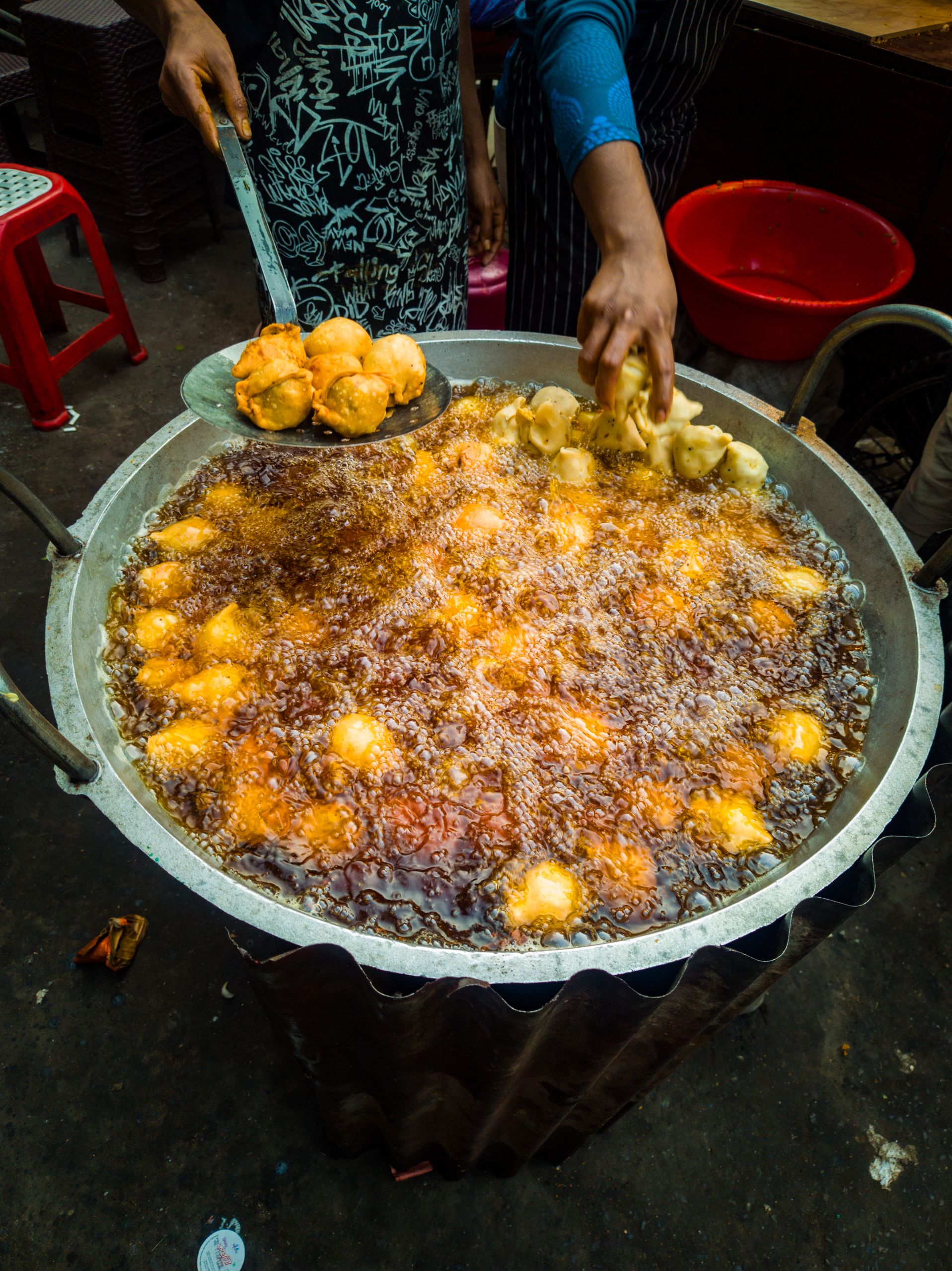
A stand may sell fruit that grows nearby, while a smoker, grill, or pot reflects regional techniques and ingredients. The menu can reveal what travels well, what customers expect, and what the local economy can support.
This connects with what I have learned from the way local restaurants teach me how a city feels. A roadside stop performs a similar role outside the city center.
The food tells me how people eat along the route, what they consider worth pulling over for, and which flavors have become part of local identity.
The Line of Cars Tells Its Own Story
Travel advice often tells visitors to look for the places where local people eat. A line of cars can provide a useful clue, especially when drivers appear to know exactly where to park and what to order.
Popularity does not guarantee quality, and one crowd cannot explain an entire community. Still, repetition matters.
A business that draws returning customers has usually learned something about consistency, timing, price, and appetite. People do not repeatedly interrupt their routines without a reason.
I pay attention to who is stopping, how quickly the line moves, and whether customers seem surprised or familiar with the process. Those details reveal whether the place functions mainly as a tourist novelty or as part of everyday regional life.
Entrepreneurs Beside the Road Read the Traveler Well
Roadside food businesses often understand their audience with remarkable precision.
Travelers want something good, quick, memorable, and easy to carry. Workers moving between jobs may need breakfast before sunrise, while families want food that satisfies several people without turning the stop into a long delay.
The entrepreneur beside the road learns those patterns through experience. She knows which hour brings commuters, when weekend traffic begins, and how much food can be prepared without creating waste.
That work requires more than cooking. It involves purchasing, pricing, timing, weather, permits, transportation, customer service, and the uncertainty of depending on people who may simply drive past.
The simplicity visible to the customer often rests on careful calculation.
Roadside Food Carries Agricultural Stories
Fruit stands, farm stalls, and seasonal sellers bring the agricultural landscape closer to the traveler. The peaches, citrus, corn, peanuts, berries, or greens on display connect the road to the land surrounding it.
These stops remind me that food does not begin in a restaurant kitchen. Someone planted, harvested, sorted, transported, and arranged what I see beneath the tent.
That awareness connects with my reflections on the food stories found at farmers markets. Both settings give consumers a more visible relationship with season, geography, and production.
Direct sales can support farmers and small producers, though the economics remain complex. Weather, fuel, labor, land, equipment, and market access all shape what the seller must charge.
The roadside table may look modest, but it sits inside an entire food system.
The Stop Can Reveal More Than the Menu
I often learn as much from the setting as I do from the food.
A shaded picnic table suggests that customers are expected to stay awhile. A cooler filled with drinks reflects the heat, while handwritten substitutions may show how the cook adapts when an ingredient runs out.
Conversations also offer clues. People may discuss weather, harvest conditions, road construction, local events, or how business has changed since the previous season.
None of those details turns me into an expert on the area. They simply widen the experience beyond a single plate.
Travel becomes richer when I notice the conditions surrounding the meal instead of consuming the food as an isolated attraction.
Spontaneity Still Needs Judgment
An unplanned stop can become a highlight, but curiosity should not replace common sense.
I look for a safe place to pull over, reasonable food-handling practices, clear prices when possible, and enough visibility to understand the setup before committing. My comfort level may change depending on the location, time of day, traffic, and whether I am traveling alone.
Food safety matters too. Hot food should appear hot, cold items need appropriate storage, and perishables should not sit carelessly in direct sun.
These observations cannot remove every risk. They help me make a more informed choice without expecting an informal business to resemble a polished chain restaurant.
Spontaneity works best when attention remains part of it.
Roadside Food Should Not Be Romanticized
Travelers sometimes celebrate roadside food because it appears authentic, humble, or untouched by tourism. That language can hide the realities of the work.
A small operation may exist because the owner sees an opportunity. It may also reflect limited access to commercial space, financing, infrastructure, or more stable forms of employment.
I do not want to turn economic necessity into scenery for my travel story. The person serving food beside the road is a business owner, worker, producer, or family member managing real costs and risks.
Respect includes paying the listed price, asking before photographing people, and avoiding assumptions about poverty, simplicity, or cultural purity.
A hand-painted sign can be charming without making the labor behind it quaint.
Planned Food Experiences and Unplanned Stops Serve Different Purposes
Guided food experiences can provide historical and cultural context that a spontaneous stop may not offer. Tours available through GetYourGuide may help travelers understand regional ingredients, migration, agricultural traditions, and the stories behind particular dishes.
An unplanned roadside stop gives me another kind of knowledge. It shows what happens along the route when nobody has designed the experience specifically for visitors.
Both forms of travel have value.
The guided experience can explain what I am tasting. The unplanned stop reminds me to remain available to what the journey presents without warning.
I do not need to choose between structure and spontaneity. A thoughtful itinerary can leave enough open space for the road to offer something of its own.
Good Travel Basics Make the Stop Easier
Roadside stops become more comfortable when I have a few practical items within reach. Water, hand sanitizer, reusable utensils, wipes, a portable charger, and a small amount of cash can reduce unnecessary friction.
I keep useful road-trip, food-travel, and everyday travel resources in my Amazon travel shop. The right supplies help me respond to an unexpected stop without carrying so much that the trip becomes weighed down by preparation.
Practical gear cannot create a meaningful experience. It simply makes it easier to say yes when curiosity asks me to pull over.

A DG Speaks Recommendation
I want more years to take the long road, follow my curiosity, and stop for the stories waiting along the way
I partnered with Happy Aging to share products that support energy, vitality, and an active life shaped by movement, curiosity, and meaningful discovery.
The Best Roadside Food Stops Create Brief Community
For a few minutes, travelers who may never meet again share the same place.
People compare orders, make room at picnic tables, recommend what to try, and warn one another when something is especially spicy or likely to sell out. The interaction remains temporary, but it softens the anonymity of the road.
The vendor often becomes the center of that brief community. Regular customers exchange familiar greetings, while newcomers ask questions and learn the rhythm of ordering.
Nothing about the gathering needs to become deep or permanent. A shared meal can create connection without requiring a lasting relationship.
For one stop, everyone belongs to the same pause.
Why Roadside Food Becomes the Travel Story
When I remember the trip that began with smoke beyond the bend, I remember very little about the miles immediately before or after the stop. The road itself has blurred into movement.
The food remains.
I remember the gravel beneath my shoes, the simple sign, the people eating nearby, and the feeling that I had discovered something even though the business had been feeding others long before I arrived.
Roadside food turns transit into encounter. It asks me to stop moving long enough to taste the place between destinations.
The meal may be quick, but the story surrounding it can hold agriculture, entrepreneurship, labor, migration, family knowledge, and the practical intelligence of feeding people where they already travel.
Not every roadside stop will be extraordinary. Some will simply provide lunch.
That is enough too.
Travel does not need every moment to become transformational. Sometimes a good plate, a shaded table, and a brief conversation create exactly the pause the journey needed.
The best stops remind me that the route is not empty space between important places. Communities live there. People work there, grow food there, cook there, and build businesses around the needs of those passing through.
Sometimes the stop becomes the story because it helps me recognize that I was never only passing through a landscape.
I was moving through someone else’s everyday life.
Continue exploring stories about roadside food, local businesses, food travel, and the unexpected stops that make a journey memorable through DG Speaks Food.