The Shape of a City Block Changes the Story
I began thinking differently about the city block while waiting to cross a street that did not seem designed for anyone on foot.
I had already walked several miles that day, but the distance was not what made me tired. The difficult part was the block itself.
The sidewalk narrowed beside fast-moving traffic. There was nowhere to sit, little shade, and no storefront to offer even the temporary comfort of other people nearby. When I finally reached the intersection, the crossing light changed so quickly that I had to increase my pace before I was ready.
On the other side, the city changed within a few steps.
Trees shaded the pavement. Small businesses opened toward the street, and people stood outside a café talking as though the sidewalk were an extension of the room. An older man rested on a bench. A woman pushed a stroller without having to navigate around parked cars or broken concrete.
The two blocks belonged to the same city.
Still, they produced completely different experiences in my body.
One made me feel hurried, exposed, and eager to leave. The other encouraged me to slow down, look around, and remain.
That contrast made me pay closer attention to the city block.
Not only the famous avenue, monumental square, or skyline designed to represent a destination, but the ordinary distance between two corners where people wait, work, gather, struggle, and move through daily life.
The City Changed Between Two Corners
When I travel, I often begin with a larger image of the city.
I know the iconic buildings, major neighborhoods, historic sites, and views that appear repeatedly in photographs. Those places help shape the city’s public identity.
However, daily life unfolds at a smaller scale.
A person leaves an apartment, walks toward a bus stop, buys bread, waits for a child after school, or carries groceries home. None of those actions requires a famous landmark.
They require a usable block.
The distance between corners determines whether the journey feels manageable. Shade, lighting, traffic, crossings, pavement, and access to public transportation all affect whether someone can move comfortably.
A city may look impressive from above while becoming exhausting at walking height.
The Length of a Block Changes the Rhythm
Shorter blocks often create more choices.
I can turn sooner, change direction, or take another route when something feels uncomfortable. More corners create more opportunities for storefronts, crossings, entrances, and interaction.
Long blocks can feel very different.
When walls, parking lots, highways, or large buildings stretch without interruption, the walk begins to feel longer than the actual distance. There may be nowhere to pause and no easy way to leave the route.
The body notices that lack of choice.
I begin moving toward the next corner as though it were a destination rather than simply part of the journey.
Urban design shapes pace before I consciously decide how quickly I want to walk.
A Sidewalk Is an Invitation—or a Warning
A sidewalk communicates.
Wide, continuous pavement suggests that walking was expected. Shade, curb ramps, lighting, and safe crossings indicate that people on foot were considered part of the transportation system.
A broken or disappearing sidewalk sends another message.
It tells pedestrians that they may continue only if they are willing to improvise. A wheelchair user, older adult, parent with a stroller, or person carrying bags may not have that option.
I have walked along streets where the sidewalk ends suddenly, forcing me toward traffic or across uneven ground. In those moments, the city makes its priorities visible.
Movement remains possible for some bodies.
Others were never fully included in the plan.
A City Is Felt Through the Feet
Walking has taught me things that maps cannot.
A map shows distance. It does not always show the steep hill, missing pavement, heat radiating from concrete, or intersection that takes several cycles to cross safely.
It cannot tell me whether a street feels active enough to walk alone or empty in a way that keeps my body alert.
This is one reason the city block belongs beside my reflections on slow travel and choosing presence over pace.
Moving slowly gives the built environment time to affect me.
I notice where walking feels natural and where every step requires negotiation.
A city is not only seen through architecture.
It is experienced through effort.
Shade Can Determine Who Gets to Walk
Trees are often discussed as decoration.
At street level, they are infrastructure.
Shade changes whether a person can walk comfortably during hot weather. It cools pavement, creates places to pause, and reduces the feeling of exposure along a long route.
The absence of shade is not distributed evenly.
Some neighborhoods have mature trees, landscaped sidewalks, and public spaces protected from direct sun. Others contain wide roads, sparse vegetation, and large stretches of concrete.
That difference affects health, comfort, and access.
A walk that feels pleasant to one person may become physically risky for someone older, ill, pregnant, or working outside.
Benches Reveal Whether Rest Was Considered
A bench appears simple until I need one.
Walking through a city has made me more aware of how rarely public rest is treated as a legitimate need.
People are expected to keep moving unless they enter a business and buy something. Sitting becomes connected to consumption.
Public seating offers another possibility.
An older adult can rest. A parent can pause with a child, while someone waiting for transportation does not have to remain standing.
Benches make lingering possible.
They also raise questions about who is allowed to linger. In some places, public seating is deliberately uncomfortable or divided to prevent people from lying down.
Design can offer care.
It can also enforce exclusion.
Storefronts Give the Street Eyes and Memory
A block with active storefronts feels different from one lined with blank walls.
Windows, doors, cafés, shops, and homes facing the sidewalk create signs of human presence. People enter and leave, workers recognize regulars, and someone may notice when something unusual happens outside.
That visibility can make walking feel safer.
It also gives the block memory.
A shopkeeper knows who passes each morning. A café worker recognizes the person who always sits near the window, while neighbors exchange small greetings without needing a formal relationship.
These interactions are easy to dismiss because they are brief.
Together, they create familiarity.
Commerce Can Animate a Block and Still Exclude People
Businesses bring movement and light to the street.
They can also signal who the neighborhood expects.
A block filled only with expensive cafés, boutiques, and destination restaurants may feel lively while remaining inaccessible to longtime residents.
New investment can improve lighting, sidewalks, and public space. At the same time, rising rents may force out the small businesses that gave the area its original character.
Urban vitality and displacement can occur together.
That contradiction matters when I write about a neighborhood that feels exciting to visit.
My enjoyment does not tell me who paid for the transformation.
Buildings Shape How the Body Experiences the Street
Architecture affects more than appearance.
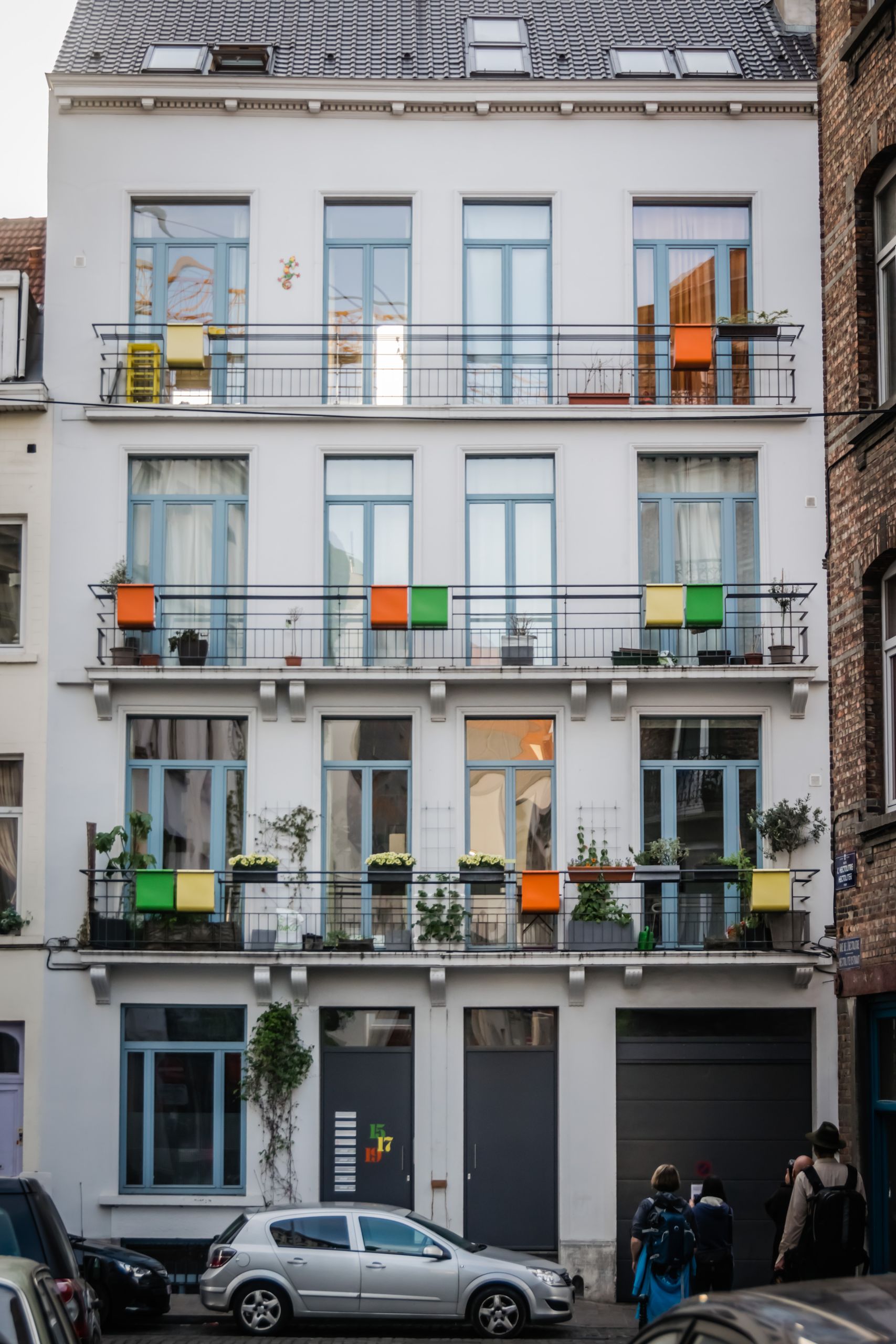
A building that opens toward the sidewalk creates one relationship with pedestrians. A structure surrounded by parking or set behind gates creates another.
Windows can provide visual connection. Blank façades make a block feel longer, while entrances placed far apart reduce activity.
Height and scale matter too.
Tall buildings can create shade and density, but they may also produce wind or make the pedestrian feel small if the ground level offers no warmth.
I have learned to look beyond whether a building is beautiful.
I ask what it gives the street.
The Block Shows Who Was Expected to Move Through It
Design is never neutral.
A block reveals assumptions about the people expected to use it.
Were children imagined crossing the street? Could an older person move without rushing? Can a wheelchair user reach the entrance, and is there enough lighting for a woman walking alone after dark?
What happens to someone who does not own a car?
These questions change how I read urban space.
A road may move vehicles efficiently while creating danger for everyone outside them. A grand staircase may create visual impact while excluding people who cannot climb it.
Design decisions distribute ease.
Some people receive more of it than others.
Women Often Read a Block Differently
When I walk alone, I notice more than distance.
I look for lighting, activity, open businesses, and places where I can change direction. I notice who is nearby and whether the street offers enough visibility to understand what lies ahead.
A beautiful block can still feel uncomfortable when it has hidden entrances, poor lighting, or long stretches without other pedestrians.
That calculation becomes part of the walk.
I want the freedom to explore, but freedom is shaped by whether the environment allows me to move without constant vigilance.
Urban design cannot eliminate every risk.
It can reduce unnecessary fear.
Respectful Travel Writing Begins at Street Level
A visitor can easily reduce a neighborhood to atmosphere.
I might call a block charming, gritty, vibrant, or undiscovered without considering how those words affect the people who live there.
This connects with my reflections on cultural travel writing rooted in respectful curiosity.
The street is not simply a backdrop for my experience.
People are commuting, working, resting, raising families, and navigating systems that may look picturesque only from the outside.
Respectful observation asks me to separate what I feel from what I actually know.
A block may feel peaceful during my afternoon walk and become difficult for residents after public transportation stops running. A lively entertainment district may produce noise and disruption for the people sleeping above it.
My impression is part of the story.
It is not the whole story.
A Guided Walk Can Explain What the Street Cannot
Walking without a plan helps me notice.
A guided experience helps me understand.
I may use GetYourGuide to find architectural, historical, or neighborhood walks when I want context beyond what I can observe independently.
A guide can explain why a road curves, who built a particular neighborhood, or how policy shaped where certain communities were allowed to live.
They may point out details I would otherwise mistake for decoration.
Still, guided narration should not replace attention.
After the tour, I often need time to walk again without anyone speaking.
Information changes what I see.
Silence gives me time to absorb it.
The Block Changes With the Hour
No block has only one identity.
A quiet residential street in the morning may fill with children in the afternoon. A business district empties after work, while a block of restaurants grows more active as the sun goes down.
Light changes the experience too.
A street that feels welcoming during the day may become isolating at night. Another may gain energy once shops illuminate the sidewalk and people begin gathering outside.
When I can, I return at a different hour.
The second walk often corrects the certainty of the first.
The Ordinary Block Holds the City Together
Famous places receive the attention, but ordinary blocks carry most of the daily work.
They connect homes to schools, jobs, stores, transit, parks, and one another.
The quality of those connections shapes whether people experience the city as supportive or exhausting.
A city cannot rely only on beautiful destinations.
People have to reach them.
The route matters as much as the arrival.
Once I Notice the Block, the City Becomes Easier to Read
After crossing that difficult street, I slowed down on the shaded block that followed.
I passed the bench where the older man was resting. The woman with the stroller had stopped near a bakery window, and two people stood talking beside bicycles locked to a rack.
The block allowed those activities to happen without forcing everyone into the same narrow path.
It offered movement and pause.
That balance felt generous.
The earlier block had communicated speed, exposure, and the priority of traffic. This one communicated that people might have reasons to remain.
Neither message appeared on a sign.
I felt both through my body.
A city block can look ordinary, but it contains decisions about power, comfort, commerce, safety, and care.
It reveals who received shade, who can cross without rushing, who has somewhere to sit, and whose presence is treated as part of public life.
Once I began noticing those details, the entire city became easier to read.
I still look toward the skyline.
Now, I also look down.
I notice the pavement, the doorway, the bench, the curb, and the distance to the next corner.
The city tells its public story through monuments.
It tells the more honest one block by block.
Explore more stories about walking, urban culture, architecture, and how cities feel at street level through DG Speaks Travel. You can also read more about public life, belonging, and the systems shaping everyday experience through DG Speaks Culture, or discover how restaurants, markets, and neighborhood food businesses animate city blocks through DG Speaks Food.