SLY LIVES! Review: The Price of Brilliance and the Burden of Black Genius
There are films you admire, and then there are films that quietly change the conversation you were having with yourself. SLY LIVES review begins there for me. I expected to leave thinking about music. Instead, I left thinking about the price we ask visionaries to pay simply for seeing the world before the rest of us do.
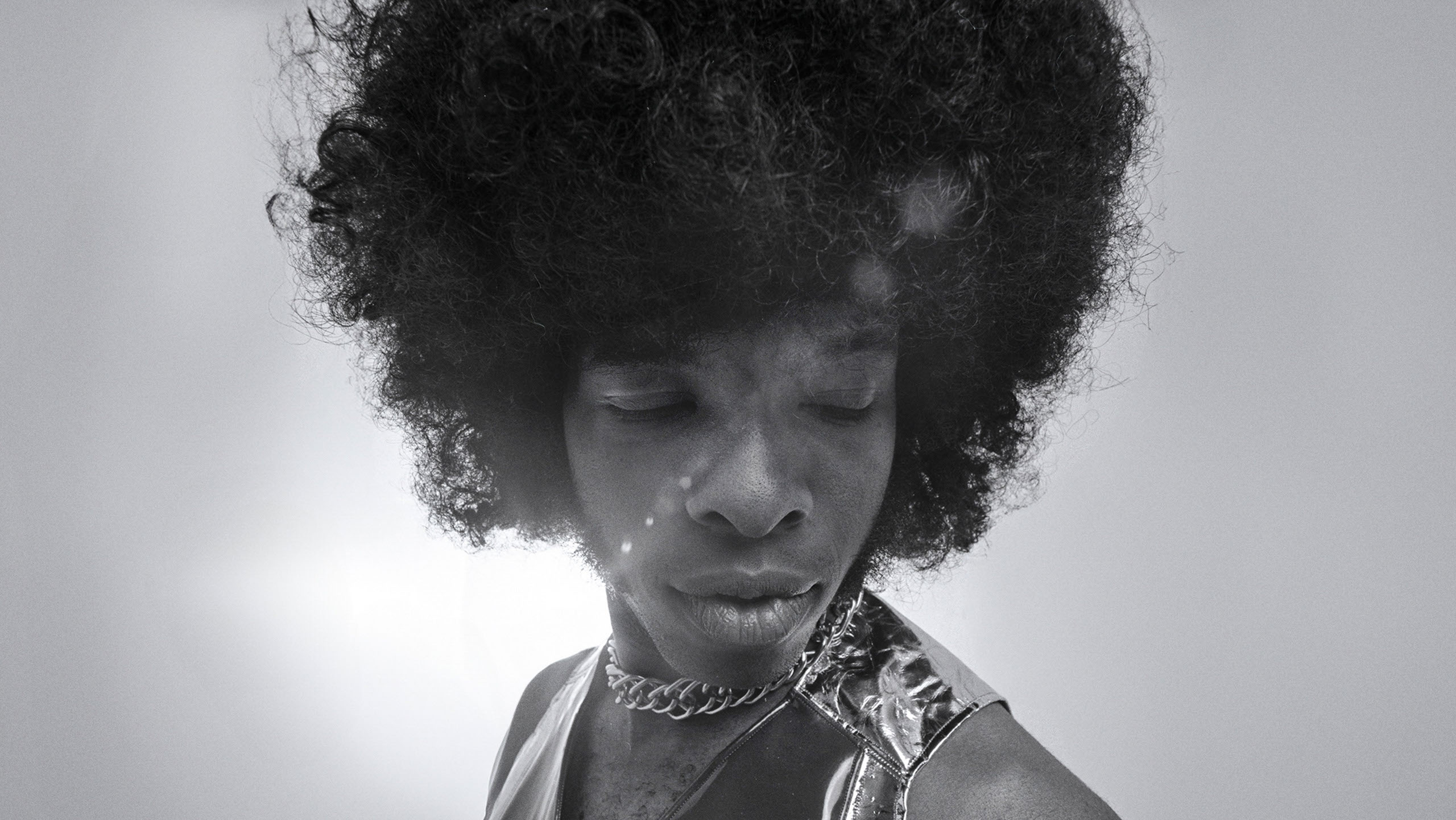
SLY LIVES! (aka The Burden of Black Genius) looks at the life, sound, and legacy of Sly Stone, but it never treats him like a museum exhibit. Directed by Ahmir “Questlove” Thompson, the documentary moves with the curiosity of someone who loves the music and understands the burden behind it.
That balance matters. Sly Stone was not only a hitmaker. He was a cultural architect. Long before “genre-bending” became a convenient phrase, Sly and the Family Stone were already mixing funk, soul, rock, gospel, psychedelia, and protest into music that sounded like freedom trying to find a rhythm.
Questlove Builds a Documentary That Feels Like Memory
Questlove has a gift for making music documentaries feel like conversations instead of lectures. Here, he avoids the stiff march from childhood to fame to downfall. Instead, he builds the film through interviews, archival footage, performance clips, cultural commentary, and music that still feels alive in the body.
Because of that structure, the documentary feels less like a biography and more like a memory map. One song leads to a cultural moment. A television appearance opens into a question about race. An interview moves from celebration to concern. Meanwhile, the editing keeps reminding us that brilliance rarely arrives without pressure.
The sound, of course, does major work. You cannot tell this story without letting the music breathe. The film understands that. It gives the songs enough room to remind us why Sly mattered before asking us to consider what that kind of originality may have cost him.
The Sound of Freedom Before the World Had Language for It
What struck me again while watching the film is how future-facing Sly’s music still feels. The band did not simply blend genres for novelty. They created a sound that challenged social boundaries at the same time it challenged musical ones.
That matters because music can move ideas faster than speeches sometimes can. A groove can sneak past defenses. A chorus can gather people who may not yet agree on politics. A stage can briefly imagine a world that the street outside has not learned how to become.
In that sense, SLY LIVES! sits beside other films that understand Black music as more than entertainment. I kept thinking about how rhythm carries history across communities, and how often the world dances to Black creativity before it properly honors the source.
The Burden Behind the Brilliance
The film’s most powerful question is not whether Sly Stone was a genius. That part feels settled. The harder question is what happens when the world decides a person must keep being brilliant on demand.
We love the language of genius because it sounds glamorous. However, the label can become a cage. Once people call an artist a visionary, they often stop allowing that artist to be tired, afraid, inconsistent, complicated, or human.
Questlove does not reduce Sly to either triumph or collapse. Instead, he lets the contradictions remain. The film gives us innovation, charisma, pressure, joy, fatigue, experimentation, and pain without pretending one cancels out the other.
That is where the documentary gains emotional depth. It understands that Black genius often gets celebrated and consumed at the same time.
Black Artists Have Always Carried Too Much
Working across cultures has taught me that artists often imagine freedom before institutions can name it. Musicians, filmmakers, writers, dancers, and visual artists create new language for what society has not yet admitted it needs.
Even so, Black artists have carried a particular burden in America. They innovate, represent, educate, inspire, entertain, and survive. Then, after giving the culture a new way to see itself, they are often left to manage the emotional cost alone.
SLY LIVES! asks us to sit with that contradiction. It celebrates Sly Stone’s brilliance, but it also asks why admiration so rarely becomes protection. That question also runs through another film that wrestles with Black storytelling and media power, although this documentary approaches the issue through sound, celebrity, and cultural memory.
The Craft: Editing, Archive, and Musical Rhythm
The editing gives the film its pulse. Rather than treating the archive like evidence in a courtroom, Questlove uses it like a DJ uses records. He layers clips, voices, songs, and reflections until the past starts speaking directly to the present.
That approach works especially well for a subject like Sly Stone. A conventional structure might have made the story feel too clean. Instead, the documentary lets the rhythm stay a little restless, which feels right for an artist who resisted easy categories.
The interviews add texture without turning the film into a parade of famous people praising a legend. At their best, they help explain the atmosphere around Sly, not only the accomplishments. That distinction matters because the film wants us to understand the ecosystem that shaped him.
Visually, the archival material carries real charge. Television clips, performance footage, and cultural references remind us how much Sly’s presence disrupted expectations. He did not simply sound different. He looked, moved, dressed, and organized the band like someone already living inside a future others had not imagined yet.
What the Film Does Best
The documentary works best when it refuses easy mythology. It does not ask us to worship Sly Stone from a distance. Instead, it invites us to consider the full human being behind the sound.
That choice kept me engaged because I have grown tired of genius stories that behave like monuments. Monuments are useful, but they can also flatten people. SLY LIVES! feels more interested in breath, contradiction, and consequence.
At the same time, the film never forgets the joy. This is important. A documentary about burden could easily become heavy in only one direction. However, Sly’s music keeps breaking through with color, movement, humor, and electricity. The film understands that joy was part of the revolution too.
What May Challenge Viewers
Viewers looking for a simple rise-and-fall biography may want a more traditional structure. Questlove seems less interested in tidying Sly’s life into a straight line and more interested in exploring the cost of carrying a label like genius.
For me, that choice made the film stronger. Still, there were moments when I wanted even more space around certain emotional turns. The documentary covers enormous cultural territory, and some threads could easily support their own film.
Even so, the abundance feels connected to the subject. Sly Stone’s influence does not fit neatly into one lane. Therefore, a film about him should probably feel a little too full.
What Genius Asks of Us
SLY LIVES! matters because it asks us to think about creativity as both gift and labor. We enjoy the songs, but the film asks us to consider the person who had to live inside the expectations those songs created.
That question feels bigger than Sly Stone. How do we celebrate artists without consuming them? How do we honor originality without demanding endless reinvention? More importantly, how do we build a culture that gives creators room to be vulnerable before they break?
Those questions feel especially urgent in a world that turns creativity into content at terrifying speed. We ask artists to reveal themselves, brand themselves, explain themselves, heal us, entertain us, and keep producing. Meanwhile, we rarely ask what kind of care creative people need in order to remain whole.
DG Speaks Take
SLY LIVES! (aka The Burden of Black Genius) is soulful, layered, thoughtful, and emotionally intelligent. Questlove gives Sly Stone the celebration he deserves while also asking viewers to consider the cost of being ahead of your time.
Watch it if you love music documentaries, Black cultural history, funk, archival storytelling, and films that treat creativity as more than entertainment. This is not only a story about what Sly Stone made. It is a story about what the world asked him to carry after he made it.
For more DG Speaks film writing, explore my review of a film that treats Black imagination as cosmic possibility, my reflection on the Black roots of global dance music, and my coverage of independent cinema that keeps expanding what film can do.
SLY LIVES! (aka The Burden of Black Genius) premiered at the Sundance Film Festival, a festival known for championing independent films and bold nonfiction storytelling.