The Story Inside a Bowl of Beans
The beans had been simmering long enough for the kitchen to smell like dinner before I had decided what else would go on the plate.
I lifted the lid, stirred the pot, and watched the broth settle around the spoon.
Nothing about the meal looked extravagant.
There were beans, onions, seasoning, and enough liquid to become generous once ladled into a bowl. I could add rice, greens, bread, or a little meat if I wanted. I could also leave the pot exactly as it was.
The beans did not need help proving that they were a meal.
That is what I respect about them.
A bowl of beans can hold an entire education if I am willing to pay attention. People often call beans simple, but simple does not mean empty.
Beans carry thrift, protein, comfort, memory, migration, and the quiet genius of making nourishment last.
Humble Food With a Backbone
Beans are often described as humble food.
I understand the intention. They are widely available, relatively inexpensive, and rarely treated with the ceremony reserved for luxury ingredients.
Still, humility should not be confused with weakness.
Beans have a backbone.
They can anchor a meal, absorb seasoning, stretch a small amount of meat, and become richer after sitting overnight. They hold their own beside rice, bread, vegetables, or nothing else at all.
A bowl may look plain.
The nourishment inside it is not.
The Pot Starts With Patience
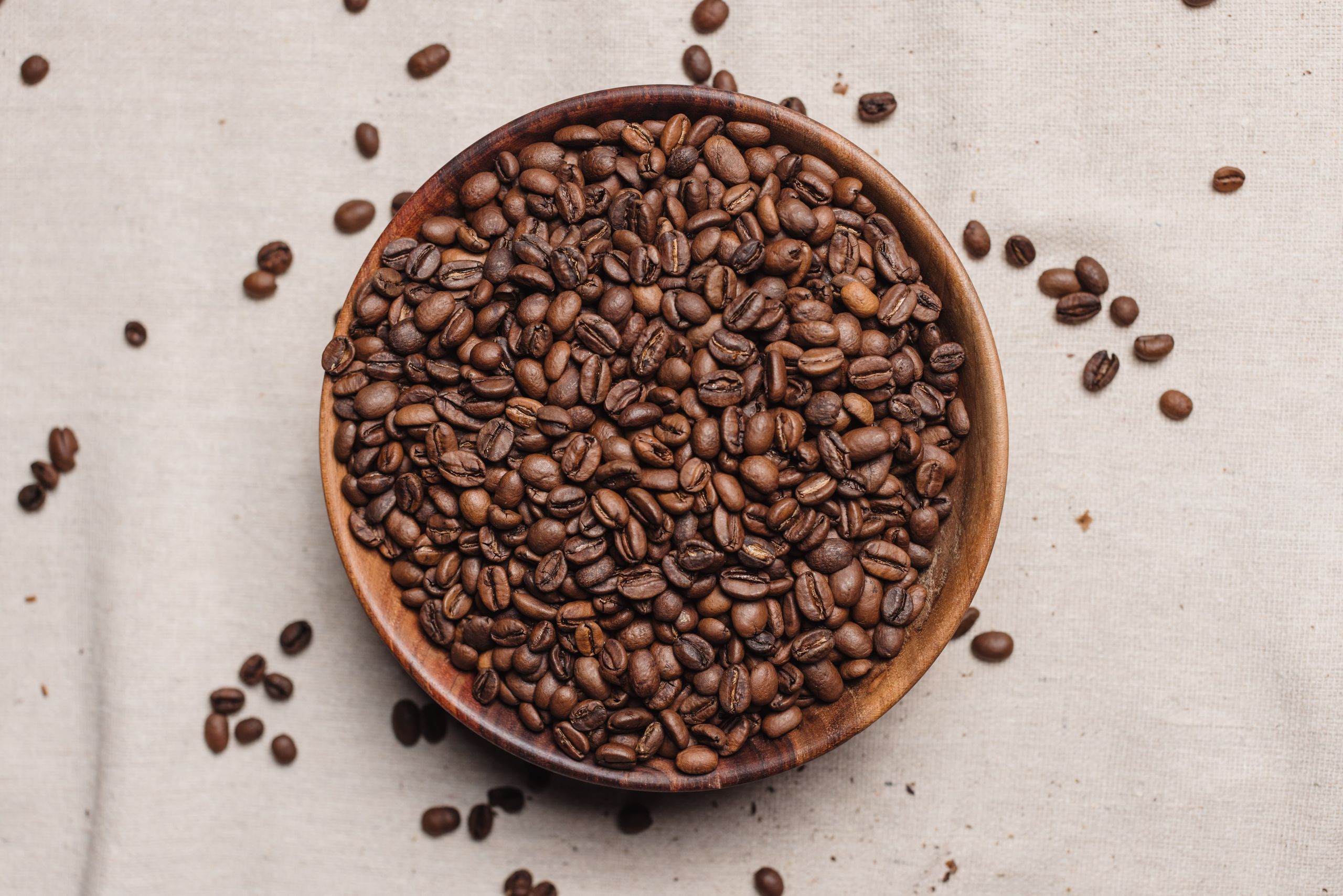
Dried beans ask for time.
They may need soaking, sorting, rinsing, and a long simmer before they become tender. Even canned beans benefit from attention once they enter the pot.
The onions need time to soften. Spices need heat, and the broth needs a chance to gather flavor from everything placed inside it.
That patience becomes part of the meal.
Beans resist the idea that all nourishment should arrive instantly.
The Pot That Stretches the Week
A pot of beans creates more than one dinner.
The first bowl may be served with rice. The next day, the beans can become a side dish, filling, stew, or foundation for another meal.
The broth deepens overnight, and the flavors become more settled.
This flexibility matters in households where time and money need to stretch.
One period of cooking can feed children, elders, guests, tired workers, and whoever arrives hungry.
The pot plans ahead.
Stretching Food Is Not the Same as Making It Less Valuable
Foods associated with thrift are often treated as lesser foods.
We describe them as what people eat when they cannot afford anything better.
That language overlooks the skill required to make limited ingredients satisfying.
Stretching a meal takes knowledge.
The cook needs to understand seasoning, texture, quantity, and what will make the bowl feel complete rather than merely adequate.
Economy can produce remarkable food.
It should not erase the cook’s intelligence.
Resourcefulness Should Not Be Romanticized
I can admire the creativity of a pot that feeds many people without romanticizing poverty.
There is nothing charming about families having too little food, workers being underpaid, or people choosing between groceries and other necessities.
Scarcity may produce skill.
People still deserve abundance, security, and choices.
Respecting humble food means honoring the knowledge inside it without suggesting that hardship is necessary for authenticity.
Family Food Often Begins With Ingredients That Carry People Through
Some ingredients appear repeatedly across family kitchens because they are dependable.
Beans store well, provide nourishment, and work with whatever else is available.
That dependability connects them to my reflections on the food memories that continue following us home.
The meals we remember are not always the most elaborate ones.
Often, they are the foods that appeared regularly enough to become part of how home felt.
The Smell Can Return Me Before the First Bite
Food memory often begins with aroma.
Beans simmering with onions, garlic, herbs, spices, or smoked meat can fill a house slowly. The smell moves beyond the kitchen and announces that food is on the way.
Years later, a similar aroma can return me to another room.
I may remember who was cooking, what time of day it was, or how the bowl felt in my hands.
The body sometimes recognizes home before the mind finishes naming it.
The Recipe May Not Have Been Written Down
Many good pots of beans come from knowledge carried through practice.
The cook knows how much water to add and when the beans need more time. She tastes the broth, adjusts the salt, and recognizes when the texture is right.
The recipe may exist in gestures rather than measurements.
That kind of knowledge deserves respect.
It is technical, sensory, and developed through repetition, even when nobody framed it as formal expertise.
Women Have Carried This Knowledge Across Generations
Women have often been responsible for transforming staple ingredients into meals that sustain households and communities.
They planted, purchased, sorted, soaked, seasoned, served, stored, and returned to the pot the following day.
This belongs beside my reflections on women leading change throughout food systems.
Food systems are not built only through farms, companies, and policy.
They are also built through daily decisions inside kitchens about how to make enough, waste less, and feed people well.
Care Becomes Visible Through Seasoning
A pot of beans can reveal how carefully someone was paying attention.
The seasoning may be gentle because children will eat it. Another version may carry heat, smoke, herbs, acidity, or richness connected to a particular family or region.
The cook thinks about who will receive the bowl.
Care enters through those adjustments.
It is not only affection.
It is knowledge applied to another person’s needs.
Beans Change as They Move
Beans also tell migration stories.
People carry food traditions when they move, but those traditions rarely remain untouched.
A familiar bean may be prepared with a different fat because the original ingredient is unavailable. A local herb replaces another, or a new cooking method enters the kitchen.
The dish changes while still carrying memory.
That is why a pot of beans can taste like place and movement at the same time.
One Ingredient Can Speak Several Cultural Languages
Beans appear in cuisines throughout the world.
They become soups, stews, purées, fritters, salads, spreads, rice dishes, and slow-cooked meals shaped by different climates and histories.
The ingredient may be familiar.
The preparation tells me where I am.
Seasoning, texture, accompaniments, and serving rituals transform the bean into something culturally specific.
Calling all bean dishes simple overlooks how much meaning lives in those differences.
Migration Does Not Freeze Food in the Past
There can be pressure to prepare traditional food exactly as it was remembered.
Authenticity becomes a test.
Yet families change. Kitchens change, and people adapt to new schedules, ingredients, health needs, and personal tastes.
A recipe can evolve without losing its relationship to history.
Food traditions survive partly because people continue making them useful in the present.
Beans Can Hold Both Survival and Celebration
The same food associated with necessity may also appear at holidays, gatherings, or Sunday meals.
Beans are not limited to struggle.
They can be festive, deeply seasoned, carefully prepared, and connected to abundance.
That complexity matters.
Foods eaten by working-class communities are too often discussed only through deprivation, as though people experiencing hardship did not also create pleasure, beauty, and ceremony.
Protein Does Not Need to Be Expensive to Matter
Beans provide a practical source of protein, fiber, and substance.
They can make meals more filling without requiring a large amount of meat.
That does not mean every person needs to eat them in the same way or that beans alone answer every nutritional need.
It means affordability and nourishment can exist in the same bowl.
Food should not need a luxury price to be treated as valuable.
Meat Can Support the Pot Without Becoming the Entire Meal
In some kitchens, a small amount of meat seasons a larger pot.
The beans carry the volume while the meat contributes richness, smoke, or depth.
This approach differs from meals where meat dominates the plate and everything else becomes secondary.
When I want proteins for home cooking, I may use ButcherBox.
Still, beans remind me that a satisfying meal does not always require an expensive centerpiece.
The Broth Matters as Much as the Bean
A good bowl is not only about tenderness.
The surrounding liquid carries the seasoning and gathers starch from the beans as they cook. It may become thick, silky, smoky, bright, or deeply savory.
Bread or rice can absorb it.
A spoonful of broth can carry the entire character of the pot.
Discarding that liquid would mean discarding part of the story.
Beans Teach the Difference Between Plain and Unseasoned
Plain food can be intentional.
Unseasoned food feels unfinished.
Beans do not need a long list of costly ingredients, but they need attention. Salt, aromatics, herbs, spices, fat, and acidity each shape the final bowl.
The simplicity lies in the structure.
Depth comes from how the cook handles it.
Texture Is Part of the Education
Beans teach patience through texture.
Undercooked beans remain hard and separate from the broth. Overcooked beans may collapse completely, which can be desirable in one dish and wrong for another.
The cook learns when to stir, when to leave the pot alone, and how acidity or salt may affect the process.
These details are culinary knowledge.
The low price of the ingredient does not make the technique less real.
A Bowl Can Make the House Feel More Secure
There is comfort in knowing food is already prepared.
A pot in the refrigerator means dinner does not need to begin from nothing. Someone can reheat a bowl after work, add rice, or stretch the last portion with broth and vegetables.
The meal offers continuity.
That sense of provision can make the week feel steadier.
Security sometimes looks like a full pantry.
Sometimes, it looks like one dependable pot.
Beans Can Reduce Waste Without Feeling Like a Sacrifice
A pot can absorb ingredients that might otherwise be overlooked.
Greens, vegetables, herbs, broth, or a small amount of leftover meat can find a place inside it.
The goal is not to hide food past its usefulness.
It is to recognize possibilities before good ingredients become waste.
Beans create a foundation strong enough to receive what the kitchen already has.
The Cheapest Food Often Carries the Most Judgment
People sometimes distance themselves from foods associated with poverty.
Success becomes connected to no longer needing to eat them.
That judgment can affect how younger generations understand family food.
A dish that sustained parents or grandparents becomes embarrassing because it reveals economic history.
I would rather approach that history honestly.
Survival food can hold pain.
It can also hold creativity, culture, and love.
Humble Food Deserves More Than Nostalgia
Respecting beans should not mean turning them into a sentimental symbol while ignoring the people who grow, harvest, process, transport, and cook them.
A low-cost ingredient still depends on labor.
Farmworkers, warehouse employees, drivers, grocery workers, cooks, and caregivers all contribute to the bowl.
Affordable food should not require invisible or poorly compensated workers.
Respect must extend through the entire system.
The Bowl Can Be Enough
There are days when I want an elaborate meal.
On other days, beans, rice, and something green feel complete.
The meal does not need to imitate restaurant food or apologize for its simplicity.
It provides warmth, substance, and flavor.
Enough is not a failure of imagination.
Sometimes, enough is the achievement.
Why Simple Food Deserves Respect
A bowl of beans carries more than an inexpensive meal.
It holds agricultural labor, family knowledge, migration, memory, adaptation, and the practical intelligence required to nourish people over time.
The pot stretches the week without losing its identity. It welcomes rice, bread, vegetables, meat, spices, and leftovers, but it does not depend on any of them to become meaningful.
Beans remind me that good food does not always need costly ingredients.
It needs care, time, seasoning, and respect.
I will always defend humble food because the foods that carried people through difficult years deserve more than casual dismissal.
They deserve to be understood as evidence of skill.
A plain-looking bowl may contain generations of knowledge about how to feed a family, preserve a tradition, and make nourishment last.
Sometimes, the food with the deepest roots is the food people have been taught to overlook.
Explore more stories about beans, home cooking, food memory, and the people whose knowledge sustains our food systems through DG Speaks Food. You can also discover how migration and local traditions shape what appears on the table through DG Speaks Travel, or read more about culture, labor, class, and memory through DG Speaks Culture.