Sugar Island Review: A Haunting Story of Memory and Survival
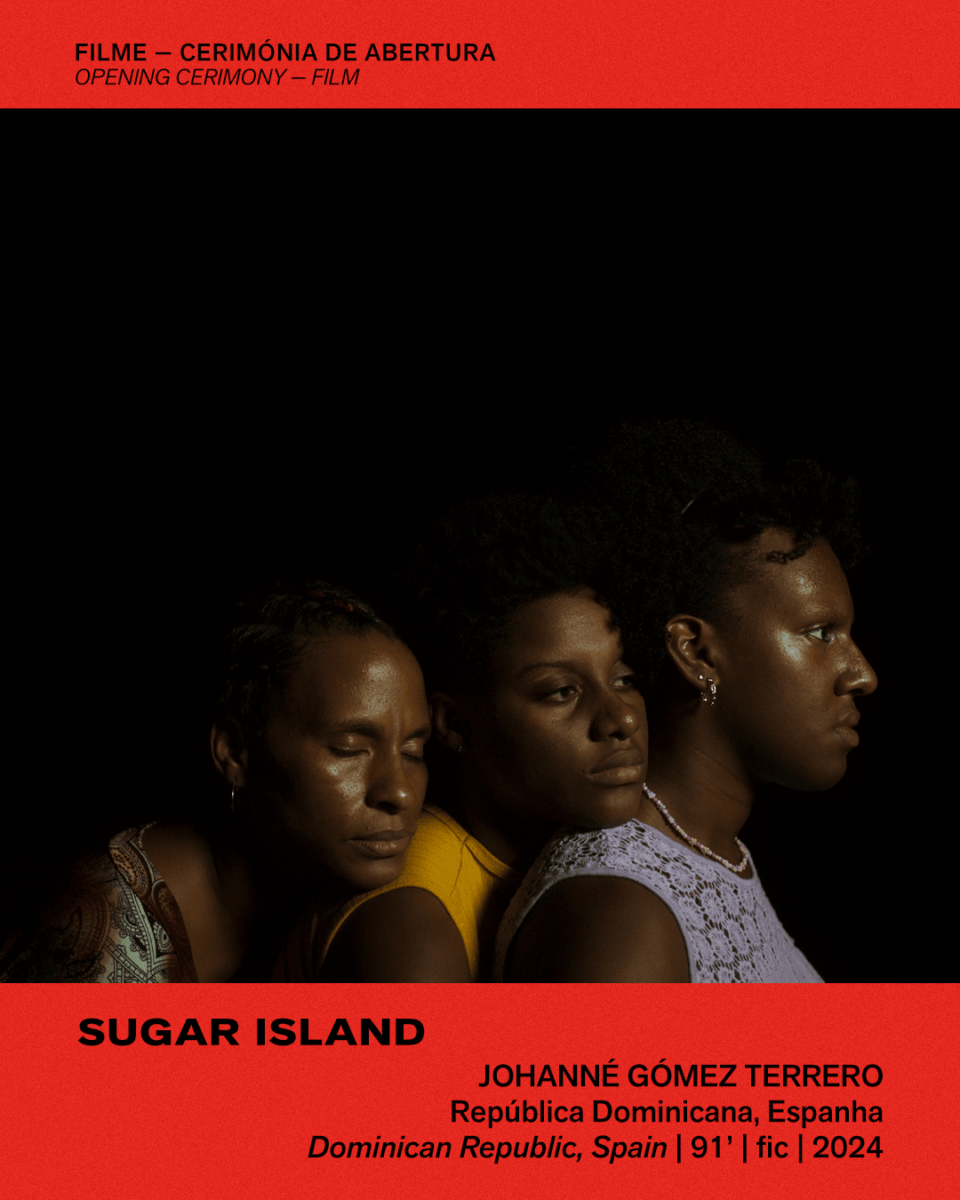
There are films you watch, and then there are films you carry with you long after the credits roll. Sugar Island is firmly the latter. I had the please of seeing this amazing piece of cinema during the opening night of the Porto Femme Festival.
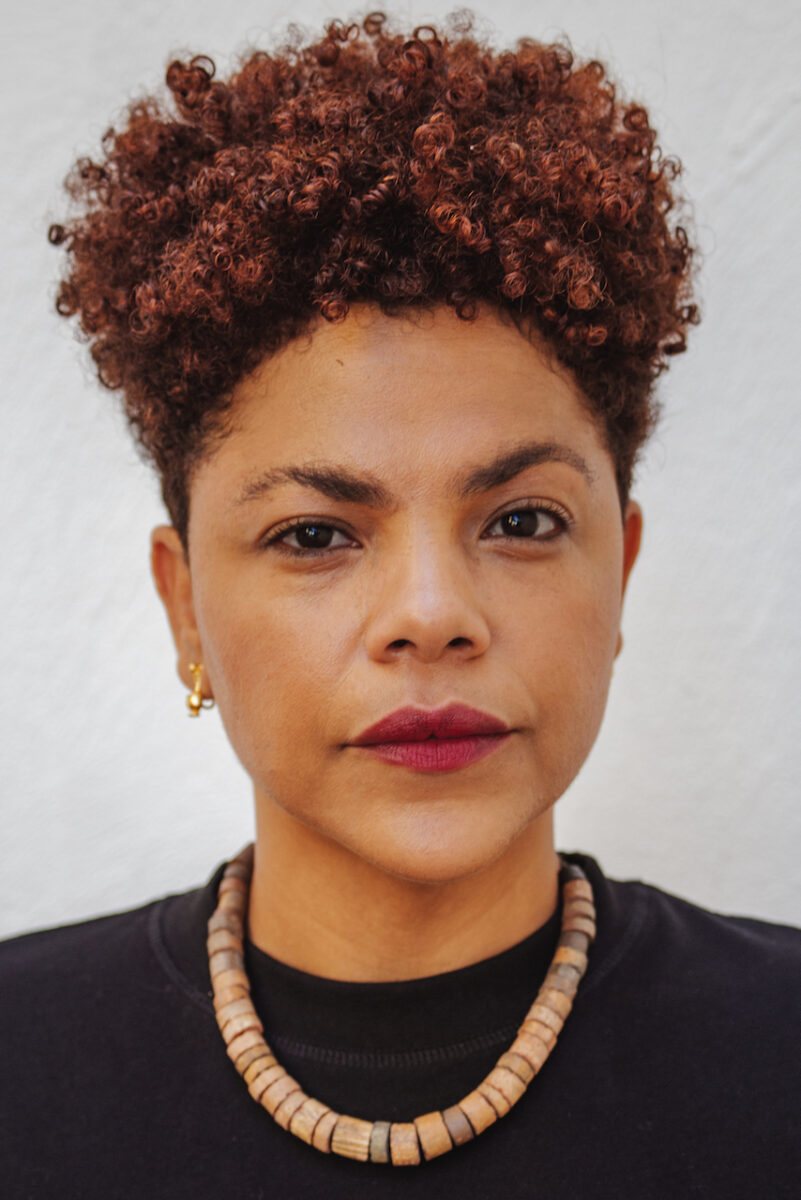
Directed by Johanné Gómez Terrero, this visually arresting coming-of-age drama unfolds inside the sugarcane communities of the Dominican Republic. However, Sugar Island is about far more than one girl’s pregnancy. It is a layered meditation on labor, race, ancestry, spirituality, womanhood, and survival.
At the center of the story is Makenya, played with remarkable emotional depth by Yelidá Díaz. She is a 14-year-old Dominican-Haitian girl navigating an unplanned pregnancy while living in a batey, the historically marginalized sugarcane worker communities tied to the Caribbean’s colonial past.
From its opening moments, the film feels deeply intimate and deeply political at the same time.
A Story Rooted in Interwoven Oppressions
One of the most compelling aspects of Sugar Island is the way it connects personal experience with larger historical structures. In an interview with DG Speaks, Johanné Gómez Terrero explained that the film was built around the concept of “interlocking oppressions,” exploring how race, gender, and class collide within Makenya’s life.
That intersectionality is felt in every frame.
Makenya’s pregnancy is not treated as an isolated event. Instead, it becomes part of a generational cycle shaped by poverty, labor exploitation, and inherited struggle. Terrero revealed that her own niece experienced a teenage pregnancy at 13, which became an emotional starting point for the film.
That honesty gives Sugar Island its emotional weight.
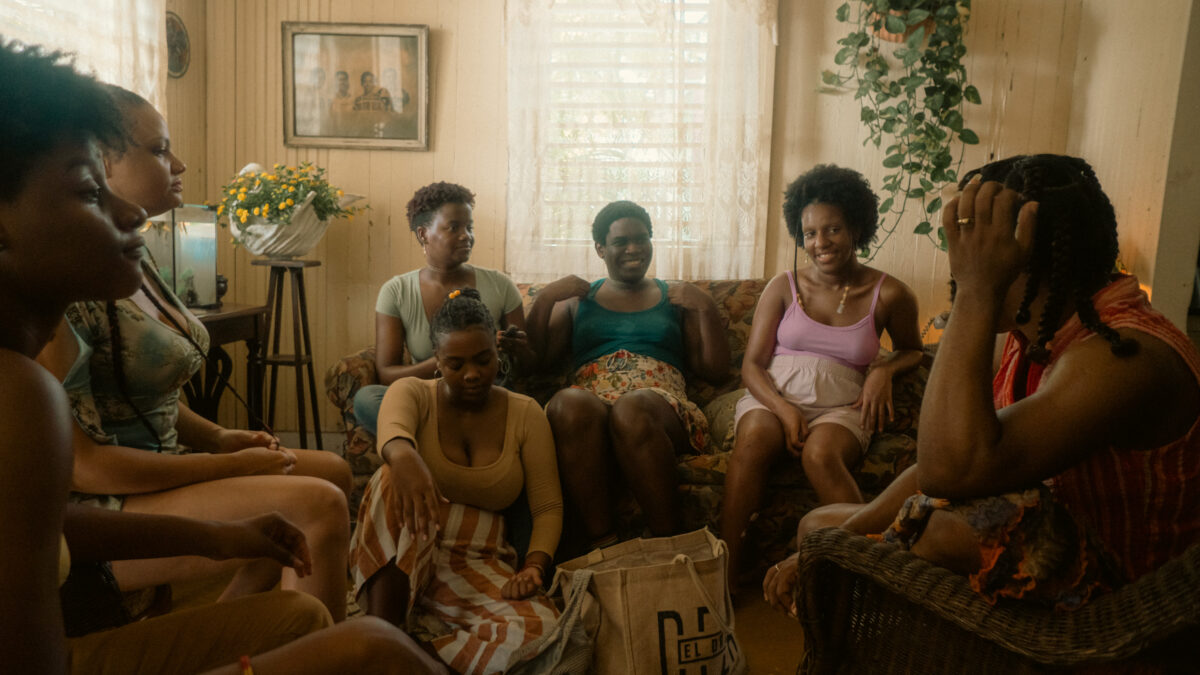
Rather than reducing Makenya to a victim, the film allows her to exist in contradiction. She is vulnerable yet spiritually powerful. She is a child while being pushed into adulthood. She is trapped by circumstance yet still deeply connected to joy, community, and imagination.
The Sugarcane Fields Become a Living Character
The sugarcane fields in Sugar Island are unforgettable.
They are beautiful, haunting, suffocating, and sacred all at once. Terrero describes sugar as “the first capitalist industry of the New World” and imagines the cane fields as witnesses carrying historical memory.
That perspective transforms the landscape into something spiritual.
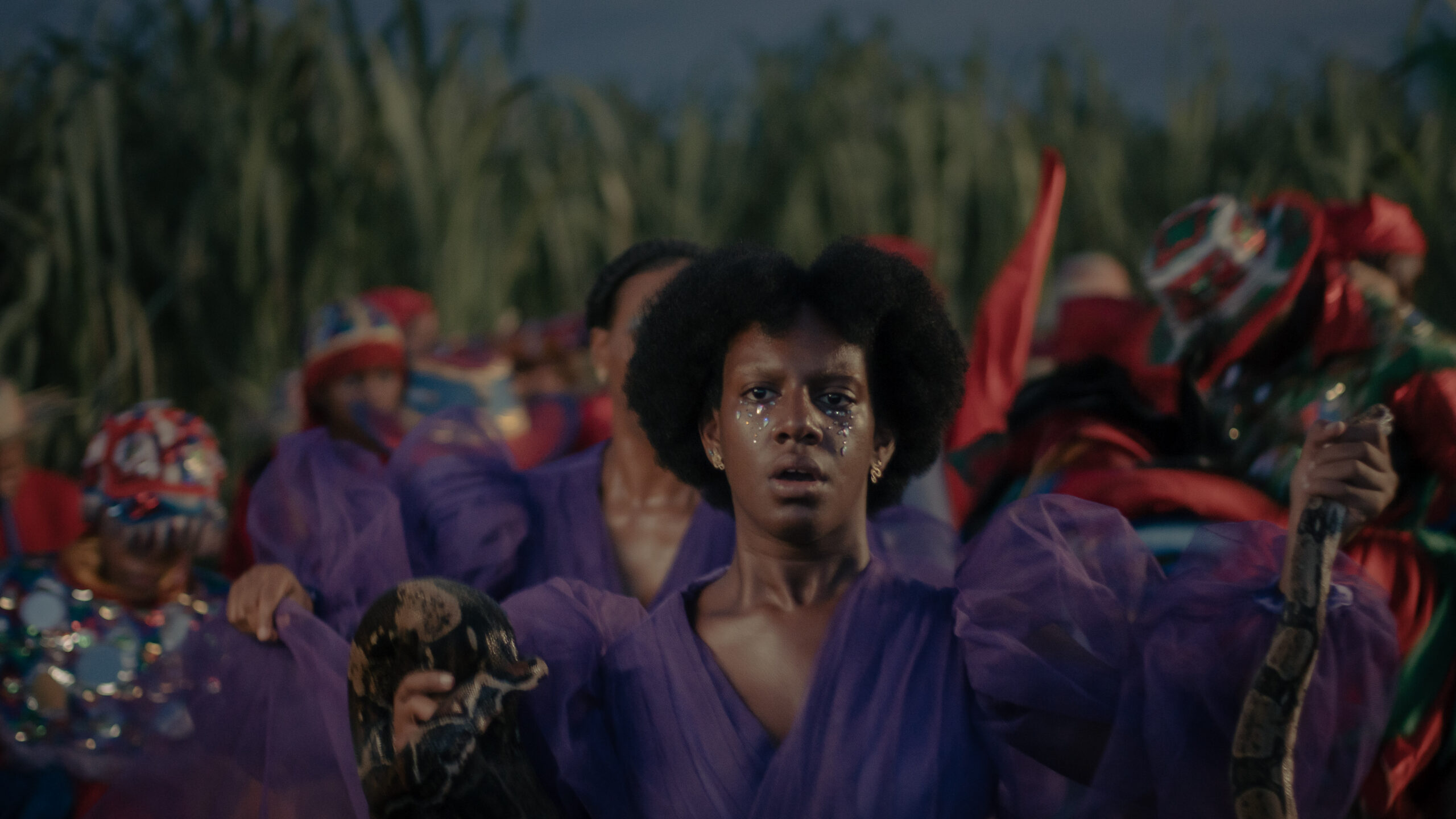
Makenya conceives, suffers, transforms, and spiritually ascends within these fields. The cane becomes both refuge and burial ground. It symbolizes the enduring legacy of colonialism while also holding traces of resilience and ancestral connection.
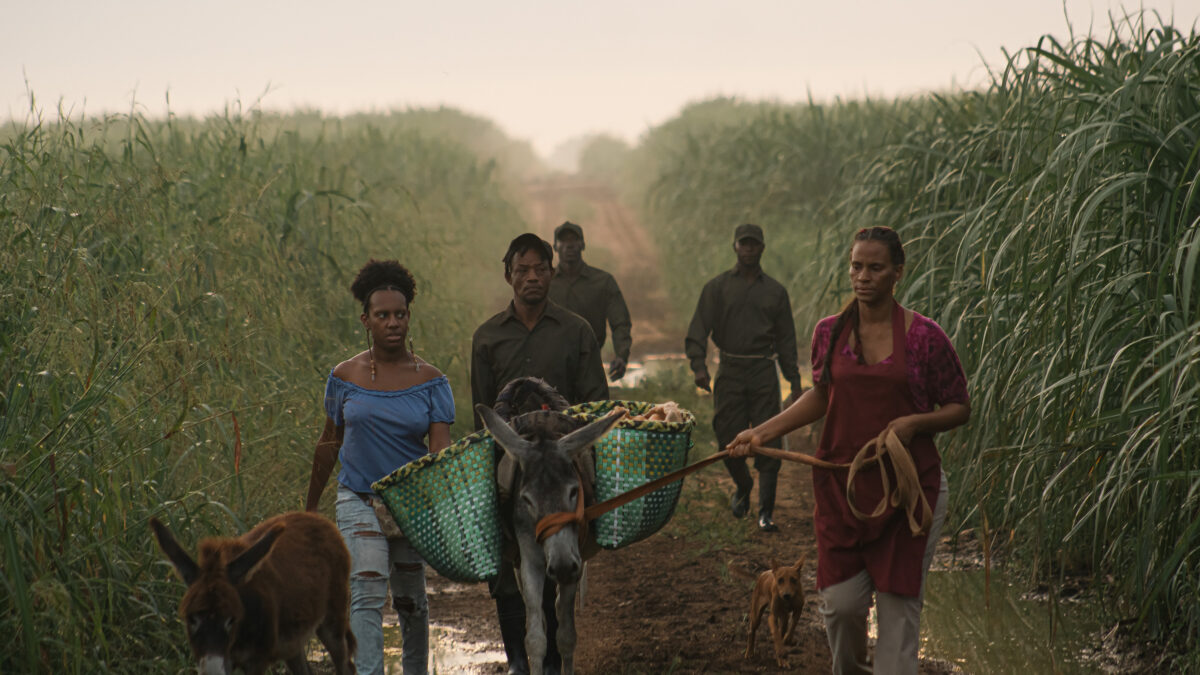
Visually, the film is stunning. Cinematographer Alván Prado captures the batey communities with extraordinary tenderness. Every color, texture, and movement feels intentional.
At times, Sugar Island almost drifts into a dream state.
Spirituality, Ancestral Memory, and Black Identity
One of the film’s most powerful elements is its use of Afro-Caribbean spirituality and cultural symbolism.
Terrero drew heavily from Gagá traditions, a spiritual and musical practice deeply tied to batey communities and Afro-descendant identity. She explained that every color in the ceremonies represents different spiritual mysteries and African nations, reinforcing the idea that there is no single way to exist as Black or Afro-descendant.
That attention to cultural specificity is everything.
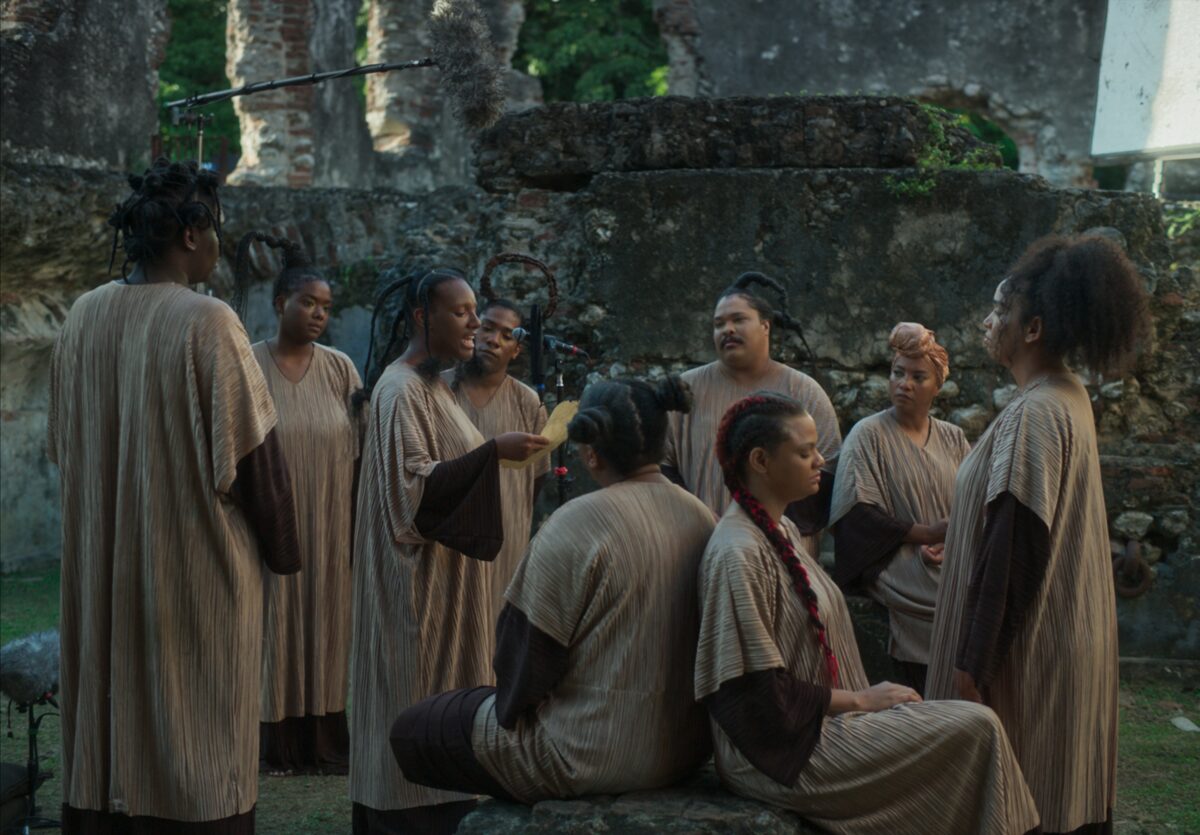
Too often, Black and Afro-Latin stories are flattened into trauma narratives. Sugar Island refuses to do that. Yes, the film confronts exploitation and hardship. However, it also makes room for beauty, pleasure, spirituality, dance, community, and tenderness.
As a Black and Afro-Latina viewer myself, I found that incredibly moving.
There were moments in this film that felt less like watching and more like remembering.
A Film Rooted in Memory and Resistance
What makes Sugar Island so powerful is that it never tries to simplify its characters or its politics.
This is a film about girlhood, but it is also about labor history. It is about pregnancy, but also colonialism. It is about Blackness, migration, and memory. Yet somehow, despite carrying all these themes, the film never loses its emotional core.
Makenya remains the heartbeat of the story.
When asked what she hopes Black women, Afro-Latinas, and young girls see in Makenya, Terrero offered a simple but profound answer: “An invitation to connect with their own power.”
That invitation lingers long after the film ends.
Sugar Island Stays With You
Sugar Island is not just one of the most visually beautiful films I’ve seen this year. It is also one of the most emotionally honest.
Johanné Gómez Terrero has created a film that honors Black girlhood, ancestral memory, and Afro-Caribbean identity with extraordinary care. Sugar Island challenges audiences to confront the systems that shape people’s lives while still recognizing the humanity, joy, and spiritual depth that survive within them.
This is the kind of cinema that stays with you.
And honestly, it deserves far more global attention than it has received so far.