What Travel Teaches Me About Asking Better Questions
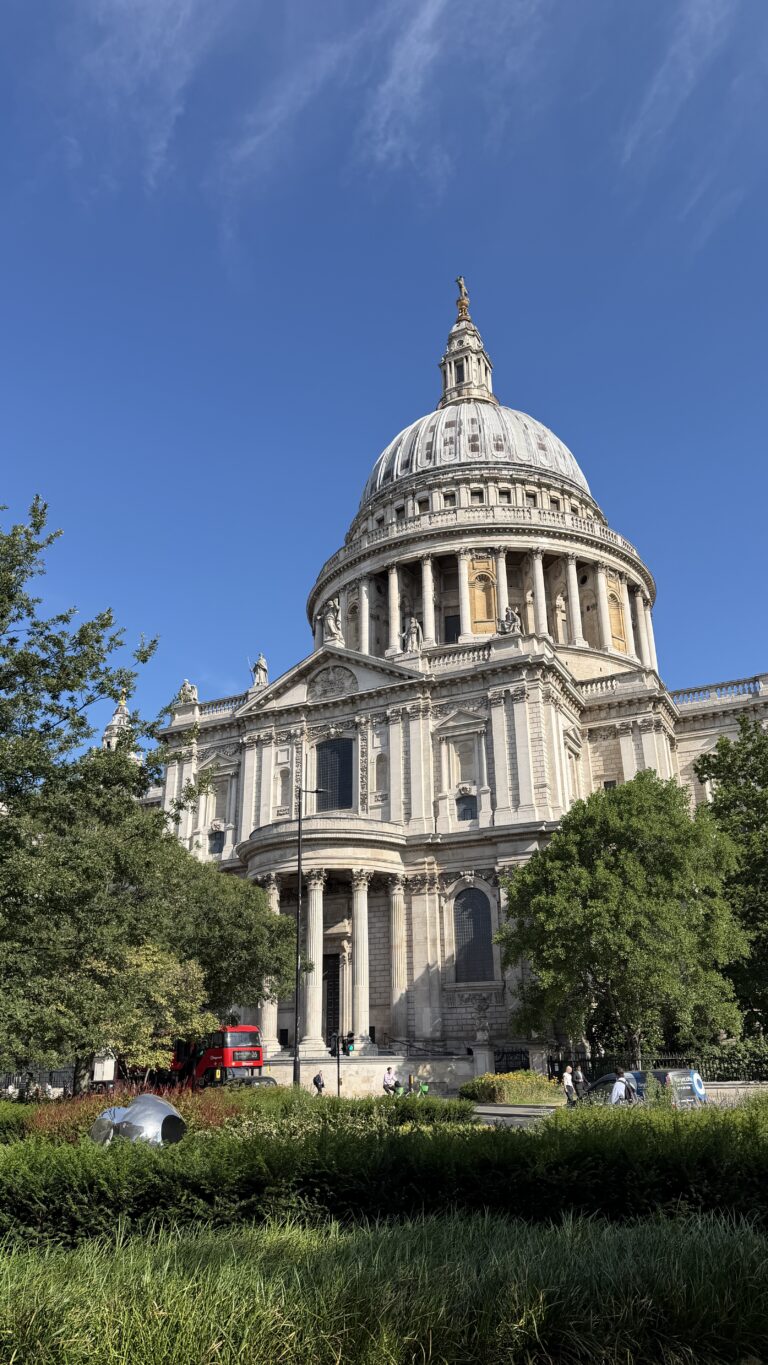
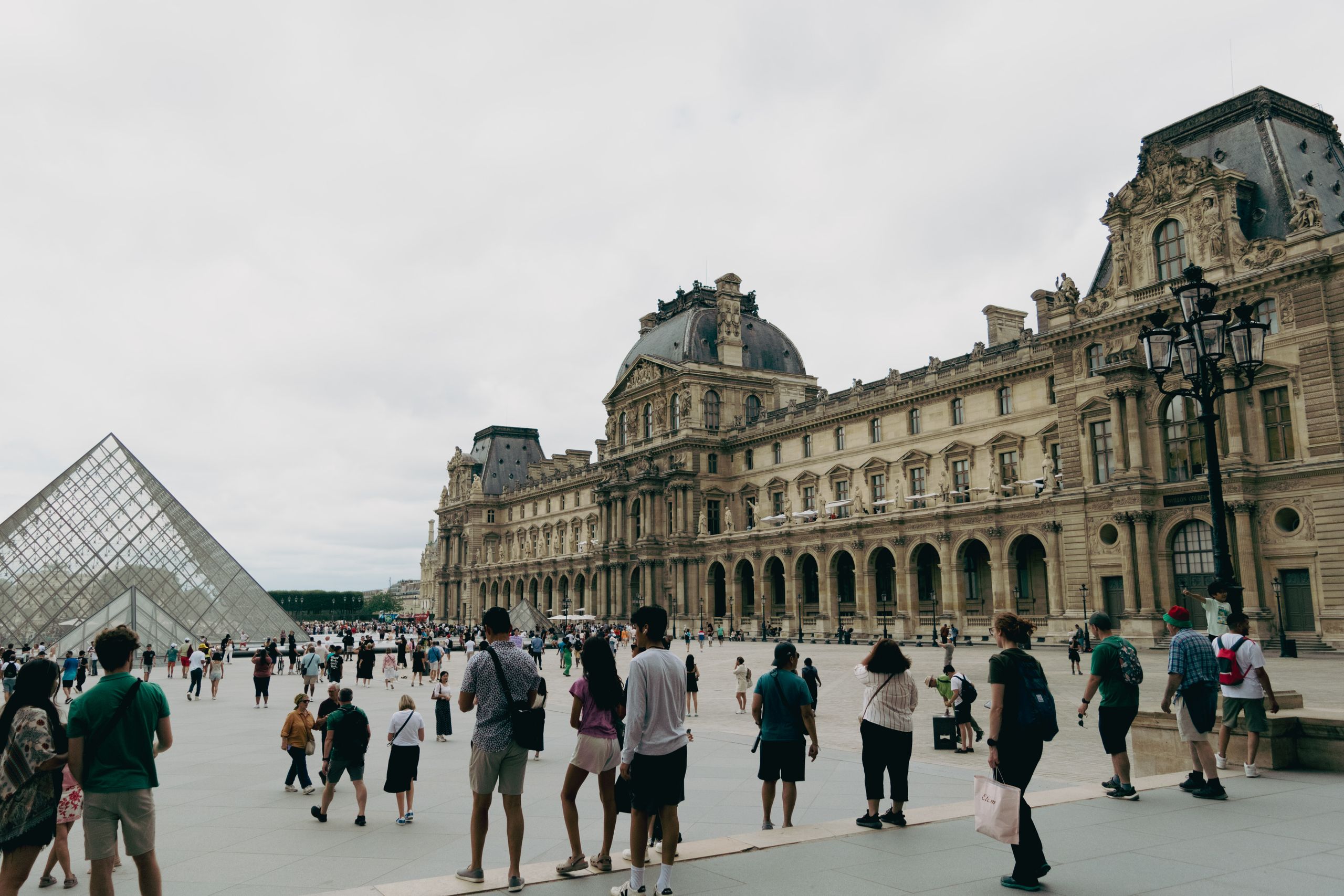
I remember standing in front of a beautiful building while traveling and realizing that I knew almost nothing about what I was looking at. I could admire the stonework, photograph the entrance, and read the date carved into the façade, but none of that told me who built it, who paid for it, or who may have been displaced so it could exist.
A few minutes earlier, I had been thinking like a visitor. I wanted the best angle, the clearest photograph, and enough information to remember the stop later.
Then a guide began explaining the labor, politics, and wealth behind the building. The beauty remained, but it no longer stood alone.
That moment changed the questions I carried through the rest of the day.
Travel keeps teaching me to ask better questions. Not only where should I go, but why does this place matter? Who lives here? Who works here? What history shaped the beauty I am admiring?
Travel questions make a journey deeper because they move me beyond arrival and toward understanding.
Not Just Where, but Why
The first questions most travelers ask are practical. Where should I stay? What should I see? How long will it take to get there?
Those questions matter. They help me organize time, protect my budget, and avoid unnecessary confusion.
Still, practical information can only take me so far. A destination becomes more meaningful when I begin asking why a neighborhood developed in a certain way, why one monument receives attention, or why a particular tradition remains important to local residents.
The shift from where to why changes the entire journey.
A landmark stops functioning as a backdrop. A market becomes part of a food system, while a beautiful square begins revealing decisions about land, money, power, and public space.
The place starts becoming more than something I consumed.
Who Built the Beauty?
Travel often directs my attention toward finished beauty.
I see cathedrals, palaces, bridges, gardens, historic districts, and carefully preserved streets. Tourism rarely begins with the workers who quarried the stone, carried materials, cleaned the rooms, maintained the grounds, or served the people wealthy enough to occupy those spaces.
Asking who built the beauty restores labor to the story.
The answer may include artisans whose names survived, but it may also include enslaved people, colonized workers, domestic servants, migrants, or poorly paid laborers who remain absent from official narratives.
That question connects with my approach to respectful curiosity in cultural travel writing. Admiration should not require me to ignore the human cost hidden inside what looks magnificent.
I can appreciate craftsmanship while asking who benefited from it and whose contribution disappeared.
Who Gets to Remain in the Place I Am Enjoying?
A neighborhood may attract visitors because of its character, food, architecture, or history. Increased attention can create opportunity, but it can also make ordinary life more expensive for the people who created that character.
Short-term rentals replace long-term housing. Restaurants begin pricing menus for visitors, while small shops give way to businesses designed around tourism.
The neighborhood still looks local, but fewer local people can afford to remain.
Asking who lives here is not enough. I also need to ask who is being pushed out and who now has the financial power to shape the area.
One traveler does not control every economic force affecting a city. Still, where I stay, eat, shop, and spend time becomes part of a larger pattern.
Awareness does not make travel harmless. It helps me make choices without pretending that my presence has no effect.
What History Was Chosen for Display?
Cities tell stories about themselves through monuments, plaques, museums, street names, and preserved buildings.
Those stories are never neutral.
Someone decided which event deserved a marker, whose home should become a museum, and which version of the past would appear in official materials. Other histories survive through families, community organizations, oral traditions, murals, and memorials that residents created themselves.
The absence of a sign does not mean nothing important happened there.
When I travel, I want to notice what receives protection and what remains easy to overlook. A polished historic center may tell one version of the city while neighborhoods beyond it hold stories of migration, labor, resistance, and community life.
Better questions help me recognize the difference between history and the version of history selected for visitors.
What Am I Actually Allowed to Witness?
Travel gives me access to places, people, and moments that may feel intimate. Access does not automatically create ownership.
A market vendor, religious ceremony, family kitchen, or neighborhood gathering may interest me deeply. That does not mean every moment should become a photograph or story.
A community is not a backdrop simply because I arrived with a camera.
Before documenting, I try to consider whether the setting feels public, whether permission is appropriate, and whether my image could expose someone who never agreed to become part of my work.
Respect also applies after the moment ends. A brief encounter does not give me enough knowledge to invent a person’s motives, hardship, or emotional life.
I can describe what I witnessed while remaining honest about what I do not know.
Who Is Missing From the Story?
Official travel narratives often emphasize famous leaders, wealthy patrons, celebrated artists, and major institutions.
Ordinary people can disappear from the account even though their work sustained the city.
Women, domestic workers, street vendors, agricultural laborers, migrants, and informal workers may shape everyday culture without receiving the same recognition as the people whose names appear on buildings.
Asking who is missing changes how I listen.
A guide’s passing reference to a women’s market, labor strike, migration wave, or displaced community may become more meaningful than the date attached to a monument.
My reflections on how community resilience begins before a crisis connect to this question. Communities often survive through networks of care that official histories rarely document fully.
The people holding a place together may not be the ones visitors are taught to notice first.
A Good Guide Complicates the Easy Story
The best guides do more than recite names and dates.
They explain why a place changed, whose interests shaped it, and why local people may disagree about its meaning. Instead of giving me one polished answer, they reveal the tensions inside the story.
Guided experiences available through GetYourGuide can provide valuable context when local guides center community knowledge, history, and lived experience.
A thoughtful tour should leave me with more than facts to repeat. It should sharpen my ability to notice what remains outside the official route.
Good interpretation does not make me an expert. It makes me a more responsible beginner.
Preparation Gives Me More Space to Pay Attention
Curiosity becomes harder when logistics consume every part of my attention.
If I am worried about entry requirements, medical coverage, or whether I completed the correct documents, I have less energy available for the place itself.
Travel-document support through iVisa can help travelers review visa and entry requirements before departure. Travel medical coverage through SafetyWing may also support international or extended travel.
These resources handle practical concerns. They do not replace cultural preparation.
I still need to learn basic context, understand local expectations, and arrive without assuming that efficiency gives me permission to move carelessly.
Preparation should free me to pay attention, not make me feel entitled to control the experience.

A DG Speaks Recommendation
I want more years to travel thoughtfully, ask better questions, and remain curious about the world
I partnered with Happy Aging to share products that support energy, vitality, and a life that stays active, engaged, and open to discovery.
Not Every Question Needs an Immediate Answer
Travel culture often rewards confidence. People want recommendations, summaries, and clear conclusions.
Some places resist that speed.
I may leave a museum with more questions than I carried inside. A conversation can challenge my assumptions without offering a new position that feels complete.
That uncertainty has value.
Not knowing encourages me to research, listen, and resist turning one experience into a broad claim about an entire community. It also leaves room for different people to interpret the same history in different ways.
A question does not fail because it remains open after the trip ends.
The Antidote Is Curiosity Without Entitlement
Travel can create the illusion that access and understanding are the same thing.
I visit a neighborhood, taste a dish, hear a story, and begin feeling qualified to explain the place. The experience may have taught me something meaningful, but it also showed me only one part of a much larger reality.
The antidote is curiosity without entitlement.
I can ask questions without expecting every person to educate me. I can learn from a guide while recognizing that one tour does not represent every local perspective.
Respectful curiosity accepts limits.
It allows me to remain interested without demanding ownership, certainty, or unrestricted access to other people’s lives.
The Questions Follow Me Home
The most valuable travel questions do not remain inside the destination.
After asking who built a monument elsewhere, I begin noticing who built the institutions around me. Questions about displacement in another city make me pay closer attention to housing, development, and inequality at home.
Travel loses some of its depth when curiosity applies only to unfamiliar places.
The same questions belong in my own community. Who receives public investment? Which stories appear in museums and schoolbooks? Whose labor keeps everyday life functioning without recognition?
A journey becomes more meaningful when it changes the way I see what once felt ordinary.
Better Questions Create a Deeper Journey
When I remember the building that began this reflection, I still remember its beauty. Learning more about its history did not erase the craftsmanship or the feeling of standing before it.
Context made the experience fuller.
I began seeing the workers, wealth, policies, and choices held inside the structure. The photograph remained, but the questions became more important than the image.
Travel questions deepen a journey because they interrupt the easiest version of the story.
Where should I go still matters. So do the practical questions that help me arrive safely and prepared.
Once I am there, I want to ask more.
Who built this? Who maintains it? Who belongs here, and who struggles to remain? Which history appears on the plaque, and which one survives through memory?
The best questions do not reduce a place to a clean answer.
They teach me how much more there is to notice.
Continue exploring reflections on cultural travel, ethical storytelling, and the questions that help us move through the world with greater care through DG Speaks Travel.