Why I Trust Slow Travel More Than Busy Travel
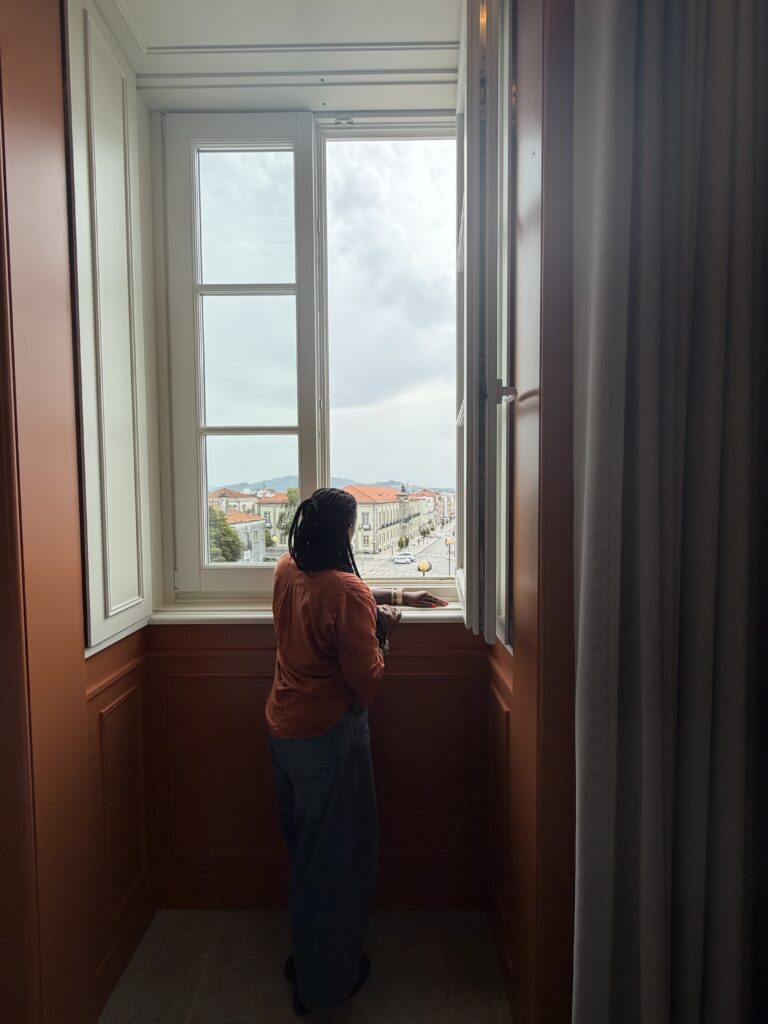
On one trip, I realized that I had stopped looking at the map every few minutes. I knew which street led back to my room, where to buy fruit, which café felt comfortable in the morning, and how long the walk to the river would take if I did not hurry.
Nothing dramatic had happened. I had simply stayed long enough for the place to stop feeling like a collection of attractions.
The city had begun to develop a rhythm around me. Shopkeepers opened at familiar times, buses arrived with their usual delays, and the same people appeared on the same corners as they moved through lives that had nothing to do with my visit.
I trust slow travel more than busy travel because it gives a place time to become real. A rushed itinerary can be exciting, but it often leaves me with more photographs than understanding.
Slow Travel Gives the Trip Room to Breathe
A trip that breathes contains space between the planned experiences. There is time for coffee, walking without urgency, sitting in a park, returning to a restaurant, and getting turned around without treating the mistake as a disaster.
That open time may look unproductive on an itinerary. It is often where the trip begins becoming personal.
I notice how the morning changes from one neighborhood to another, which streets become lively after work, and where people gather when they are not performing hospitality for visitors. Those details rarely appear when every hour has already been assigned.
Slow travel creates enough room for observation to replace consumption. I am not simply asking what I can fit into the day. I am allowing the place to influence how the day unfolds.
Less Checking Off Means More Looking Around
Busy travel rewards completion. I arrive, take the photograph, confirm that I saw the landmark, and move quickly toward the next item.
There is nothing inherently wrong with wanting to see famous places. The problem begins when the checklist becomes so demanding that I stop noticing what connects one attraction to another.
This connects with what I have learned about choosing presence over pace through slow travel. Moving more slowly allows ordinary scenes to become part of the journey rather than empty space between highlights.
A bakery opening for the day, a crowded bus stop, or a neighborhood market may reveal more about daily life than a landmark designed to carry the official image of the city.
People Live Here Before I Arrive
People live here first. That is the sentence I want to carry into every destination.
The streets, markets, buses, beaches, cafés, and plazas belong to daily life before they belong to my itinerary. Residents are commuting, shopping, caring for children, meeting friends, earning income, resting, and trying to move through familiar spaces while visitors arrive looking for experiences.
Remembering that changes how I behave. I become more aware of blocking sidewalks, photographing people without permission, speaking loudly beneath apartment windows, or expecting every interaction to become part of my travel story.
A place does not exist to perform authenticity for me. Slow travel gives me enough time to understand that I am entering someone else’s ordinary life.
Slow Travel Makes Repetition Valuable
Returning to the same café or walking the same route can seem unimaginative when travel is measured by novelty. Repetition, however, creates familiarity.
The second visit feels different from the first. I know where to sit, recognize the person behind the counter, and notice what changed since yesterday.
That familiarity does not make me local. A few repeated visits cannot replace the knowledge of someone who has lived there for years.
It does create a more grounded relationship with the place. I stop moving through every space as a stranger encountering it only once.
A Longer Stay Reveals the Ordinary City
Short visits tend to concentrate attention on the most polished parts of a destination. Longer stays expose the ordinary infrastructure beneath the image.
I begin noticing grocery prices, transportation schedules, trash collection, public seating, accessibility, neighborhood differences, and how easy or difficult daily tasks become without local knowledge.
Those details matter because culture does not live only in festivals, museums, and historic centers. It also appears in how people shop, commute, wait, socialize, and solve practical problems.
The ordinary city is not less meaningful than the celebrated one. It often tells me more about who can move comfortably through the place and who faces barriers every day.
Respectful Travel Writing Needs More Than a First Impression
First impressions can be vivid and still be incomplete.
A neighborhood may seem quiet because I visited at the wrong time. A market might appear inexpensive to me while remaining unaffordable for many residents. One conversation can feel revealing without representing an entire community.
This is why respectful curiosity in cultural travel writing requires humility. Staying longer gives me more opportunities to question my assumptions, but time alone does not make me an expert.
I still need research, context, and awareness of whose perspective remains missing. Slow travel improves the quality of my observations when it teaches me to become less certain, not more entitled.
Slow Travel Can Support Deeper Cultural Exchange
Meaningful connection usually develops through repeated contact rather than one dramatic encounter.
A person may begin with a greeting, then offer a recommendation, and later share more because familiarity has replaced the pressure of an immediate exchange. Trust moves according to its own timetable.
I do not want to force intimacy because I stayed somewhere for several weeks. Local people do not owe me friendship, access, or a personal story.
Still, remaining in one place creates conditions where connection can grow naturally. Conversations have time to continue, and relationships are less likely to become brief moments extracted for content.
A Slower Pace Does Not Remove Tourism’s Impact
Slow travel is not automatically ethical travel.
Staying longer can support neighborhood businesses and reduce the pressure to move rapidly between destinations. It can also contribute to housing strain, rising prices, and the transformation of residential areas into temporary accommodation zones.
The length of my stay does not erase my impact. I still need to consider where I sleep, where my money goes, and whether the travel economy is benefiting local people or displacing them.
Mindful travel requires more than a relaxed itinerary. It asks me to examine the systems that make my comfort possible.
Thoughtful Experiences Can Add Context
Slow travel does not require rejecting tours or structured activities. A thoughtful guided experience can provide history, language, and local knowledge I would struggle to access alone.
I often use GetYourGuide to find walking tours, food experiences, and cultural activities that help me understand a place beyond its visual appeal. I look for guides who provide context, acknowledge complexity, and treat local communities as more than scenery.
The experience becomes most useful when I have time afterward to return to what interested me. A tour can introduce the questions, while a slower stay gives those questions room to develop.
Structure and openness do not need to compete. The right balance allows guidance to deepen curiosity without controlling every hour.
Affordable Stays Can Make Slow Travel Possible
Time remains one of the greatest privileges in travel. Staying longer requires money, flexibility, and freedom from responsibilities that may make extended travel impossible.
Budget-friendly accommodations available through Hostelworld can help make longer stays more realistic, especially when a hostel offers kitchens, common spaces, laundry access, and a location connected to public transportation.
Lower cost does not always mean better value. Safety, accessibility, noise, privacy, cleanliness, and the surrounding neighborhood all affect whether a stay feels sustainable.
Saving money on accommodation can create more time, but the goal is not to endure discomfort for the sake of calling the trip slow. A longer stay should still support rest and daily well-being.
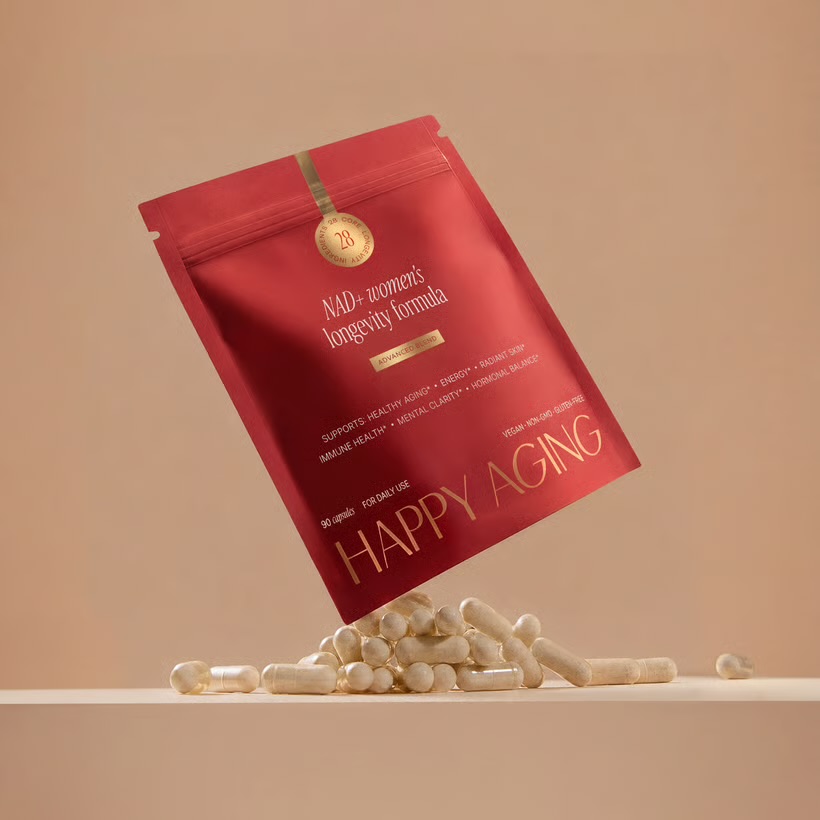
A DG Speaks Recommendation
I want more years to travel slowly, stay curious, and let the places I visit become more than a view
I partnered with Happy Aging to share products that support energy, vitality, and an active life shaped by movement, reflection, and meaningful discovery.
Slow Travel Gives Rest a Place in the Itinerary
Busy travel can turn rest into evidence that I am wasting the trip. Every quiet afternoon seems to compete with a museum, neighborhood, restaurant, or landmark I might never have another chance to see.
A slower itinerary makes recovery part of the experience. I can sleep later, spend an afternoon writing, do laundry, or stay inside when my body needs a pause.
Rest protects my attention. When I am depleted, I become less patient, less observant, and more likely to treat the destination as a series of obstacles between me and the next plan.
Making room for rest allows curiosity to remain generous. I can engage with the place without demanding that my body perform constant enthusiasm.
A Better Way to Arrive
By the end of that longer stay, I had not seen everything. Entire neighborhoods remained unexplored, museums stayed on my list, and recommendations continued appearing faster than I could follow them.
I no longer experienced that incompleteness as failure.
Slow travel taught me that understanding a place does not come from exhausting every possibility. It grows through attention, repetition, context, and enough humility to recognize what will remain outside my knowledge.
The city had become real because I had encountered more than its highlights. I had bought groceries, waited for buses, returned to familiar streets, lost time in conversation, and spent ordinary hours that produced nothing worth adding to an itinerary.
Those hours mattered.
They allowed the place to exist without constantly presenting itself to me. I began noticing daily rhythms instead of searching only for exceptional moments.
A better way to arrive begins with humility. I am entering a place that was complete before my plane landed and will continue after I leave.
The point is not to conquer the city, collect enough proof, or transform every encounter into a story about myself.
I want to meet the place.
Meeting it means accepting that the relationship will remain partial. I can listen, learn, return, and carry something meaningful home without claiming that I now fully understand.
Slow travel gives that relationship time to develop. It replaces urgency with attention and allows curiosity to become less extractive.
I may leave with fewer photographs than a busier trip would have produced.
I often leave with a clearer memory of how the morning sounded, where people gathered, what daily life required, and which questions followed me home.
That feels closer to understanding.
Continue exploring stories about slow travel, cultural curiosity, mindful travel, and the practices that help a destination become more than a backdrop through DG Speaks Travel.