The Winter Meal That Helps Me Slow Down
One cold evening, I stood in the kitchen with no desire to cook quickly.
The day had already asked enough of me. I did not want another task measured by efficiency, and I was not interested in assembling something I could eat while standing over the counter. Outside, darkness had arrived earlier than I wanted. Inside, the rooms felt quiet and slightly too cool.
So, I took out a heavy pot.
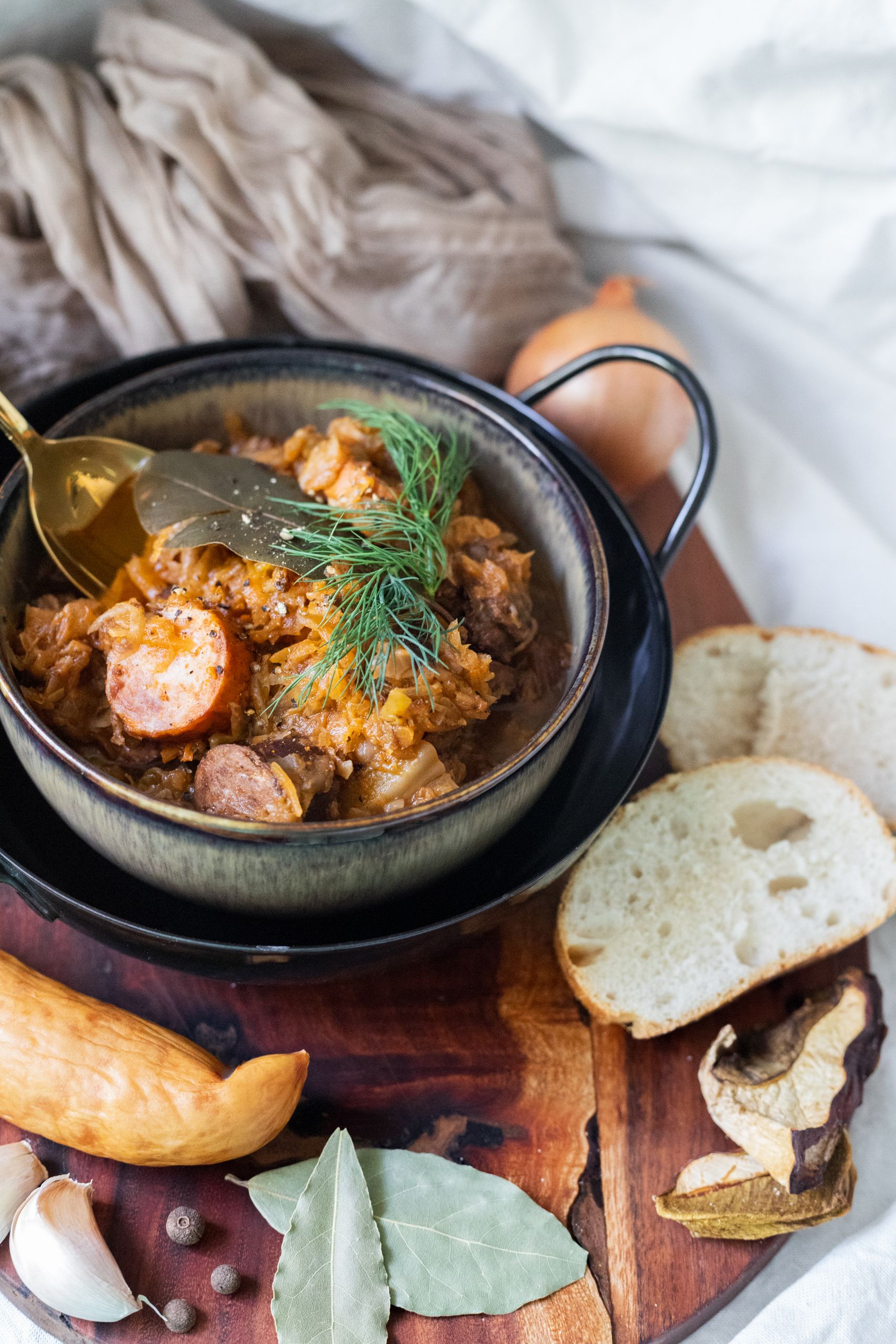
I began with onions, letting them soften slowly instead of turning up the heat because I was impatient. Then came garlic, herbs, vegetables, broth, and the ingredients that would need time before they tasted like they belonged together.
For a while, nothing remarkable happened.
The pot simmered. Steam gathered beneath the lid, and the smell began moving beyond the kitchen. Gradually, the house felt different. It had not become warmer in any dramatic way, yet the air carried the promise that something comforting was being made.
By the time I filled a bowl, the day had softened around the edges.
That is the quiet authority of a winter meal. It does not beg for speed. Instead, it asks for simmering, roasting, stirring, waiting, and letting the house smell like someone is taking care of it.
The Pot Asked Me to Stop Fighting the Evening
I am not always good at adjusting my pace to the season.
Winter darkens the sky early, but I continue expecting myself to carry summer energy into the night. I want the same productivity, movement, and willingness to go back outside after the day has already become cold.
Then, the body begins resisting.
I feel more drawn to home, softer light, warm food, and fewer transitions. Even so, part of me interprets that desire as laziness rather than seasonal wisdom.
That evening, the pot gave me something useful to do while also asking me to remain still.
I could not rush the meal without changing it. The onions needed to lose their sharpness. The vegetables required time to soften, while the broth needed to deepen beyond hot water and seasoning.
Instead of arguing with the pace, I finally accepted it.
Some Foods Refuse to Become Themselves Quickly
Soup, beans, braised meat, roasted vegetables, and stew all understand something modern life tries to make me forget.
Time is not always an inconvenience.
Sometimes, it is one of the ingredients.
A pot of beans cannot be persuaded by urgency. Tough meat does not become tender because I have somewhere else to be. Even vegetables need enough time in the oven for their edges to brown and their natural sweetness to emerge.
When I rush them, I get food that is technically cooked but not fully transformed.
Winter meals teach through that difference.
They remind me that readiness and completion are not always the same thing.
The House Begins Eating Before I Do
Long before the first bowl reaches the table, the house receives the meal.
The scent enters the hallway, settles into fabric, and reaches anyone walking through the door. Onions become sweet in the pot. Garlic loses its rawness, while herbs release themselves slowly into the broth.
That aroma creates anticipation.
Someone may ask what is cooking before they have removed their coat. Another person lifts the lid even though I already said the food is not ready.
The meal becomes present before it becomes edible.
I think that is one reason winter cooking feels so connected to care. Nobody experiences only the finished plate. They also experience the hours of preparation surrounding it.
The Smell Carries Me Back Before the Taste Does
Some food memories live more strongly in the air than on the tongue.
A familiar combination of garlic, broth, herbs, or something roasting can return me to another kitchen before I understand where my mind has gone.
The memory does not always arrive as a complete scene. Sometimes, it is only a feeling: being inside while the weather changed outside, waiting for dinner, or knowing that someone had been in the kitchen long enough to make the whole house smell different.
That is part of what I mean when I write about the food memories that continue following us home.
Recipes travel through families and across borders, but memory does not live only in measurements. It survives in the sound of a spoon against a pot, the fog gathering on a window, and the scent that tells us dinner is almost ready.
The Recipe Was Never the Whole Lesson
Many slow-cooked meals depend on knowledge that rarely appears on the page.
A written recipe may tell me to simmer for an hour. It cannot always explain how the broth should smell when the flavors have settled or what the meat should feel like when it finally gives way beneath a fork.
Those judgments come through experience.
Someone had to watch another cook. They learned when to add more water, how to recognize that the heat was too high, and why a dish that tasted flat did not always need more salt.
“Let it cook a little longer” may be the most important instruction in the kitchen.
It is also the least precise.
Yet, generations of cooks have understood exactly what it means.
A Bowl Holds the Evening Differently
Winter food often belongs in bowls.
There is something about the shape that changes how I receive the meal. A plate spreads food across a surface. A bowl gathers it inward, holds the heat, and sends steam toward my face.
I wrap both hands around it before taking the first spoonful.
That gesture is part of the comfort.
The bowl feels contained at a time of year when the outside world can feel harsh, dark, and expansive. Soup, rice, beans, meat, vegetables, and broth settle together rather than remaining in separate sections.
Everything meets in the center.
Bread Turns the Last Spoonful Into a Ritual
A winter bowl nearly always makes me want bread.
It does not have to be homemade or beautiful. A crusty loaf, biscuit, cornbread, flatbread, or ordinary slice warmed in the oven can change the meal.
I tear it rather than cutting it neatly. Then, I use the final piece to gather whatever remains at the bottom of the bowl.
That last motion feels practical and deeply satisfying.
The meal does not end with broth left behind. The bread carries it away, and the bowl returns nearly clean.
Nothing dramatic has happened, yet the table feels complete.
The Cook Needs Comfort Too
Images of winter cooking often center the comfort received by everyone else.
The family gathers. Bowls arrive, and someone praises the smell of the house. Meanwhile, the person who created that warmth may still be standing.
She checks the bread, refills drinks, clears dishes, and remembers who wants more. By the time she sits down, the food may no longer be hot.
Historically, women have carried much of this work. We have created the atmosphere, planned the meals, stretched the ingredients, and made care appear effortless.
However, comfort for everyone else should not require exhaustion from one woman.
That is why my reflections on women, rest, and the strength found in softness belong beside this story.
The cook deserves the warm bowl too.
Leaving the Pot Alone Can Be Part of the Work
Once I finish chopping, browning, and seasoning, slow cooking creates an unusual instruction.
Wait.
The food does not need constant interference. In fact, too much attention can work against it. Lifting the lid repeatedly releases heat, while aggressive stirring may break ingredients that need time to settle.
So, I leave the pot alone.
At first, that feels almost irresponsible. If I am cooking, should I not remain visibly busy?
Yet, the meal continues without my performance.
While it simmers, I can wash the cutting board, sit down, read, or do absolutely nothing for a few minutes.
The food is still developing.
Rest does not mean the process has stopped.
The Simmer Does More Than the Boil
A full boil looks productive.
It moves loudly, sends steam into the air, and gives the impression that something important is happening. A simmer appears modest by comparison.
Still, low heat often creates the better meal.
It allows flavors to deepen without destroying the texture. Meat becomes tender rather than tightening, and broth reduces gradually instead of disappearing before the ingredients have finished cooking.
I recognize the larger lesson.
Intensity is not always effectiveness.
Some of the most important work happens quietly enough that nobody notices it in the moment.
Winter Food Knows How to Wait for Me
One reason I love slow-cooked meals is that they rarely belong to only one evening.
Soup waits in the refrigerator. Stew becomes richer overnight, and beans often taste more settled the next day.
When I return to the pot on Tuesday, I receive Sunday’s labor again.
The earlier version of me chopped the onions, browned the meat, added the seasoning, and cleaned the kitchen. The current version only needs to warm a bowl.
That feels like care moving through time.
A day when I had more energy supports one when I have less.
The Best Leftovers Do Not Feel Left Behind
Some foods diminish after the first serving.
Winter dishes often mature.
As they rest, the flavors continue moving toward one another. Spices become less separate, broth thickens, and every ingredient begins carrying more of the whole dish.
The next bowl may taste better than the first.
Because of that, leftovers do not feel like a compromise. They feel like the meal reaching its full expression after I stopped watching.
The Freezer Holds a Night I Cannot Predict
Whenever possible, I place at least one portion in the freezer.
At that moment, I do not know who I will be when I return to it.
Perhaps I will be tired, sick, busy, or simply unwilling to begin dinner from nothing. Whatever the reason, the meal will be waiting.
A frozen container may not look meaningful when I place it on the shelf.
Weeks later, it can feel like rescue.
That is the kind of practical self-care I trust: not an abstract promise to treat myself better, but food prepared for a future version of me who will still need to eat.
Convenience Does Not Cancel the Care
Slow cooking does not require me to perform hardship.
I can use canned beans, prepared broth, frozen vegetables, pre-cut ingredients, or a rotisserie chicken. Those choices do not make the meal dishonest.
Sometimes, convenience is what gives me enough energy to cook at all.
There is no prize for arriving at the table exhausted because I insisted on making every component from scratch.
The purpose is nourishment.
The ingredients can meet me where I am.
A Good Pot Makes the Kitchen More Forgiving
I do not believe anyone needs an elaborate collection of tools before cooking a comforting meal.
Still, certain pieces make the process easier. A heavy pot distributes heat more steadily. A sharp knife reduces effort, and dependable containers make leftovers safer and simpler to store.
I keep practical cooking tools in my Amazon shop, choosing items that solve actual kitchen problems rather than creating more clutter.
A useful tool should support the cook.
It should not become another standard the meal must meet.
Starting With the Protein Can Simplify the Whole Pot
Sometimes, the hardest part of dinner is deciding where to begin.
Once I know which protein I have, the meal starts forming around it. Chicken suggests soup, roasting, or a braise. Beef may become stew, while pork can cook slowly with herbs, vegetables, and broth.
When I want proteins delivered for future meals, I may use ButcherBox.
Having the ingredient available does not make the meal for me.
It removes one decision, which can be enough to help me begin.
Winter Comfort Does Not Have to Mean Heaviness
Not every comforting meal needs to be rich.
A clear broth can warm me. Lentils, beans, roasted vegetables, or grains may offer the kind of satisfaction I need without leaving me sluggish.
Comfort comes from more than fat, cream, or a large portion.
It can come from temperature, familiarity, seasoning, and the knowledge that I took time to feed myself.
Some nights, comfort is simply a bowl that tastes like I expected it to.
A Little Brightness Keeps the Pot Awake
Slow-cooked food can become deep, rich, and slightly muted.
Near the end, I often need something bright.
A squeeze of lemon, a splash of vinegar, fresh herbs, or a spoonful of yogurt can wake the entire dish. The contrast does not erase the richness. It makes that richness easier to appreciate.
Winter meals need light too.
Sometimes, it arrives as acidity rather than sunshine.
The Oven Makes the House Answer the Weather
On especially cold days, turning on the oven changes more than dinner.
The kitchen becomes warmer. The windows may fog, and the cold outside feels farther away from the room where I am standing.
Roasted vegetables begin browning. Bread warms beside them, or a covered dish slowly transforms behind the oven door.
The weather has not changed.
However, the house has responded.
Cooking becomes one way of creating an interior season that feels gentler than the one beyond the glass.
Darkness Feels Different When Something Is Simmering
Winter darkness can arrive before I feel finished with the day.
At four or five in the afternoon, the light begins disappearing, and my body interprets that darkness before my schedule does.
Some evenings, it feels peaceful. On others, it makes the day feel smaller and more isolated.
A simmering pot gives that darkness a center.
The kitchen light glows. Steam rises, and there is somewhere warm to direct my attention.
Food does not erase the long night.
It helps me inhabit it.
Eating Alone Still Deserves Ceremony
I do not need a full table to make a winter meal matter.
When I cook only for myself, I can still choose a bowl I like, warm the bread, and sit down rather than eating over the stove.
Solitude does not require neglect.
In fact, preparing a meal for one can reveal whether I believe my own comfort deserves effort when nobody else is present to witness it.
I want the answer to be yes.
A Pot Makes Hospitality Less Complicated
Soup and stew are generous foods.
They do not demand perfect plating or an exact number of guests. If someone arrives, another bowl can often join the table.
The bread gets divided into smaller pieces. The pot stretches, and nobody needs to apologize for the informality.
This kind of hospitality feels honest to me.
It does not ask the host to create a performance. The meal is already warm, abundant, and ready to be shared.
Sometimes the Most Helpful Words Are “I Brought Food”
When someone is grieving, overwhelmed, ill, or carrying more than they can manage, advice may not help.
A meal can.
Soup travels well. Stew reheats easily, and bread makes the container feel complete. The food does not solve the situation, but it removes one decision from the day.
It says, “You still need to eat, and you do not have to figure that out tonight.”
Care becomes tangible enough to hold.
Cozy Winter Stories Can Hide Real Hardship
I love the image of a warm kitchen while cold weather presses against the windows.
Still, winter is not gentle for everyone.
Heating costs rise. Transportation becomes harder, and people without stable housing face genuine danger. Some households lack reliable appliances, adequate food storage, or enough money to prepare the abundant meals celebrated in seasonal photographs.
Slow cooking also requires time.
A person working multiple jobs or carrying heavy caregiving responsibilities may not have hours to stay near a pot.
I do not want to turn winter comfort into a moral standard.
Food made in a microwave, opened from a can, collected from a community kitchen, or bought already prepared can still provide nourishment and care.
The Meal Should Support Life, Not Become Another Performance
There are countless images of perfect winter cooking.
The kitchen is spotless. The bread is handmade, and every vegetable appears rustic in exactly the right way.
Real meals are not always beautiful.
Soup splashes the bowl. The bread tears unevenly, and something may brown more than intended.
None of that makes the food less valuable.
A winter meal needs to warm, satisfy, and help carry people through the day. It does not need to prove the cook’s worth.
The Pantry Gives the Season a Safety Net
During winter, I appreciate ingredients that can wait.
Rice, beans, pasta, broth, spices, canned vegetables, and root crops allow a meal to take shape even when I do not want to make another trip to the store.
A useful pantry does not need to be large.
It needs to contain food I understand.
Knowing how to turn a few dependable ingredients into something warm creates a quiet form of security.
Seasonal Eating Helps Me Stop Demanding Summer From Winter
I do not always like the changes winter brings.
I miss longer evenings, lighter clothing, and the ease of stepping outside without preparing for the weather.
Yet, resisting the season only makes me feel as though life is happening incorrectly.
A winter meal helps me meet the month on its own terms.
Instead of insisting that I should want the same routines all year, I can allow colder days to shape my appetite, energy, and desire for home.
Seasonal living does not mean surrendering my plans.
It means acknowledging the conditions in which I am making them.
The Food Became Better Because I Left It Alone
When I returned to the pot that evening, the meal had changed.
The broth had become fuller. Vegetables that once tasted separate now carried the seasoning of the entire dish, and the ingredients no longer seemed like items I had placed together.
They had become a meal.
I had not watched every part of that transformation.
Some of it happened while I sat in another room.
That felt important.
Not everything needs my constant supervision to become what it is meant to be.
The Table Offered a Place to End the Day
I filled a bowl, added bread, and sat down.
Nothing outside the kitchen had been solved. The responsibilities waiting for me still existed, and the winter darkness remained beyond the window.
Still, the day had gained a stopping point.
The meal created a boundary between what I had already carried and what could wait until morning.
With each spoonful, I felt myself arrive more fully inside the evening.
Why Winter Asks for Slowness
A winter meal does more than warm the body.
It changes the atmosphere around the body. The pot simmers, the house fills with scent, and time begins to feel less like something chasing me.
Soup, beans, roasted vegetables, braised meat, stew, and warm bread all refuse to apologize for needing time. They soften, deepen, and become more complete because nobody forced them to hurry.
That evening in the kitchen reminded me that I do not always need to resist the season.
I can lower the heat.
I can let the food cook while I sit down. I can accept that darker days may ask for warmer meals, quieter nights, and a pace that looks less impressive from the outside.
Winter asks for slowness whether I want to admit it or not.
A good meal helps me stop arguing.
Instead, I can hold the bowl in both hands, feel the steam against my face, and trust that some things become richer only after they have been given enough time.
Explore more stories about seasonal cooking, food memory, and the care carried through everyday meals in DG Speaks Food. You can also read more about rest, culture, and the changing rhythms of daily life through DG Speaks Culture, or discover how seasons shape the experience of place in DG Speaks Travel.