Why I Am More Interested in Belonging Than Popularity
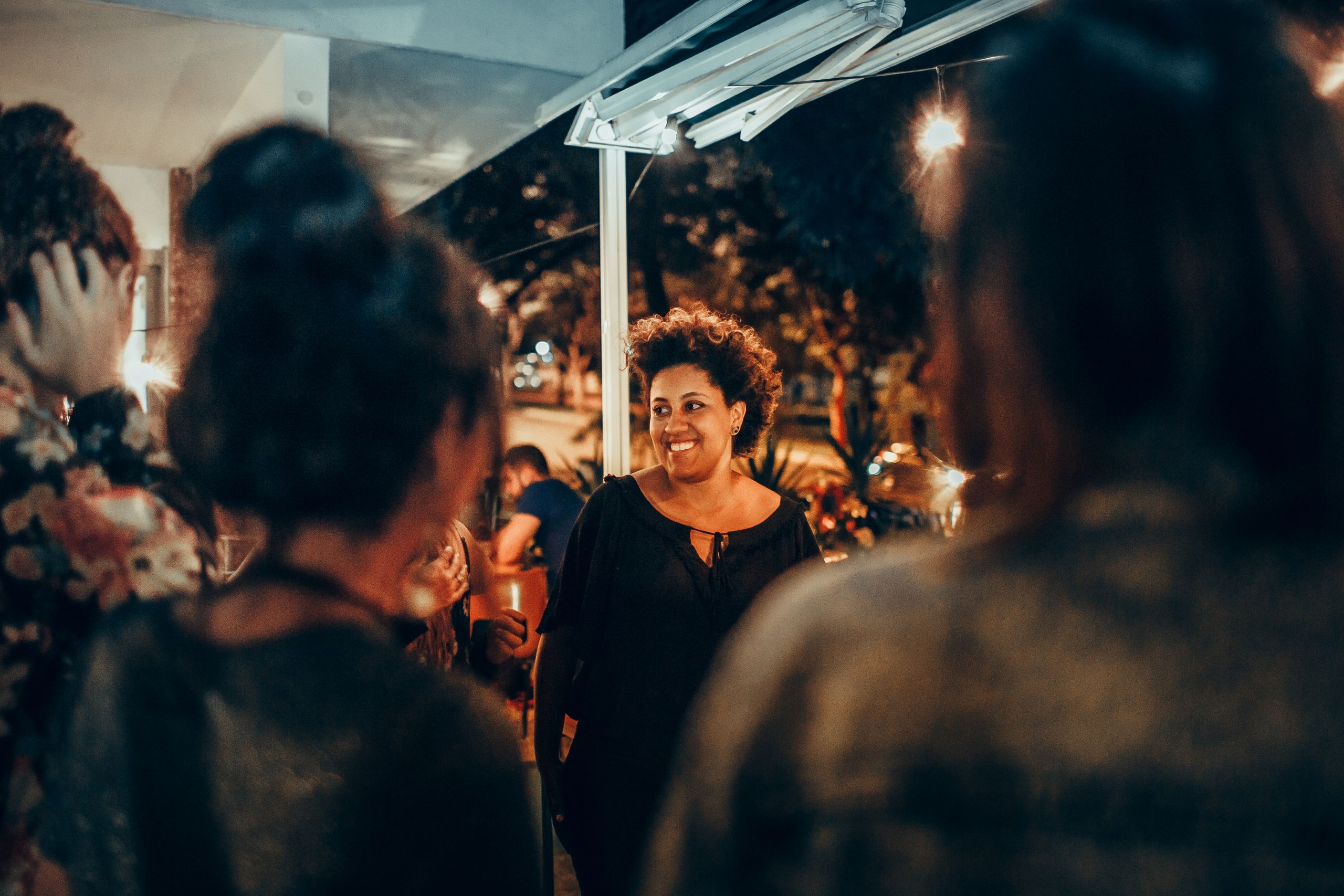
I once stood in a room where several people recognized my work, complimented what I had created, and asked thoughtful questions about what I planned to do next. Their attention felt good. I would be dishonest if I pretended otherwise.
Yet I left feeling strangely untouched.
Everyone seemed familiar with the public version of me. They knew the accomplishments, the projects, the stories, and the practiced language I use when introducing my work. Few people knew whether I felt tired, uncertain, lonely, or simply ready to stop explaining myself.
That distinction stayed with me long after the event ended.
I am more interested in belonging than popularity. Attention can excite and affirm me, but it cannot create home by itself. Choosing belonging over popularity feels like a grown woman’s decision because visibility no longer satisfies me when my real life has nowhere to breathe.
The Room That Knows My Name
A room that knows my name recognizes more than my job title or public accomplishments.
Someone notices when I become unusually quiet. A friend remembers the difficulty beneath the polished announcement, the story behind the achievement, or the joke I make when I am trying not to reveal how overwhelmed I feel.
That kind of recognition changes how I enter a space. I no longer need to introduce my value every time I arrive.
People already understand that my worth extends beyond the work I produce. Contribution remains welcome, but constant proof does not become the price of admission.
Privacy still matters. Nobody needs access to every detail of my life. Belonging simply allows me to arrive as a person before anyone asks me to become a performance.
Attention Is Not the Same as Home
Attention can resemble belonging because both involve being noticed. The difference becomes clear when the performance ends.
Popularity often depends on what I continue to provide. People may come for inspiration, expertise, humor, beauty, access, or a polished version of confidence that reassures them.
Home does not vanish when I become less entertaining.
A community that feels like home can hold the ordinary version of me. No new announcement, perfect image, or useful answer must accompany every arrival.
This connects with my reflections on how community resilience begins before a crisis. Strong communities develop through repeated attention during ordinary life, not only through dramatic gestures after something goes wrong.
Belonging grows through the same steady practice. Someone checks in before an emergency. Friends remember one another without waiting for a public reason.
Popularity Can Still Produce Loneliness
Wide recognition does not guarantee a safe place to rest.
Public visibility creates movement. Messages arrive, invitations appear, and new people express enthusiasm about connecting with the work.
None of those things automatically produce intimacy.
Some people seek proximity rather than relationship. They enjoy access to the visible version of a person while showing little curiosity about the private human being underneath it.
Maintaining everyone’s impression eventually becomes exhausting. Fatigue, uncertainty, and ordinary needs begin to feel inconvenient because they interrupt the version people expected to encounter.
A crowded room can still leave a woman emotionally alone.
Black Women Are Often Welcomed for What We Provide
People frequently praise Black women for strength, insight, creativity, resilience, and leadership. Admiration may sound generous while quietly creating another set of demands.
Our voices receive enthusiastic support when we educate, organize, inspire, solve problems, or make a space more interesting. That welcome often weakens when we need care, express anger, establish limits, or decline responsibility for the emotional comfort of everyone around us.
Conditional usefulness does not create belonging.
My reflections on why Black women storytellers deserve more than temporary attention grow from this tension. Visibility matters, but visibility without care can become another form of extraction.
I do not want celebration that lasts only while my voice produces something other people can consume.
The storyteller should remain human after the story ends.
Community Without Performance
Real community makes room for me to be useful, honest, funny, tired, brilliant, uncertain, and still loved.
Different parts of my personality can appear without threatening my place. I can offer insight without becoming the permanent expert, and I can ask for help without allowing need to erase competence.
No person remains cheerful, powerful, productive, or available every day.
Communities built around performance become fragile because the relationship depends on everyone continuing to play an assigned role. As soon as one person changes, rests, or refuses, the connection weakens.
Belonging creates space for movement. People can grow, fail, recover, rest, and become more complicated without immediately losing access to one another.
Belonging Requires Participation
I do not want to romanticize community as something other people simply give me.
Belonging also asks me to participate.
I need to show up, listen, contribute, remember, and remain present when someone else no longer entertains or benefits me. Care must move in more than one direction for a relationship to deepen.
Contribution does not need to look equal during every season. One person may have more energy, money, time, or capacity at a particular moment.
Still, no community can thrive when one member gives continually while everyone else consumes.
I want relationships where usefulness circulates. One friend may offer practical help, another brings humor, and someone else creates the quiet space where honesty becomes possible.
Participation turns an idea of belonging into a lived practice.
Public Life Complicates the Search for Home
Working publicly requires some visibility.
I share stories, ideas, images, travels, opinions, and professional projects. That openness creates opportunity and connects me with people I might never meet otherwise.
Visibility can also create confusion about access.
Someone may feel that knowing my work means knowing me. A warm online exchange can resemble intimacy even when neither person has built the trust that a genuine relationship requires.
I appreciate the people who engage with what I create. Audience and community can overlap, but they do not automatically mean the same thing.
A following supports the work. Belonging supports the person doing it.
Both matter, but one cannot replace the other.
Applause Can Distort Alignment
Public response arrives quickly and offers measurable proof.
Likes, comments, invitations, praise, and growth suggest that something is working. Alignment speaks more quietly.
A choice can feel deeply right while attracting little attention. Another decision may earn enthusiastic approval while moving me farther away from the life I actually want.
Reflection helps me recognize the difference.
Quiet practices through Calm can help me settle beneath the noise long enough to ask whether I feel grounded or merely rewarded. Praise can arrive so quickly that the distinction becomes difficult to hear.
Creative tools from my Amazon shop support the professional work I still want to share. No product, platform, or metric can tell me whether that work still belongs inside the life I want to live.
Applause tells me that people responded. Alignment asks whether I still recognize myself in what they applauded.
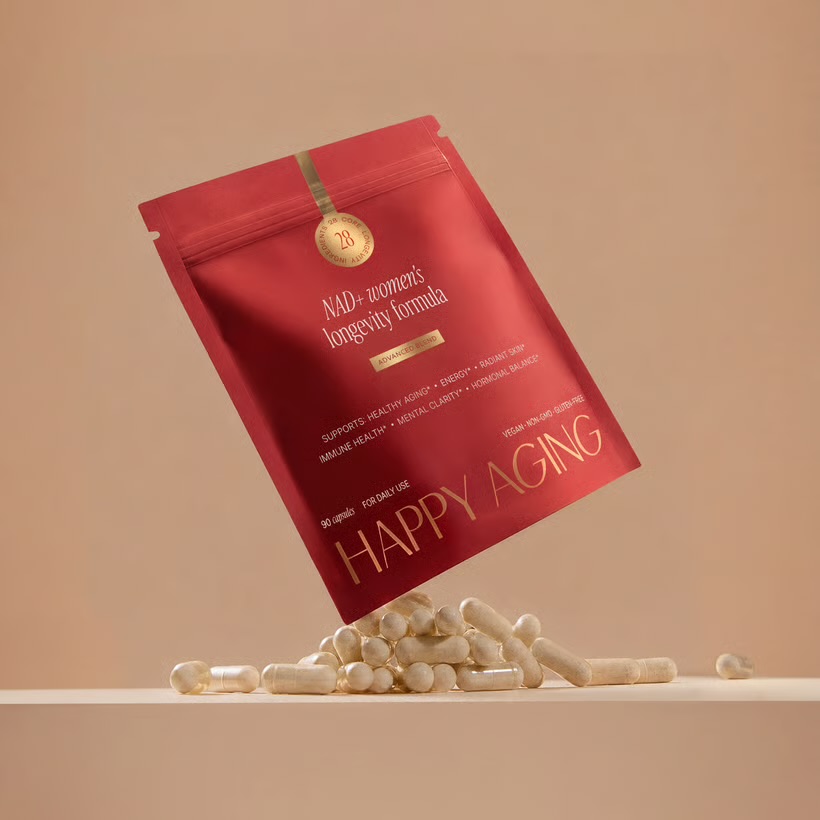
A DG Speaks Recommendation
I want more years to build real community, nurture meaningful relationships, and live where my whole self can belong
I partnered with Happy Aging to share products that support energy, vitality, and a life rooted in connection, purpose, and the people who make it feel full.
Not Every Room Deserves My Effort
For a long time, I assumed that difficulty belonging meant I needed to work harder.
Perhaps I could become more useful, agreeable, entertaining, or easier to understand. Maybe enough effort would eventually convince the room to make space for me.
Some rooms do not want my full presence.
They welcome the parts of me that preserve the existing order and resist anything that asks the group to change. Staying longer does not always transform conditional access into belonging.
Sometimes leaving protects me better than another attempt to prove myself.
Departure does not mean I failed to connect. It may mean I finally recognized that the room demanded too much in exchange for acceptance.
I no longer want to exhaust myself inside spaces committed to misunderstanding me.
The Antidote Is Not Isolation
Rejecting popularity does not erase my need for people.
Independence can become its own performance, especially when disappointment makes solitude feel safer than connection.
I value time alone. Solitude gives me room to think, recover, and hear my own voice.
Isolation removes something different.
Without repeated contact, nobody notices subtle changes, shares the burden, or remembers a story differently because they lived part of it beside me.
The antidote to shallow attention is intentional relationship, not complete withdrawal.
I want fewer spaces where everyone knows my name but nobody knows my life. At the same time, I want enough openness to let trustworthy people move closer.
Depth Takes Time
Popularity can grow quickly. Belonging rarely follows the same pace.
Depth develops through repetition, repair, and ordinary presence. People learn one another during small interactions that may never appear important from the outside.
Someone follows through. A disagreement happens without destroying the relationship, and a private truth remains protected after one person shares it.
Trust accumulates through those moments.
Our culture often rewards instant intimacy and public declarations of connection. Genuine depth usually looks quieter.
It appears in the person who remembers, the friend who checks in, and the community that notices an absence without demanding an explanation first.
Time reveals whether care can survive inconvenience.
I Want the Room Where My Real Life Can Breathe
Looking back, I do not dismiss the room where people recognized my work. Their attention felt sincere, and I remain grateful for it.
I simply understand what that experience could and could not provide.
Recognition opens doors, builds careers, and helps meaningful work reach more people. It cannot create intimacy, mutual responsibility, or emotional safety on its own.
Choosing belonging over popularity does not require me to reject visibility. It asks me to stop mistaking visibility for love.
I still want to share my work. I want the stories to connect, the ideas to travel, and the right people to understand what I am building.
I also want spaces where none of those achievements must arrive before someone offers me a chair.
Give me a room where I can feel tired without apologizing, speak brilliantly without shrinking, sit quietly without disappearing, and contribute without becoming the only person expected to give.
Depth over applause does not always feel easy in a public world. Praise arrives quickly, while belonging develops through the slower work of attention, trust, and mutual care.
I trust the slower thing more.
I want the room that knows my name, respects my boundaries, recognizes my humanity, and leaves enough space for my real life to breathe.
Continue exploring reflections on women, community, identity, and the places where we learn what it means to belong through DG Speaks Culture.