The Birthday Table That Tells the Truth
One year, I sat at my birthday table and looked around before anyone cut the cake. Plates waited in front of us. Someone had already started laughing too loudly. A candle leaned slightly to one side, and the food carried the familiar promise that, for at least a little while, we would all stay in the same place.
I remember feeling grateful, but gratitude was not the only emotion in the room. Another year of my life had passed, and I could feel it in a way that had nothing to do with the number written on the cake.
Birthdays have a way of gathering everything at once. Joy arrives, of course. However, memory comes too. So do grief, hope, disbelief, unfinished dreams, and the quiet realization that time continues moving whether or not we feel ready.
That is why a birthday table tells the truth. It reveals who shows up, what food feels like celebration, and how another year sits inside the body of the person being honored.
The Moment Before Everyone Starts Singing
There is always a strange little pause before the birthday song begins.
Someone turns off the lights. Another person fumbles with a lighter. A few people start singing too soon, while everyone else tries to find the same key. Meanwhile, the person at the center of the table smiles and waits.
I have always found that moment tender.
For a few seconds, everyone looks directly at you. You are expected to receive the attention, make a wish, and somehow summarize your hopes in the time it takes to blow out a candle.
That can feel joyful, but it can also feel vulnerable.
Birthdays ask us to acknowledge that we are still here. They also remind us of the people who are not. The celebration may include laughter and cake, yet the heart can hold several truths at once.
I have learned not to force myself into one emotion. I can feel grateful for another year and still grieve what did not happen. Hope can sit beside disappointment. Celebration does not require me to pretend that every part of life feels easy.
Another Year Settles Into the Chair
When I was younger, birthdays seemed to move me toward something. Each age promised a new freedom, milestone, or identity. I could not wait to become older because adulthood appeared to hold endless possibility.
Now, birthdays feel different.
I still welcome the future, but I also understand what a year can contain. Twelve months can bring extraordinary joy, painful endings, unexpected opportunities, and lessons I never requested.
Another year in the chair feels heavier because I know more.
Age has taught me that time does not move in a straight line. Some years create visible progress, while others rearrange us internally. We may accomplish less on paper yet grow in courage, patience, honesty, or self-respect.
Those changes rarely appear in birthday photographs. Still, they matter.
When I sit at my birthday table, I am not only celebrating the polished version of myself. I am honoring the woman who kept going through confusion, disappointment, reinvention, and uncertainty.
The Guest List Tells Its Own Story
Who shows up matters.
I do not mean that every person who loves us must attend every celebration. Life, distance, finances, work, and family responsibilities can keep people apart. Still, birthdays have a way of revealing who makes an effort to bring joy into our lives.
Some people arrive with gifts. Others bring food, laughter, or the willingness to help clean afterward. A friend may call from another city, while someone else sends a message at exactly the right moment.
Presence takes many forms.
Over time, I have become less interested in the size of the gathering. A crowded room does not always create closeness. In contrast, a small table can hold enormous love.
I want people around me who celebrate without competition. They do not reduce my joy, redirect attention, or make me feel guilty for receiving care.
That kind of community grows long before the candles appear. It develops through ordinary acts of reliability, honesty, and mutual support.
This is why celebration connects with the everyday relationships that build community resilience. Strong communities do not exist only for emergencies. They also know how to witness joy.
Some People Know How to Show Up for the Hard Parts
Many of us know who will answer the phone during a crisis. Fewer people know how to remain present when something good happens.
Joy can expose relationships in unexpected ways.
A person may support us while we struggle because that role feels familiar. However, our growth, success, confidence, or happiness may create discomfort. Suddenly, the conversation changes. Praise becomes faint, and enthusiasm feels forced.
That realization can hurt, especially on a birthday.
I have learned to value people who can hold both sides of life with me. They sit beside me through disappointment, yet they can also clap when I rise. My joy does not threaten them.
Those are the people I want at my table.
Celebration is relational. The food, decorations, and gifts create the setting, but the people determine whether the moment feels generous and safe.
The Food We Choose When the Day Belongs to Us
Birthday food reveals desire.
On ordinary days, we may eat whatever feels practical. We consider budgets, schedules, leftovers, and what needs to be used before it spoils. A birthday gives us permission to ask a different question: What would feel special today?
The answer may involve an elegant restaurant, a childhood favorite, a backyard cookout, or a meal prepared by someone who knows us well.
For some people, celebration tastes like seafood and sparkling wine. Others want fried chicken, greens, macaroni and cheese, or a cake made from a family recipe. A birthday meal does not need to impress strangers. It needs to mean something to the person being celebrated.
Food becomes part of the emotional language of the day.
A favorite dish says, “I know you.” A carefully prepared meal says, “Your joy was worth my time.” Even a simple breakfast can feel deeply loving when someone remembers exactly how we like it.
The Recipes That Bring Everyone Back
Some birthday dishes appear year after year.
They may come from tradition, habit, or the simple fact that no one wants to celebrate without them. Over time, the food becomes inseparable from the occasion.
A particular cake can carry us back to childhood. One bite may return us to a kitchen where relatives crowded around the counter and someone always tried to sneak frosting before the candles were lit.
Those sensory memories remain powerful because food stores emotion.
I write more about this connection in how food memories continue to follow us home. Flavor can unlock an entire scene before the mind finds the words to explain it.
Birthdays make that connection especially visible. We repeat meals because repetition creates continuity. Even when people move, families change, or years pass, the dish helps us recognize ourselves.
Cake, Candles, and the Beautiful Mess of Real Life
Social media often presents birthdays as perfectly coordinated productions.
The cake matches the flowers. Everyone wears the right colors. The table looks untouched, although a full meal supposedly happened there. Even the candles appear to burn at equal heights.
My real celebrations rarely look that controlled.
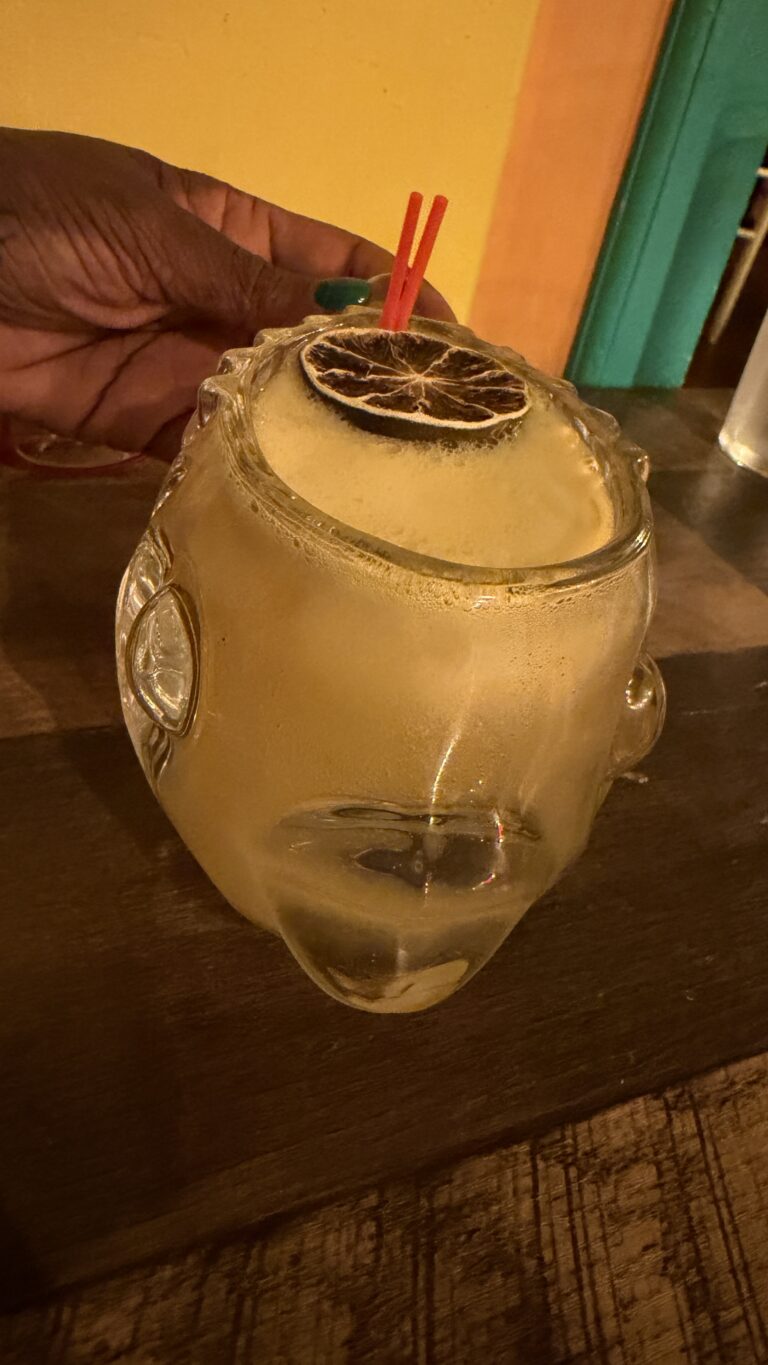
Someone arrives late. The cake shifts in the box. Food takes longer than expected, and a drink spills shortly after everyone sits down. Occasionally, the restaurant loses the reservation or the weather ruins the outdoor plan.
Still, a birthday does not require perfection to become meaningful.
In fact, the mistakes often become part of the story. We remember who dropped the serving spoon, which child blew out the candles too soon, and how everyone laughed when the carefully planned moment fell apart.
Perfection creates beautiful photographs. Real life creates memories.
I No Longer Need a Birthday to Prove Anything
There were years when I placed too much pressure on my birthday.
I wanted the day to prove that I was loved, successful, visible, or important. Every message mattered. A forgotten call could feel more painful than it should, while a disappointing plan seemed to represent the entire state of my life.
Eventually, I realized that no single day can carry that much weight.
A birthday may reflect certain relationships, but it cannot measure my full worth. The number of guests does not define the quality of my life. Expensive gifts do not automatically equal care, and a quiet celebration does not mean I am forgotten.
That understanding has made birthdays feel softer.
I can ask for what I want without turning the response into a verdict. I can create a day that suits me rather than performing celebration for an audience.
Some years, I may want a room full of people. During others, a beautiful meal, a thoughtful experience, and time to reflect may feel like enough.
A Birthday Trip Can Change the Shape of the Day
Travel offers another way to celebrate.
A birthday trip removes me from routine and gives the new year of my life a distinct setting. I remember the streets, flavors, sounds, and small surprises because the destination becomes part of the milestone.
The journey does not need to involve a luxury resort or an elaborate itinerary. A nearby city, cultural tour, cooking class, museum visit, or day on the water can create a memory that lasts longer than another physical gift.
Travel also gives me room to consider what I want from the year ahead. Away from familiar demands, I can hear myself more clearly.
When I want to explore tours, local experiences, or special activities, I browse options through GetYourGuide. A guided food walk, cultural experience, or day trip can turn a birthday into a deeper encounter with a place.
Experiences become part of our personal history. Long after the day ends, we can return to them through stories.
The Celebration Can Begin in My Own Kitchen
Not every birthday requires leaving home.
A table prepared with care can feel as meaningful as any restaurant. Home allows us to choose the music, invite exactly who we want, and build a meal around personal traditions.
I appreciate the intimacy of a home celebration. People can relax, return for seconds, and remain at the table without watching the clock.
Cooking also allows love to move through the hands.
Someone seasons the meat, another person prepares the sides, and somebody guards the dessert from curious fingers. By the time everyone sits down, the meal carries the effort of several people.
When quality meat sits at the center of the menu, ingredients from ButcherBox can support a celebratory dinner at home. Still, the real richness comes from the attention surrounding the meal.
The table says someone planned for us, made room for us, and wanted the day to feel different.
Honoring the Woman Beyond the Polished Parts
Birthdays often focus on accomplishments.
People ask what we achieved during the past year and what we plan to do next. Those questions make sense, but they do not capture the entire woman sitting at the table.
I want celebrations that also honor what cannot be placed on a résumé.
Maybe I learned to leave a situation that repeatedly diminished me. Perhaps I began listening to my body, setting boundaries, or resting without apology. I may have forgiven myself for a decision I made with the information I had at the time.
These internal victories deserve recognition.
A woman’s life contains more than her productivity. Her tenderness matters. So do her survival, curiosity, humor, pleasure, and willingness to begin again.
At my birthday table, I want space for the whole woman.
She does not need to hide the difficult year behind a bright dress and a perfect smile. Her complexity does not ruin the celebration. It gives the celebration meaning.
Some Birthdays Carry People Who Are Missing
Celebration can sharpen absence.
A person who once called every year may no longer be here. An empty chair can become especially visible when everyone gathers. Even the happiest meal may carry a quiet ache beneath it.
Grief does not disrespect joy. The two often live together.
I may laugh with the people around me while remembering someone who would have loved the moment. A dish, song, or familiar phrase can bring them close for a few seconds.
I no longer believe that I must push those feelings away to protect the celebration.
Memory belongs at the table too.
We can tell stories, cook a loved one’s recipe, or simply acknowledge that their absence matters. Doing so does not make the birthday sad. It makes the day honest.
Making a Wish I Can Help Come True
The traditional birthday wish remains private. We close our eyes, lean toward the candles, and ask the universe for something before the smoke rises.
I still enjoy that ritual.
However, age has taught me that wishes often require participation. Some dreams need courage, planning, money, consistency, or a difficult conversation. Others require me to stop waiting for permission.
Therefore, I have started thinking about birthday wishes differently.
What can I do during the next year to move closer to the life I want? Which choices would support the woman I am becoming? What must I release because it no longer belongs at my table?
The answers may not appear before the candles go out. Still, the questions give the new year of my life direction.
Letting the Day Belong to Me
Women often spend celebrations taking care of everyone else.
We plan the menu, manage the timing, answer questions, clean the house, and make sure guests feel comfortable. By the time the meal begins, the person being celebrated may feel exhausted.
I am learning to let my birthday belong to me.
That does not mean ignoring other people. Instead, it means allowing myself to receive.
Someone else can choose the cake, make the reservation, or wash the dishes. I do not have to supervise every detail. The celebration may unfold differently from how I would have arranged it, but care does not always need my management.
Receiving can feel surprisingly difficult when we are accustomed to providing.
Yet, birthdays offer a chance to practice. I can sit in the chair, accept the attention, and let people show me how they love.
The Table After Everyone Goes Home
Every celebration eventually grows quiet.
The candles have burned down. Plates wait beside the sink, and half a cake sits beneath its cover. Messages continue arriving on the phone, although the room no longer holds the same energy.
I often appreciate that final silence.
It gives me time to notice what the day meant. I think about who came, what made me laugh, and the moment when I looked around the table and felt fully present.
Sometimes, I also think about what felt missing.
Reflection does not make me ungrateful. Instead, it helps me understand what I want to carry forward and what I may choose differently next year.
The table reveals the truth, but it does not write the future. I can create new traditions, invite new people, and become more intentional about how I celebrate my own life.
Another Year, and Still Becoming
I do not want birthdays that honor only the polished parts of me.
I want celebrations with memory in them. Let the table hold laughter, grief, good food, imperfect plans, and the people who know something real about my life.
Let the cake lean a little. Allow someone to start singing in the wrong key. Give me a meal that tastes like care and enough time to look around before the moment passes.
Another year does not mean I have finished becoming. It means I have another chance to live with greater honesty, freedom, and intention.
That is what I want my birthday table to celebrate.
Not an idealized woman who solved every problem before the candles arrived. Instead, I want to honor the real woman in the chair: older, wiser, still curious, sometimes tired, deeply alive, and worthy of joy exactly as she is.
Explore more stories about flavor, memory, and gathering through DG Speaks Food. You can also discover reflections on identity and womanhood in DG Speaks Culture and ideas for meaningful celebrations away from home through DG Speaks Travel.