What I Am Leaving Behind at the End of This Year
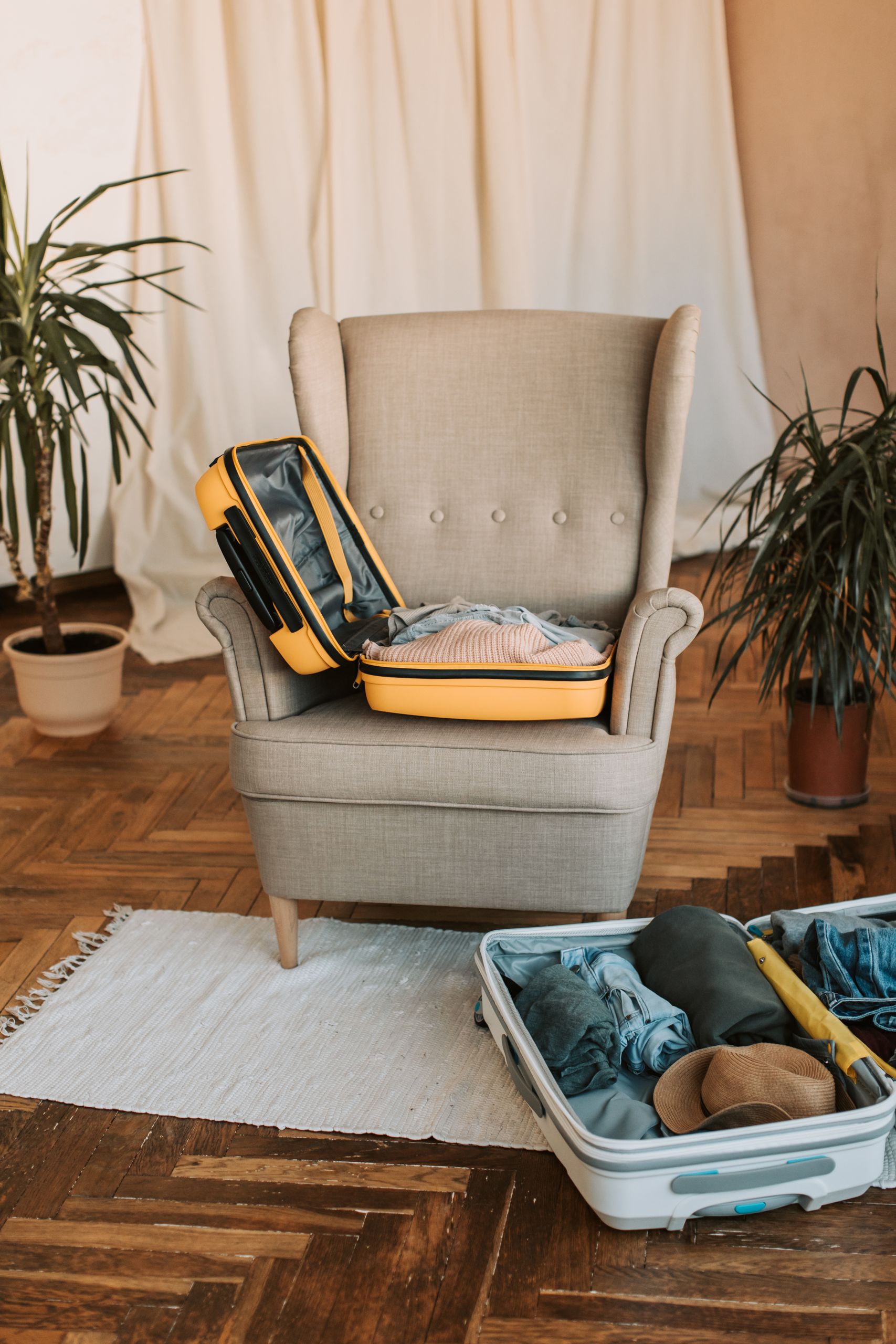
One evening near the end of the year, I opened a suitcase I had not used in months and found several things still tucked inside. A receipt, a folded train ticket, a loose button, and a small notebook had traveled home with me and then remained exactly where I had dropped them.
None of those objects was especially valuable, but each one carried a piece of a life I had already moved beyond. I stood there longer than necessary, deciding what deserved to stay and what had completed its purpose.
The moment felt familiar because the end of a year asks for a similar kind of sorting. Memories, habits, disappointments, ambitions, relationships, and unfinished questions all seem to gather at once, asking whether they belong in the next season.
This year-end reflection feels less like making a list and more like packing a bag. Not everything gets to come with me.
A Year-End Reflection Begins With What I Am Carrying
Before I decide what to leave behind, I need to notice what I have been carrying.
Some burdens became so familiar that I stopped recognizing their weight. An old disappointment, a promise I made to an earlier version of myself, or a goal that no longer fits can remain in place simply because I have not paused long enough to question it.
The end of the year creates a natural threshold. It invites me to ask whether each responsibility still belongs to me and whether every ambition deserves continued access to my energy.
Reflection is not only about remembering what happened. It is also about noticing what the year placed in my hands and deciding whether I still consent to carry it.
Not Everything Gets to Come With Me
Some things have reached the end of their usefulness.
I do not need to bring every resentment forward simply because it once protected me. A disappointment can teach me without becoming a permanent identity, and a mistake can remain true without requiring lifelong punishment.
There are also expectations that never belonged to me in the first place. Other people’s timelines, definitions of success, and ideas about what a woman should tolerate can take up enormous space when left unexamined.
Leaving something behind does not mean pretending it never mattered. It means acknowledging that the lesson may remain even when the burden no longer does.
The Lessons That Earned Their Place
Some lessons have become too important to abandon.
Rest matters. Food carries memory. Women need room to tell the full story. Community requires labor, and travel begins with attention before it begins with distance.
These truths did not arrive through one dramatic revelation. They emerged repeatedly through conversations, meals, difficult decisions, creative work, and moments when my body or spirit refused to continue at the pace I had demanded.
The lessons that earned their place are the ones that changed how I move through ordinary days. They affect what I say yes to, how I listen, and what I am no longer willing to call normal simply because it is familiar.
Storytelling Helped Me Understand the Year
A year can feel scattered while I am living it. Experiences happen quickly, overlap, and rarely explain themselves in the moment.
Writing gives me another way to see. When I return to an event through language, patterns begin emerging that urgency concealed.
This connects with my reflections on making room for independent voices through digital storytelling. Telling a story does more than preserve what happened. It allows me to decide what the experience means and whose perspective deserves to remain visible.
Storytelling cannot repair every loss or settle every question. It can keep the year from becoming a series of events I survived without understanding.
Rest Became a Truth I Could No Longer Postpone
I have often treated rest as something waiting beyond the next obligation. Once the deadline passed, the work slowed, or the problem was solved, I would finally stop.
Life rarely offers a clean ending to responsibility. One task closes while another opens, and the body can spend years waiting for permission that never arrives.
My reflections on why women’s rest and softness are not surrender became more personal this year. Rest is not an optional reward added after I have proven my usefulness.
It belongs inside the life I am building. I want to carry that understanding forward before exhaustion has to teach it again.
Food Memory Preserved What the Calendar Could Not
Some months blurred together until a smell, flavor, or photograph brought one particular day back into focus.
I remembered who sat at the table, what we were discussing, and how the room felt before I remembered the date. Food often held details the calendar could not.
This belongs beside my writing about how food memories continue following us home. Meals become markers because they connect the body to time in a direct way.
The year lived in more than achievements and setbacks. It also lived in coffee shared slowly, food prepared when someone needed comfort, and ordinary meals that made a difficult day feel manageable.
A Year-End Reflection Must Include What Cost Too Much
Not everything that worked was sustainable.
A project may have succeeded because I gave it more time than I truly had. A relationship may have continued because I absorbed the imbalance, while a full calendar may have looked productive because rest disappeared from the design.
Results can hide cost. Something may appear successful while depending on unpaid labor, emotional strain, financial sacrifice, or a version of me who is always available.
I want to enter the next year with a better understanding of price. The question is not only whether I can accomplish something, but whether I can live honestly with what accomplishing it requires.
Women Need Space That Does Not Demand Performance
This year reminded me how much women carry privately while continuing to appear capable in public.
We move through work, caregiving, friendship, grief, ambition, and uncertainty while often translating our experiences into versions that other people find easier to accept.
I want more spaces where women can speak without shortening the story. Support should not require polish, optimism, or the immediate conversion of pain into a lesson.
That commitment belongs in my next season. I want to listen more carefully, protect what is shared in confidence, and resist treating every woman’s survival as inspirational content.
Community Taught Me That Care Requires Structure
Care is often described through feeling, but communities survive through practice.
Someone remembers the details, shares information, brings food, offers transportation, makes the call, or notices when a familiar person has disappeared. That labor creates the sense of belonging people often describe as natural.
It is not natural. People build it.
I am carrying forward a deeper respect for the systems behind connection. Strong communities need distributed responsibility, resources, communication, and enough trust that support can begin before a crisis becomes visible.
Leaving Room for What I Do Not Know
Uncertainty may be the hardest thing to pack honestly.
I like plans because they give shape to possibility. A timeline can turn a distant goal into a series of actions, and preparation often protects me from avoidable chaos.
Still, life keeps reminding me that mystery travels with us. People change, opportunities arrive late, plans fail for reasons nobody could have predicted, and the path may become clear only after I have already begun walking.
I want to plan without pretending I can control every outcome. Leaving room for what I do not know is not a rejection of strategy. It is an admission that wisdom sometimes requires response rather than prediction.
What Looks Like Failure May Be Information
Some parts of the year did not become what I hoped.
A plan changed, an opportunity disappeared, or effort produced less visible progress than I expected. My first response may have been disappointment, but distance often reveals information that success would have hidden.
The experience may have exposed a weak foundation, an unrealistic timeline, or a goal I wanted more for what it represented than for the daily life attached to it.
I do not need to call every setback a blessing. Some losses remain painful. I can still carry forward the knowledge they made available.

A DG Speaks Recommendation
I want more years to reflect honestly, move forward lightly, and keep building a life that feels true
I partnered with Happy Aging to share products that support energy, vitality, and a life shaped by reflection, intention, and everyday well-being.
Quiet Helps Me Hear What Is True Enough to Carry
Reflection becomes difficult when noise fills every available space.
I need enough quiet to separate my own understanding from the expectations, urgency, and opinions surrounding it. A journal, long walk, slow morning, or guided practice through Calm can create room for that listening.
Practical tools from my Amazon shop may support writing, planning, home routines, and the everyday organization that helps reflection become part of real life.
No product can decide what belongs in the next year. Useful tools can simply reduce enough friction for the deeper questions to become audible.
A Lighter Bag for the Next Road
When I finished sorting the suitcase, I threw away the old receipt, placed the train ticket inside a journal, and returned the notebook to a shelf where I might actually use it. The bag became lighter without becoming empty.
That is what I want from this year-end reflection.
I am not trying to erase the year, declare every lesson complete, or enter the next one free from history. I want to carry what remains useful without dragging every unfinished emotion forward simply because I have not decided where else to place it.
Some lessons earned their place. Rest matters. Food remembers. Women need room. Community requires labor, and travel begins with the quality of my attention.
Other things can remain behind.
I can leave urgency that never produced clarity, goals that required too much self-abandonment, and relationships held together mainly by my willingness to carry the imbalance.
The next road will bring its own weight. New responsibilities, questions, opportunities, and losses will eventually enter the bag.
That makes room important.
I want enough space for surprise, beauty, changed plans, deeper friendship, meaningful work, and versions of myself I have not yet met.
A lighter bag does not mean a life without memory. It means choosing what deserves continued closeness.
I am carrying the truths that helped me become more honest. The rest can remain part of the story without becoming part of the luggage.
Not everything gets to come with me.
What does come should be true enough to carry.
Continue exploring reflections on year-end reflection, women’s lives, storytelling, rest, and the choices that shape an intentional life through DG Speaks Culture.