Why I Like Cities That Make Room for Water
One evening in a city built around water, I followed a street downhill until the buildings opened and the shoreline appeared. The air changed first. A breeze moved across the pavement, carrying the smell of salt, fuel, food, and something older that seemed to belong to the working edge of the city.
People had gathered without needing a formal event. Couples walked slowly, children leaned over railings, fishermen watched their lines, and workers moved between boats, restaurants, ferries, and market stalls. Some people had come to pass through. Others had clearly come to stay awhile.
I found a place to sit and watched the light shift across the surface. The water made the skyline feel doubled, but it also made the city feel more honest. Leisure, labor, trade, memory, and beauty occupied the same view.
I like a waterfront city because water changes how people gather. It gives the city a reflection, a breeze, a working history, and a place where people come to look outward while remaining connected to everything happening behind them.
A Waterfront City Meets Its Reflection at the Shore
Water changes the visual rhythm of a city. Streets end differently, buildings face outward, and the horizon creates a sense of openness that dense neighborhoods do not always provide.
Near the shore, people often slow down. They walk, sit, fish, eat, take photographs, and stare toward the distance as if the water might answer a question they have not spoken aloud.
That slower pace does not mean the waterfront is quiet. Ferries arrive, vendors serve customers, cyclists pass, and boats create their own traffic. Still, the presence of open water gives movement more room.
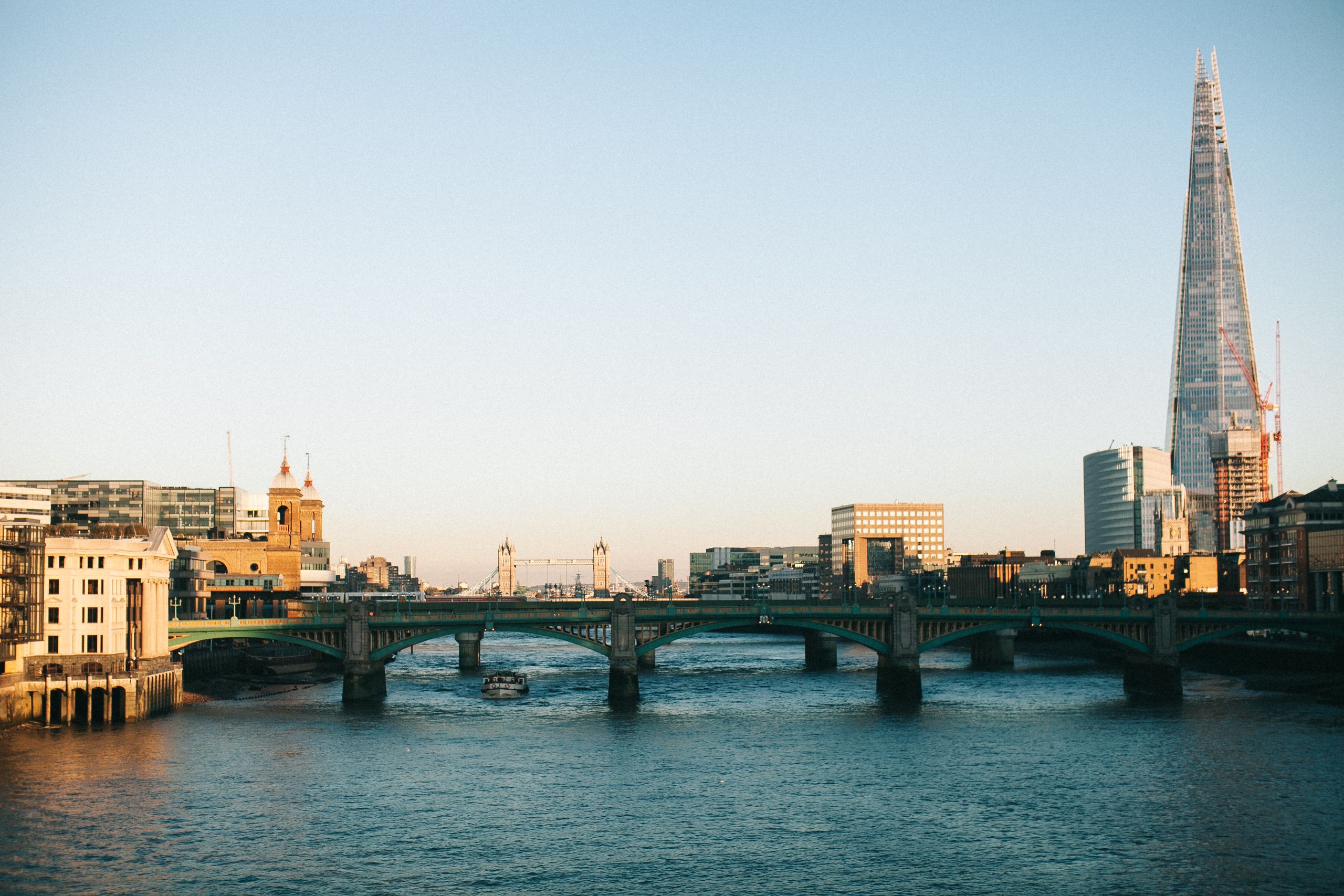
The city appears to look at itself there. Towers, bridges, warehouses, and lights return as reflections, softened by waves and changed by weather.
Waterfront Cities Carry Memory Through Movement
Water is rarely only scenery.
Rivers, harbors, lakes, and coastlines have carried people, food, goods, language, labor, and power. Ports connect cities to distant places, but they also reveal who controlled movement and who was forced into it.
A beautiful promenade may sit beside histories of migration, colonization, military expansion, trade, enslavement, industrial labor, or environmental damage. Those histories do not disappear when the waterfront becomes attractive to visitors.
This awareness shapes my approach to respectful curiosity in cultural travel writing. I want to enjoy the view without treating beauty as evidence that the past was gentle.
The water has carried celebration and possibility. It has also carried separation, extraction, and loss.
A Waterfront City Often Begins as a Working City
Many waterfronts existed as workplaces long before they became destinations for leisure.
Dockworkers loaded cargo, fishers brought in the day’s catch, shipbuilders repaired vessels, and market workers moved food from boats into the city. Warehouses, rail lines, factories, and customs buildings developed around the practical needs of trade.
That labor shaped neighborhoods and family histories. Entire communities grew around shifts, tides, seasons, and the uncertainty of work dependent on weather and global markets.
When old industrial areas become restaurants, apartments, museums, or entertainment districts, the transformation can feel exciting. New uses may preserve buildings that would otherwise disappear.
Still, redevelopment should not erase the people whose work made the waterfront valuable in the first place.
Food Tells the History of a Waterfront City
Waterfront food carries geography directly onto the plate.
Fish markets, seafood stalls, dockside restaurants, and regional dishes reveal what the water produces, what local people have learned to preserve, and how trade introduced ingredients from elsewhere. Even a simple meal can contain centuries of exchange.
Food memory becomes especially powerful in port cities because recipes travel with people. Sailors, migrants, merchants, laborers, and families bring techniques, spices, and eating traditions that settle into the local cuisine.
This connects with my reflections on how food memories continue following us home. A dish can preserve the history of movement long after the original journey has ended.
Eating near the water gives the meal a setting, but understanding the food gives the setting a deeper story.
Public Space Shapes Who Belongs Near the Water
A shoreline may appear open while remaining difficult to access.
Private developments, expensive restaurants, gated marinas, highways, and luxury housing can separate residents from the water beside their own neighborhoods. The view remains visible, but enjoying it requires money, transportation, or permission.
True public access needs more than a narrow path along the shore. People also need seating, shade, safe crossings, restrooms, lighting, accessible routes, and transportation that makes the waterfront reachable.
These details determine whether older adults, disabled visitors, families with children, workers, and people with limited income can use the space comfortably.
A waterfront becomes meaningful public space when people can do more than pass through it. They should be able to rest, gather, and feel that the shore belongs to the life of the city rather than only its wealthiest residents.
The Best Waterfront City Spaces Allow People to Linger
Good public space does not constantly pressure people to spend money.
A bench, shaded wall, grassy area, fishing spot, or wide set of steps can create room for people to stay without purchasing a meal or ticket. Those spaces support the social life that makes a waterfront feel inhabited rather than staged.
Lingering matters because community often develops through repeated, low-pressure encounters. Neighbors recognize one another, street musicians build audiences, and families return to the same places over time.
Visitors benefit from that atmosphere, but residents create it.
A waterfront designed only for tourism may look polished while feeling strangely empty. The strongest spaces allow ordinary local life to remain visible.
Who Profits From the Waterfront View?
Water increases the value of land, and that value can reshape entire neighborhoods.
Restaurants, hotels, apartments, offices, and entertainment venues compete for the view. Investment may bring jobs, safer infrastructure, and renewed public attention to neglected areas.
It can also bring displacement.
Rents rise, longtime businesses disappear, and residents who lived near the shore before redevelopment may no longer be able to afford the neighborhood. The waterfront becomes more attractive at the same moment it becomes less accessible to the community that sustained it.
I want to ask who benefits from the transformation and who carries its cost. A beautiful public project should not require local people to admire their former neighborhood from a distance.
A Waterfront City Must Live With Environmental Risk
Water offers beauty, food, transportation, and economic opportunity. It also brings risk.
Flooding, erosion, storms, pollution, sea-level rise, and changing fisheries affect waterfront communities directly. Those risks do not fall evenly across the city.
Wealthier areas may receive stronger barriers, faster repairs, and more political attention. Lower-income neighborhoods, fishing communities, and industrial zones often face greater exposure with fewer resources for recovery.
Environmental planning should protect residents rather than only preserving valuable real estate. Resilience cannot mean building attractive defenses around tourist districts while leaving working communities vulnerable.
The water gives the city identity, but it also demands long-term responsibility.
Boat Tours Can Add Context to a Waterfront City
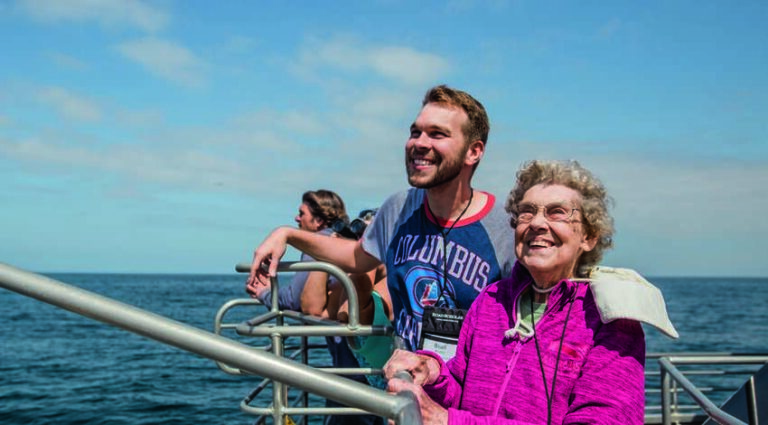
Seeing a city from the water changes its proportions. Bridges, ports, skylines, and neighborhoods connect differently when viewed from the route that helped shape them.
Boat tours and waterfront walks available through GetYourGuide can add meaningful context when local guides explain maritime history, trade, migration, architecture, and environmental change.
The strongest experiences do more than identify landmarks. They show how the water influenced work, culture, settlement, and the unequal distribution of opportunity.
A guide can help me notice what the view alone cannot explain. Context keeps the skyline from becoming a beautiful surface without memory.
Practical Preparation Helps Me Explore the Shoreline
Waterfront areas can involve long walks, changing weather, slippery surfaces, ferry schedules, and exposure to wind or sun. A route that feels comfortable at midday may become colder or less active after dark.
I pay attention to transportation, lighting, accessibility, weather, and how I will return to my lodging. The atmosphere near the water can change quickly once businesses close or crowds leave.
Travel coverage through SafetyWing may offer support during international or extended travel when unexpected medical or logistical problems arise.
Coverage cannot replace judgment. Practical planning gives me more freedom to enjoy the waterfront without allowing uncertainty to dominate the experience.

A DG Speaks Recommendation
I want more years to walk beside the water, stay curious, and keep learning what every view is carrying
I partnered with Happy Aging to share products that support energy, vitality, and an active life shaped by movement, curiosity, and meaningful discovery.
A Waterfront City Gives Solitude a Public Setting
Waterfronts often give me a place to be alone without feeling isolated.
I can sit near other people while remaining inside my own thoughts. The movement of boats, waves, birds, and passing pedestrians offers company without demanding conversation.
That balance can feel restorative during travel. New places require constant attention, and the shore provides an environment where I can pause without fully withdrawing from the city.
Looking outward creates mental space. The horizon does not solve anything, but it gives thought somewhere larger to move.
Perhaps that is why people gather near water when they need clarity, comfort, or simply a break from enclosed rooms.
The Waterfront View Should Not Erase the Work
Beauty can make history easier to overlook.
A renovated harbor may feel peaceful now, yet older warehouses, docks, rail lines, and market buildings still point toward the labor that once defined the area. Even where the original structures have disappeared, the geography remembers why the city developed there.
I want to enjoy the promenade while asking who unloaded ships, cleaned fish, repaired boats, carried goods, and lived close enough to hear the working waterfront at every hour.
Those workers should not survive only as decorative references in restaurant names and public art. Their communities, struggles, and contributions belong in the story of the place.
The view becomes more meaningful when labor remains visible inside it.
What the Water Has Carried
As the evening deepened during that first walk, lights began appearing across the shore. Ferries continued moving, restaurant tables filled, and the water reflected the city in broken lines.
I understood why people were drawn there. The breeze offered relief, the horizon created openness, and the edge of the city made space for both solitude and gathering.
A waterfront city invites me to look outward, but the most important questions often lead back toward the land. Who can reach the shore? Who works there? Whose neighborhood changed so others could enjoy the view?
Water carries more than boats.
It carries food, memory, language, labor, migration, commerce, grief, and possibility. Ports connect people while also recording the unequal conditions under which many journeys took place.
I want to hold that complexity without allowing it to cancel beauty.
The shore can be joyful. People deserve places to walk, eat, rest, fish, celebrate, and watch the light move across the surface.
Enjoyment becomes deeper when it includes awareness. I can admire the skyline while remembering the workers who built the city, the communities shaped by the port, and the environmental responsibilities that remain.
The view has a backstory.
I want to sit beside the water long enough to enjoy what I see and remain curious about everything the reflection cannot show.
Continue exploring stories about waterfront cities, public space, cultural travel, and the histories carried through everyday landscapes with DG Speaks Travel.