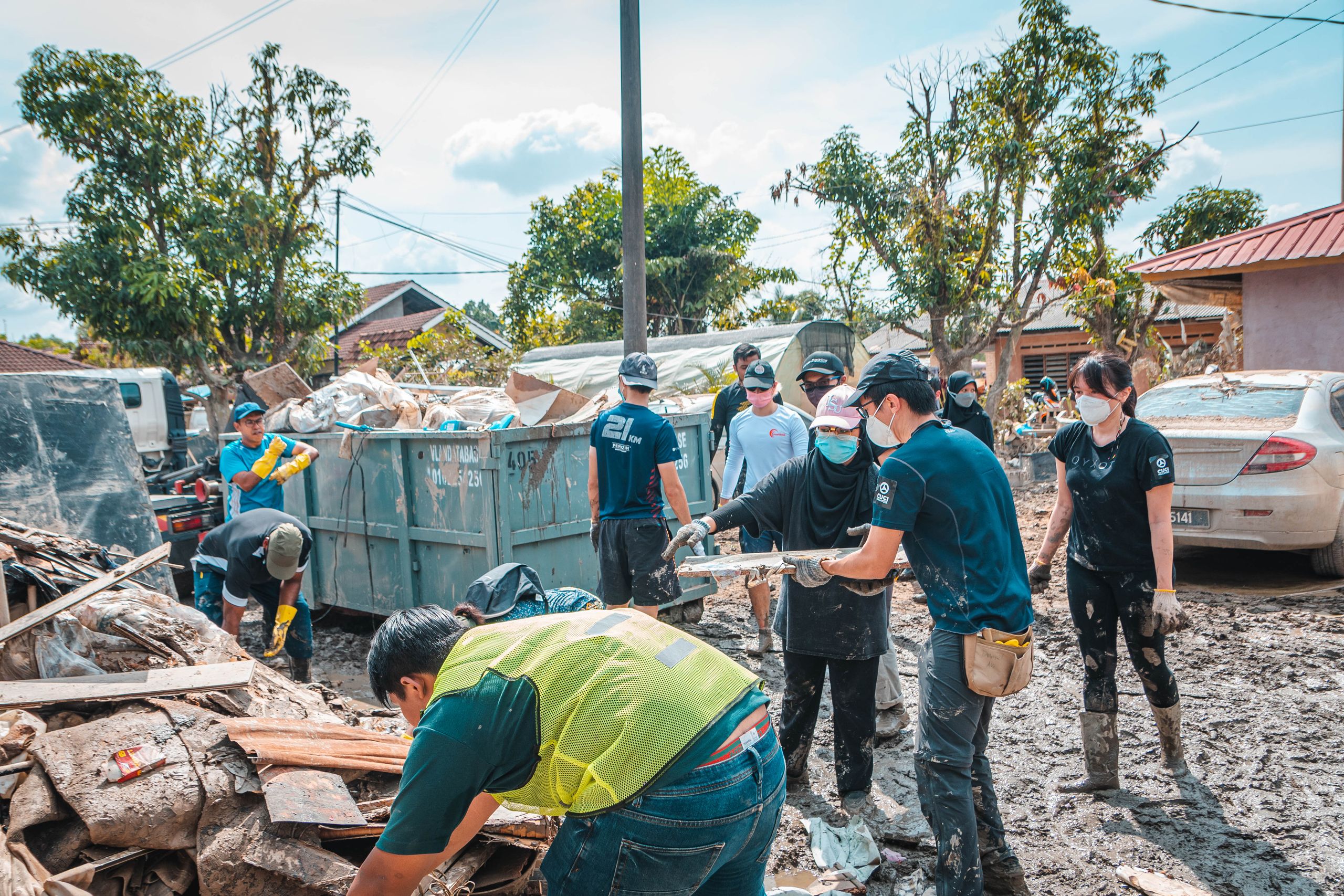
What Community Resilience Looks Like in Real Life
I stopped thinking of community resilience as a development buzzword years ago. Long before it appeared in conference presentations and funding proposals, I watched ordinary people practice it every single day.
Resilience Rarely Announces Itself
I have seen resilience in women who somehow found enough food for every child at the table after a failed harvest. I have seen it in farmers saving seed for next season when this season barely produced enough to survive. I have watched neighbors rebuild homes before insurance companies returned phone calls.
None of those people described themselves as resilient. They simply did what needed to be done.
That is one reason I keep returning to conversations about food systems and local resilience. Food is rarely just food. It is security, culture, dignity, and often the first sign that a community is beginning to recover.
The Best Solutions Usually Start Locally
One lesson has followed me from village to village and country to country: the people closest to a problem usually understand it best.
That does not mean outside expertise has no value. It means expertise should begin with listening. Farmers understand their soil. Mothers understand what children are actually eating. Community leaders understand the history that outsiders often miss.
Development becomes much more effective when it starts with local knowledge instead of replacing it.
Resilience Should Never Become an Excuse
One thing still makes me uncomfortable whenever resilience becomes a popular policy term. Sometimes governments and institutions celebrate how resilient communities are while quietly asking them to survive with fewer resources.
That is not resilience. That is neglect wearing optimistic language.
Strong communities deserve investment, not admiration from a distance. Celebrating resilience should never replace addressing the conditions that make resilience necessary in the first place.
The Future Is Built Together
After two decades working across food systems, agriculture, public health, and gender, I have become convinced that sustainable development begins with trust. Listen first. Build partnerships second. Design solutions with communities instead of for them.
That philosophy guides everything I write and the way I approach sustainable development. Lasting change rarely arrives from outside. More often, it grows from the strengths a community already possesses.
Keep Reading With Me
If these conversations resonate with you, explore more stories throughout the DG Speaks archive, where food, travel, culture, and global development intersect through the people who bring them to life.