The December Walk That Helps Me Put the Year Down
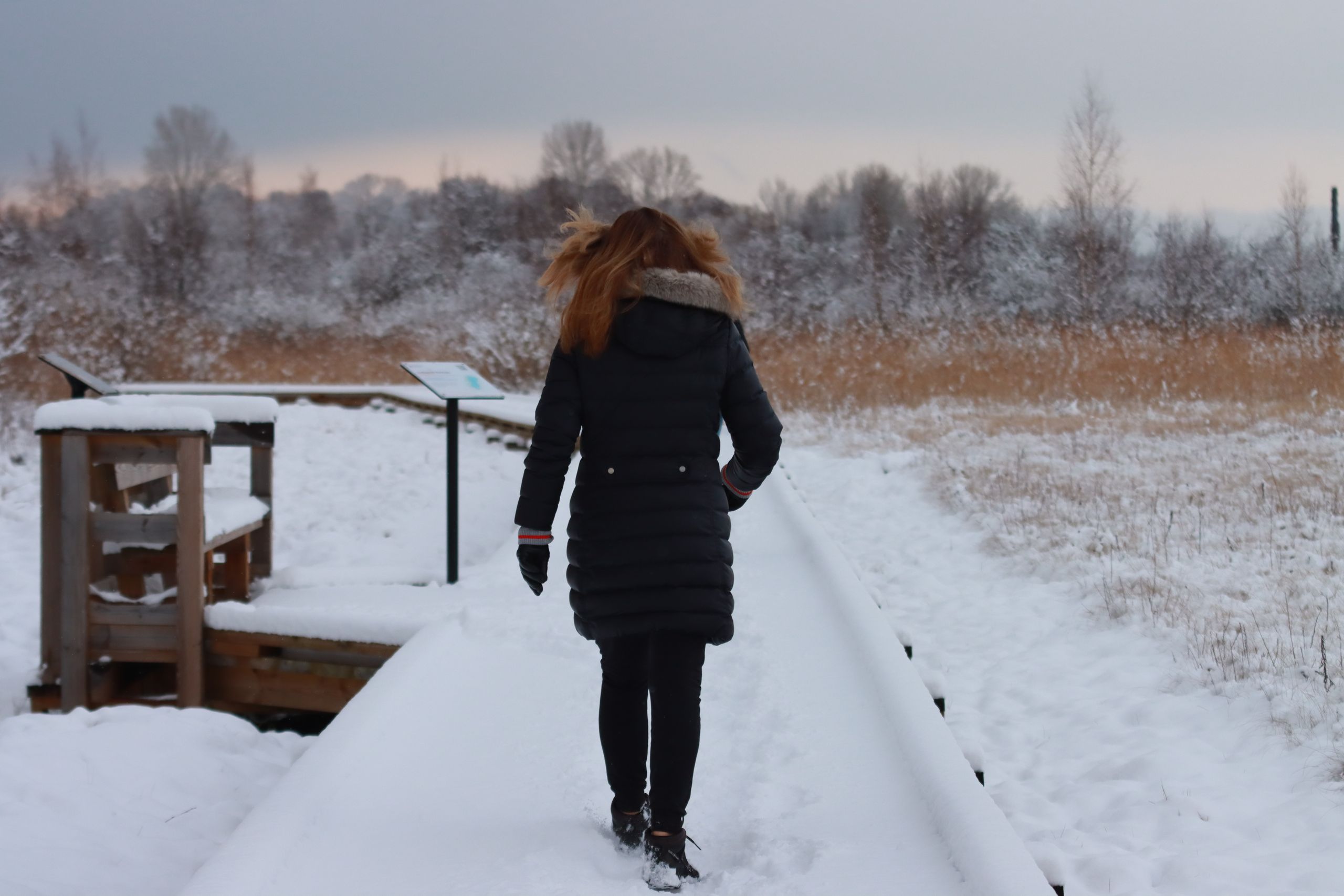
One December afternoon, I stepped outside because the house felt too full of the year. Unfinished work waited on my desk, messages needed answers, and several decisions had followed me from one week into the next without becoming any clearer.
The air was cold enough to make me pull my coat closer. Dry leaves scraped across the pavement, the sky had already begun losing its light, and my body needed a few minutes to adjust before the walking felt natural.
At first, my thoughts moved faster than my feet. I replayed conversations, revised choices that could no longer be changed, and mentally carried responsibilities that had not asked to join me.
Then the rhythm of walking began to interrupt the noise.
A December walk helps me put the year down. Not all at once, because years do not leave that neatly. Still, step by step, something begins to release.
Cold Air and Unfinished Thoughts
Cold air makes me pay attention to my body. I notice my breathing, the warmth building beneath my coat, and the exact moment my hands stop feeling comfortable outside my pockets.
That physical awareness gives my thoughts somewhere to settle. Instead of sitting still while the same concerns circle endlessly, I move alongside them.
Walking does not guarantee an answer. Sometimes I return with the same questions I carried outside. The difference is that they no longer feel packed so tightly inside me.
Movement creates a little distance between the problem and the person thinking about it. That space can be enough to recognize which concerns need action and which ones simply need time.
The Year Leaves in Layers
Years rarely end when the calendar says they do. A disappointment from spring may remain active in December, while a decision made months earlier may only begin to make sense near the year’s close.
This is why I no longer expect one reflection session to explain everything. I cannot summarize an entire year honestly in a few polished sentences.
The year leaves in layers.
A walk may help me release one expectation. A quiet morning reveals another truth, while a conversation weeks later changes how I understand something I thought I had already processed.
That slower unfolding connects with what I have learned about choosing presence over pace through slow travel. Reflection also needs a pace that allows meaning to emerge instead of demanding an immediate conclusion.
December Encourages a False Urgency
The end of the year can feel like a deadline for becoming someone new.
Goals must be reviewed. Lessons must be identified, and the next year must arrive with a plan strong enough to correct everything the current one failed to resolve.
I understand the appeal of that structure. A new calendar creates the feeling of a clean beginning, even when life continues across the date without pausing.
However, urgency can turn reflection into judgment. Instead of asking what happened, I begin evaluating whether I achieved enough, healed quickly enough, or used the year correctly.
A walk helps me resist that pressure. The road does not ask for a performance review. It only asks me to take the next step.
What I Am Not Carrying Forward
Year-end reflection often focuses on goals, habits, and intentions worth carrying into January. I find equal value in naming what I am willing to leave behind.
False urgency can stay. So can unnecessary shame, relationships that require me to disappear, and the pressure to keep proving the value of choices I already understand.
I do not want to carry every criticism simply because someone handed it to me. Nor do I need to preserve an old version of myself so that other people remain comfortable.
Some things deserve repair. Others have completed their role in my life.
Walking gives those distinctions a physical language. With each block, I can imagine setting something down without needing to know exactly what will replace it.
Women Often Enter a New Year Already Tired
December can add more work to lives that already contain too much.
Women often carry holiday planning, family communication, gift buying, cooking, decorating, caregiving, and the emotional management of gatherings. Even celebrations can depend on someone’s invisible labor.
Then January arrives with messages about discipline, transformation, and becoming more productive.
I do not want to enter a new year treating exhaustion as a personal failure. Sometimes the body does not need a stronger goal. It needs relief from the work nobody acknowledged.
This connects with my reflections on why women’s rest and softness are not surrender. Rest is not the opposite of moving forward. It may be what allows me to recognize the direction that actually belongs to me.
The Walk Gives the Body a Vote
Reflection can become overly intellectual. I make lists, evaluate decisions, and search for the correct interpretation of everything that happened.
Meanwhile, the body has been keeping its own record.
Tension gathers in my shoulders. Fatigue changes how I respond to ordinary problems, and a heavy season can make even small responsibilities feel physically demanding.
Walking lets the body participate in the review. A slower pace may reveal that I am more tired than I admitted. A longer stride can remind me that strength remained present even when confidence did not.
The body does not summarize the year in words. It communicates through energy, resistance, breath, and the relief that comes when movement finally feels easy.
Small Preparations Make the Ritual Easier
A reflective walk does not need elaborate equipment. Comfort still matters, especially when cold weather can turn a thoughtful outing into an endurance test.
Warm layers, gloves, supportive shoes, and a small bag for water or essentials help me remain outside long enough for the walk to change my mood. I keep practical options in my Amazon travel shop for walking days, travel, and time outdoors.
Some days, I also begin or end the walk with a short meditation. Breathing exercises and guided reflections through Calm can help me move from mental noise into a quieter kind of attention.
Neither product creates the ritual. They simply reduce enough friction for me to begin.
A DG Speaks Recommendation
I want more years with the strength to keep moving and the wisdom to know when to slow down
I partnered with Happy Aging to share products that support energy, vitality, and an active life through every season.
I Do Not Need to Turn Every Lesson Into Gratitude
Year-end reflection often comes with pressure to find the gift inside every difficult experience.
Some lessons do become valuable. A disappointment may sharpen my boundaries, while a failed plan can reveal what I truly wanted.
Other experiences were simply painful, unfair, or unnecessary.
I do not need to become grateful for harm in order to move beyond it. Growth does not erase what something cost me.
During a December walk, I can acknowledge the full truth. I may appreciate the strength I developed while still wishing I had never needed it.
Honesty offers a stronger foundation than forced gratitude.
The Antidote Is a Gentle Accounting
End-of-year culture often encourages a harsh accounting. What did I earn, finish, build, lose, or fail to accomplish?
Those questions may produce useful information, but they do not tell the whole story.
The antidote is a gentler accounting.
Where did I protect myself? Which moments brought me back to life? When did I choose differently, even if nobody else noticed?
I also want to remember the ordinary acts that kept the year moving. Meals prepared, walks taken, messages answered, boundaries maintained, and mornings when getting up required more courage than anyone could see.
Not every meaningful accomplishment arrives with proof.
Some Things Need to Remain Unresolved
Walking helps me accept that I may not understand the entire year before it ends.
A relationship may still feel complicated. The next professional step may remain uncertain, and a desire I cannot yet name may continue following me into January.
Unresolved does not always mean neglected.
Some questions need more life before they can produce an answer. Forcing clarity too soon may lead me toward a conclusion that feels tidy but untrue.
I can carry a question forward without carrying the same anxiety around it. That difference feels important.
A Quiet Crossing Is Still a Crossing
As the light faded on that December afternoon, I turned toward home. The problems waiting for me had not disappeared, and I had not developed a perfect plan for the coming year.
Still, the walk had changed what I was carrying.
A few concerns felt smaller. One decision seemed clearer, while something I had been blaming myself for finally looked more like a season I had survived.
A December walk does not need fireworks, resolutions, or a dramatic revelation. Its value comes from movement, cold air, and the chance to let the year loosen its grip one layer at a time.
I do not need to drag every pressure across the threshold simply because it followed me this far.
Some things can remain on the road.
The new year may arrive quietly, without proof that I have transformed. Even so, a quiet crossing is still a crossing.
Continue exploring reflections on women, rest, transition, and building a life with more room to breathe through DG Speaks Culture.