Daughters of the Dust is a Cinematic Time Capsule
If you love movies that make you pause, reflect, and really think, then Daughters of the Dust will speak to your spirit. This film is artistic, whimsical, and emotionally heavy all at once. Julie Dash masterfully uses complex visual symbolism to tell the story of women at a crossroads, caught between the pull of ancestral tradition and the push of modern change.
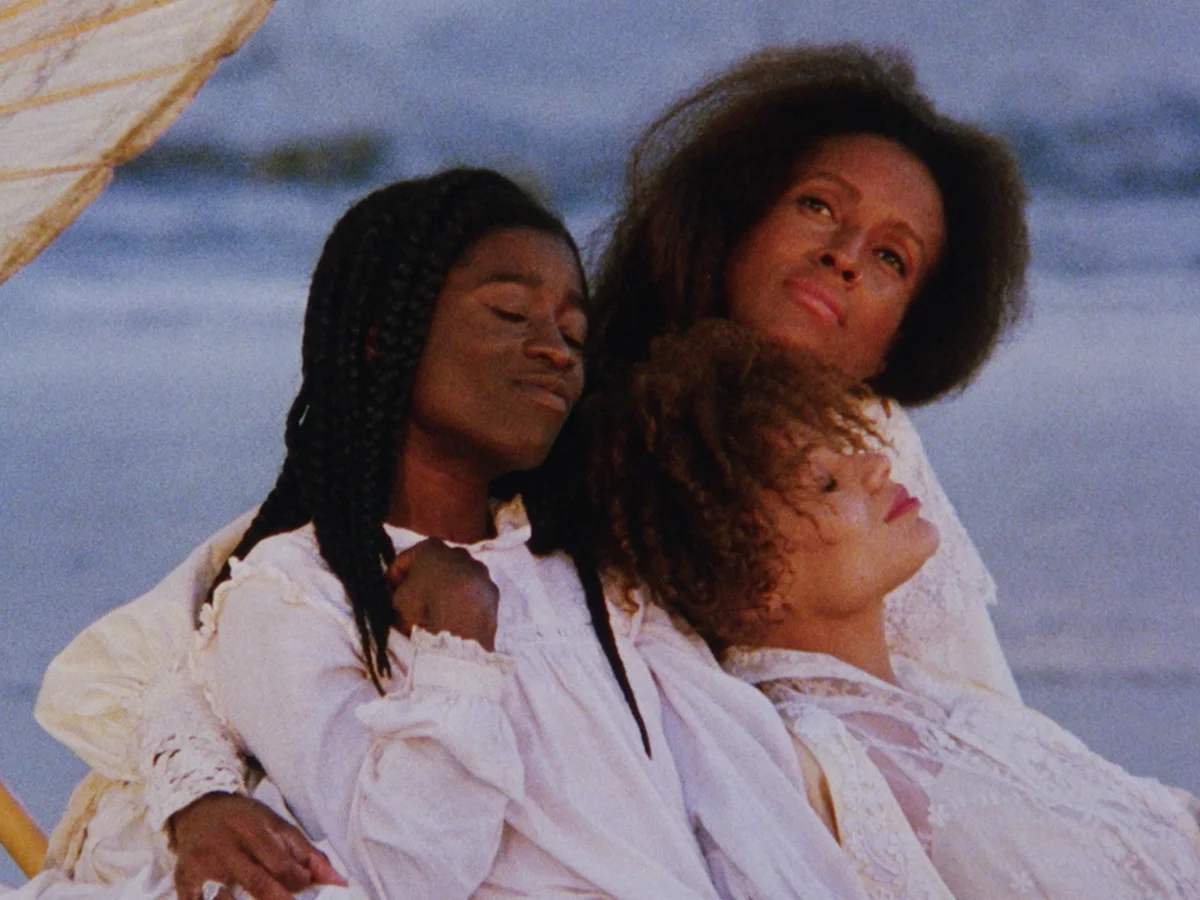
Watching Daughters of the Dust felt like stepping into someone else’s dream. The cinematography is rich, layered, and at times surreal. You’re not just observing a story unfold. You’re being pulled into it, piece by piece, like trying to trace your way through a memory that doesn’t quite belong to you. And I promise you, it’s unlike anything you’ve ever seen before.
Who Are the Gullah People?
It feels so fitting that I first saw this film after visiting the Gullah Islands myself. Back in 2000, I went on a Black Studies tour to South Carolina, where we spent time with one of the last remaining Geechee families. I wish I could remember the name of the island. It’s been over 20 years, but what I do remember is the serenity of the place. It was quiet, covered in mossy willows, and filled with ancestral energy. Watching Daughters of the Dust brought all of that flooding back.
The Gullah (also known as Geechee) people are African Americans who live in the low country regions of South Carolina, Georgia, Florida, and North Carolina. Many also inhabit the Sea Islands along the coast. Their culture is rich with African influences, from their unique Gullah language, a creole blend rooted in West African languages, to their spiritual beliefs, art, foodways, and storytelling traditions.
Some scholars believe the name “Gullah” originates from the Gola people of Sierra Leone and Liberia, a region from which many enslaved Africans were brought to the U.S.
The Story Behind Daughters of the Dust
Set in 1902, Daughters of the Dust captures a pivotal moment in African American history. The start of the Great Migration. The Peazant family, descended from enslaved Africans, must decide whether to leave their Sea Island home for the promise of a “better” life up North or stay rooted in the land and traditions that have defined them.
What makes this film so unique is how the story unfolds. It’s not linear or neatly packaged. Instead, it’s told through fragments of memory, spirit, and symbolism.
One of the most creative aspects of the film is the narration by an unborn child. The spiritual daughter of Eula (Alva Rogers) and her husband Eli (Adisa Anderson). But Eula was raped by a white man, and Eli struggles silently with the fear that the child might not be his. That emotional weight hangs in the air, unspoken but ever-present.
We also see the world through the eyes of Nana Peazant (Cora Lee Day), the family matriarch and spiritual anchor. She embodies the deep-rooted African traditions that the younger, Christian family members are beginning to reject. Nana represents memory, resistance, and cultural pride. And then there’s Yellow Mary (Barbara-O), a sophisticated, worldly woman who returns to the island with her companion, Trula (Trula Hoosier), a woman the family believes is her lover.
Each character represents a different facet of the Black female experience, pain, joy, shame, wisdom, rebellion, and survival.
Why This Film Still Matters
There’s a lot to unpack in Daughters of the Dust. It touches on intergenerational trauma, spiritual identity, Eurocentric assimilation, the burden of respectability politics, and the complexities of Black womanhood.
For me, this film is more than just a cinematic experience. It’s a cultural reckoning. It invites us to ask who we are, where we come from, and what we choose to carry forward. If you’re Black, and especially if you’re raising Black children, I cannot recommend this film enough. It’s a visual and emotional love letter to our heritage.
Daughters of the Dust (1991) – Quick Summary
A languid, poetic look at the Gullah culture of the Sea Islands off the coast of South Carolina and Georgia. The film portrays the internal struggles of one family as they decide whether to migrate North or stay grounded in ancestral ways.
- Director: Julie Dash
- Writer: Julie Dash
- Stars: Cora Lee Day, Alva Rogers, Barbara-O
Other Great Films That Celebrate Black Women
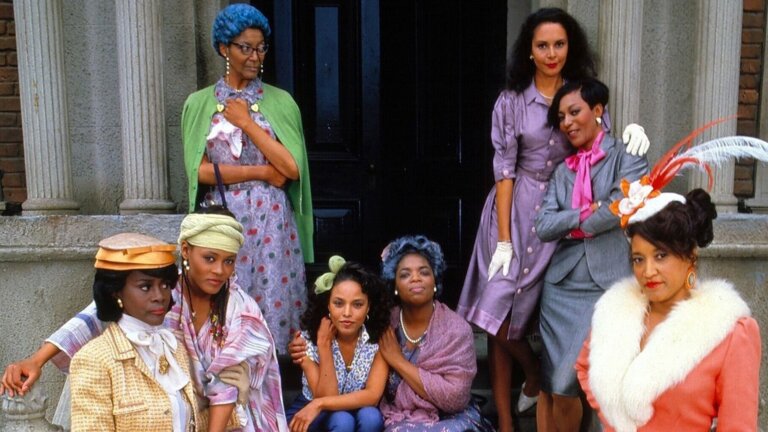
- The Women of Brewster Place – A moving portrayal of sisterhood, struggle, and resilience
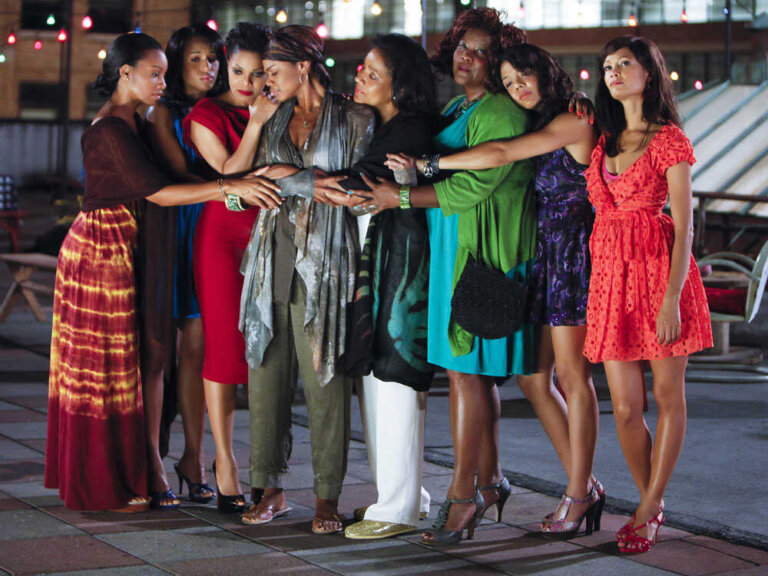
- For Colored Girls – A powerful film exploring Black womanhood, pain, and healing
- Movies 4 Thinkers IMDb List – My curated collection of films that make you feel, reflect, and grow
Final Thoughts
Daughters of the Dust is more than just a film. It’s a sensory experience, a cultural archive, and a spiritual meditation. Julie Dash didn’t just make a movie. She created a masterpiece that continues to inspire and educate, decades later.
So if you’re looking for something that challenges your mind and feeds your soul, this is it. Give yourself the space to watch it fully, then sit with what it stirs in you.
Because trust me, this film will stay with you.