The Year I Want My Choices to Feel More Honest
I opened my notebook and began writing the kind of list a new year seems to demand. Goals came first. Then habits, routines, deadlines, travel plans, money decisions, and several promises about how disciplined I intended to become.
The page looked ambitious. It did not feel especially honest.
Some items reflected what I genuinely wanted. Others came from pressure, comparison, or the fear that standing still would make me look as though I had fallen behind.
That realization changed the question I wanted to carry into the year.
Instead of asking how dramatically I could reinvent myself, I began thinking about honest choices. These decisions may look simple from the outside, but they often require more courage than a public transformation.
The Decision Beneath the Decision
Every choice carries a second question underneath it.
Do I want this, or do I want the approval attached to it? Am I staying because the situation still fits, or because leaving would disappoint someone?
Sometimes I choose what feels familiar even after familiarity stops feeling good. An old role may no longer reflect who I am, yet it still offers the comfort of knowing what everyone expects from me.
Honesty begins when I examine the motive instead of focusing only on the visible decision.
A yes can come from desire, fear, guilt, habit, or hope. The word sounds the same in every case. What it costs me later depends on where it came from.
My Body Often Answers Before I Do
My mind knows how to build a persuasive argument for almost anything.
I can explain why I should accept another responsibility, remain in an uncomfortable situation, or continue following a plan that no longer feels right. Logic becomes especially creative when I want to avoid disappointing someone.
My body usually tells a simpler story.
Tension gathers before a conversation. Fatigue appears whenever I think about a particular obligation, while relief arrives the moment I imagine declining it.
Excitement has a physical language too. Energy returns. Curiosity expands, and the future feels more open than burdensome.
Those responses do not make every decision for me. They give me information that deserves attention.
Women Learn to Distrust Their Own Relief
Women often receive praise for carrying more than anyone should expect.
We become dependable, accommodating, organized, emotionally aware, and available. Then relief can feel suspicious because it often arrives after we stop doing something other people valued.
A boundary may disappoint someone. Rest can leave a task unfinished, while changing direction may disrupt a role the family, workplace, or community relied upon.
This tension connects with my reflections on why women’s rest and softness are not surrender. Relief does not always signal irresponsibility.
Sometimes it shows that I finally stopped carrying what never belonged entirely to me.
Honesty Does Not Need a Public Announcement
Modern life encourages visible change.
We announce the new job, the move, the relationship, the project, the health goal, or the decision to begin again. Public declarations can create accountability and invite support.
They can also turn a private truth into another performance.
Some of the most meaningful choices happen quietly. I stop returning to a habit that keeps me stuck. I ask for help before reaching crisis, or I change a plan without creating a long explanation for people who were never responsible for living with the consequences.
No press release is required.
A quiet decision still changes the shape of a life.
Black Women Deserve Room to Change
People often expect Black women to remain consistent in ways that leave little room for evolution.
Once we become known for strength, leadership, insight, or resilience, others may treat those qualities as permanent assignments. A change in direction can look like inconsistency to people who benefited from the earlier version of us.
That pressure also affects storytelling.
My reflections on why Black women storytellers deserve more than temporary attention include the freedom to become more complex in public. We should not have to repeat the same story simply because audiences found it easy to understand.
Honest choices make room for revision.
I can honor the woman I was without forcing her to make every future decision.
Changing My Mind Is Not Always Failure
Commitment matters. So does the ability to respond to new information.
A decision may have made sense when I made it. Circumstances change, values deepen, and experience reveals costs I could not see at the beginning.
Continuing only to prove consistency can become its own form of dishonesty.
I want to distinguish between discomfort that belongs to growth and discomfort that warns me I have moved too far from myself.
Growth may feel challenging while still carrying meaning. Misalignment usually requires constant self-persuasion.
Changing my mind does not erase the effort I already invested. It may show that I learned enough to choose differently.
The Life Behind the Photograph Matters More
A choice can look beautiful and still feel wrong from the inside.
The job title impresses people, the relationship photographs well, or the travel schedule appears exciting. Public approval creates a convincing image.
Meanwhile, the private life beneath the image may feel exhausting, constricted, or lonely.
I do not want to build a life around what can be explained quickly to other people.
The ordinary experience matters more. How do I feel on a Tuesday morning? Can I breathe inside the routine I created?
Does the life allow room for rest, curiosity, friendship, nourishment, and the version of ambition that still feels like mine?
Honesty lives in those daily answers.
Quiet Helps Me Separate Desire From Pressure
Other people’s voices can become loud enough to sound like my own.
Family expectations, cultural messages, professional advice, social media, and fear all offer opinions about what I should choose next. Their confidence can make my uncertainty feel like weakness.
Quiet creates enough distance to hear the difference.
A walk, an unhurried morning, or a few minutes away from my phone may reveal what feels expansive and what creates immediate resistance. Guided meditations and reflection practices through Calm can also support that pause when my thoughts feel crowded.
Silence does not always hand me a clear answer.
It allows the honest question to remain present long enough for the answer to develop.
Practical Systems Help Honest Choices Survive
A decision becomes more real when daily life supports it.
Choosing rest means creating boundaries around time. Prioritizing writing may require a reliable workspace, a notebook within reach, or tools that reduce unnecessary friction.
I keep practical resources for creativity, travel, home routines, and organization in my Amazon shop.
No product can create conviction. The right support can make it easier to live according to a choice I have already made.
Intentions often fail when the surrounding systems still belong to the old life.
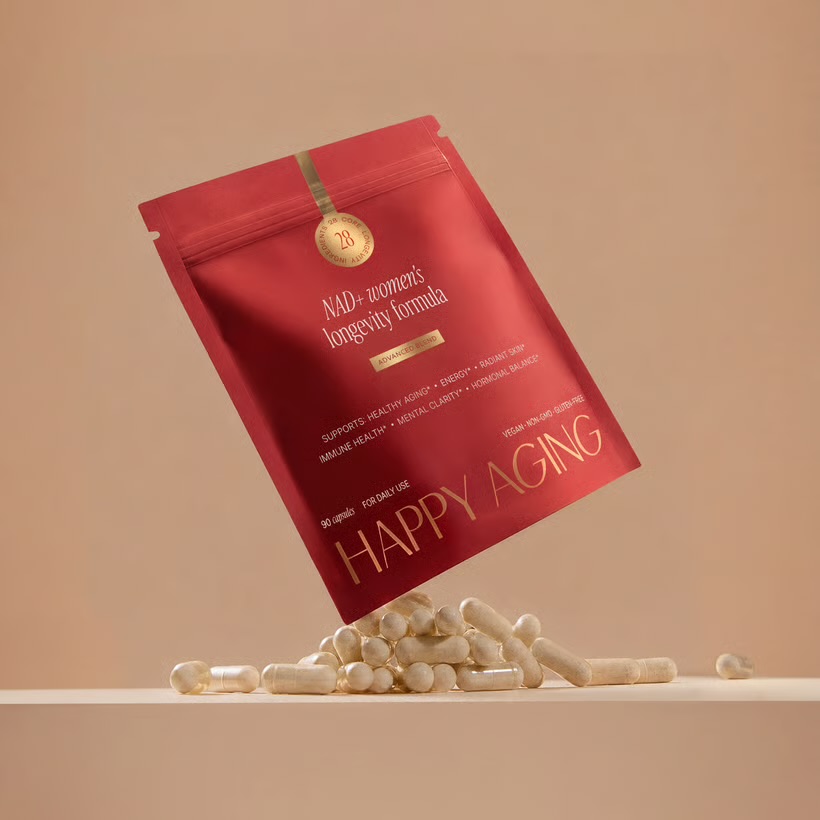
A DG Speaks Recommendation
I want more years to make honest choices, trust my body, and build a life that feels true from the inside
I partnered with Happy Aging to share products that support energy, vitality, and an active life shaped by intention, confidence, and continued growth.
Honesty Still Requires Compassion
Telling myself the truth does not require cruelty.
I can acknowledge that I stayed too long, ignored a warning, or chose approval over alignment without turning the realization into another reason for shame.
Most choices make sense within the context that produced them.
I may have lacked information, support, money, safety, or confidence. An option that seems obvious now may not have felt available then.
Compassion does not remove responsibility. It gives me enough emotional safety to examine the decision without immediately defending it.
I learn more from an honest review than from punishment.
The Antidote Is Not Radical Certainty
Honest living does not mean feeling certain about every decision.
Sometimes two choices both carry loss. A necessary boundary can hurt, while a promising opportunity may still create fear.
The antidote to self-betrayal is not perfect confidence.
I want enough self-trust to act while uncertainty remains.
That may mean choosing the direction that feels most aligned, gathering information as I go, and allowing myself to adjust when reality teaches me something new.
Courage often looks less like certainty and more like refusing to abandon myself while I decide.
Choosing a Life I Can Stand Inside
When I look back at that first list from 2023, I understand why it felt crowded.
The page contained goals, but it did not ask whether I wanted the life those goals would create.
That question matters more to me now.
Honest choices may not produce the most dramatic transformation. They often appear quietly in the way I spend time, protect energy, answer invitations, and respond when my body tells me that something no longer fits.
I want to say yes because I mean it. A no should not require a courtroom argument before I am allowed to trust it.
Changing direction can reflect wisdom rather than failure. Rest can arrive before collapse, and a private decision can remain powerful without public applause.
Most of all, I want to choose a life I can stand inside.
Not one that only photographs well or sounds impressive when summarized. I want a life that feels truthful on ordinary mornings, when nobody watches and no announcement waits to be made.
Change does not need to become a costume I put on for the new year.
It can begin with one honest decision, followed by another, until the life around me finally reflects the truth I stopped swallowing.
Continue exploring reflections on women, self-trust, intentional living, and the choices that shape a meaningful life through DG Speaks Culture.